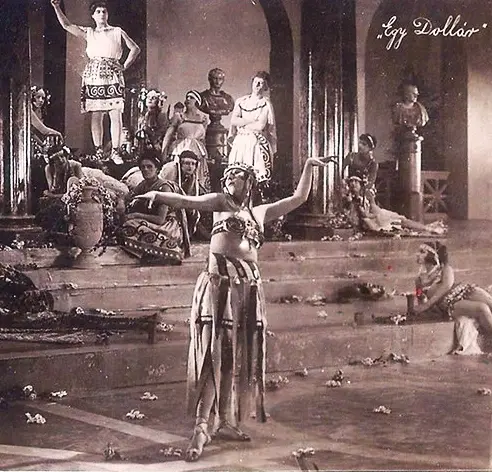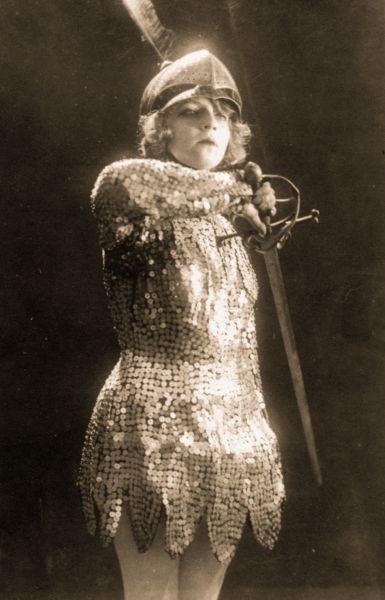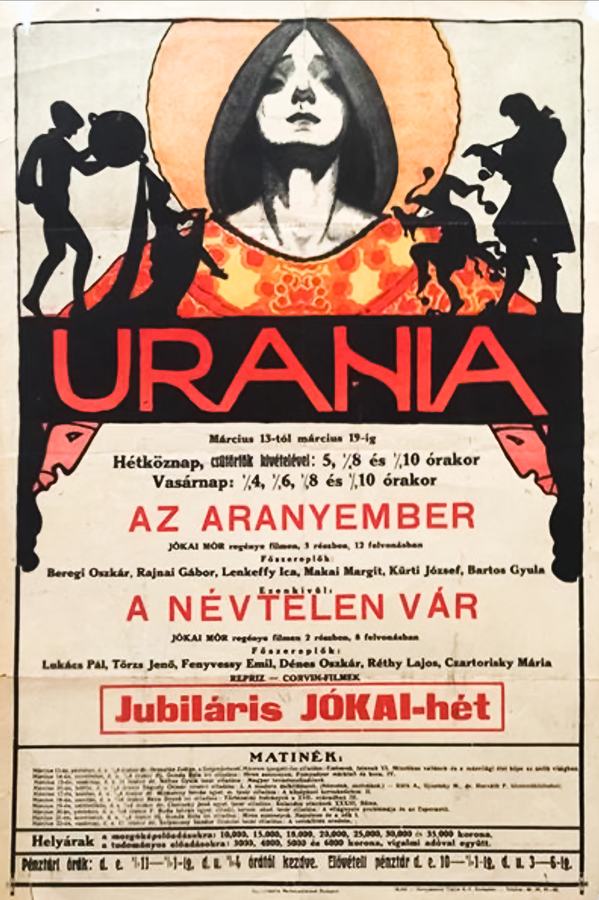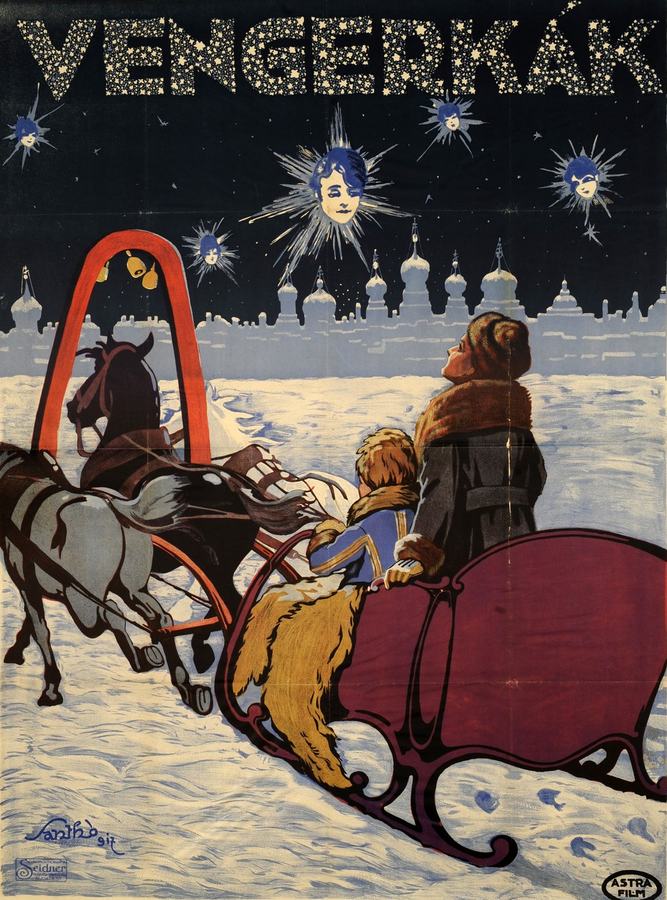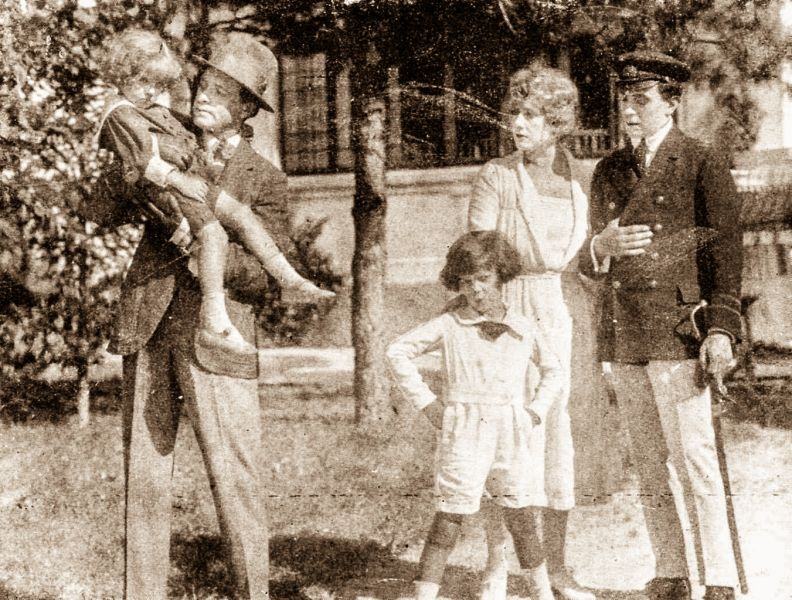
The first time I watched Gyermekszív I forgot to breathe. Not hyperbole—my lungs simply suspended themselves while the opening shot glided across fin-de-siècle Budapest, its gaslight halos smeared like wet water-colour on the lens. What arrives is not mere melodrama but a pathology of innocence: a child’s organ—liter...
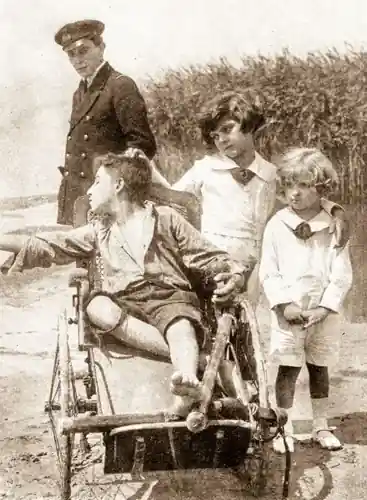
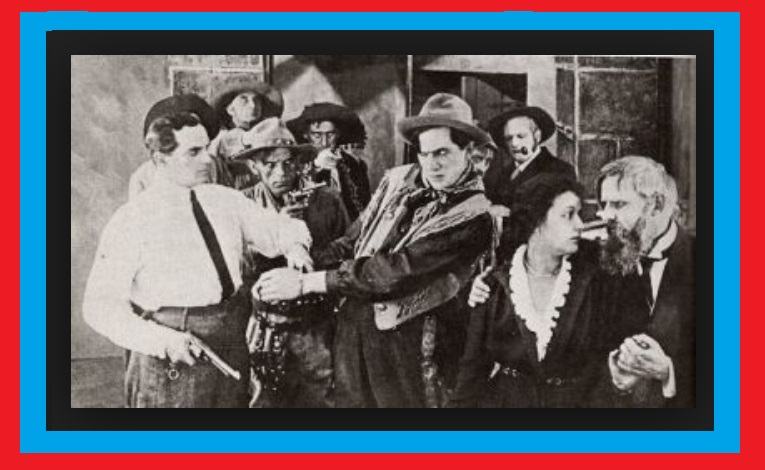
still_frame
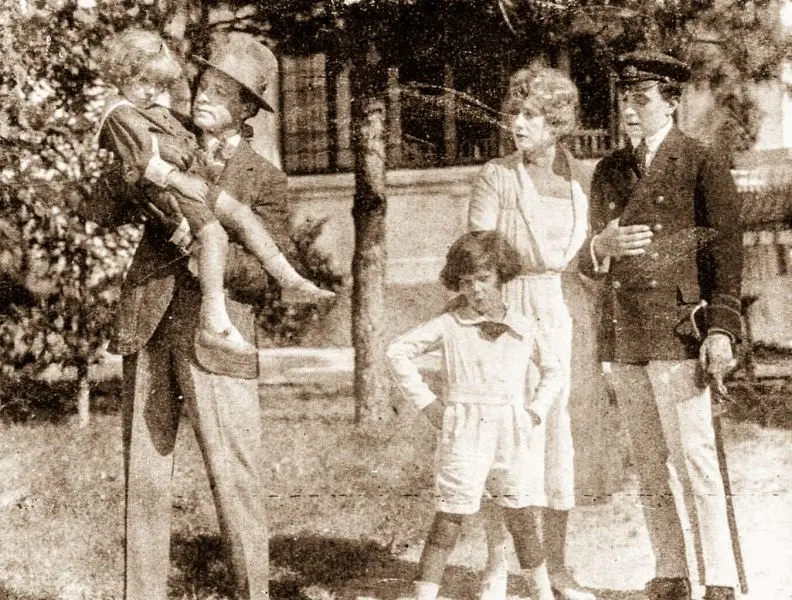
still_frame
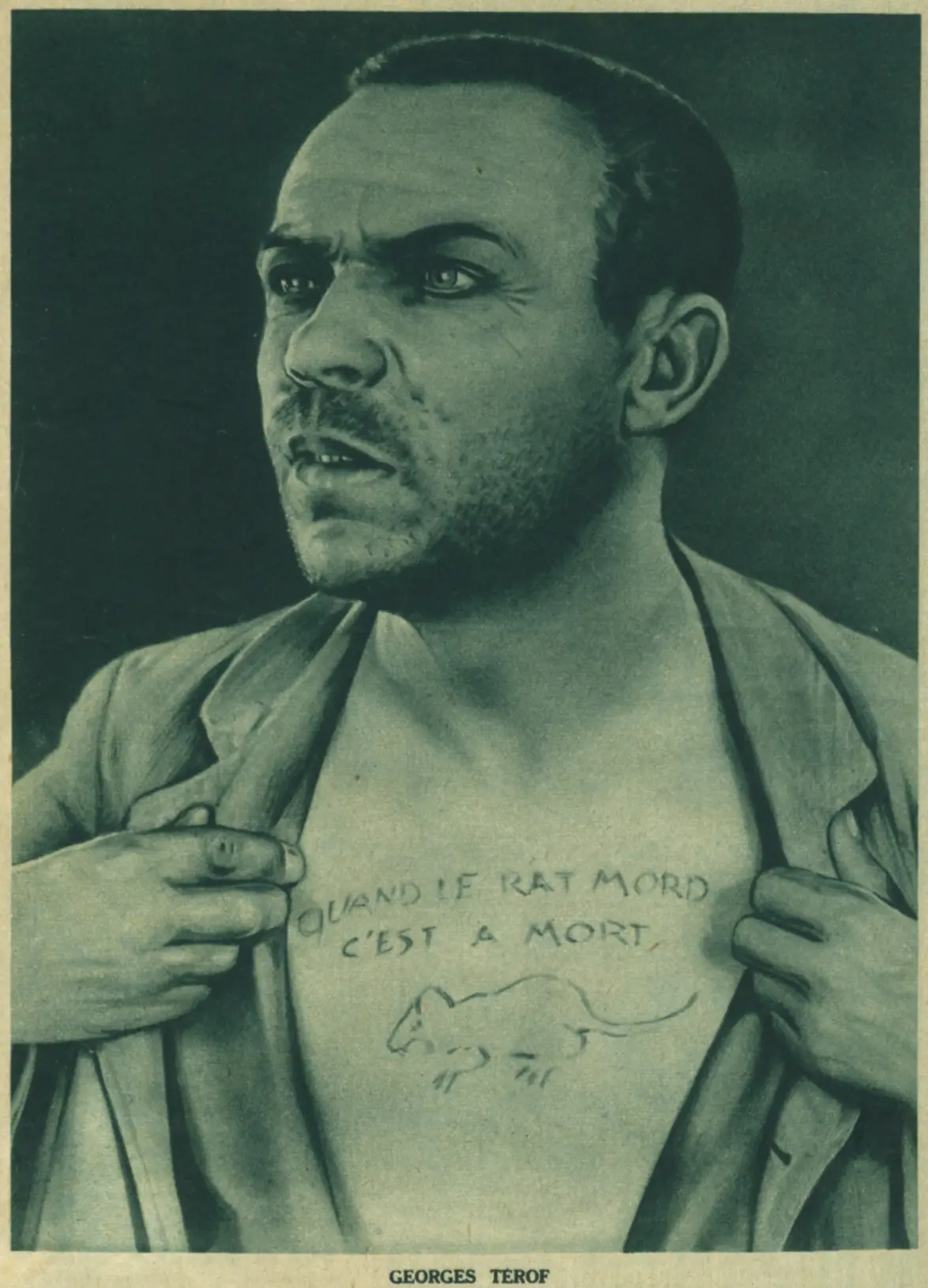
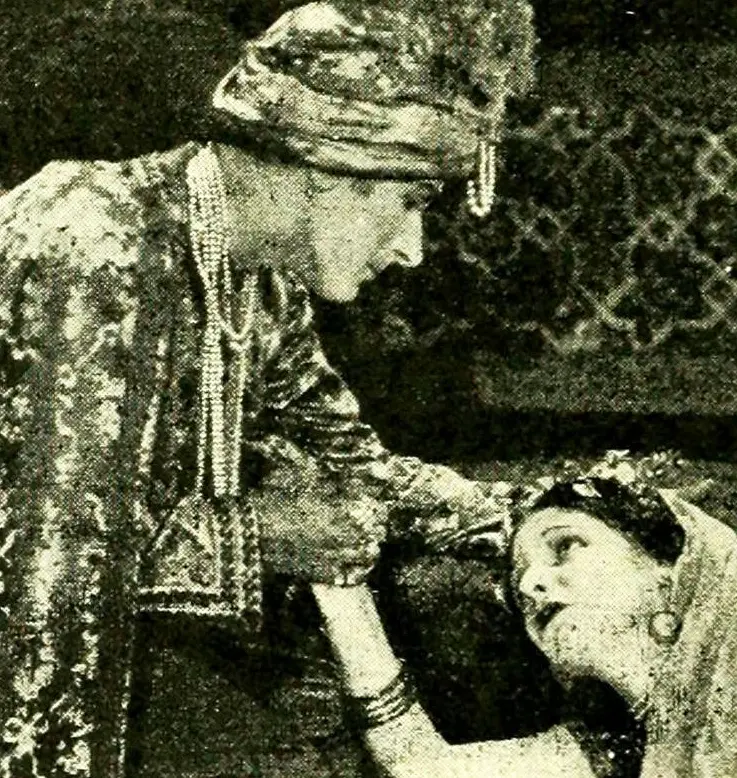
Comparing the cinematic DNA and archive impact of two defining moments in cult history.
Béla Balogh
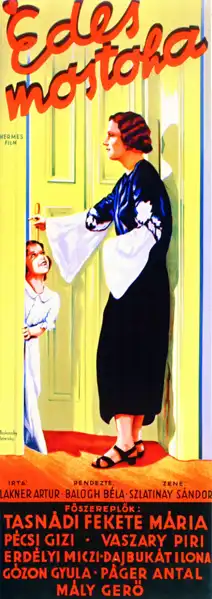
Béla Balogh
Community
Log in to comment.
" The first time I watched Gyermekszív I forgot to breathe. Not hyperbole—my lungs simply suspended themselves while the opening shot glided across fin-de-siècle Budapest, its gaslight halos smeared like wet water-colour on the lens. What arrives is not mere melodrama but a pathology of innocence: a child’s organ—literal, pulsing—commodified by the adult world’s quacks, charlatans, and velvet-jacketed impresarios. Director-producer József Pakots grafts Florence Montgomery’s sentimental Edwardia..."
Florence Montgomery, József Pakots
Hungary