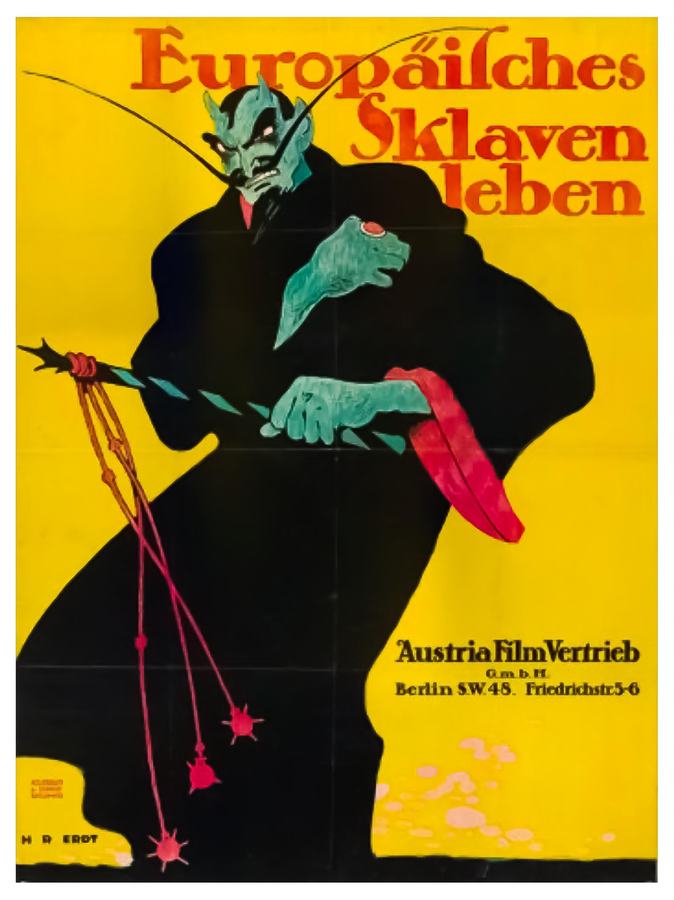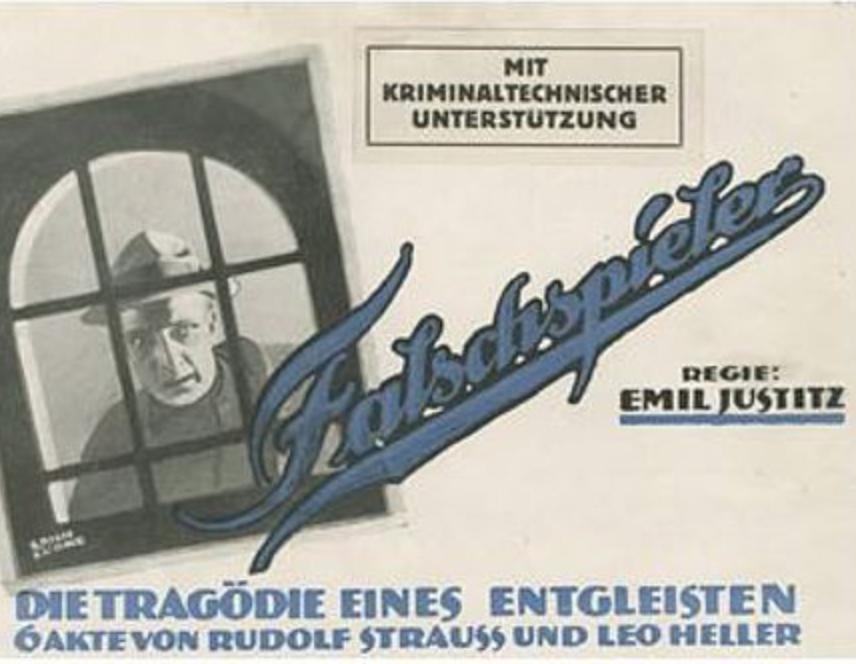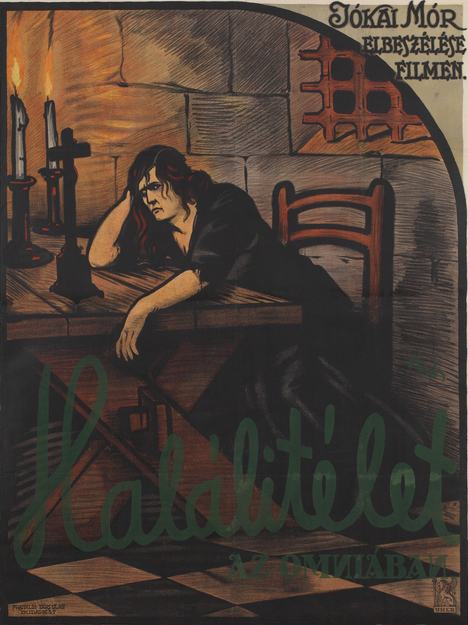
The first time you watch Halálítélet, you swear you can smell the rust of manacles. Cinematographer József Bécsy treats celluloid like damp parchment: every frame appears singed at the edges, as though the film itself is being executed alongside the protagonist. Lajos Réthey’s gaunt cheekbones become a topographical m...
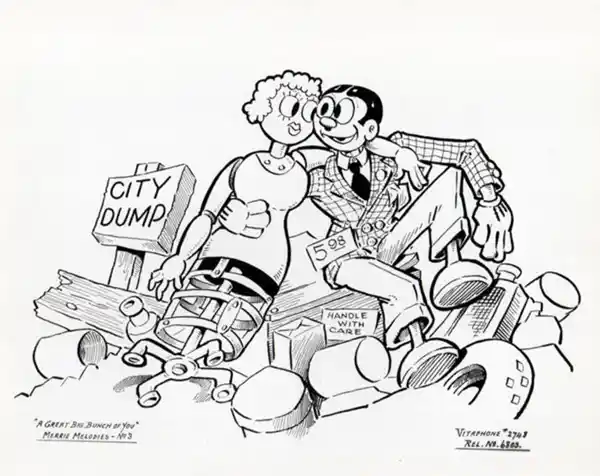
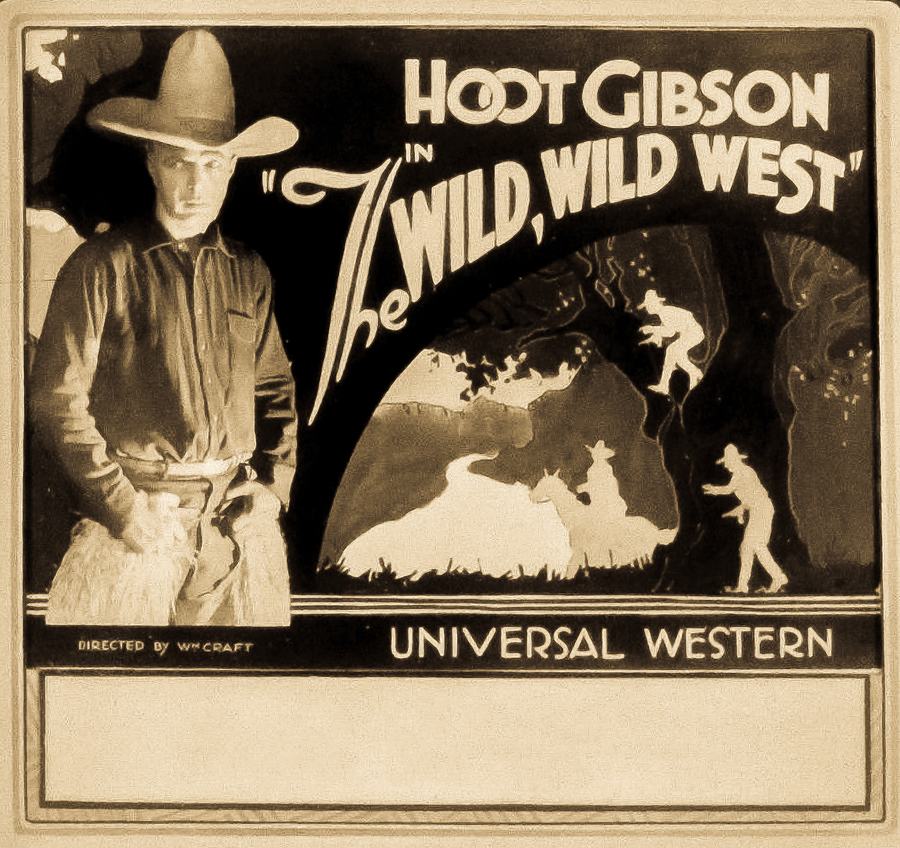
Comparing the cinematic DNA and archive impact of two defining moments in cult history.
Emil Justitz
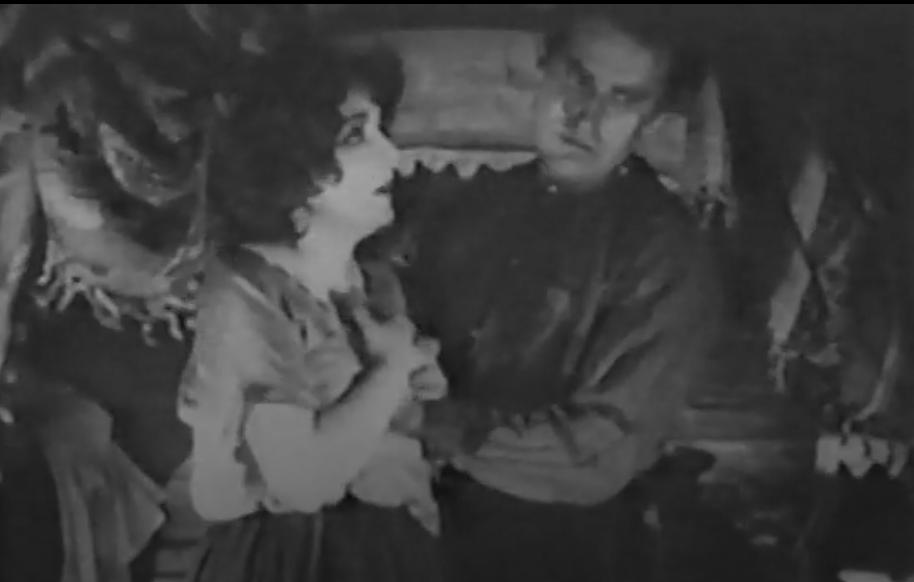
Emil Justitz
Community
Log in to comment.
" The first time you watch Halálítélet, you swear you can smell the rust of manacles. Cinematographer József Bécsy treats celluloid like damp parchment: every frame appears singed at the edges, as though the film itself is being executed alongside the protagonist. Lajos Réthey’s gaunt cheekbones become a topographical map of moral erosion; when he lifts his eyes toward the courtroom skylight, the camera tilts up to a fresco of cherubs that suddenly look like winged coroner’s reports. There is no..."