Summary
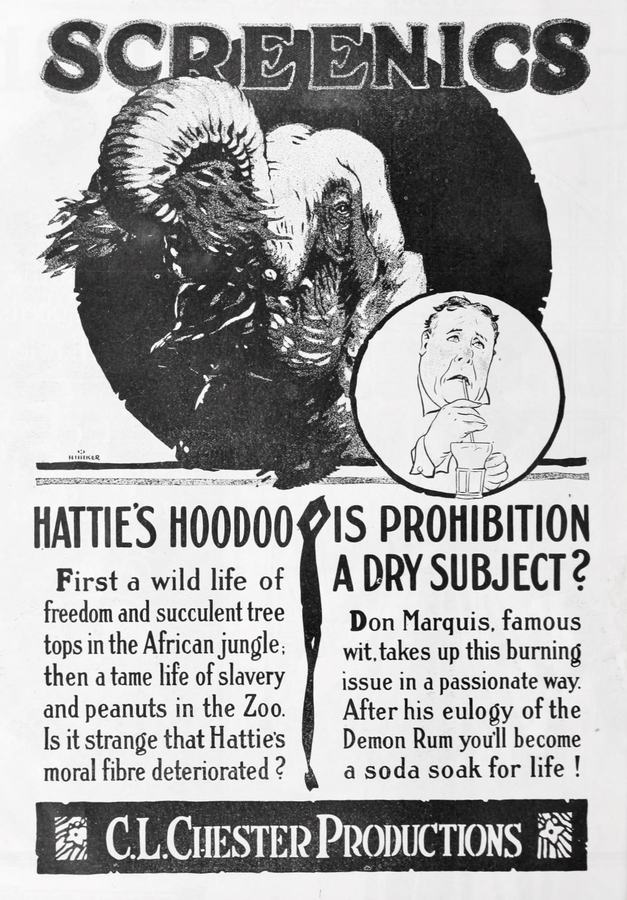
In a liminal Louisiana bayou where Spanish moss drips like liquid pewter and moonlight curdles into milk, Hattie—a root-chanting, grief-gnawed Creole herbalist—unearths a mason jar cradling her mother’s last breath, sealed the night Jim Crow hawks snatched her brother. The jar, stoppered with wax and regret, leaks memories: cicadas screaming inside a child’s skull, a rosary strung with baby teeth, a photograph blistering in a coal-oil flame. Hattie’s Hoodoo is no mere revenge fable; it is a fever-dream palimpsest of Black southern myth, stitching voodoo vévé chalked on courthouse steps with sharecropper ledgers inked in blood. Each dusk, Hattie stitches poppets from funeral suits, knotting hair stolen from the sheriff’s comb, whispering psalms backward until the swamp itself grows lungs and exhales malarial hymns. The plot coils like a cottonmouth: a white judge’s son, feverish from guilt, staggers into Hattie’s cabin begging for a charm to silence the ghosts of three lynched musicians whose bones still hum gospel from the riverbed. She offers him a tea of jimsonweed and recorded lullabies; the cup trembles, reflecting her own face morphing into the boy she lost. Meanwhile, the town’s telephone wires sprout trumpet vines that bloom only when someone lies—each blossom pops like a flashbulb, exposing white-sheeted phantoms who once posed grinning beside charred bodies. Hattie’s final hex is not death but memory: she traps the town inside a perpetual dusk where every porch swing creaks out the names of the murdered until tongues blister. When dawn finally slithers across the water, the jar is empty, the bayou is silent, and Hattie, now translucent as smoke, walks into the river still clutching her mother’s thimble, her footprints filling with milk-white moonflowers that close like eyes when the first tourist camera clicks.
Review Excerpt
"
The first time Hattie uncorks the mason jar, the screen exhales a plume of breath so cold it fogs the lens, and for a heartbeat we suspect the camera itself might keel over, strangled by ancestral sorrow. This is not homage; it is necromancy. Director C.L. Chester—who also inhabits Hattie with a spine that seems permanently bent by invisible burlap sacks of bones—conjures a visual grammar where every cut feels like a knuckle cracking inside a casket.
Color palettes detonate then recede like s..."