United States
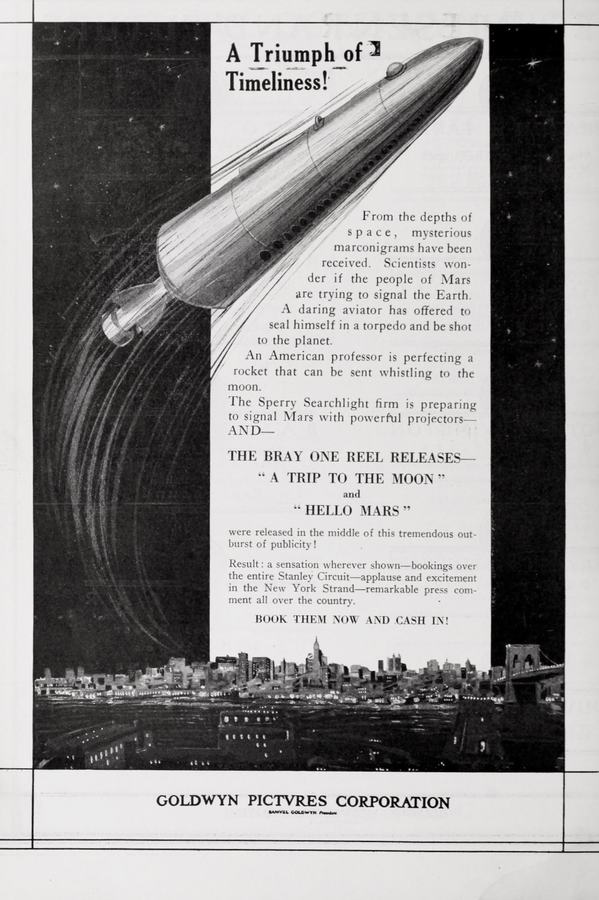
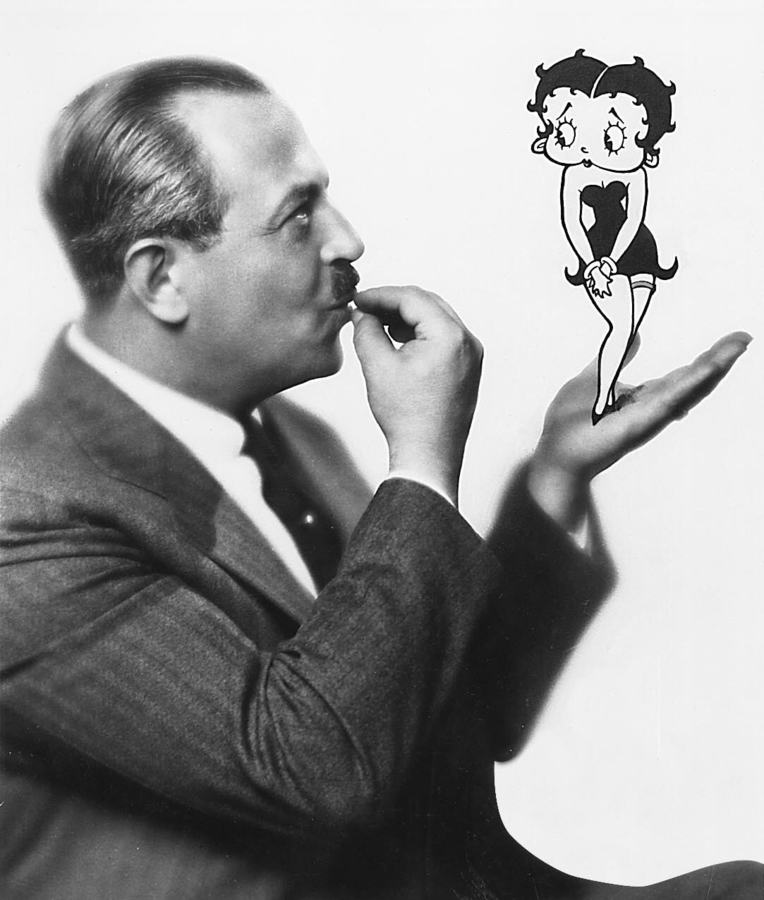
A rusted bullet of celluloid shot into the constellations of absurdity, Hello, Mars! lands in 2024 like a bootleg comet nobody ordered yet everybody will claim they tracked first. Max Fleischer—yes, that Max, the cartoon alchemist who bent Betty Boop into rubbery immortality—here moonlights as a zero-gravity Charlie...
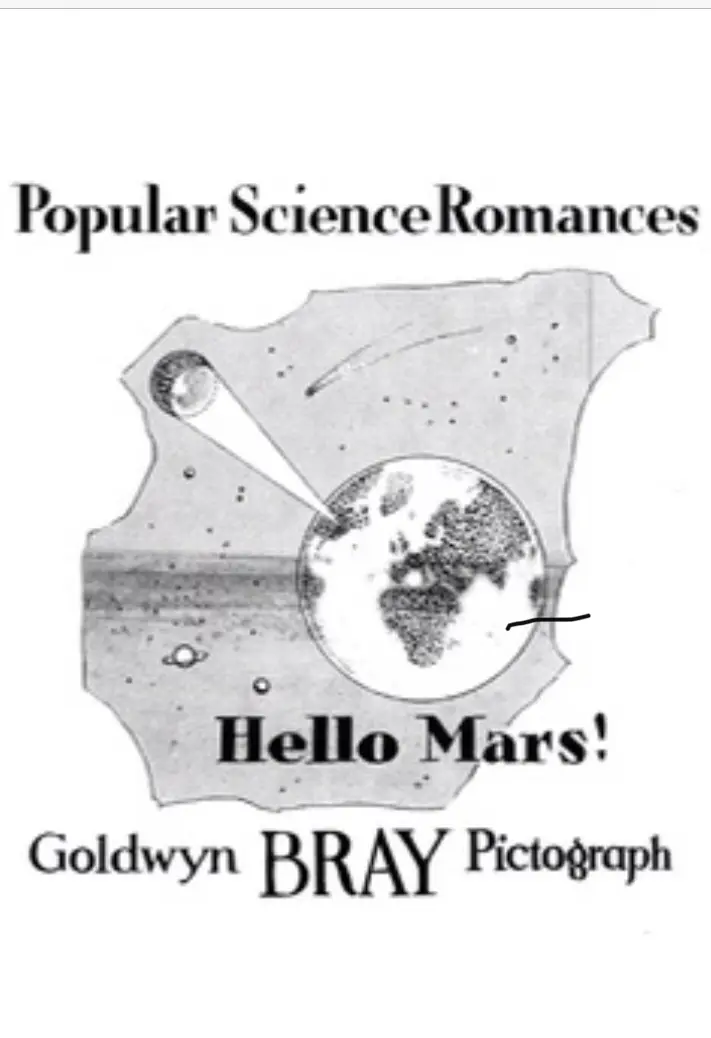
publicity

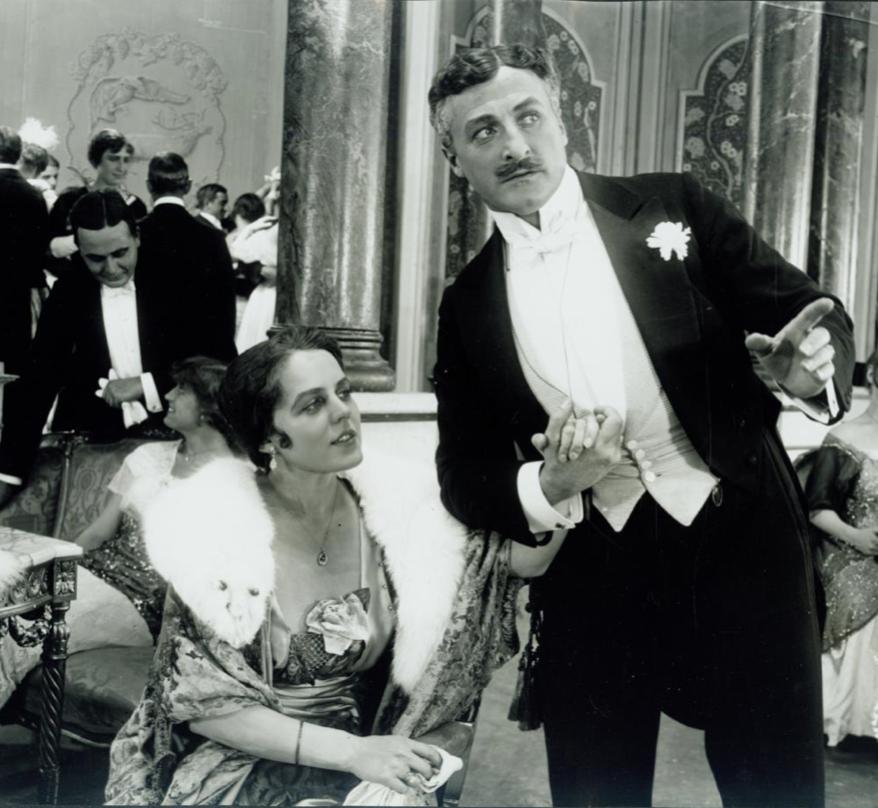
Comparing the cinematic DNA and archive impact of two defining moments in cult history.
Max Fleischer

Unknown Director
Community
Log in to comment.
" A rusted bullet of celluloid shot into the constellations of absurdity, Hello, Mars! lands in 2024 like a bootleg comet nobody ordered yet everybody will claim they tracked first. Max Fleischer—yes, that Max, the cartoon alchemist who bent Betty Boop into rubbery immortality—here moonlights as a zero-gravity Charlie Chaplin, his face a porcelain plate onto which the cosmos smears jam of existential panic. He never speaks; he doesn’t need to. His eyebrows carry on a Chekhovian dialogue while h..."
1920 · IMDb —
Unknown Director