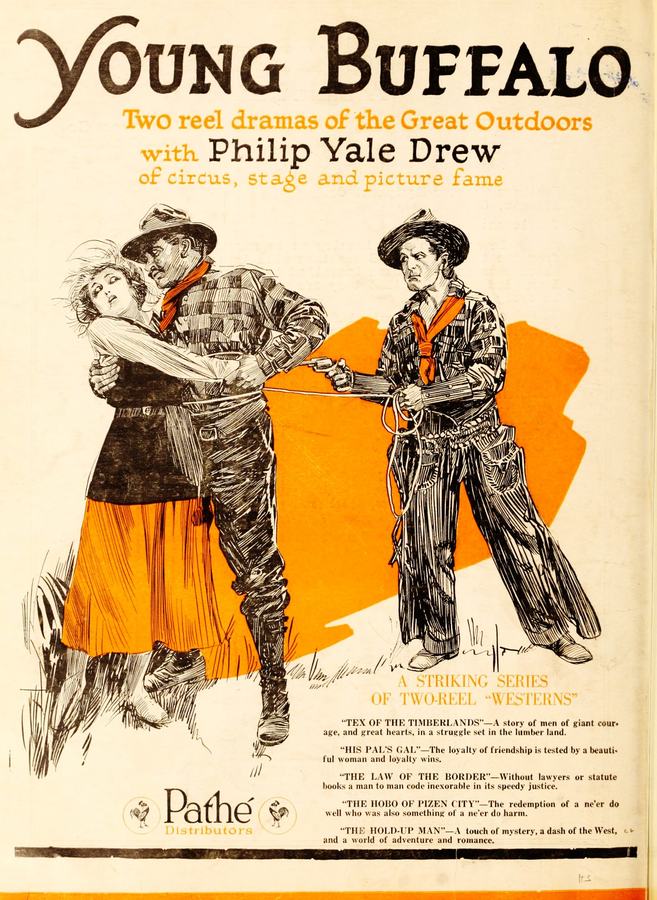
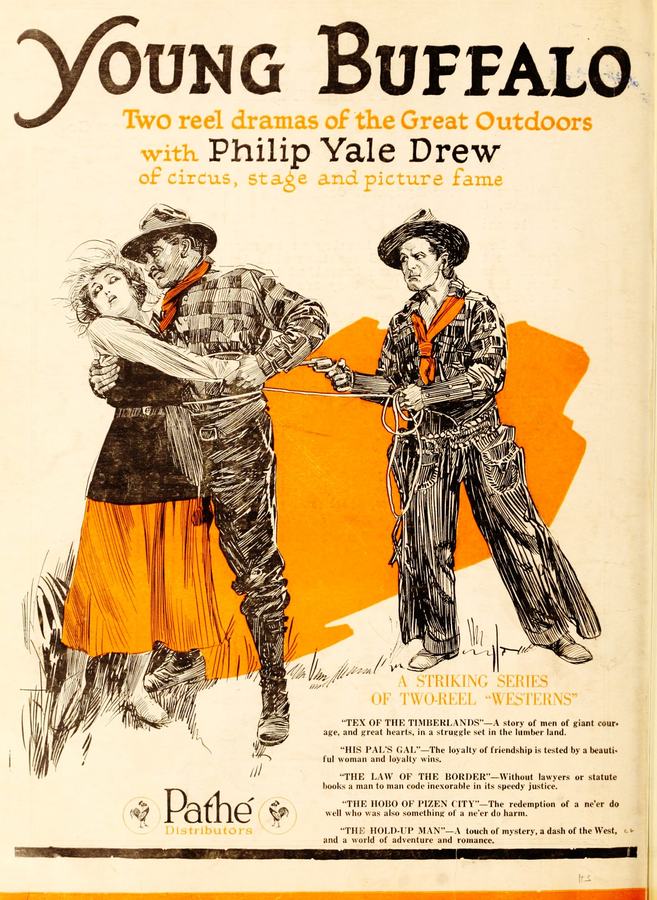
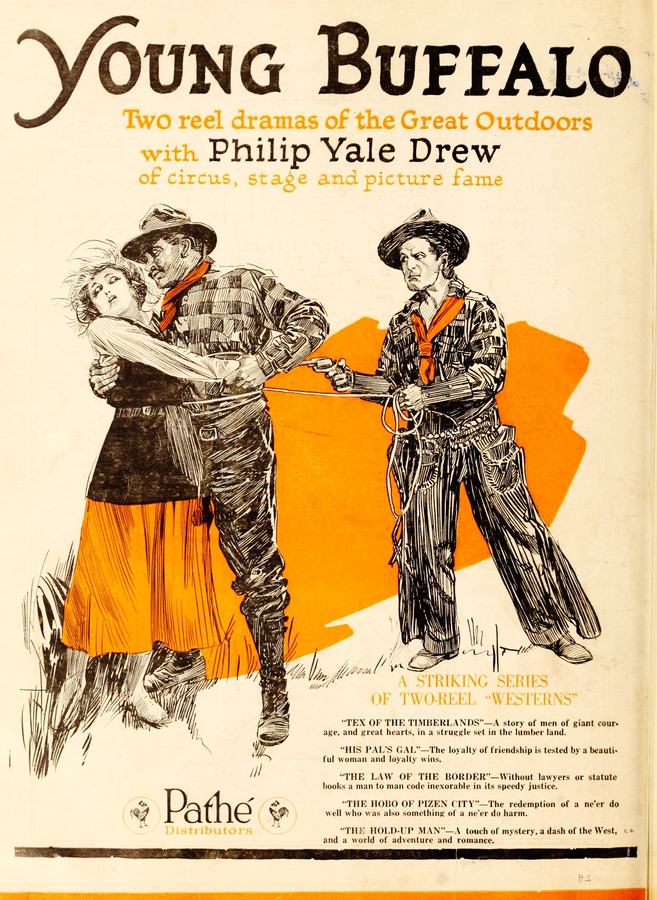
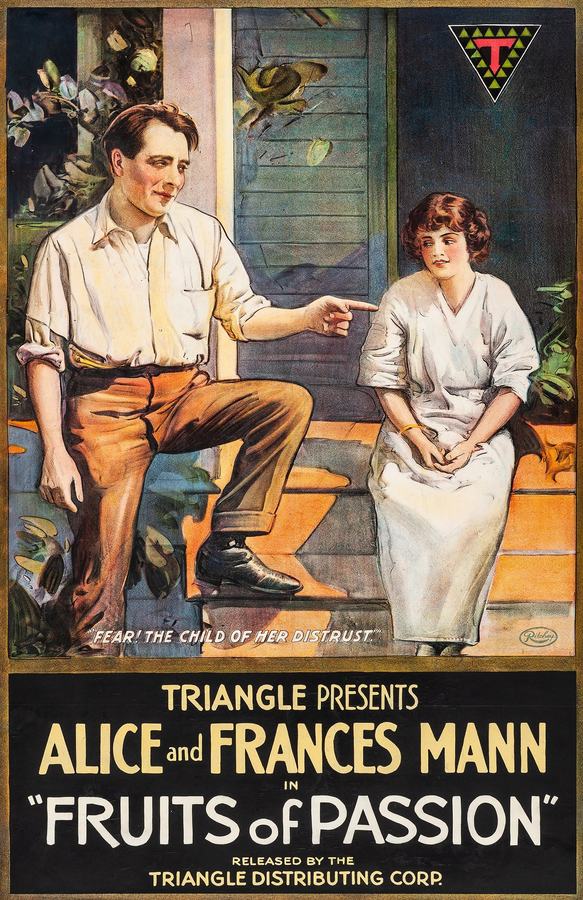
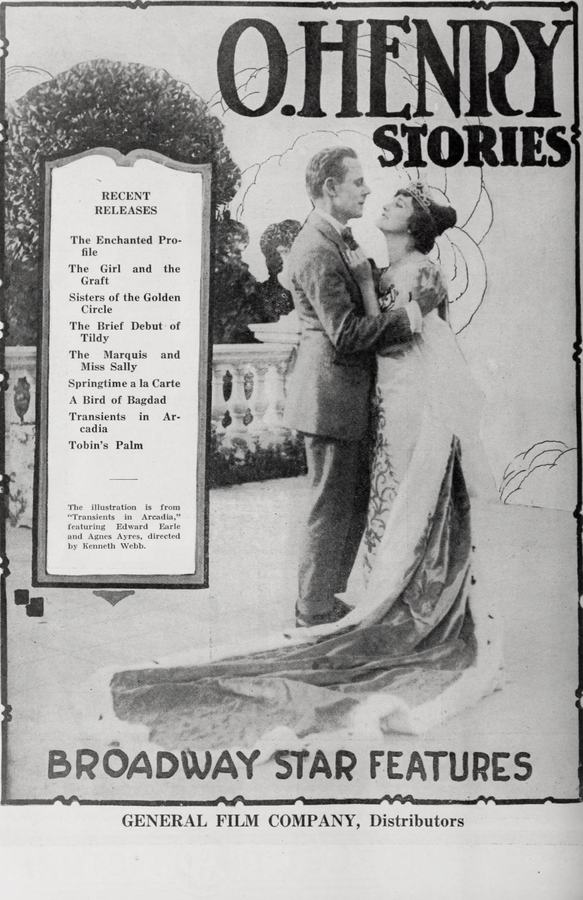
Tex, after warning his pal to keep away from the gang at the saloon, finds him dead by the roadside. His pal's girl arriving at the cabin, from the East, finds favor with Tex; and when she is about to return home they both discover that they do not want to part, and together they seek a clergyman.
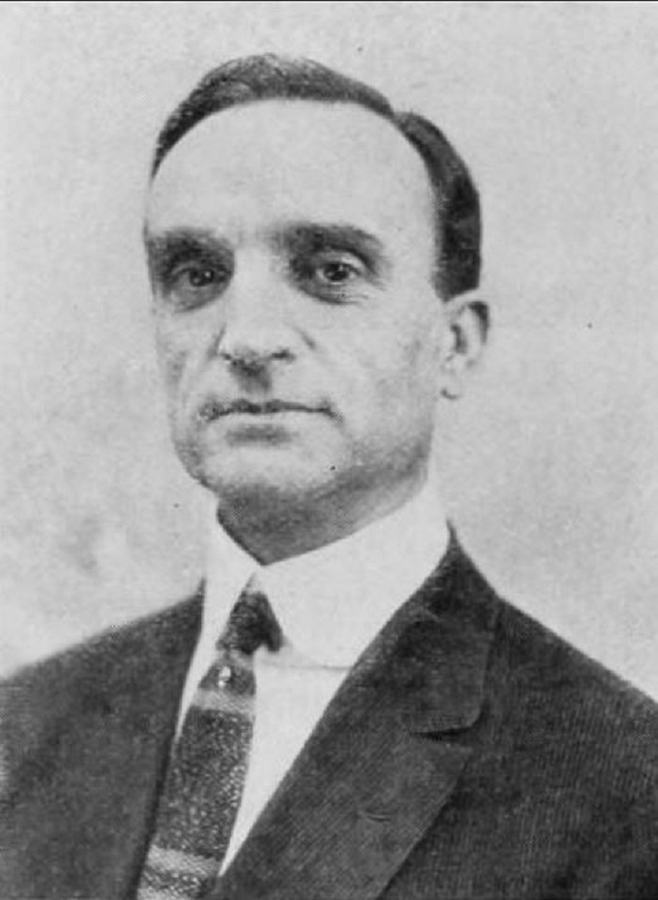
William Addison Lathrop
United States
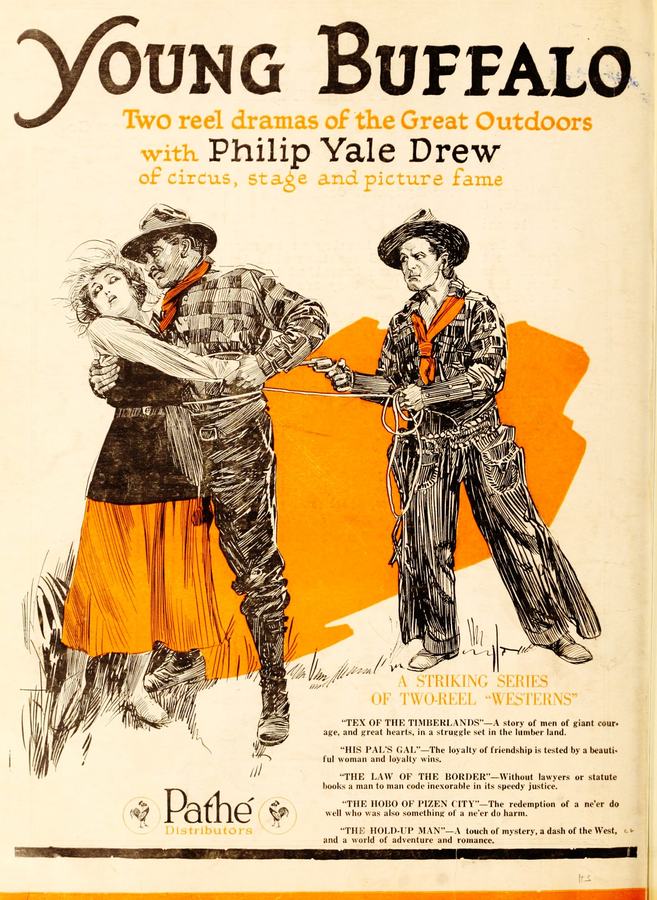
“In the hush between gun-crack and amen, love learns to speak without subtitles.” Picture the American West not as John Ford’s Monument but as a tintype soaked in kerosene: images flicker, emulsion buckles, and faces bleach until eyes become lanterns of ancestral sorrow. His Pal’s Gal arrives like a half-remembered ...
Comparing the cinematic DNA and archive impact of two defining moments in cult history.
George Ridgwell

Reggie Morris
Community
Log in to comment.
" “In the hush between gun-crack and amen, love learns to speak without subtitles.” Picture the American West not as John Ford’s Monument but as a tintype soaked in kerosene: images flicker, emulsion buckles, and faces bleach until eyes become lanterns of ancestral sorrow. His Pal’s Gal arrives like a half-remembered prayer from 1916, a one-reel mirage directed by the now-obscure William Addison Lathrop, whose very name sounds like a character that wandered out of an Ambrose Bierre dérive. The ..."