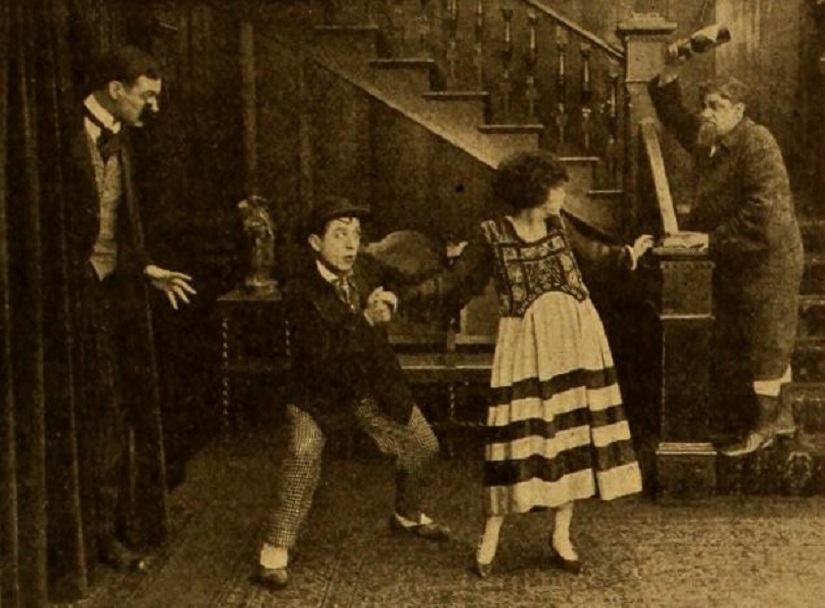
Jerry, a hobo, is chased by a pair of policemen after accidentally interrupting their dice game and later woos a farm girl to get breakfast..
United States
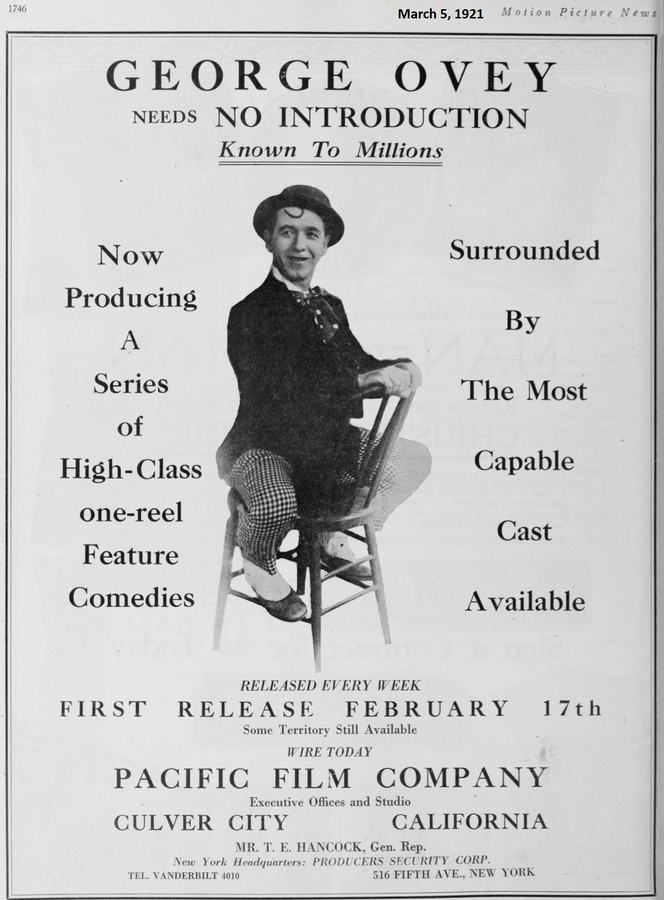
The year 1916 represents a peculiar, fertile nexus in the evolution of cinematic grammar. While the world was embroiled in the mechanical slaughter of the Great War, the fledgling film industry in America was refining the art of the 'short'—a format that demanded an economy of movement and a density of visual gag-telli...
Comparing the cinematic DNA and archive impact of two defining moments in cult history.
Milton J. Fahrney
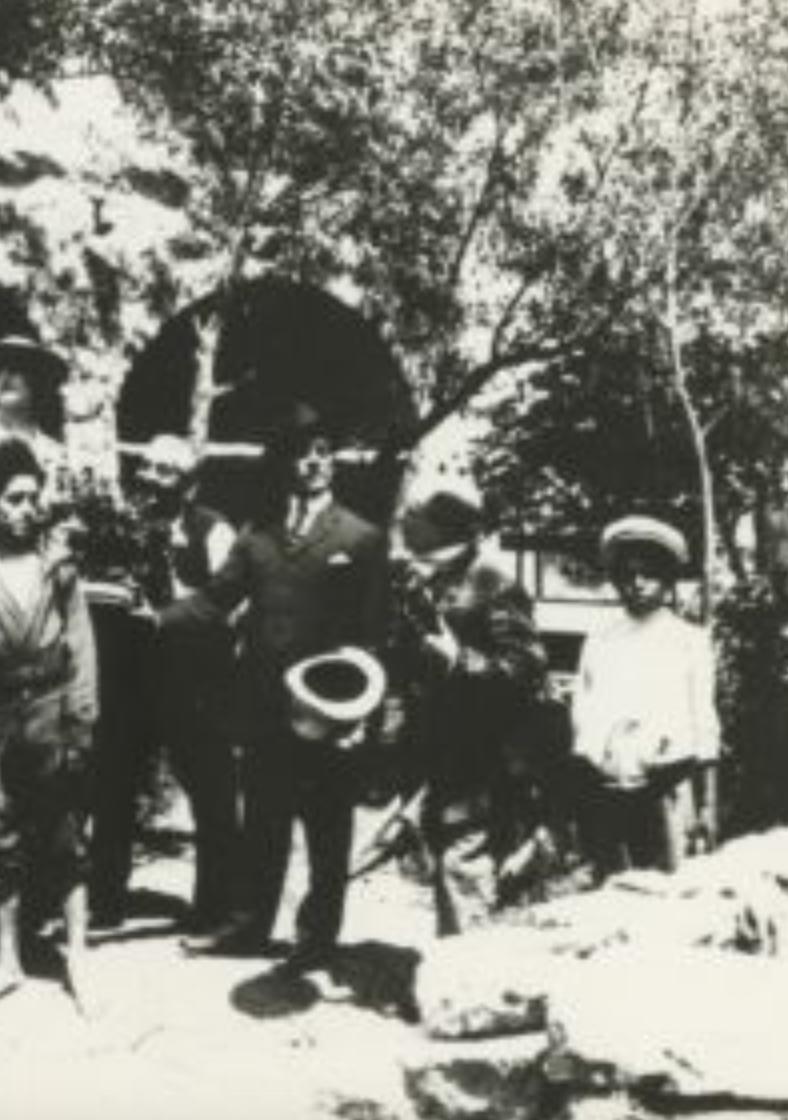
Eduardo Notari
Community
Log in to comment.
"The year 1916 represents a peculiar, fertile nexus in the evolution of cinematic grammar. While the world was embroiled in the mechanical slaughter of the Great War, the fledgling film industry in America was refining the art of the 'short'—a format that demanded an economy of movement and a density of visual gag-telling. Holding His Own, directed with a frantic yet surprisingly precise cadence, serves as a quintessential artifact of this era. It features George Ovey, a performer whose physicali..."
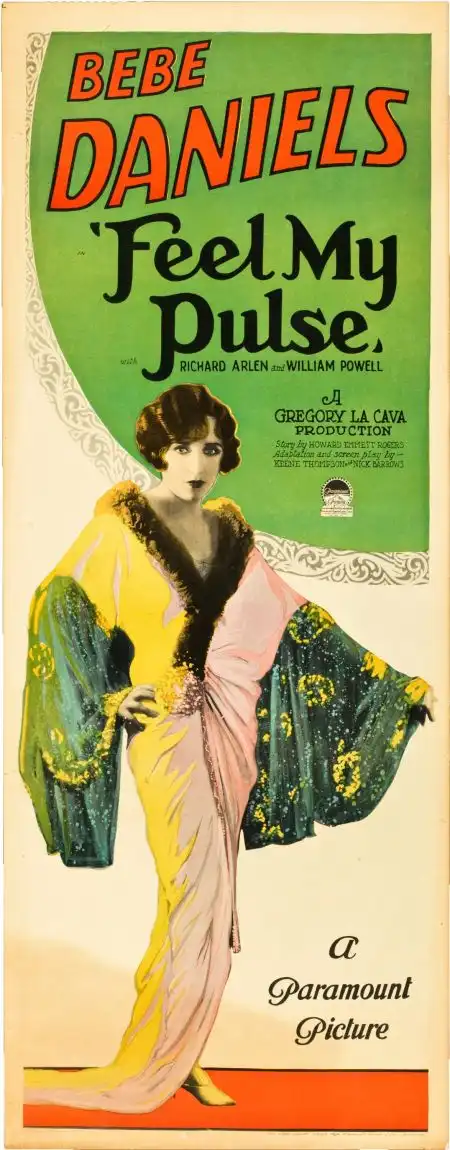
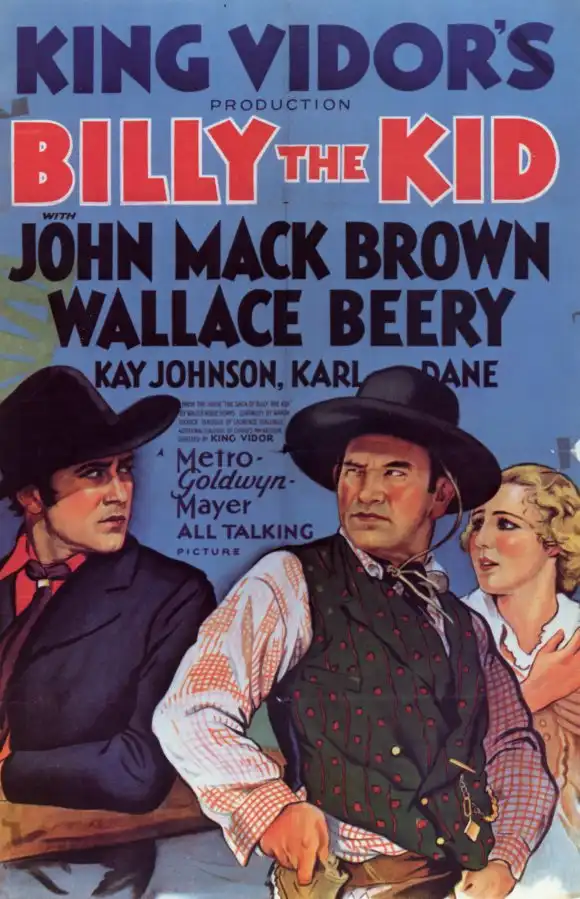
Deep dive into the cult classic
Discover similar cinematic experiences
A Directorial Spotlight on Milton J. Fahrney