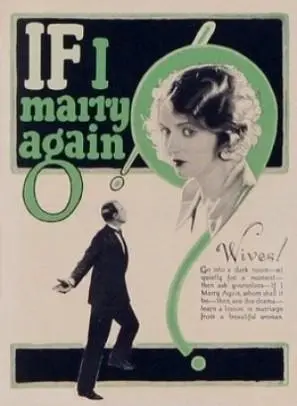
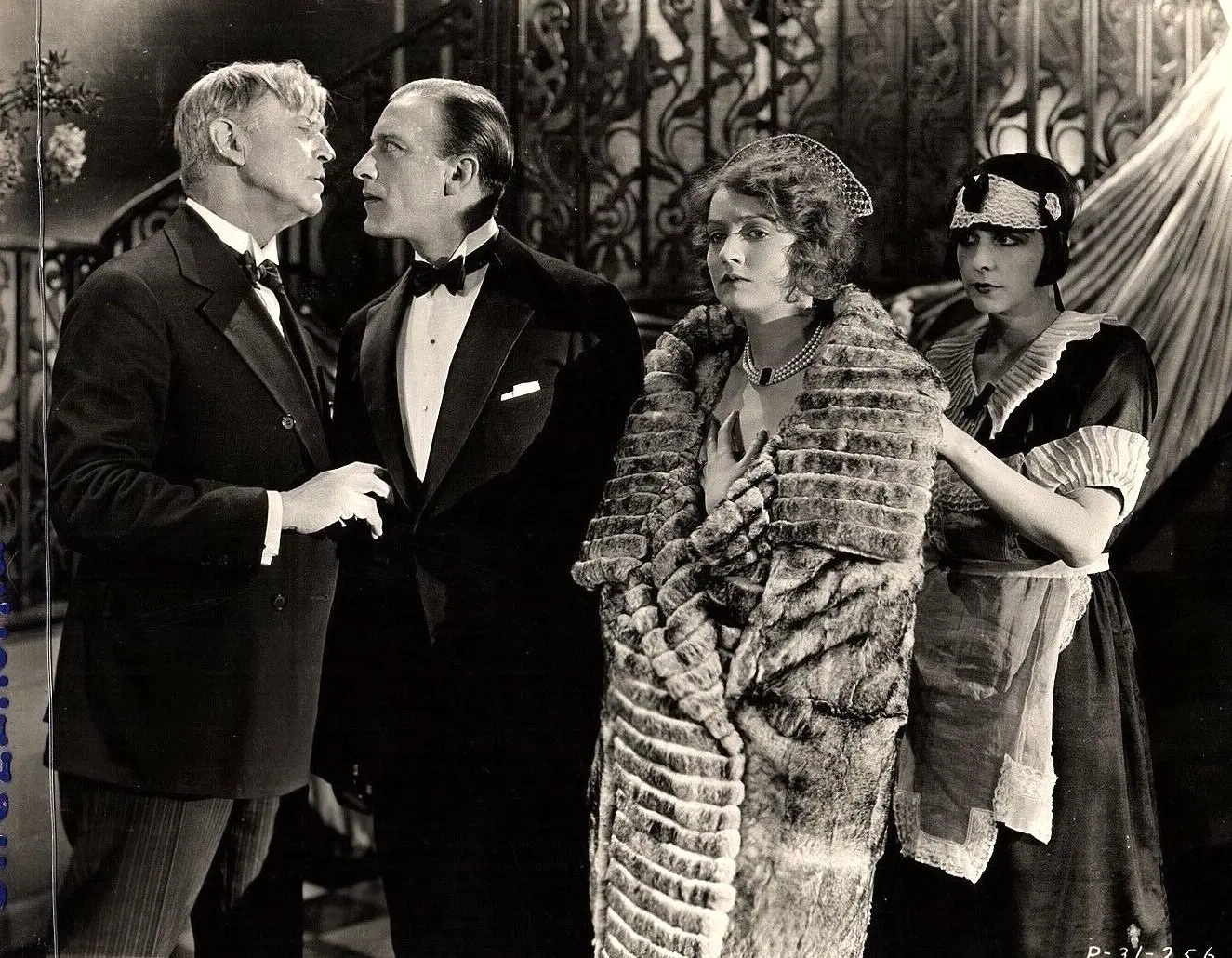
When his son marries a woman whose mother is the madame of a brothel, a wealthy father in San Francisco disowns him. The newlyweds travel to the South Seas, where he gets a job on a plantation.
The cinematic landscape of the mid-1920s was often a battleground between Victorian moralism and the burgeoning complexities of the Jazz Age. If I Marry Again, directed with a keen eye for social stratification, stands as a quintessential artifact of this era. It is a film that doesn't merely depict a family rift; it ...
still_frame
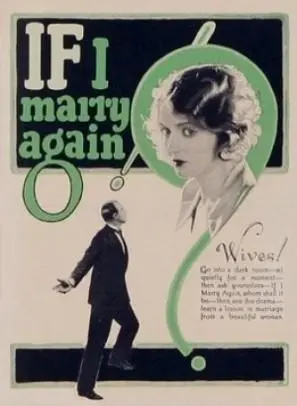
production_art
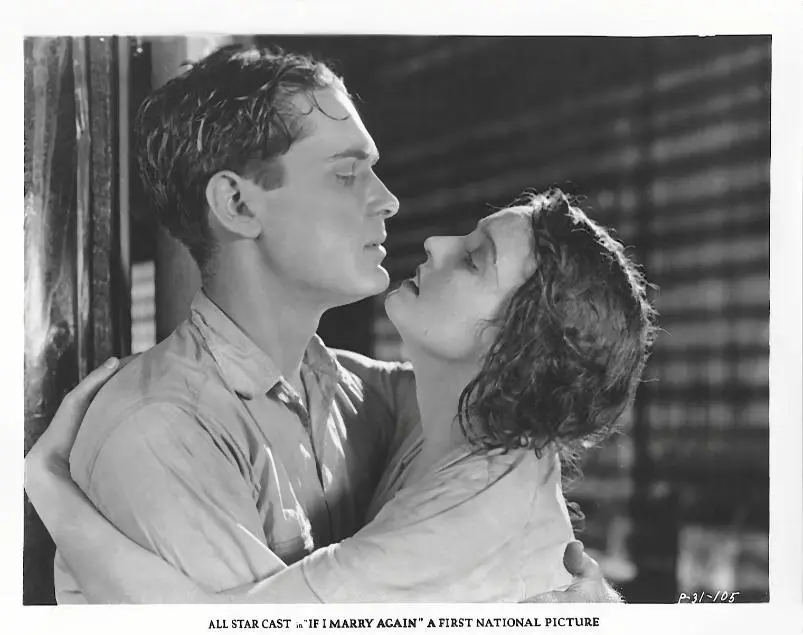
production_art
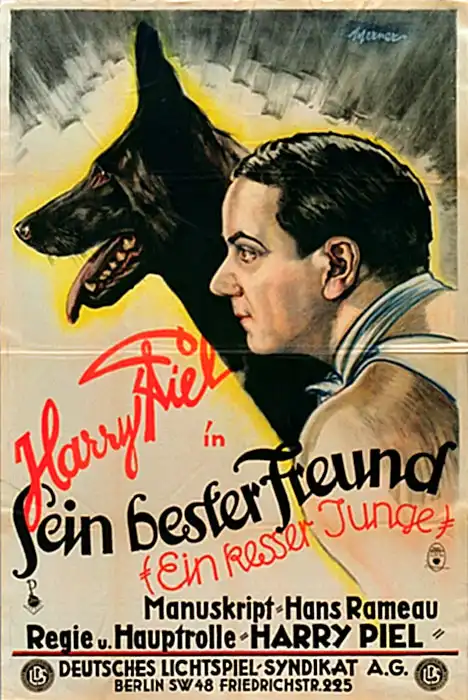
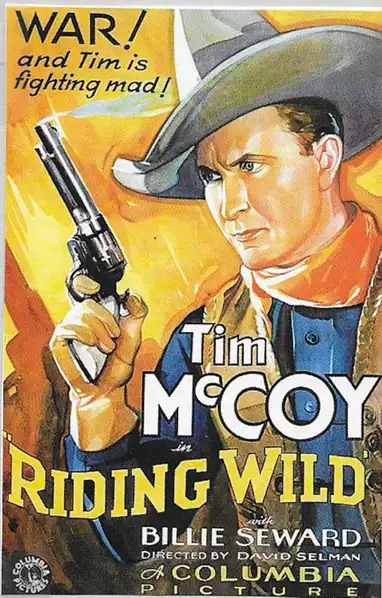
Comparing the cinematic DNA and archive impact of two defining moments in cult history.
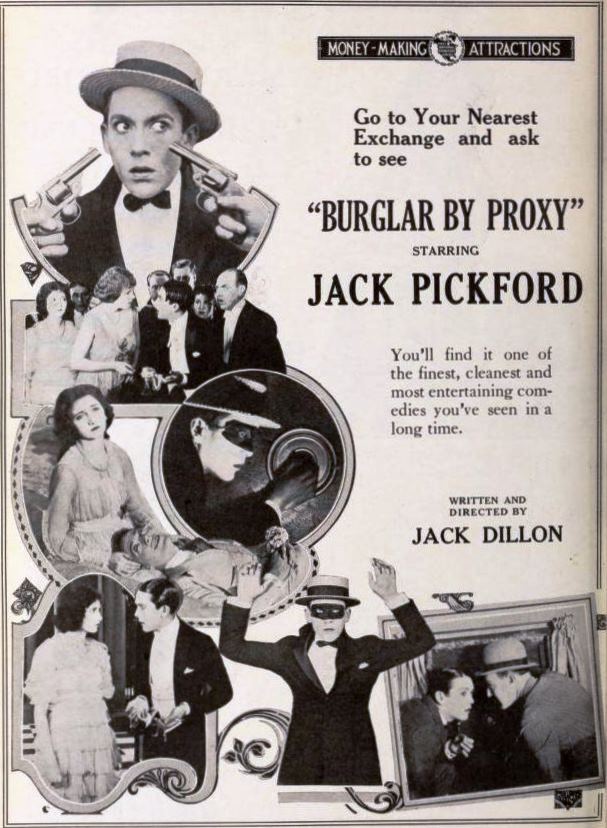
John Francis Dillon
John Francis Dillon
Community
Log in to comment.
" The cinematic landscape of the mid-1920s was often a battleground between Victorian moralism and the burgeoning complexities of the Jazz Age. If I Marry Again, directed with a keen eye for social stratification, stands as a quintessential artifact of this era. It is a film that doesn't merely depict a family rift; it interrogates the very marrow of class-based prejudice. While many contemporary films like The Italian focused on the immigrant struggle, this narrative turns its gaze inward, towar..."
Kenneth B. Clarke, Gilbert Frankau
United States

Deep dive into the cult classic
Discover similar cinematic experiences
A Directorial Spotlight on John Francis Dillon