Summary
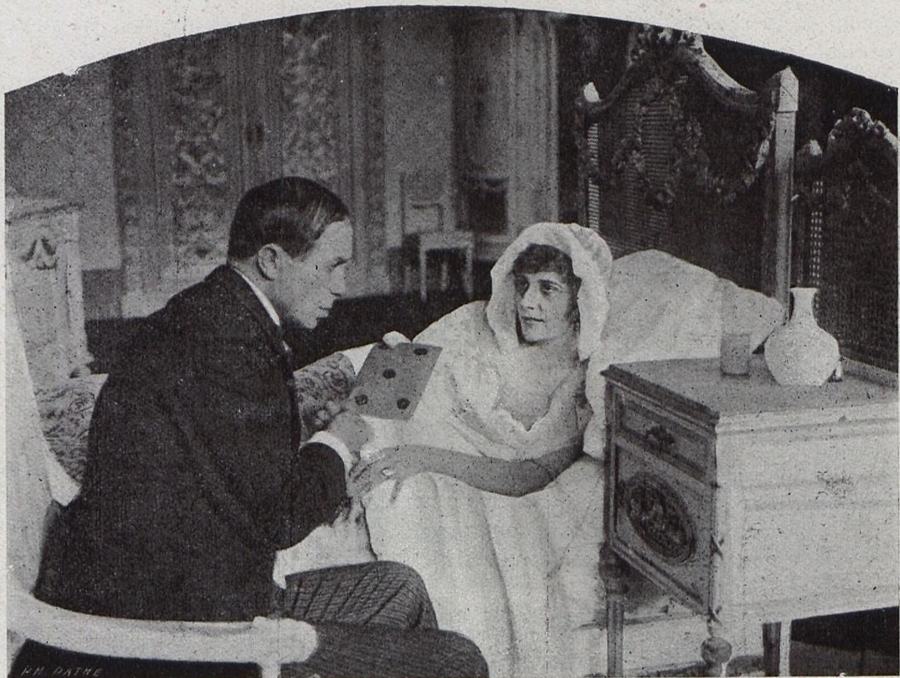
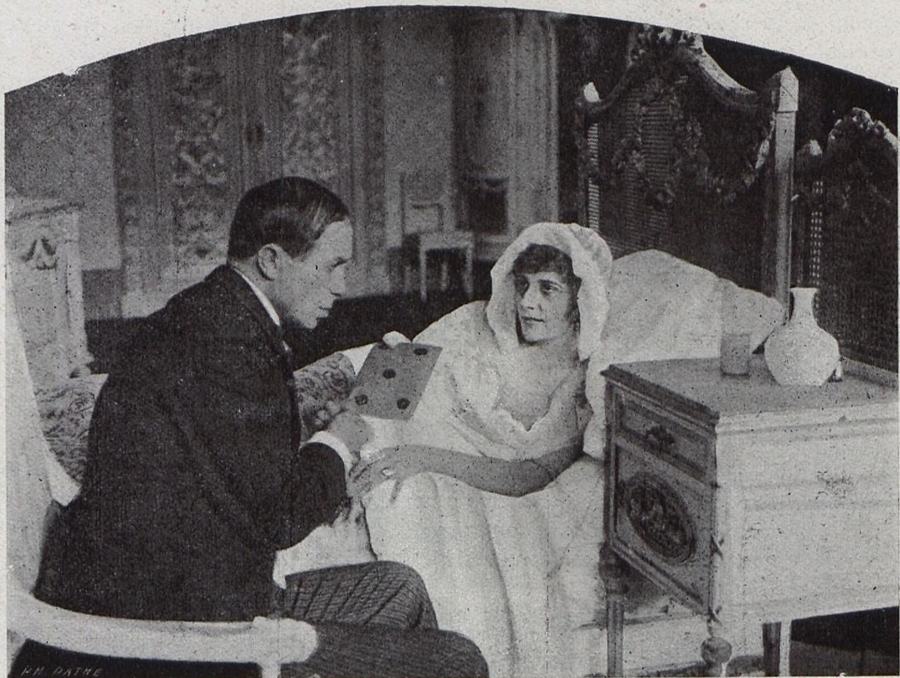
A tremulous beam of celluloid moonlight, Fiamma simbolica distills the entire fin-de-siècle psyche into one incandescent hour. Against charcoal alleys and candle-blistered parlors, a nameless lantern-bearer—played by Raimondo Van Riel with the hollow gaze of a man who has already witnessed his own funeral—haunts porticoes where marble saints seem to perspire. Each night he plants a wrought-iron lamp-post whose glass panes ooze crimson like a wound that refuses to scab; townsfolk swear the flame inside spells out their secret shames in shifting calligraphy of soot. Enter Berta Nelson’s mysterious seamstress, pockets full of needles bent into cruciforms, convinced the wandering lamp is a reliquary for her still-born dreams. Their paths intersect inside a deconsecrated basilica where frescoes peel into serpentine curls, revealing hidden tableaux of earlier sins—Luigi Maggi’s gaunt prefect wrings his hands beneath them, convinced municipal order can smother metaphysical fire. Ugo Gracci’s anarchist printer—ink under every fingernail—scatters broadsides that read: “Whoever carries light also drags shadow.” Meanwhile Rina Maggi, the prefect’s consumptive daughter, pirouettes on rooftop ledges, trailing paper cut-outs of swans she will never release, her death-rattle cough providing the film’s relentless metronome. The narrative arc refuses catharsis: each act of arson or benediction merely deepens the chiaroscuro. In the penultimate reel, the lantern-bearer unscrews the hot lens and presses its blistering circle against his palm, branding himself with a sigil that morphs onscreen into an iris-framed ember—an ontological stigmata sealing the parable: illumination and scorch are indivisible. When the final shot freezes on the town’s aqueduct—now a colossal guttering candle—viewers realize the symbolic flame was never external; it is the film stock itself, curling, igniting, threatening to consume its own tale in a sputter of nitrate ecstasy.
Review Excerpt
"
A century-old nitrate fever dream, Fiamma simbolica flickers like a sulphur match struck inside the viewer’s ribcage—its glow both revelation and brand.
Imagine, if you dare, a film that refuses the complacent safety of narrative teleology. Instead it offers a recursive loop: every gesture toward enlightenment births fresh umbra. The titular flame—never merely literal—becomes a parasitic halo, fastening onto each character’s yearning until the celluloid itself seems to sweat kerosene.
Visual..."