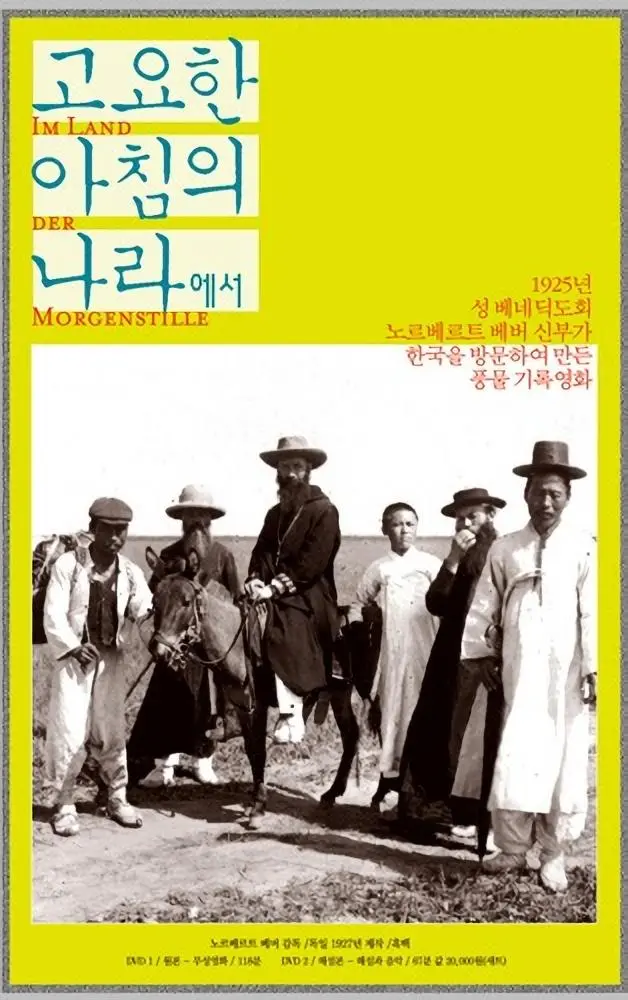
"In the Land of the Silent Morning" was filmed in 1925 by Father Norbert Weber (1870-1956), abbot of the German Order of St. Benedictine Ottilien, during his second visit to Korea.
Is 'In the Land of Morning Calm' worth watching today? Short answer: absolutely, but with significant caveats that demand a conscious viewing. This isn't a film for passive entertainment; it's a profound historical artifact best suited for scholars, cultural anthropologists, and anyone deeply interested in early 20th-c...
Comparing the cinematic DNA and archive impact of two defining moments in cult history.
Norbert Weber
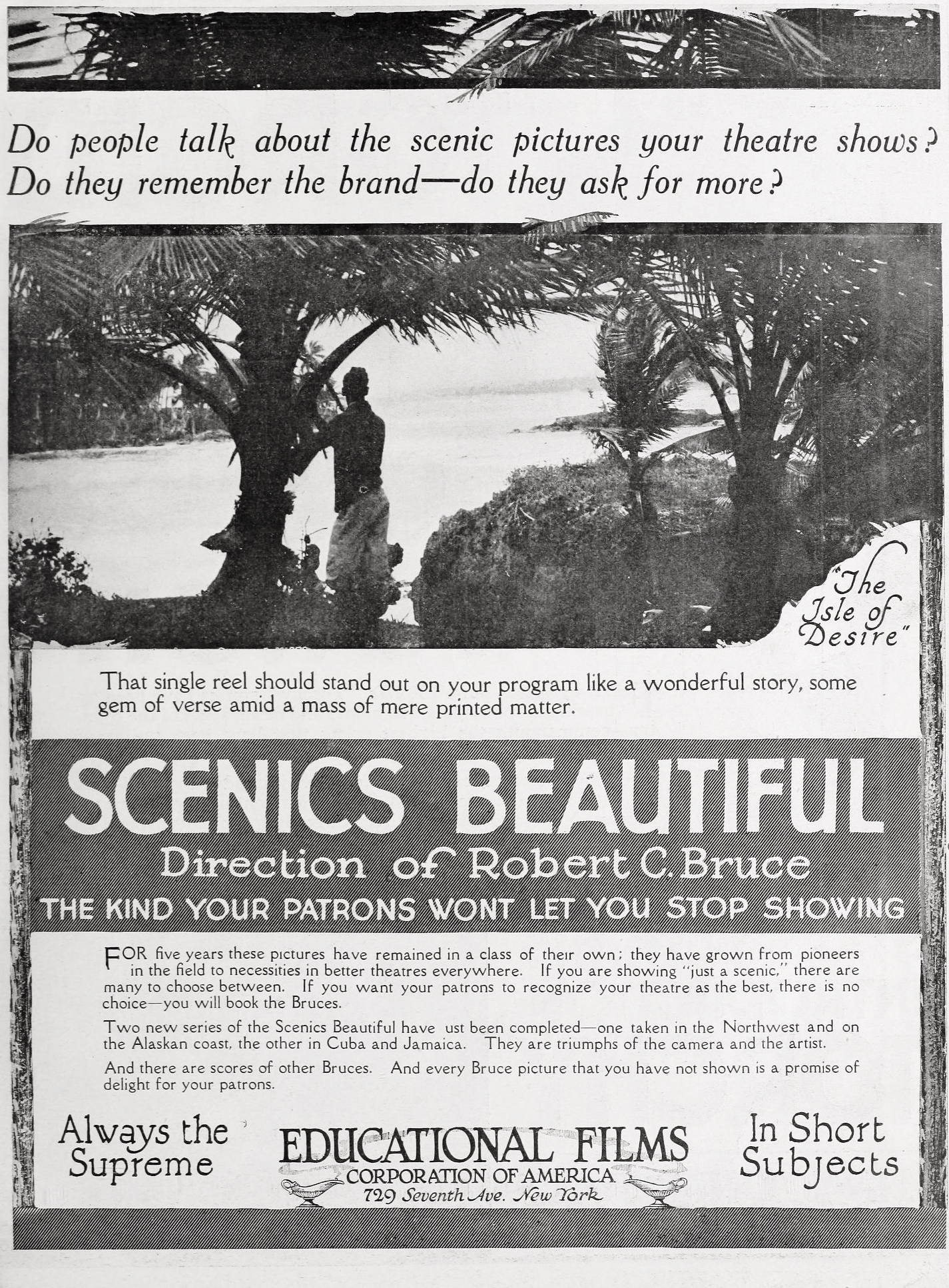
Robert C. Bruce
Community
Log in to comment.
"Is 'In the Land of Morning Calm' worth watching today? Short answer: absolutely, but with significant caveats that demand a conscious viewing. This isn't a film for passive entertainment; it's a profound historical artifact best suited for scholars, cultural anthropologists, and anyone deeply interested in early 20th-century Korean life and the complexities of missionary ethnography. It is decidedly not for those seeking conventional narrative cinema, an uncritical celebration of its era, or a p..."
Deep dive into the cult classic
Discover similar cinematic experiences
A Directorial Spotlight on Norbert Weber