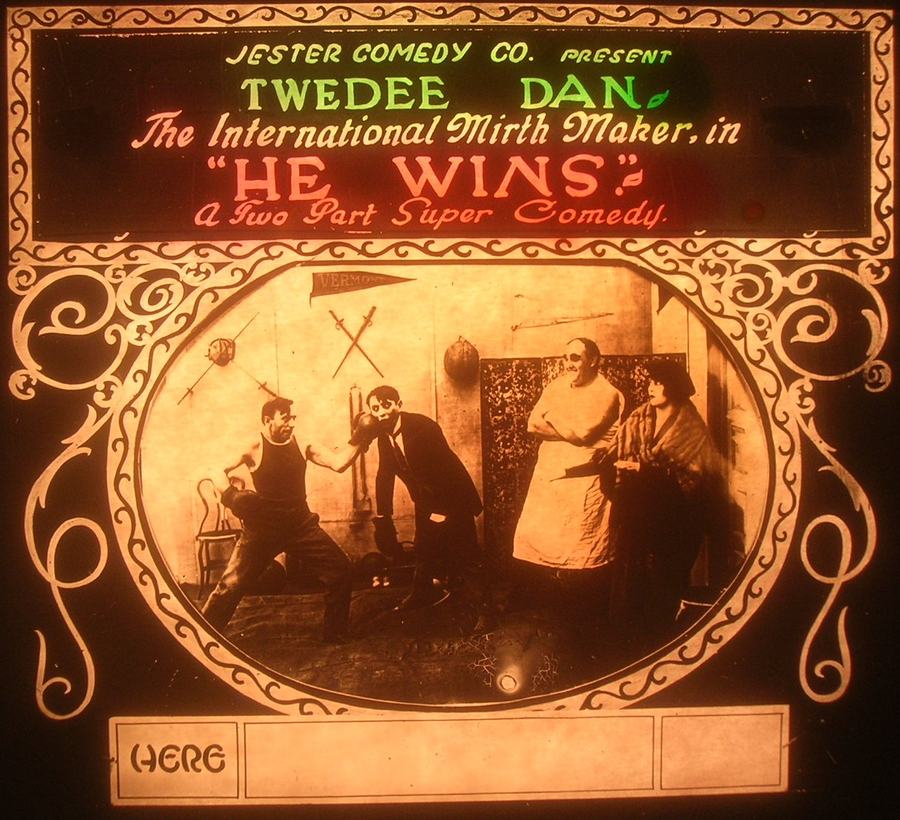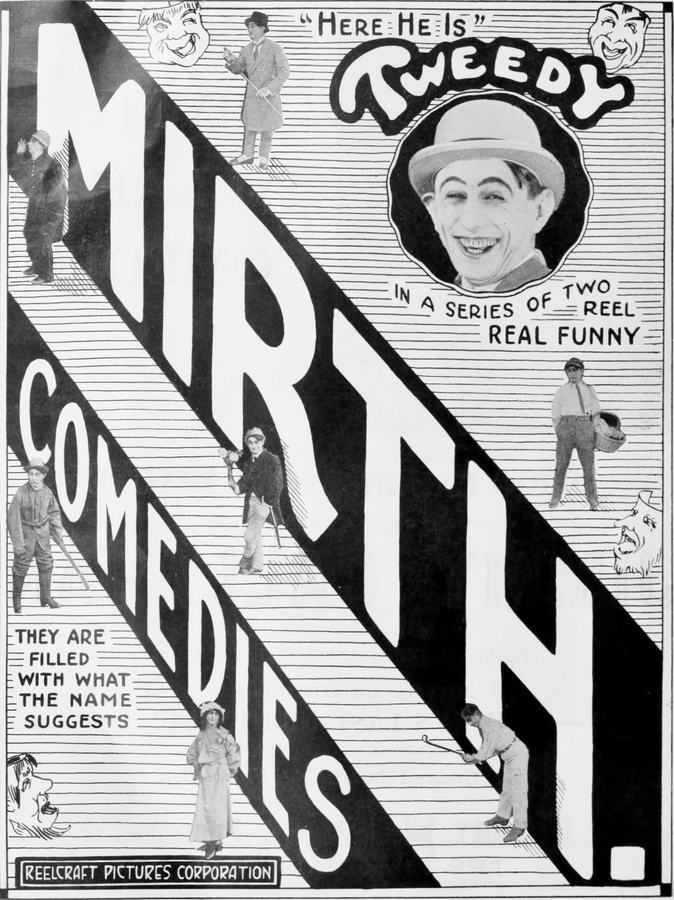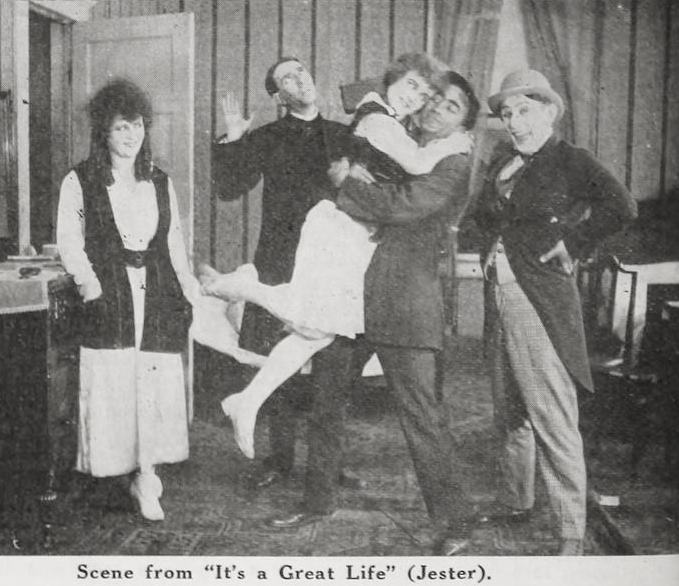
The Elasticity of Failure: Revisiting Marcel Perez To understand the silent film era is to acknowledge a hierarchy of clowns, yet beneath the monolithic shadows of Chaplin and Keaton lies the vibrant, peripatetic legacy of Marcel Perez. In his 1918 masterclass, It's a Great Life, Perez—operating und...
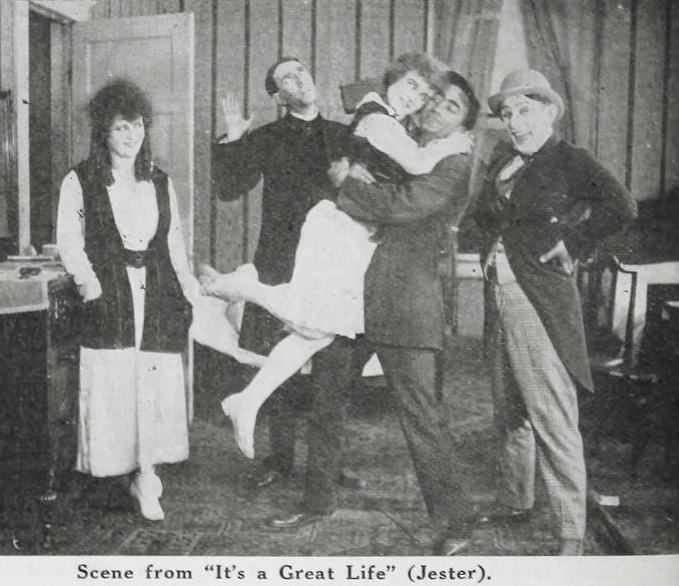
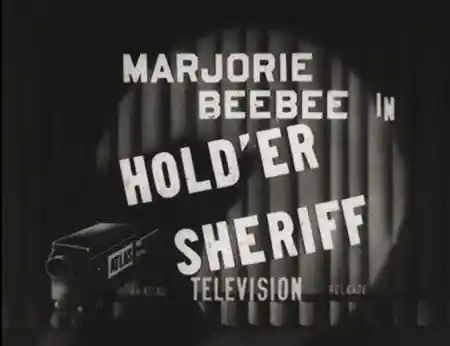
still_frame
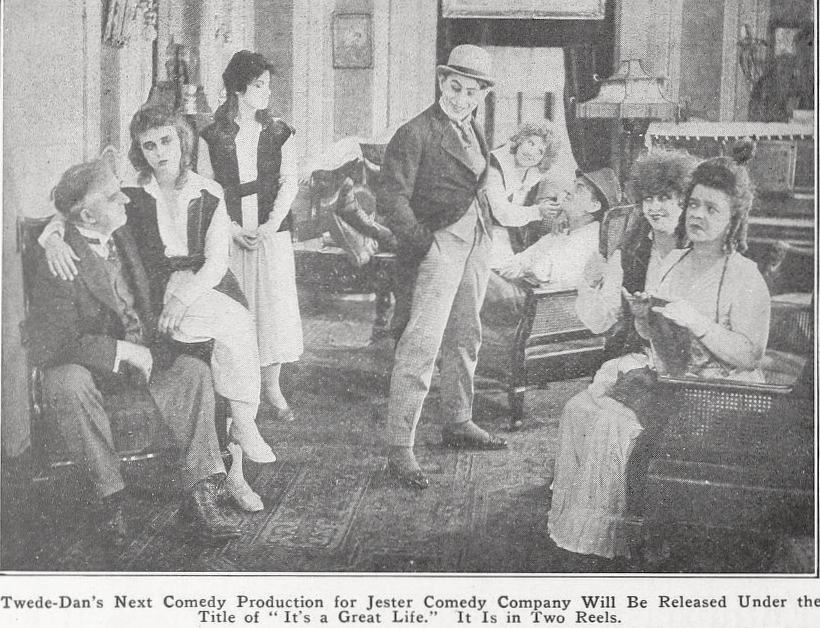
still_frame
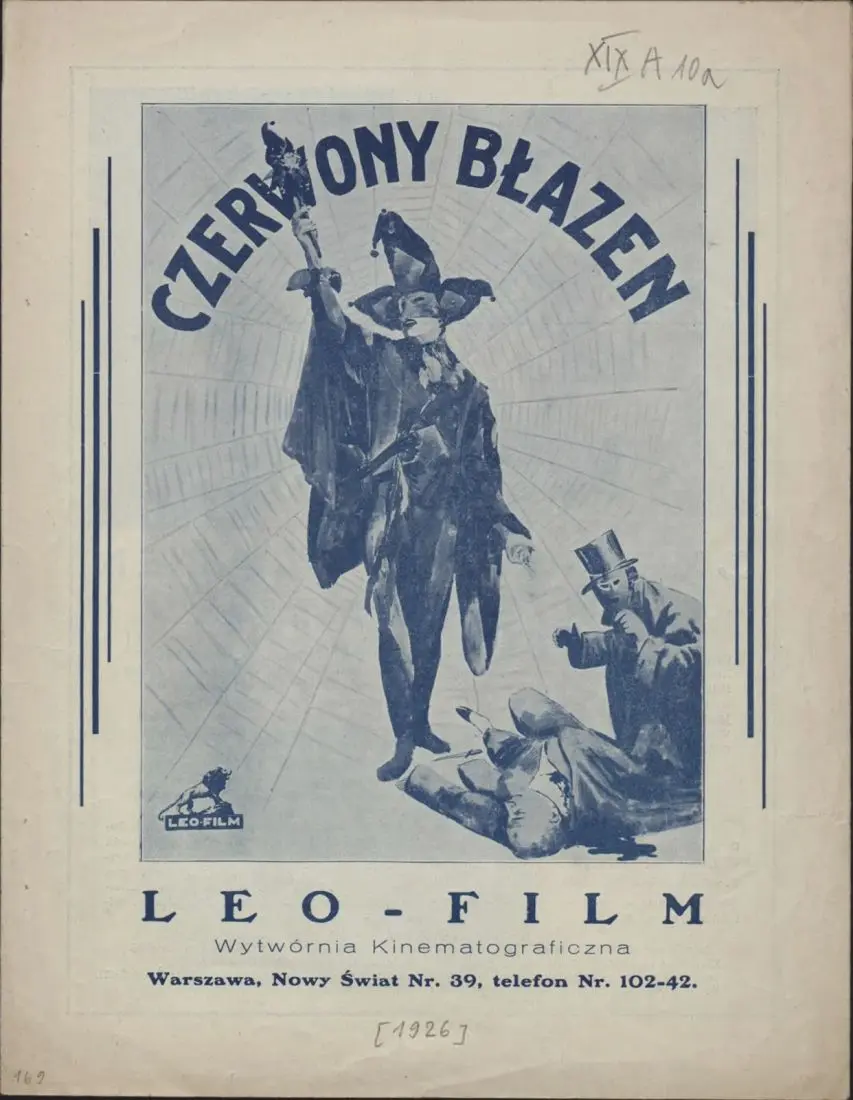
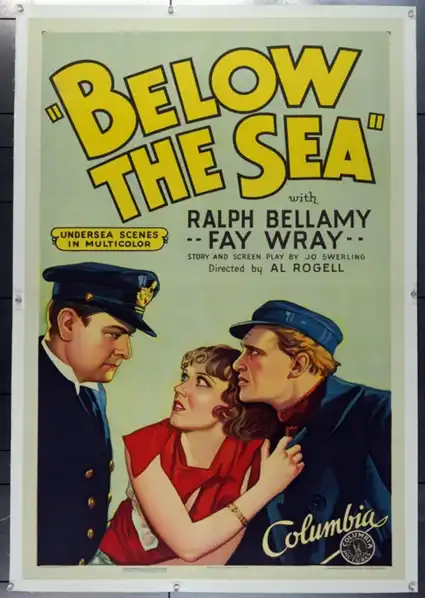
Comparing the cinematic DNA and archive impact of two defining moments in cult history.
Marcel Perez
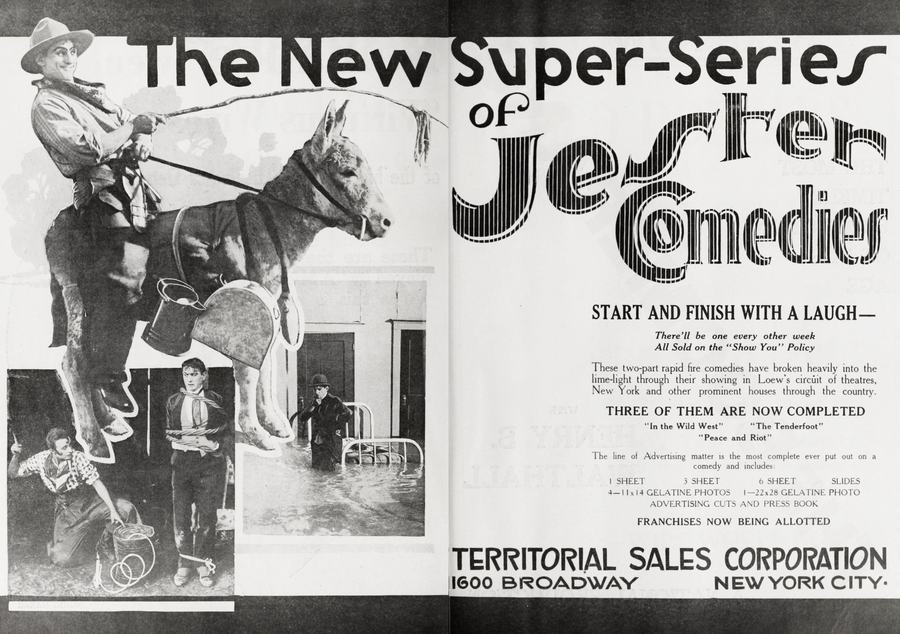
Marcel Perez
Community
Log in to comment.
" The Elasticity of Failure: Revisiting Marcel Perez To understand the silent film era is to acknowledge a hierarchy of clowns, yet beneath the monolithic shadows of Chaplin and Keaton lies the vibrant, peripatetic legacy of Marcel Perez. In his 1918 masterclass, It's a Great Life, Perez—operating under his 'Tweedy' moniker—crafts a frantic tapestry of urban survival that feels surprisingly modern in its cynicism. While many of his contemporaries were exploring the heavy-handed..."
Deep dive into the cult classic
Discover similar cinematic experiences
A Directorial Spotlight on Marcel Perez