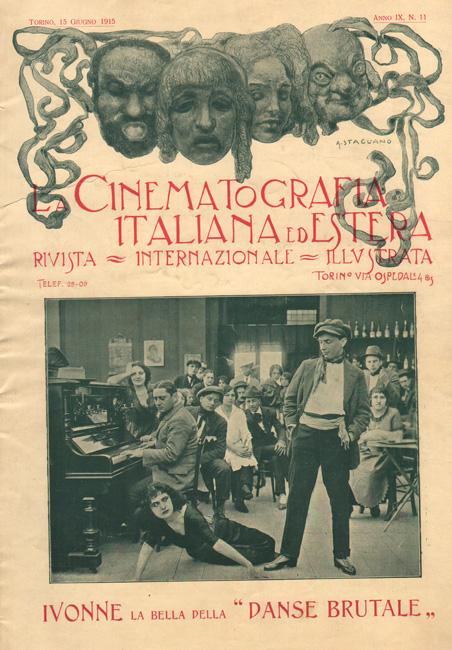
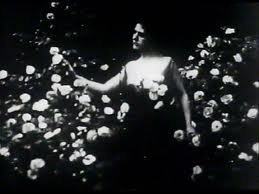
Ivonne is a vulgar, loose, promiscuous and a passionate danseuse at the tavern. Countess Edith is an angelic creature, exquisitely elegant, a finite and aristocratic heiress.
Renzo Chiosso
Italy
The Untamed Heart and the Gilded Cage: A Deep Dive into 'Ivonne, la bella danzatrice' There are films that merely tell a story, and then there are cinematic experiences that etch themselves into the very fabric of one's consciousness, challenging perceptions and lingering long after the final frame flickers in...
Comparing the cinematic DNA and archive impact of two defining moments in cult history.
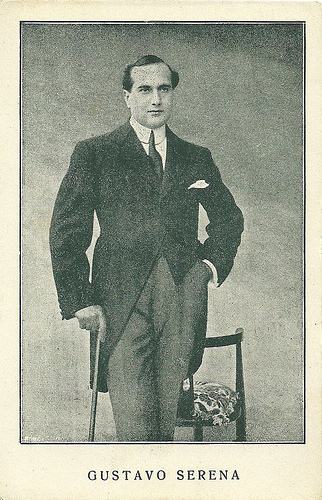
Gustavo Serena
Gustavo Serena
Community
Log in to comment.
" The Untamed Heart and the Gilded Cage: A Deep Dive into 'Ivonne, la bella danzatrice' There are films that merely tell a story, and then there are cinematic experiences that etch themselves into the very fabric of one's consciousness, challenging perceptions and lingering long after the final frame flickers into darkness. Renzo Chiosso's 'Ivonne, la bella danzatrice' belongs firmly in the latter category, a silent era masterpiece that, even today, pulsates with an astonishing vivacity a..."
Deep dive into the cult classic
Discover similar cinematic experiences
A Directorial Spotlight on Gustavo Serena