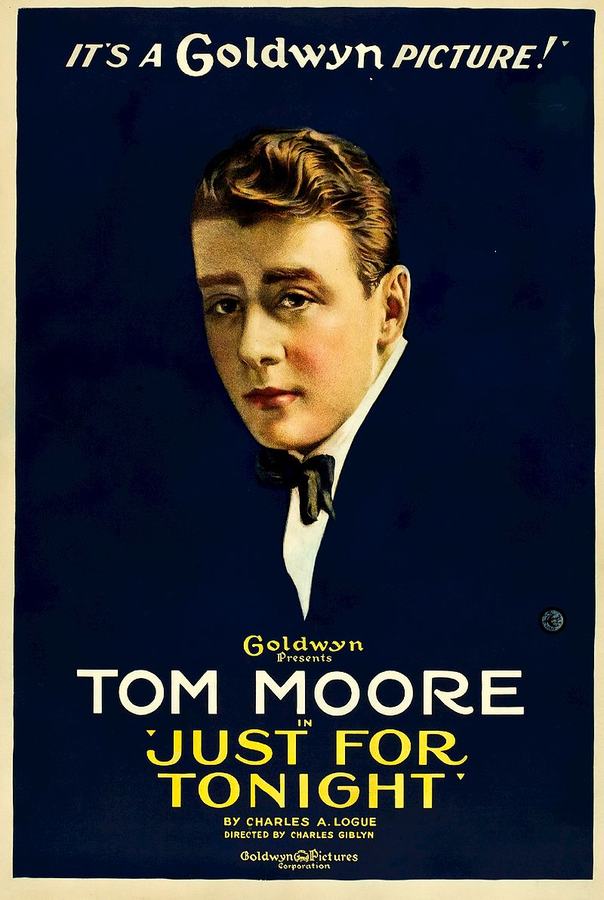
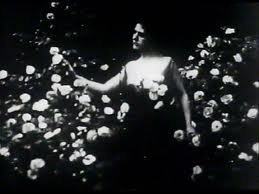
Summary
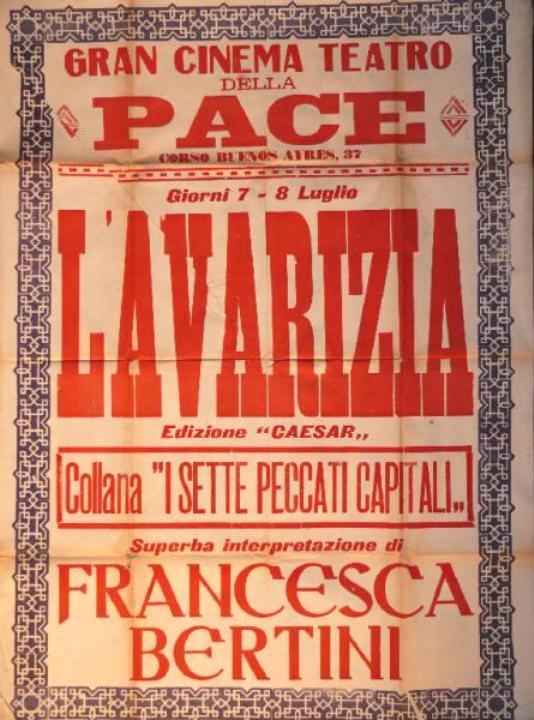
In the chiaroscuro of a Neapolitan alley where laundry flaps like tattered pennants of forgotten revolutions, Maria—her cheekbones carved by hunger and cinema light—clutches Luigi’s calloused palm as if it were the last coin in a bankrupt world. Their love is a defiant stanza scrawled on the margins of ledgers: two bodies without dowries, two mouths that taste only each other’s breath instead of the marzipan fortunes offered by silk-waistcoated suitors who arrive in carriages polished to a cruelty. Yet the city’s gossip is a sharper blade than any stiletto; a counterfeit letter, smelling of gardenias and conspiracy, whispers that Luigi has pawned Maria’s virtue to a ship-bound brothel. The lie detonates like a hand grenade wrapped in lace. She marries a chalk-white industrialist whose factories exhale orphans, and for a heartbeat of ballrooms and chandeliers Maria becomes Midas in a velvet gown—until she discovers the same manufactories consume Luigi’s lungs in sulphur. In the crucible of this betrayal she fires a single pistol shot; the marble foyer drinks blood like a baptism. Fortune vaporizes. Dragged through tribunals and flashbulbs, she is spat into the bassi—those fetid cellar warrens where Neapolitans once hid from plague—her silk traded for burlap, her name for the hiss of ‘assassina.’ Years calcify. One dusk, a scarred street busker humming Verdi outside a tavern recognizes the rasp: it is Luigi, half-blind, still singing their old tune. Their eyes lock across candle-smoke and poverty’s stench; time folds like wet paper, and the film leaves them suspended between retribution and forgiveness while the city above grinds another dawn.
Synopsis
Maria and Luigi love each other in spite of their poverty, while she resists her many wealthy suitors. But their mutual enemies figure out a lie that will separate them. Maria will become temporarily rich but then she will commit a crime and will divert into the slums. There Luigi will meet her again.
Review Excerpt
"
::selection{background:#0E7490;color:#fff}h2{color:#EAB308;margin:2.5rem 0 1rem;font-size:1.9rem;letter-spacing:.5px}a{color:#C2410C;text-decoration:none;border-bottom:1px dotted #C2410C}a:hover{color:#EAB308;border-color:#EAB308}blockquote{border-left:4px solid #0E7490;padding-left:1.2rem;margin:1.5rem 0;font-style:italic;color:#EAB308}
1. The Smell of Tallow and Temptation
Watch the first reel flicker and you can almost sniff the tallow candles that gutter in Giuseppe Paolo Pacchierotti’s cr..."