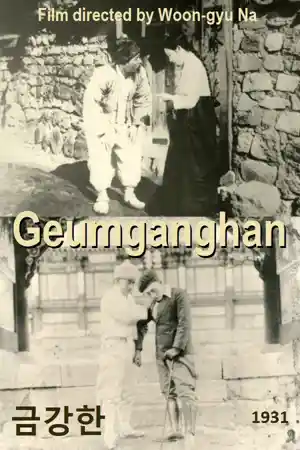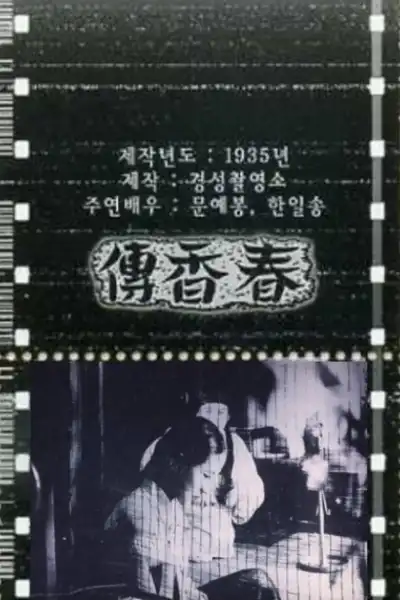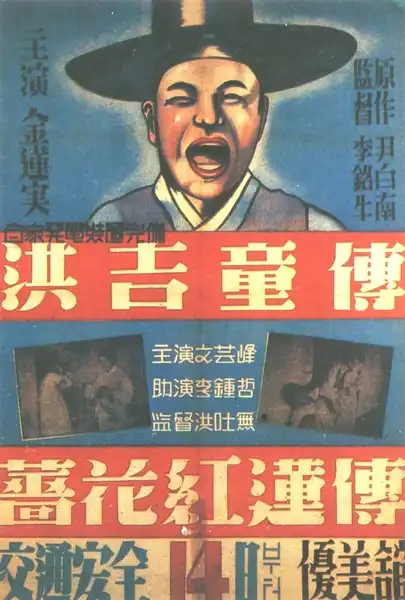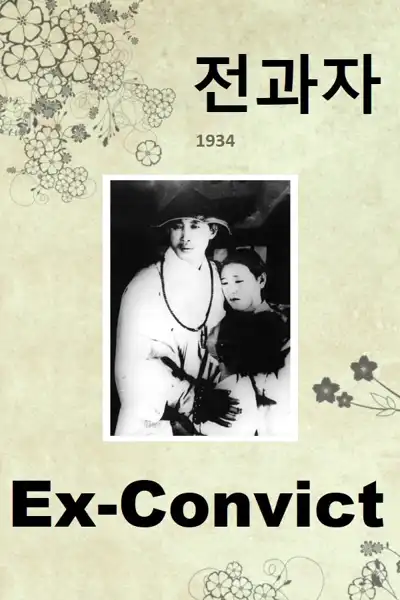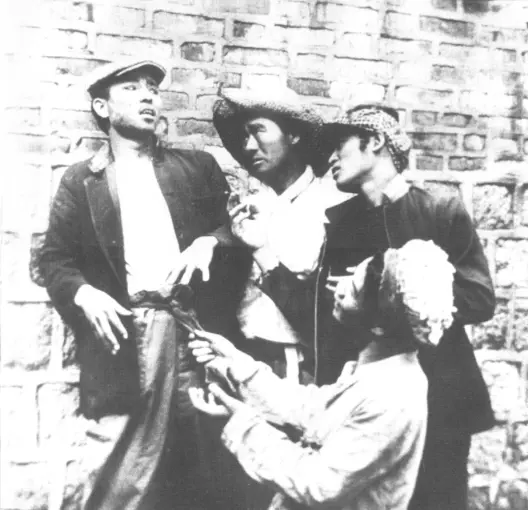
Is Jalitgeola worth seeking out in the modern era? Short answer: Yes, but only if you approach it as a historical excavation rather than a Friday night popcorn flick. This film is for the cinephile who values the roots of national identity and the raw power of silent-era performance. It is definitely not for anyone loo...

Comparing the cinematic DNA and archive impact of two defining moments in cult history.
Woon-gyu Na
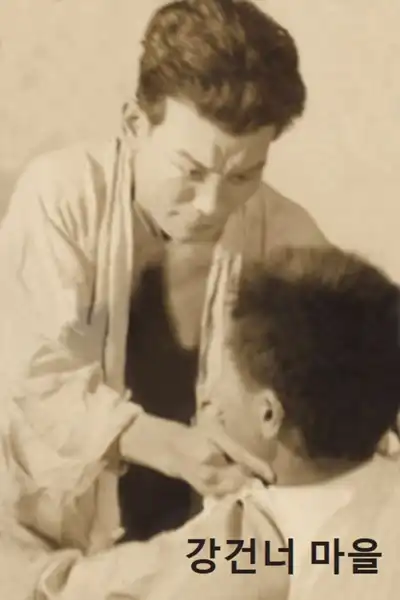
Woon-gyu Na
Community
Log in to comment.
"Is Jalitgeola worth seeking out in the modern era? Short answer: Yes, but only if you approach it as a historical excavation rather than a Friday night popcorn flick. This film is for the cinephile who values the roots of national identity and the raw power of silent-era performance. It is definitely not for anyone looking for high-definition spectacle or a fast-paced, linear narrative. It is a ghost of a film, a remnant of a time when cinema was the only voice for a silenced people. The Direct ..."