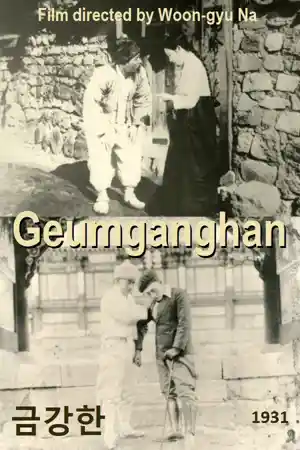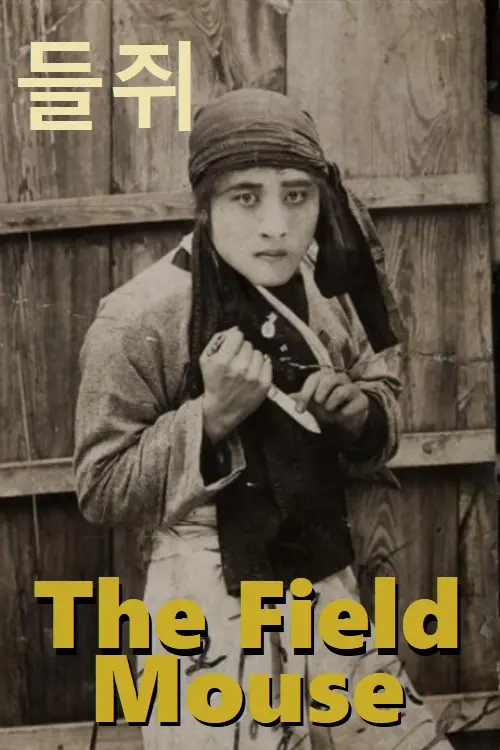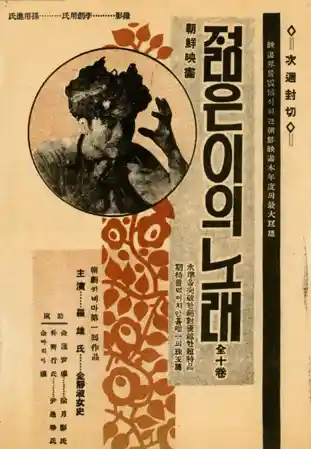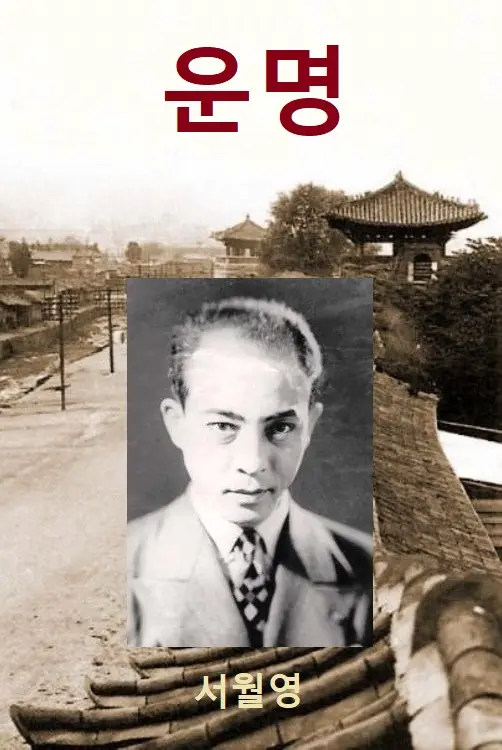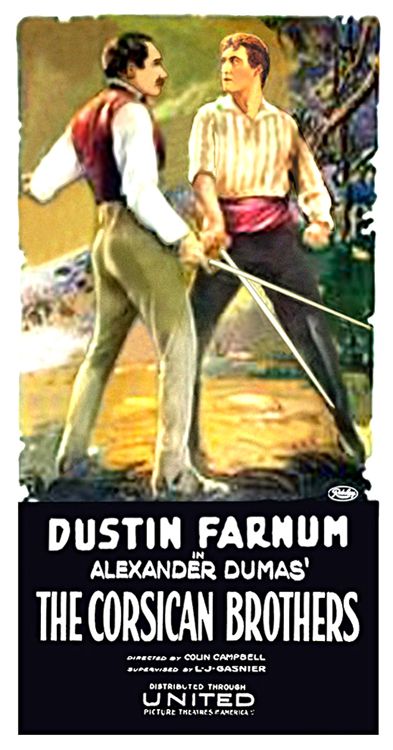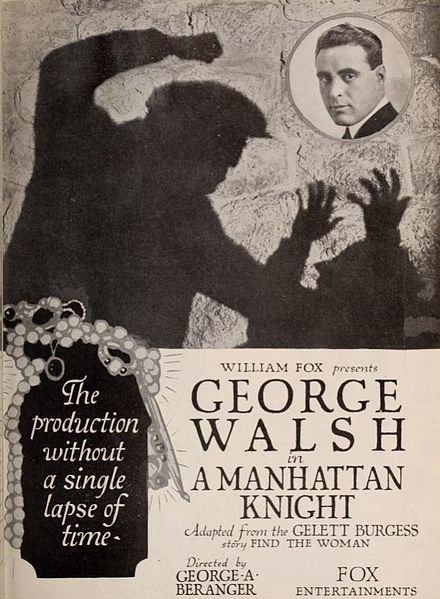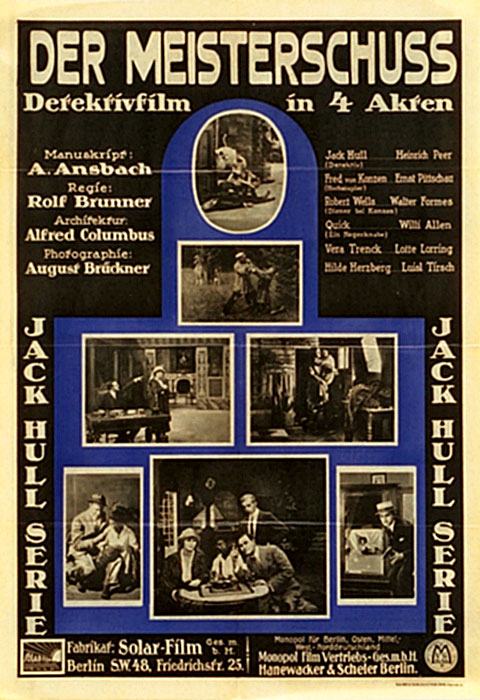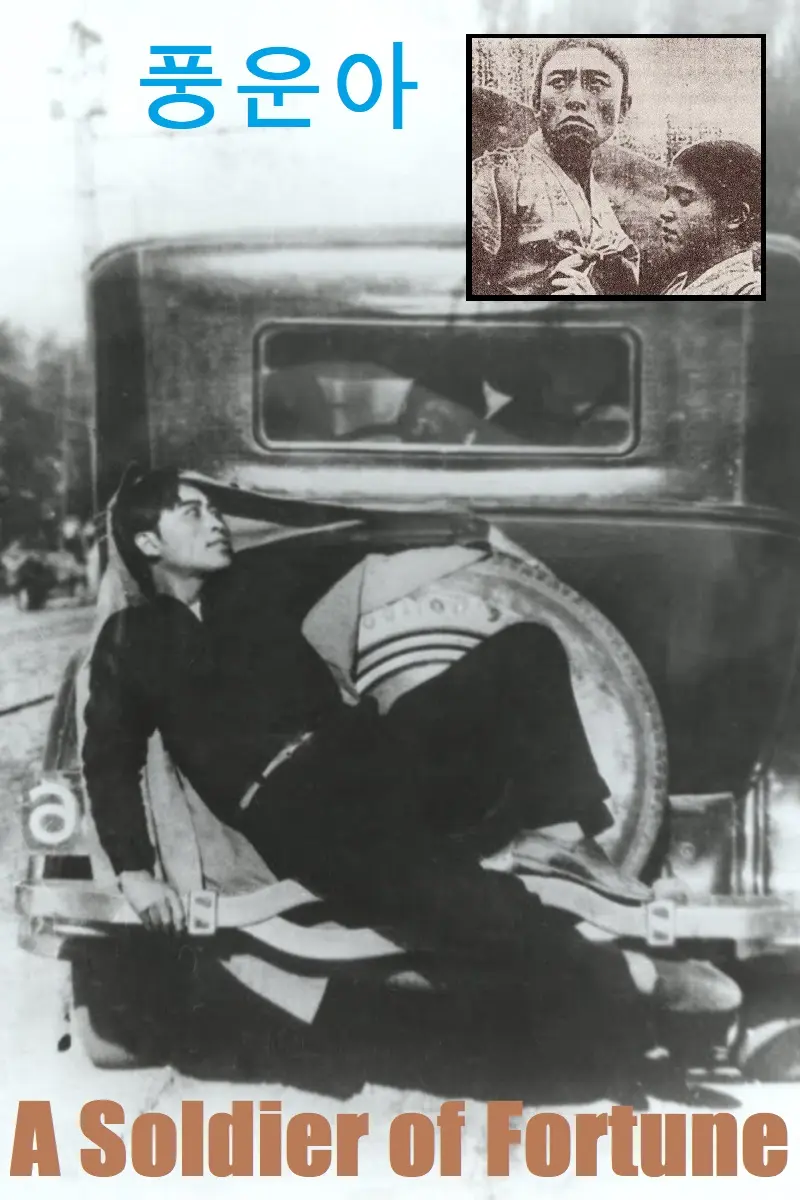
Is Punguna a relic worth dusting off for the modern viewer? Short answer: Yes, but only if you approach it as a vital piece of cinematic archaeology rather than a standard evening entertainment.This film is for the historian, the student of East Asian resistance, and those who find beauty in the flickering imperfection...


Comparing the cinematic DNA and archive impact of two defining moments in cult history.
Woon-gyu Na

Charles Swickard
Community
Log in to comment.
"Is Punguna a relic worth dusting off for the modern viewer? Short answer: Yes, but only if you approach it as a vital piece of cinematic archaeology rather than a standard evening entertainment.This film is for the historian, the student of East Asian resistance, and those who find beauty in the flickering imperfections of silent-era storytelling. It is emphatically not for anyone who requires high-definition clarity or the fast-paced editing of contemporary blockbusters.The Direct Verdict on Pu..."