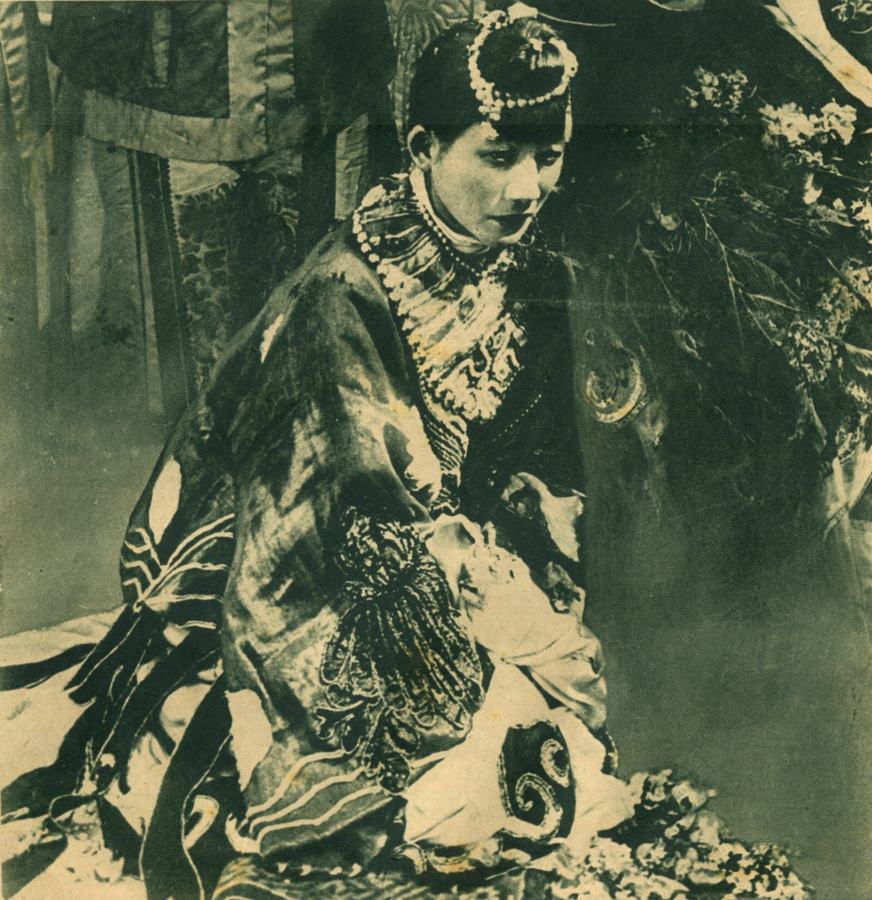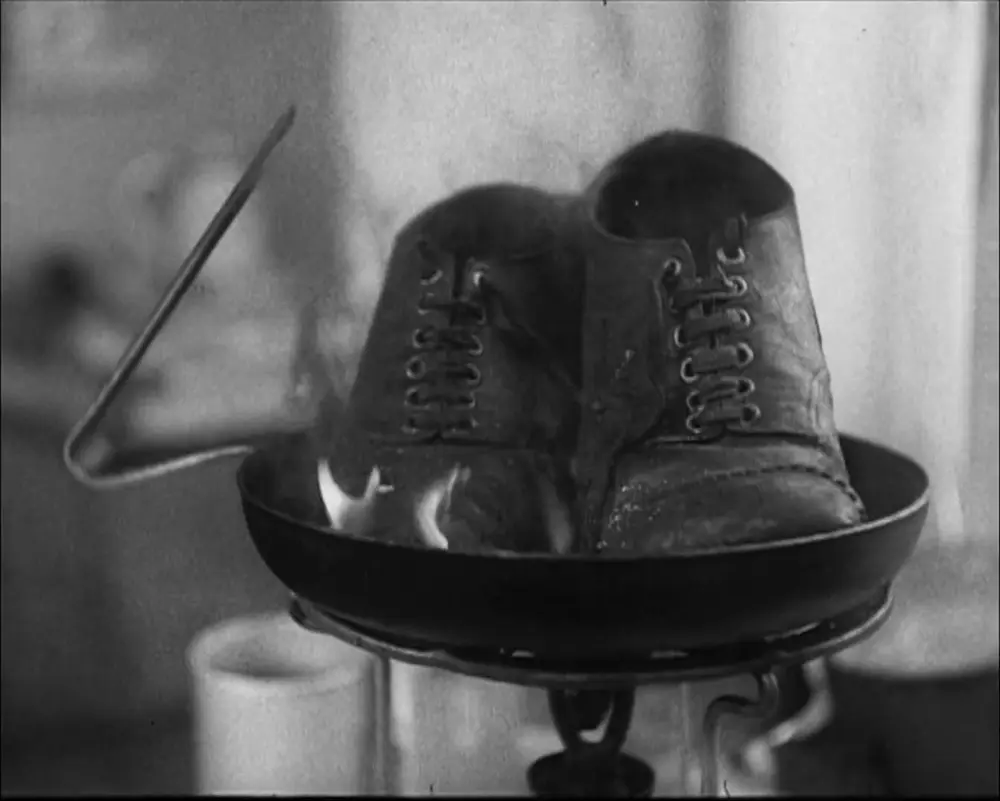
Is Kaloshi 18 worth watching today? Short answer: yes, but only if you have an appetite for the rhythmic, often punishing precision of Soviet silent cinema. It is a film that demands your attention not through emotional sentimentality, but through its intellectual wit and visual geometry. This film is for the dedicated...
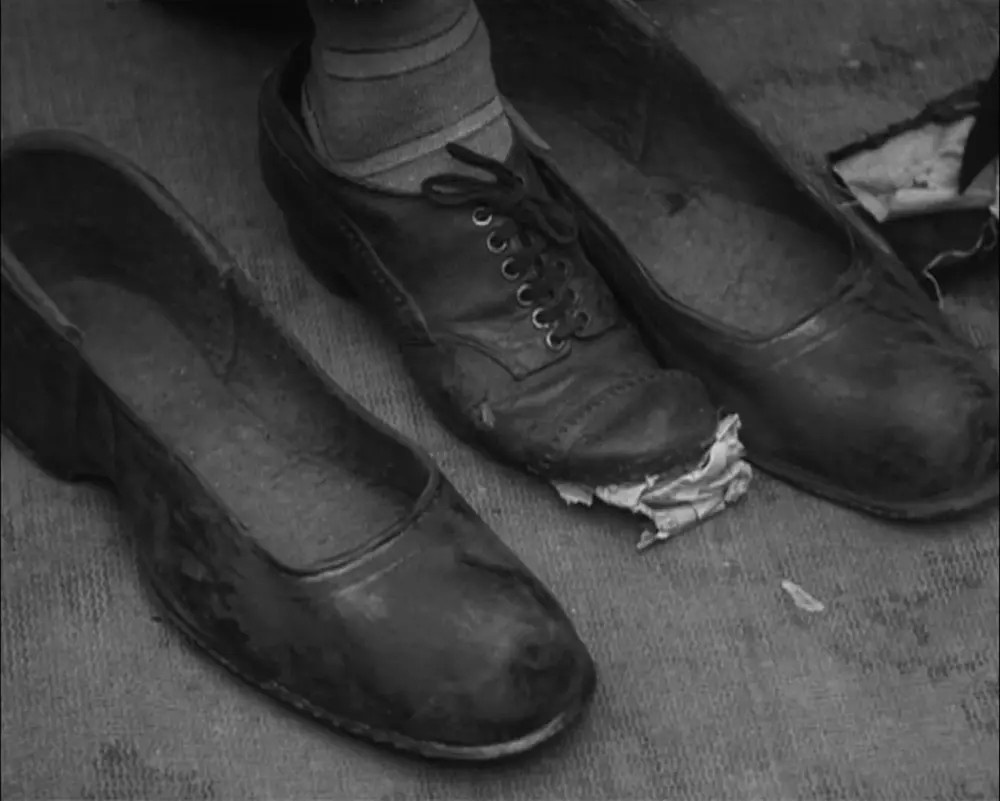
still_frame

still_frame
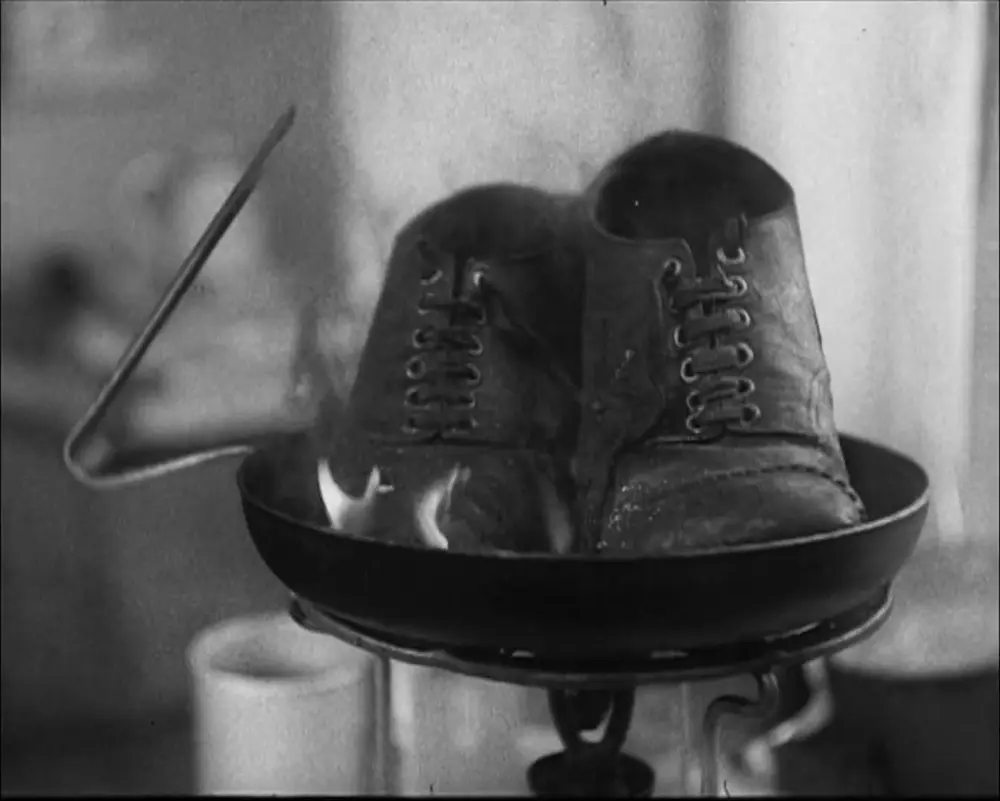
still_frame

Comparing the cinematic DNA and archive impact of two defining moments in cult history.
M. Alibegova

Hal Roach
Community
Log in to comment.
"Is Kaloshi 18 worth watching today? Short answer: yes, but only if you have an appetite for the rhythmic, often punishing precision of Soviet silent cinema. It is a film that demands your attention not through emotional sentimentality, but through its intellectual wit and visual geometry. This film is for the dedicated cinephile and the history buff who finds beauty in industrial gears; it is decidedly not for anyone looking for a lighthearted evening of escapism or modern narrative pacing.The C..."
A. Bekarevich
Nikolai Anoshchenko, N. Osinskaya
Soviet Union
Reggie Morris