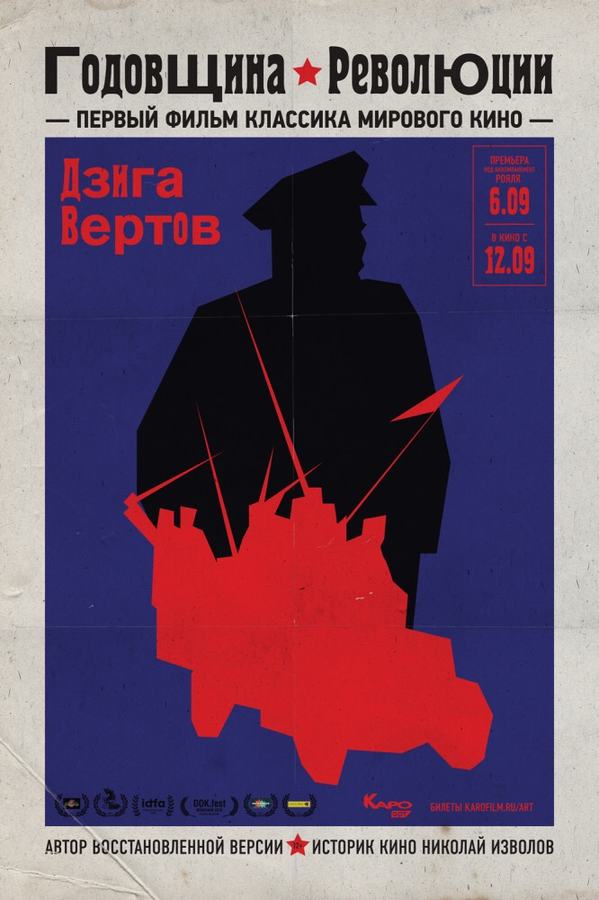
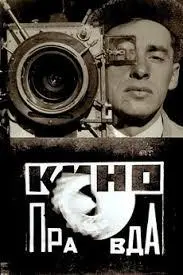
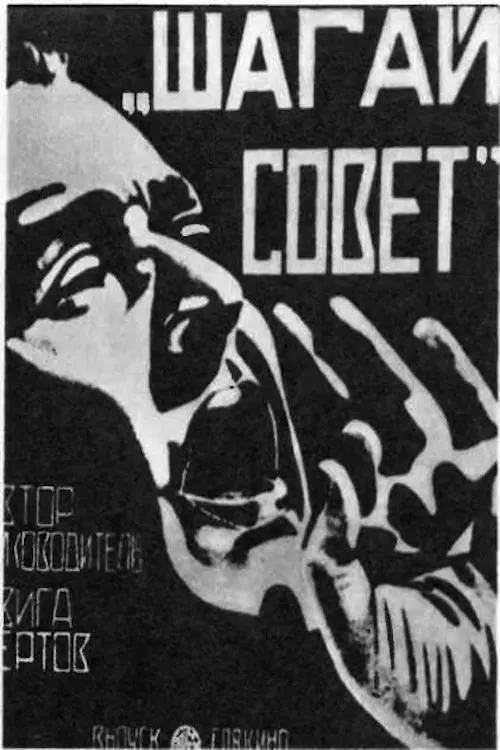
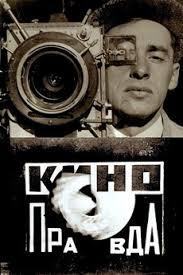
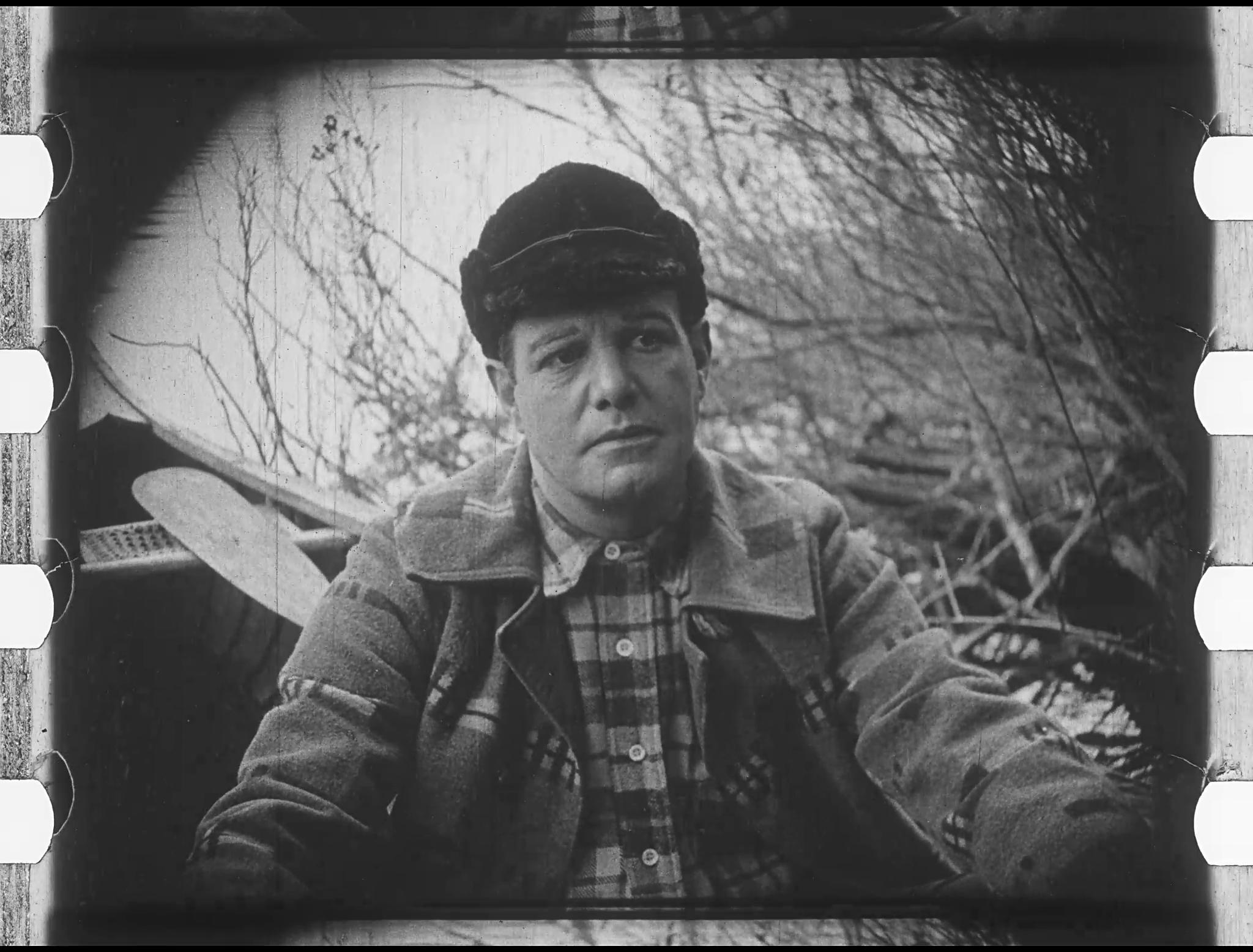
A series of newsreel films from Dziga Vertov, Elizaveta Svilova, and Mikhail Kaufman which document Russian Life in the early 1920s..
Soviet Union
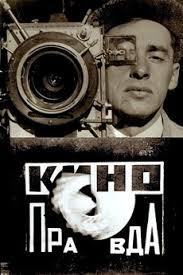
Imagine a film that refuses to behave like one: no matinee idols, no three-act sedative, only the staccato heartbeat of a city learning to breathe again after civil war’s iron lung. Kino-pravda no. 6 is that anarchic bulletin—twenty electric minutes hurled at the audience like a Molotov cocktail made of newsprint and ...
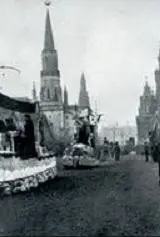
still_frame
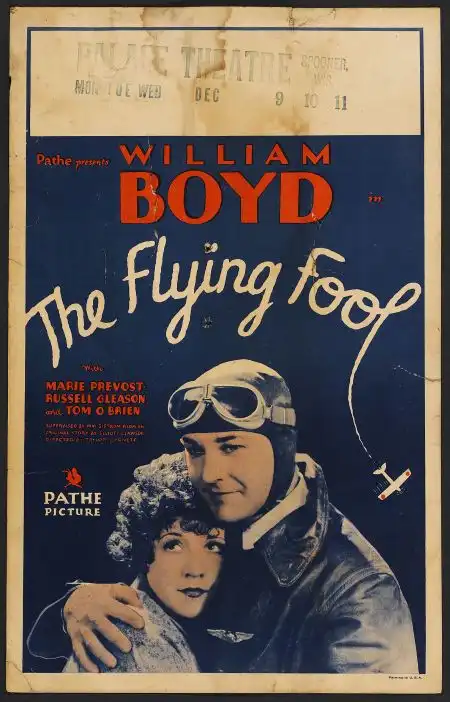
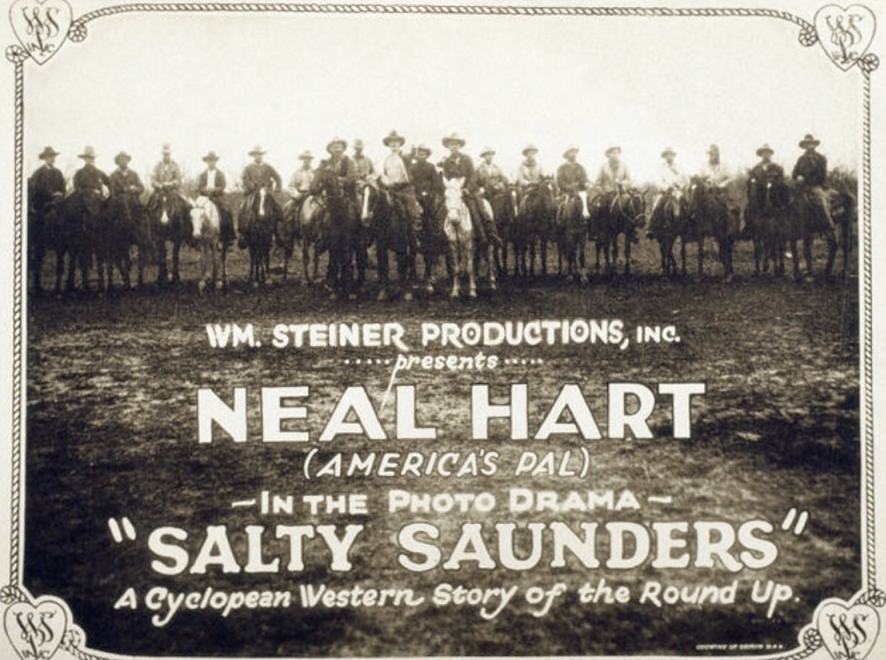
Comparing the cinematic DNA and archive impact of two defining moments in cult history.
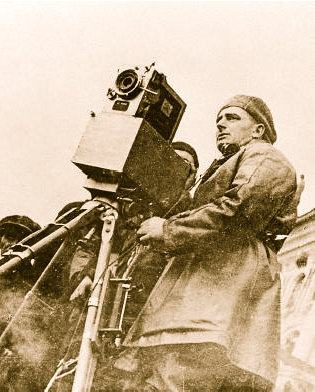
Dziga Vertov
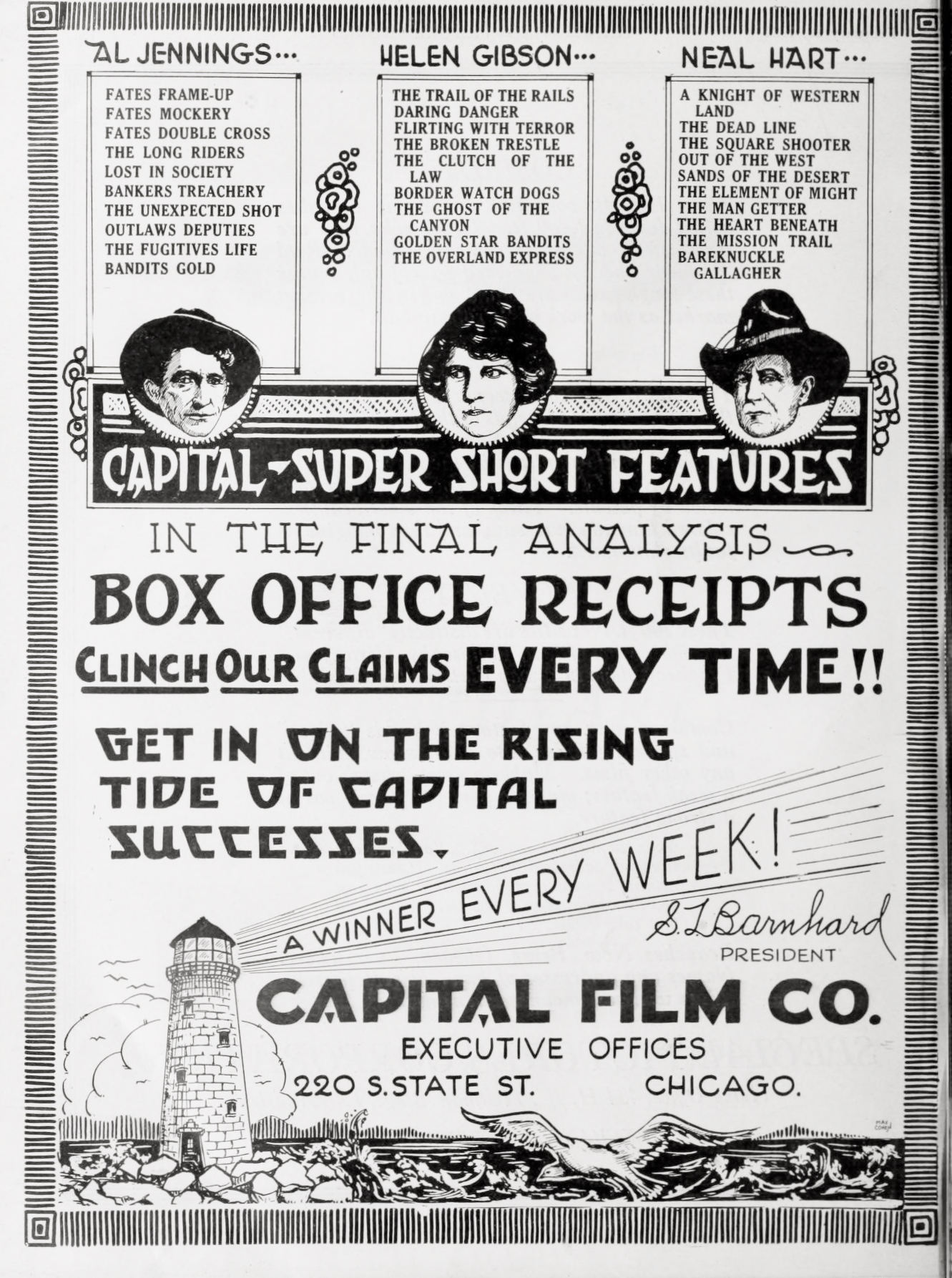
Unknown Director
Community
Log in to comment.
" Imagine a film that refuses to behave like one: no matinee idols, no three-act sedative, only the staccato heartbeat of a city learning to breathe again after civil war’s iron lung. Kino-pravda no. 6 is that anarchic bulletin—twenty electric minutes hurled at the audience like a Molotov cocktail made of newsprint and photons. Vertov’s credo was simple yet heretical: the camera sees more truth than the human retina, so let it spy, sprint, somersault. The result is a cinematic riot whose shrapnel..."
Deep dive into the cult classic
Discover similar cinematic experiences
A Directorial Spotlight on Dziga Vertov