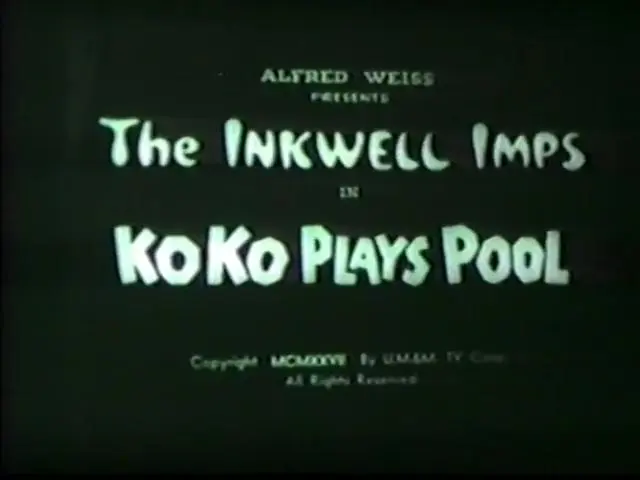
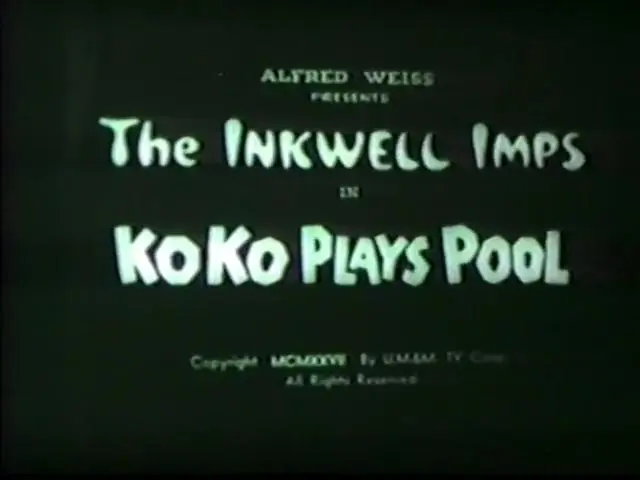
Is 'Ko-Ko Plays Pool' a film you should prioritize in today's crowded streaming landscape? Short answer: yes, but with significant caveats. This early animation gem is an absolute treasure for film historians, animation students, and those fascinated by the genesis of the art form, but its primitive nature and lack of ...
still_frame
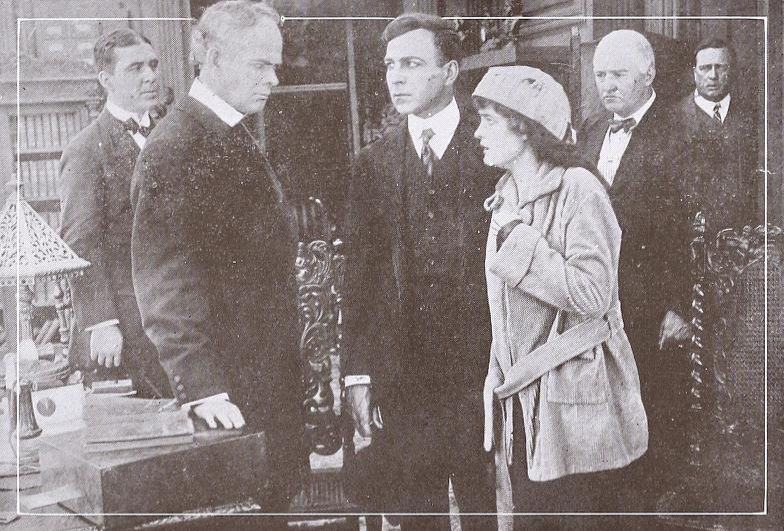

Comparing the cinematic DNA and archive impact of two defining moments in cult history.
Dave Fleischer
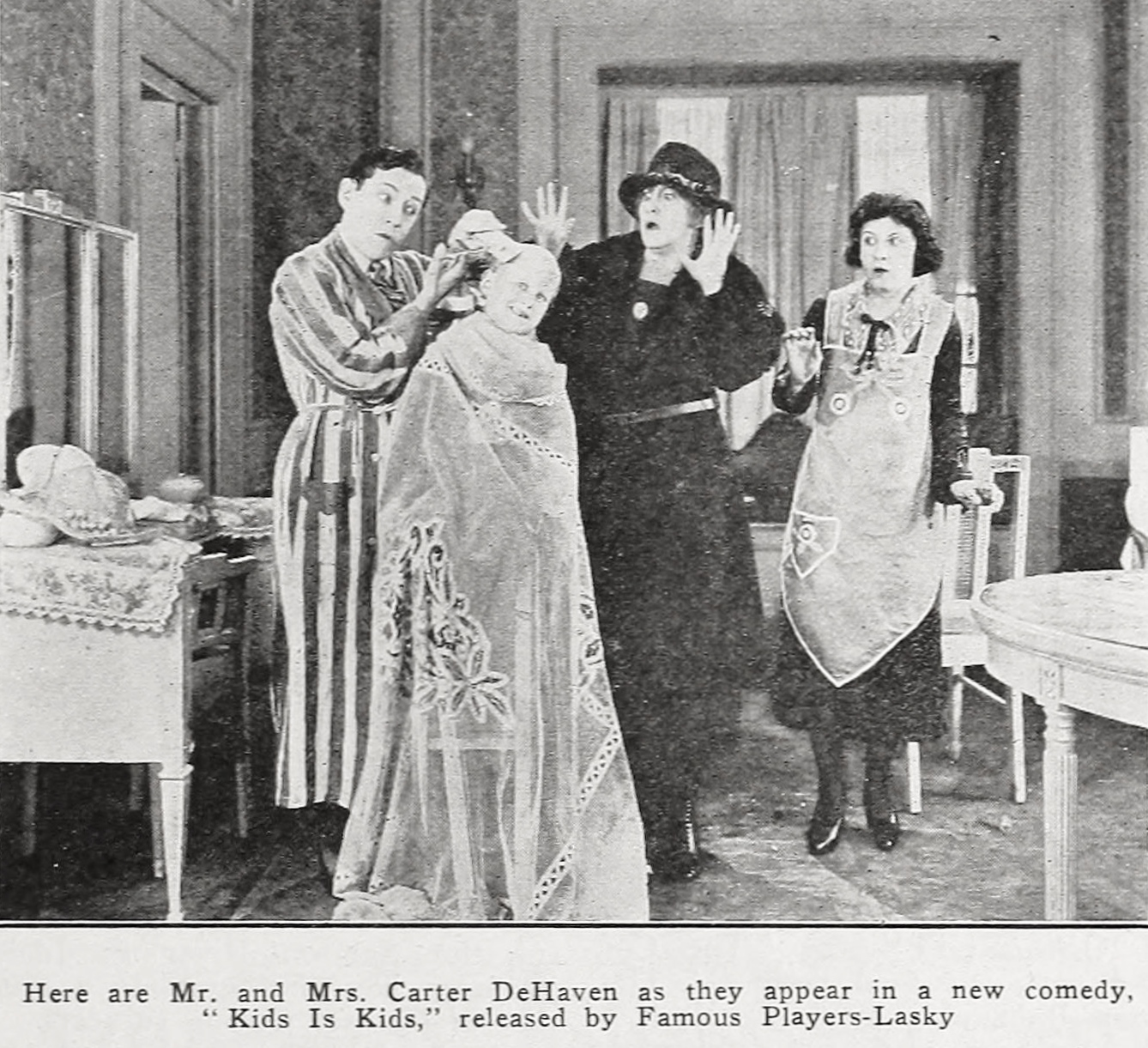
Charley Chase
Community
Log in to comment.
"Is 'Ko-Ko Plays Pool' a film you should prioritize in today's crowded streaming landscape? Short answer: yes, but with significant caveats. This early animation gem is an absolute treasure for film historians, animation students, and those fascinated by the genesis of the art form, but its primitive nature and lack of narrative will likely deter casual viewers seeking modern entertainment. It’s a foundational text, a cinematic fossil, offering invaluable insights into the very mechanics of how a..."
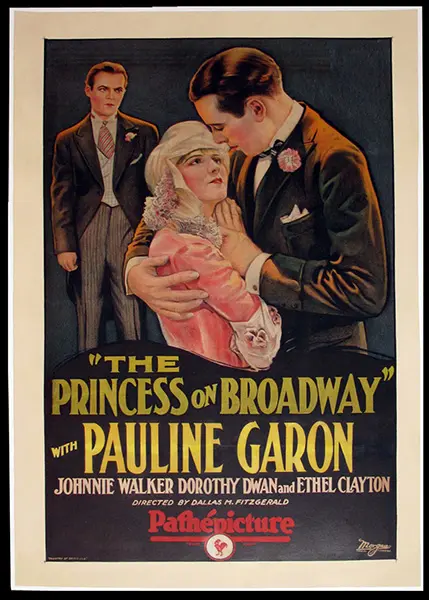

Deep dive into the cult classic
Discover similar cinematic experiences
A Directorial Spotlight on Dave Fleischer