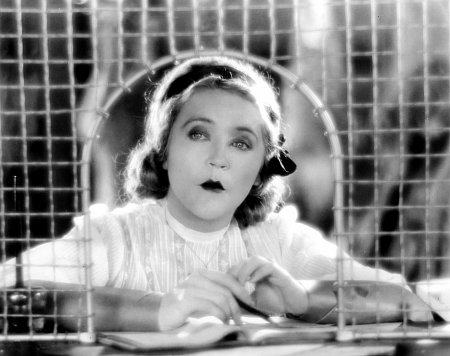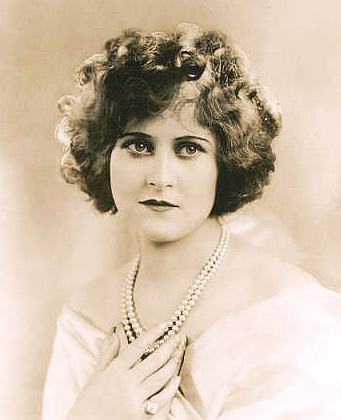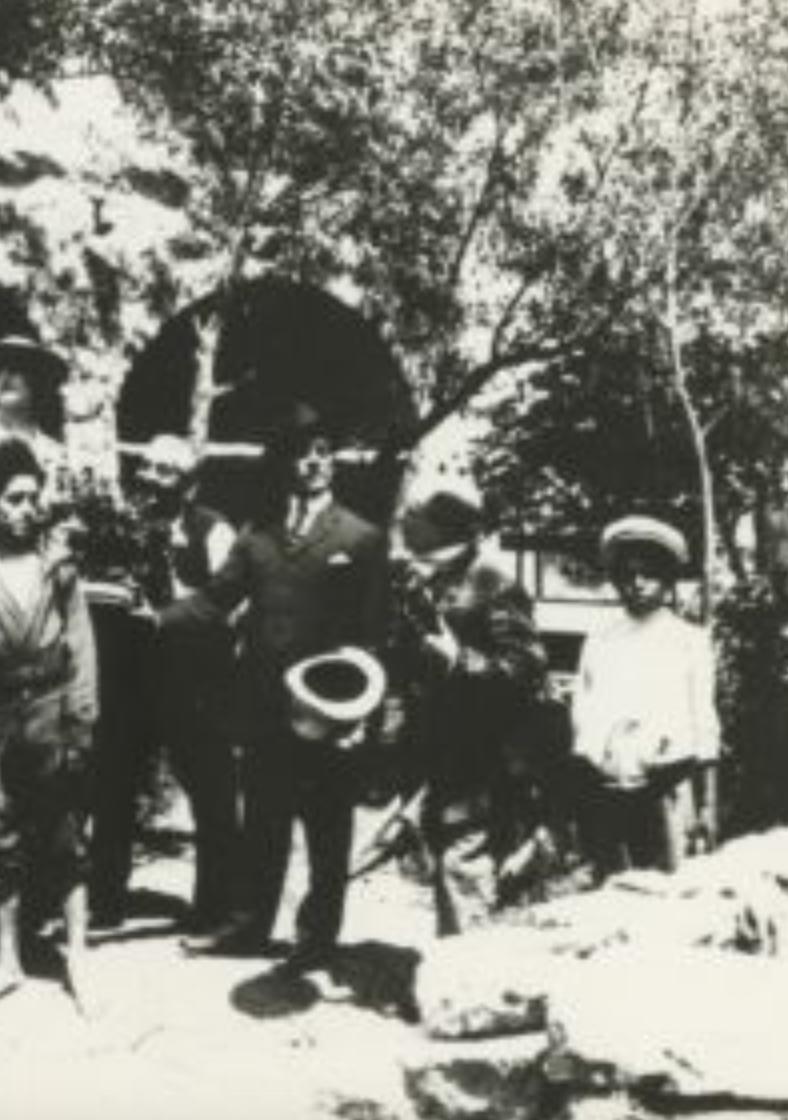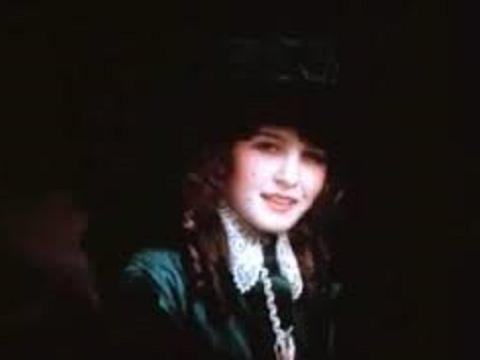
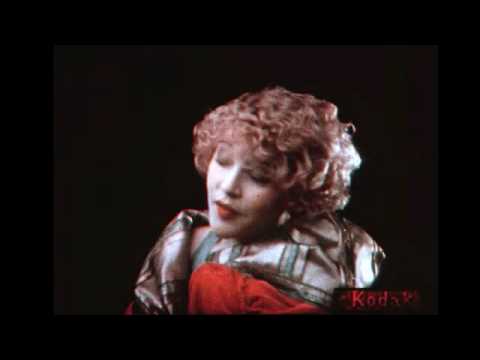
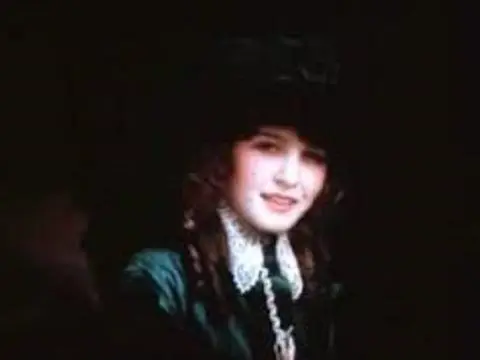
Experimental film done by Eastman Kodak to test the abilities of Kodachrome film stock..
To witness the Kodachrome Two-Color Test Shots No. III is to step into a temporal rift where the ghosts of 1922 are reanimated through a kaleidoscope of early chemical ingenuity. Unlike the narrative complexities found in The Maelstrom, this short film eschews plot for the sake of pure, unadulterated visual data. It...
Comparing the cinematic DNA and archive impact of two defining moments in cult history.
John Capstaff
Malcolm St. Clair
Community
Log in to comment.
" To witness the Kodachrome Two-Color Test Shots No. III is to step into a temporal rift where the ghosts of 1922 are reanimated through a kaleidoscope of early chemical ingenuity. Unlike the narrative complexities found in The Maelstrom, this short film eschews plot for the sake of pure, unadulterated visual data. It is a document of a dream—the dream of a world no longer restricted to the binary of black and white. In this experimental crucible, Eastman Kodak was not merely filming actresses;..."
Short, Documentary
still_frame
Deep dive into the cult classic
Discover similar cinematic experiences
A Directorial Spotlight on John Capstaff