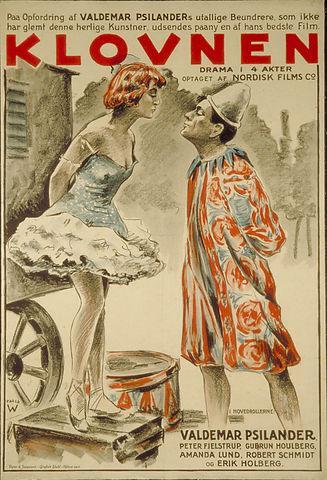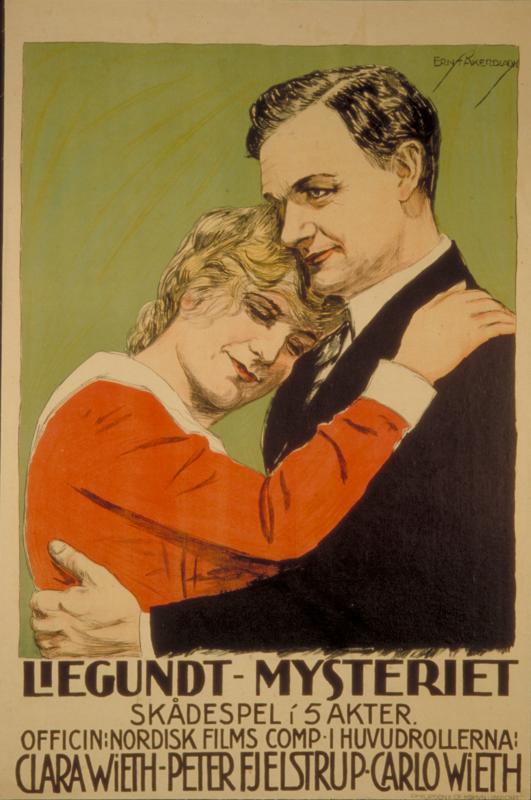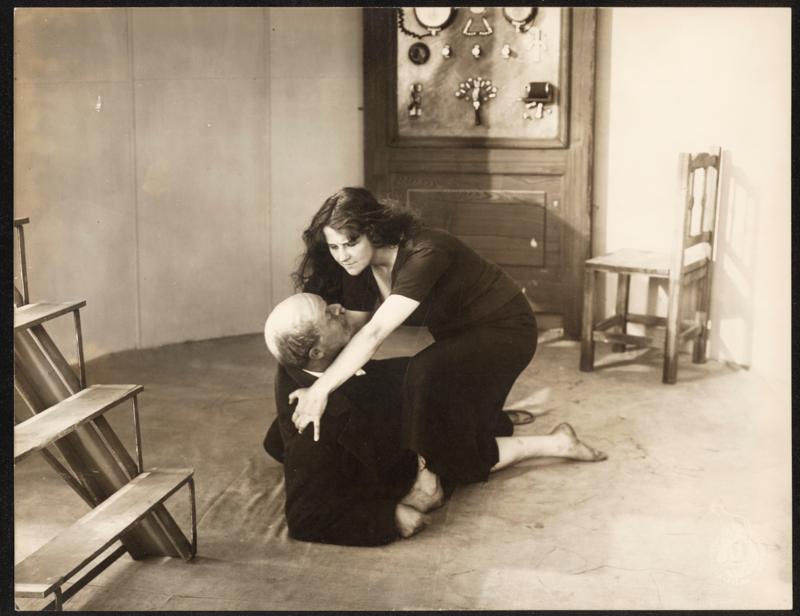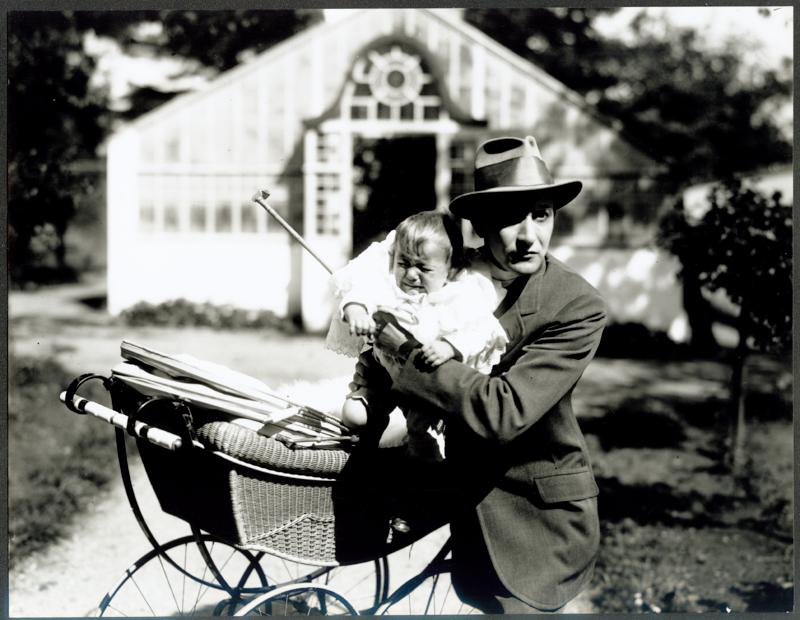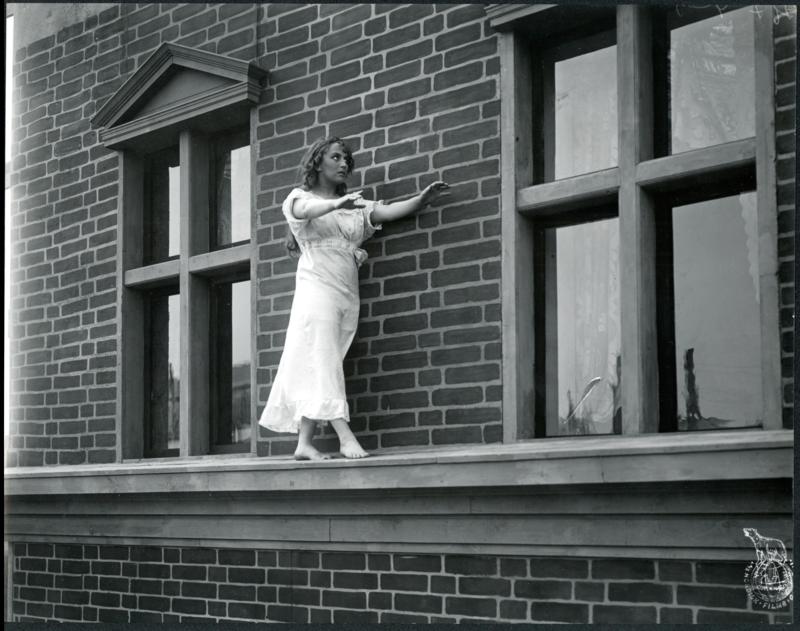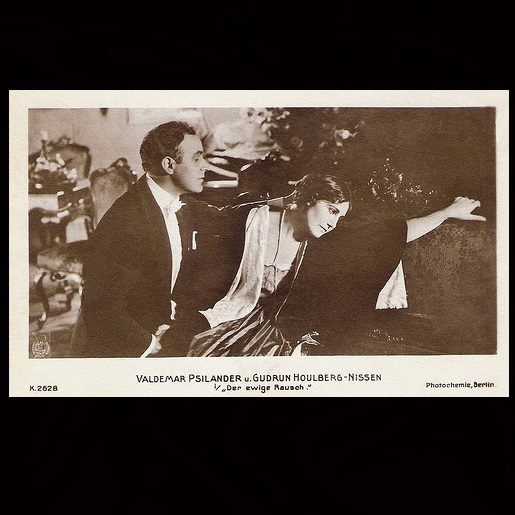
I. A Sketch That Bleeds There is a moment, roughly twelve minutes into Kærlighedsleg, when the camera refuses to cut away from Psilander’s trembling hand. The charcoal snaps; the close-up lingers until the dust settles on the cuff of a dove-grey suit. In that suspended heartbeat, Danish cinema invents the microscopic ...
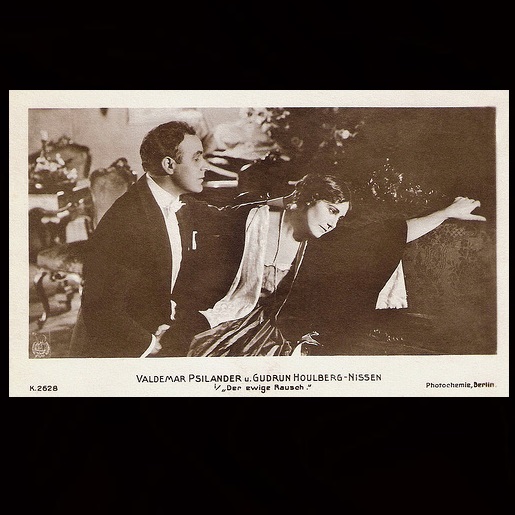
still_frame
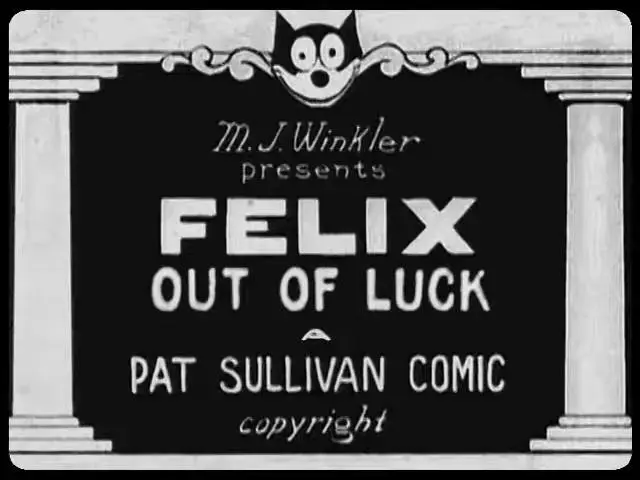
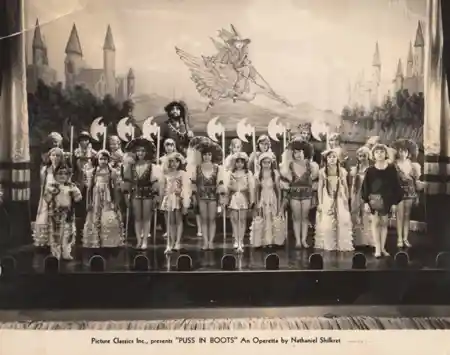
Comparing the cinematic DNA and archive impact of two defining moments in cult history.
A.W. Sandberg
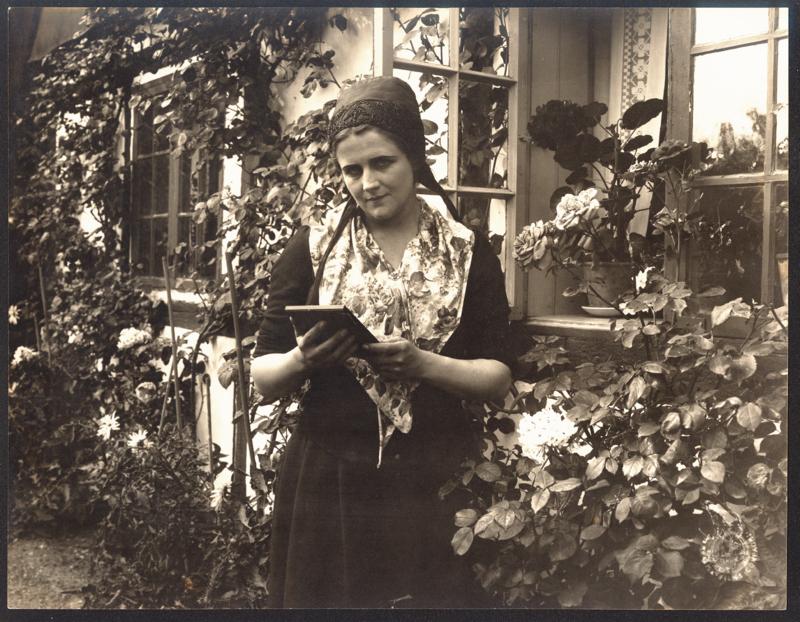
A.W. Sandberg
Community
Log in to comment.
" I. A Sketch That Bleeds There is a moment, roughly twelve minutes into Kærlighedsleg, when the camera refuses to cut away from Psilander’s trembling hand. The charcoal snaps; the close-up lingers until the dust settles on the cuff of a dove-grey suit. In that suspended heartbeat, Danish cinema invents the microscopic tragedy: a brittle stick of pigment becomes the axis on which desire, guilt, and mortality pirouette. Contemporary audiences, nursed on Feuillade’s cliff-hangers and Griffith’s par..."
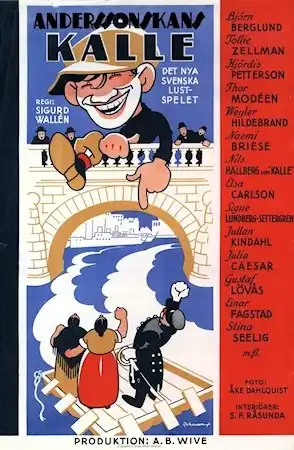
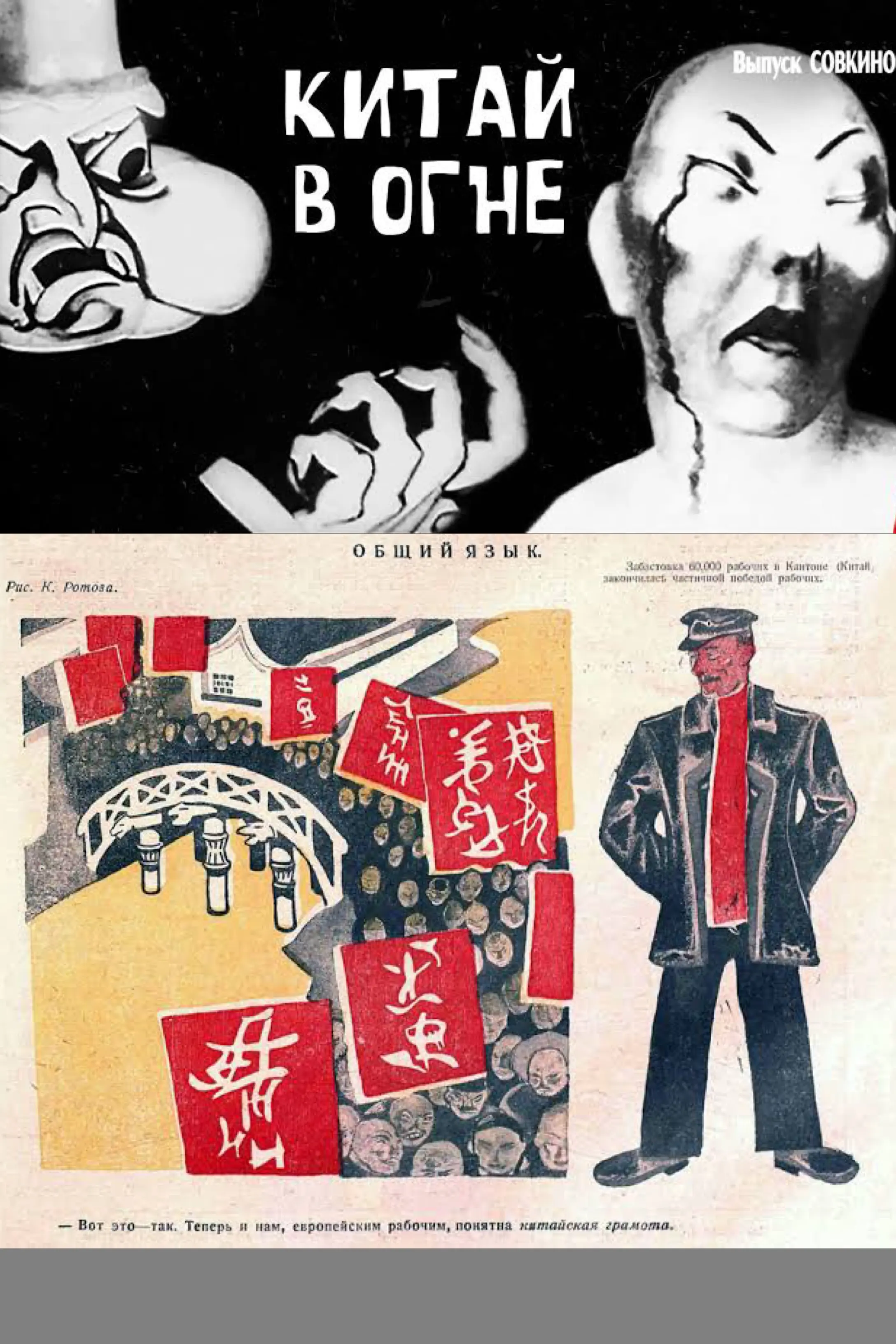
Deep dive into the cult classic
Discover similar cinematic experiences
A Directorial Spotlight on A.W. Sandberg