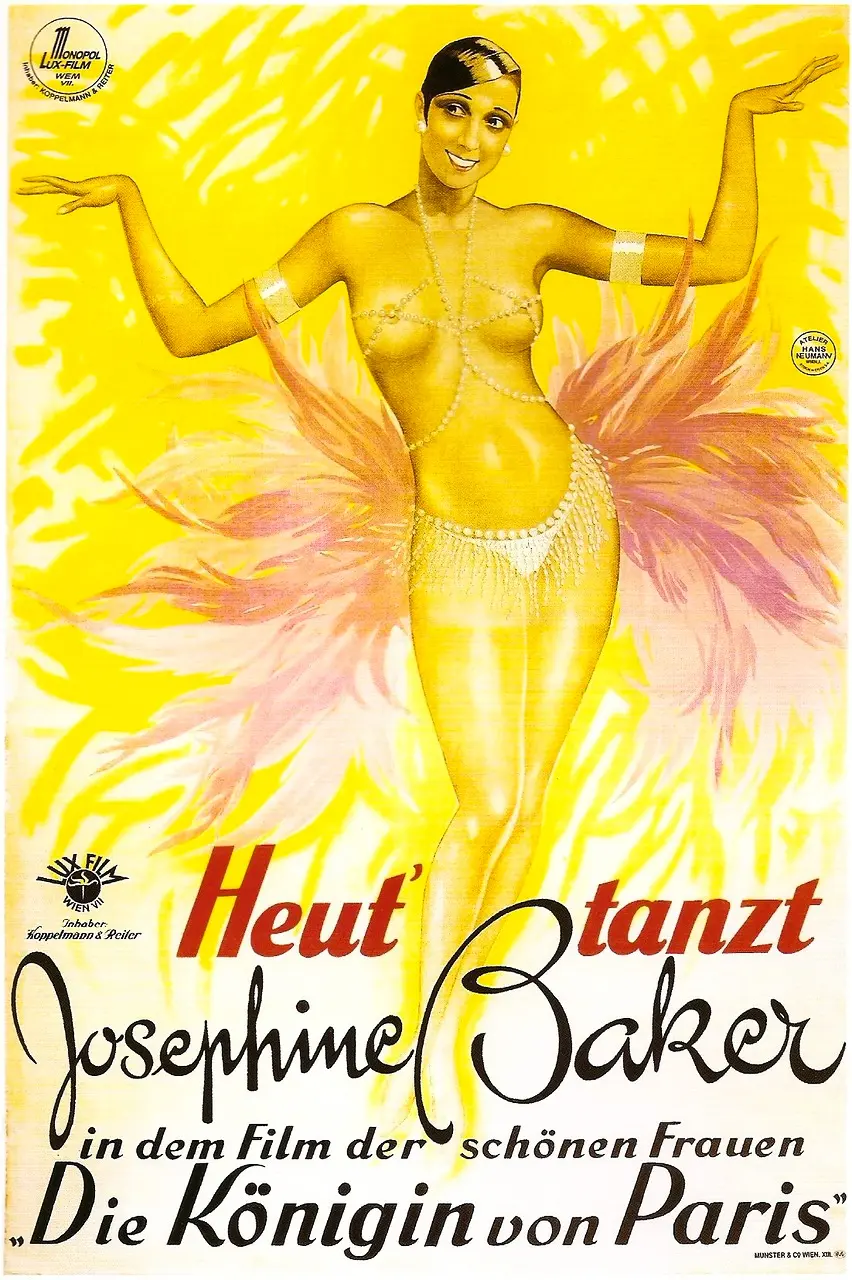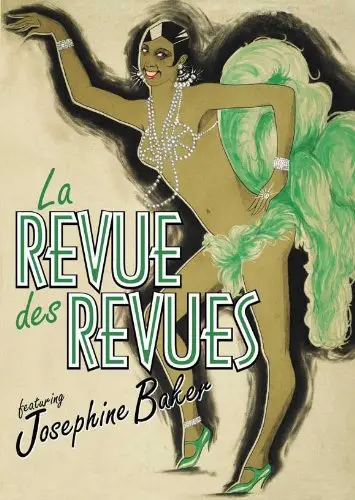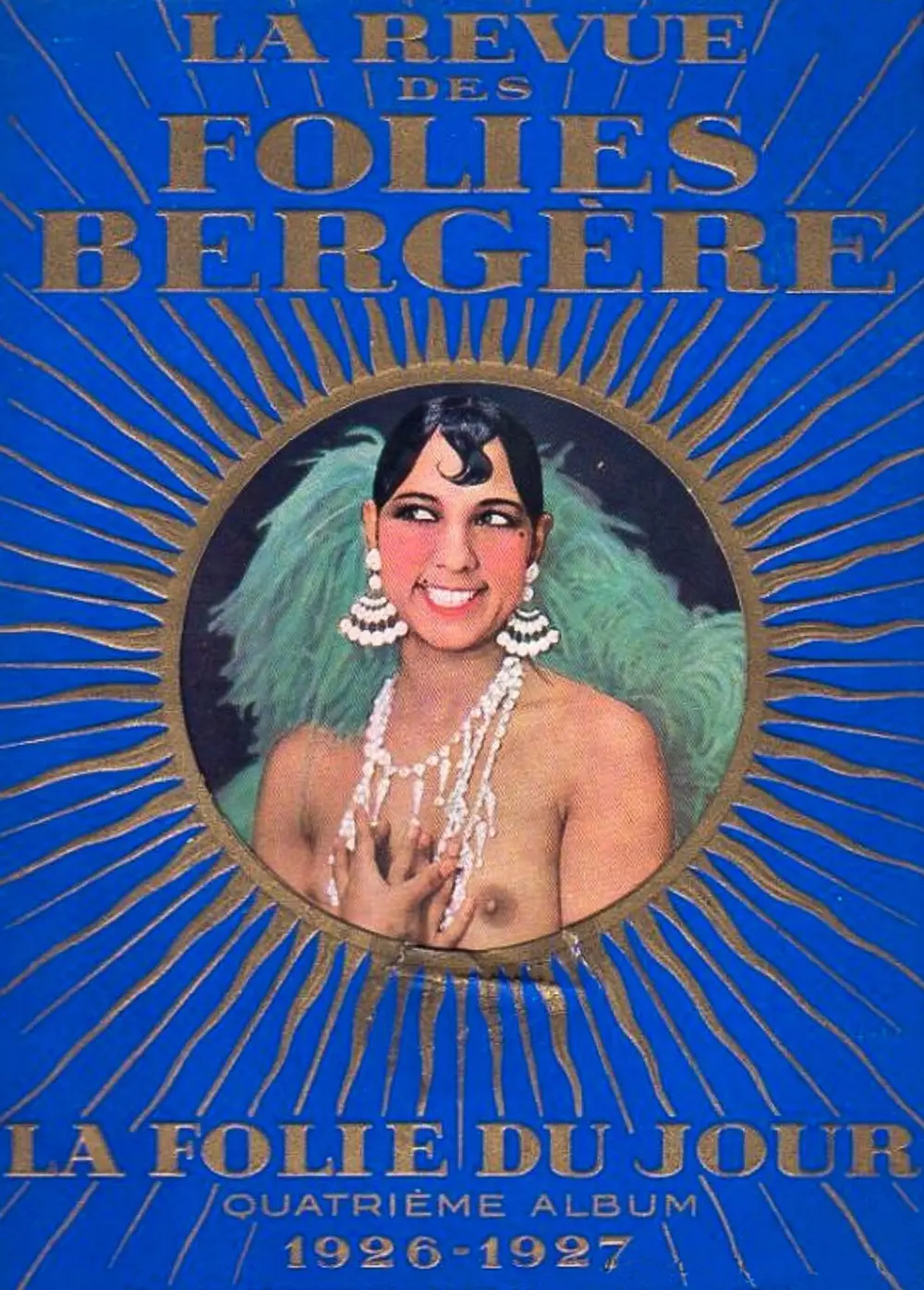
Short answer: Yes, but strictly as a historical artifact of performance art. If you are looking for a cohesive narrative with character arcs and a resolution, you will be profoundly disappointed. However, if you want to witness the exact moment the 20th century found its first truly modern superstar, this is essential ...
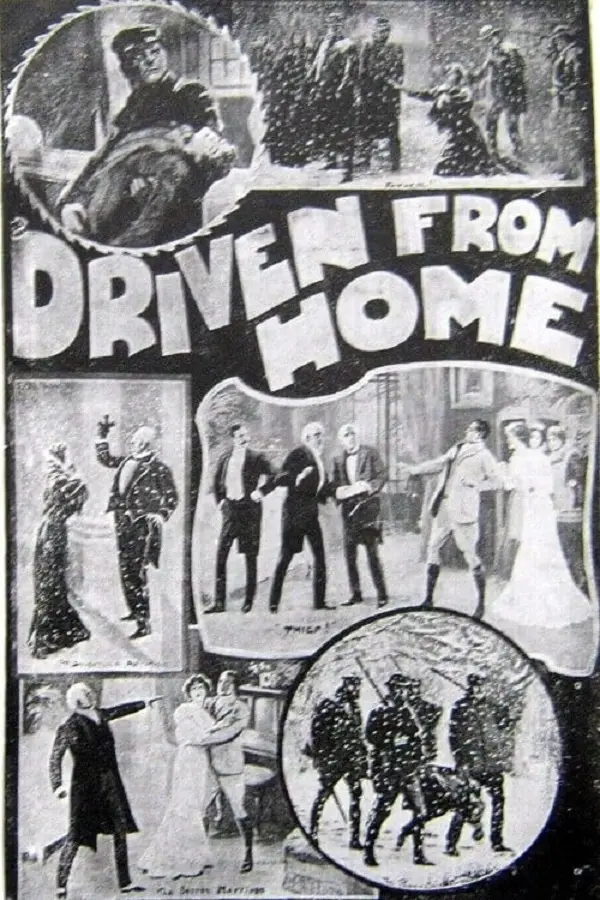
Comparing the cinematic DNA and archive impact of two defining moments in cult history.
Joe Francis

Joe Francis
Community
Log in to comment.
"Short answer: Yes, but strictly as a historical artifact of performance art. If you are looking for a cohesive narrative with character arcs and a resolution, you will be profoundly disappointed. However, if you want to witness the exact moment the 20th century found its first truly modern superstar, this is essential viewing.This film is for historians of the Jazz Age, dance enthusiasts, and those interested in the evolution of Black performance in Europe. It is absolutely not for viewers who r..."
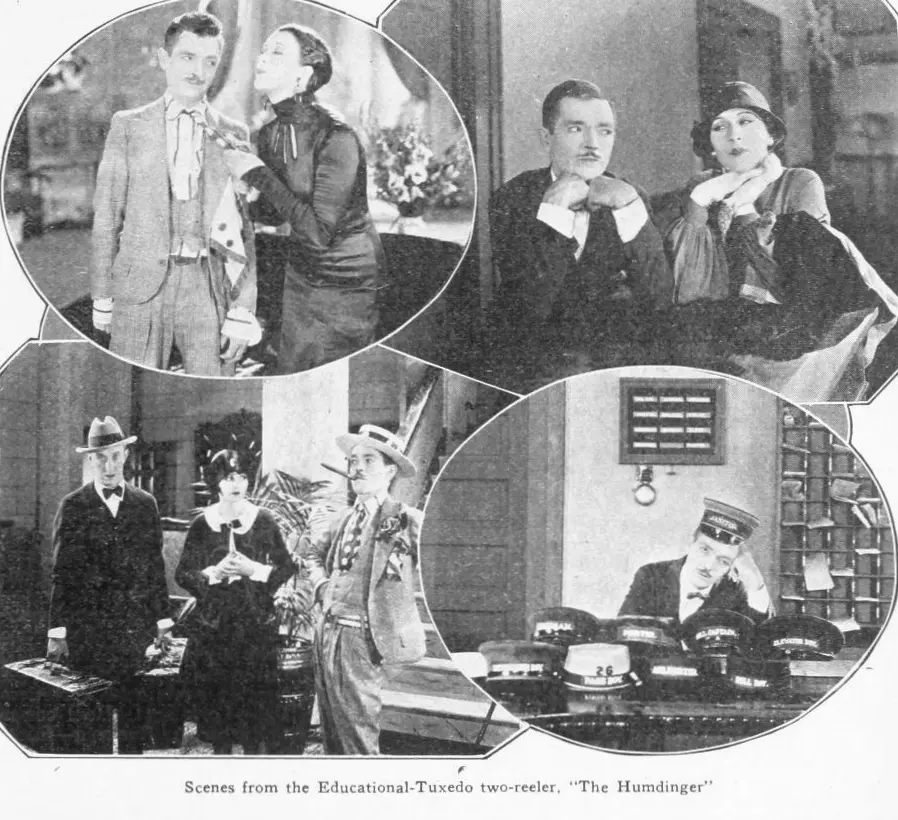
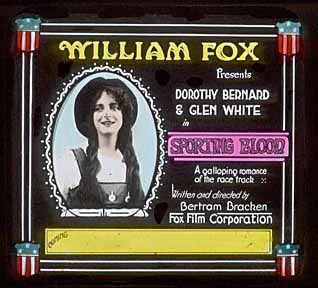
Deep dive into the cult classic
Discover similar cinematic experiences
A Directorial Spotlight on Joe Francis