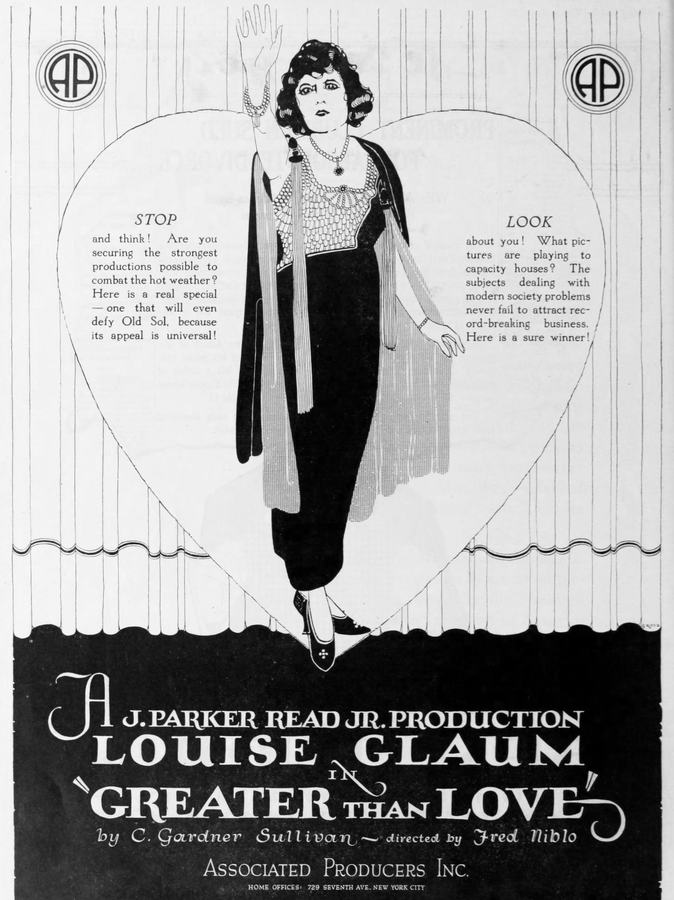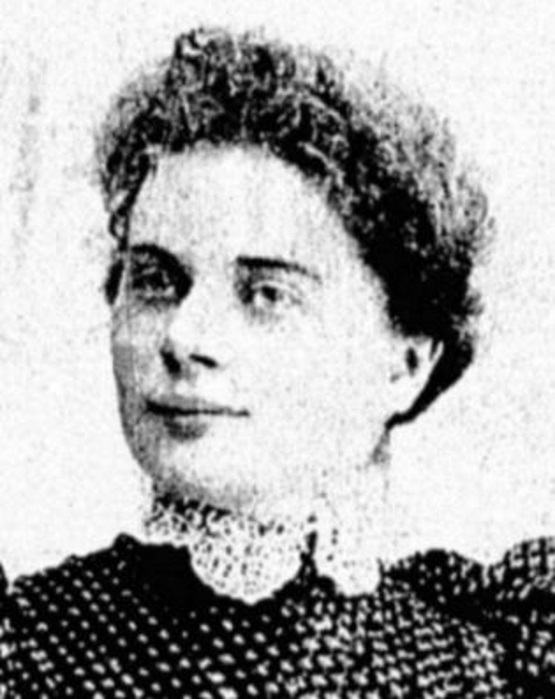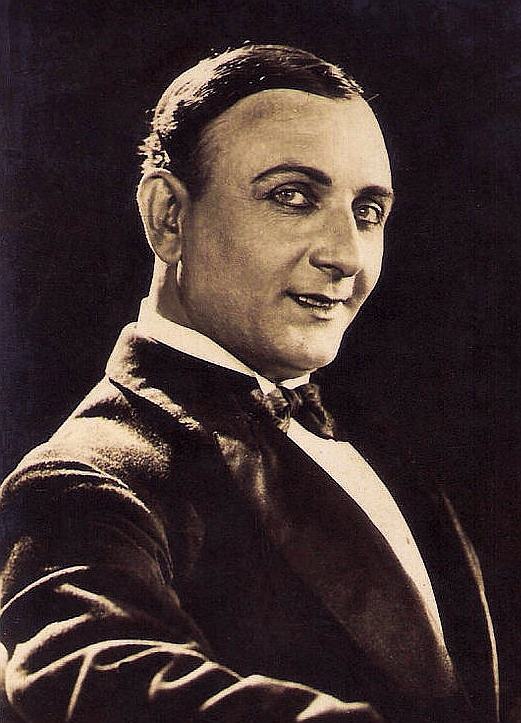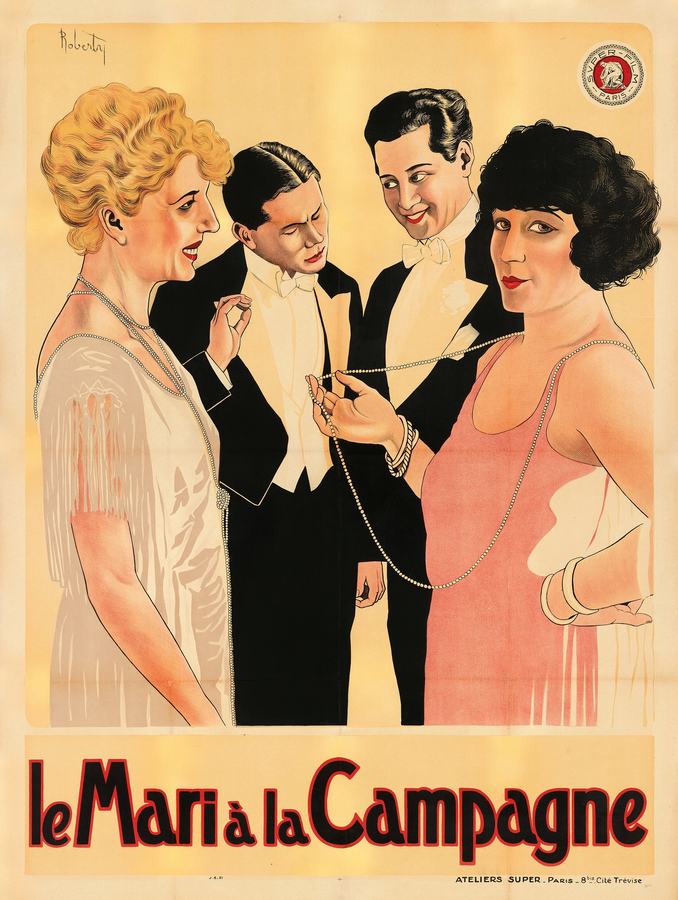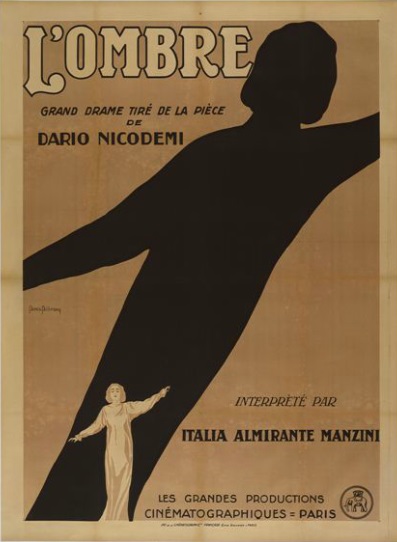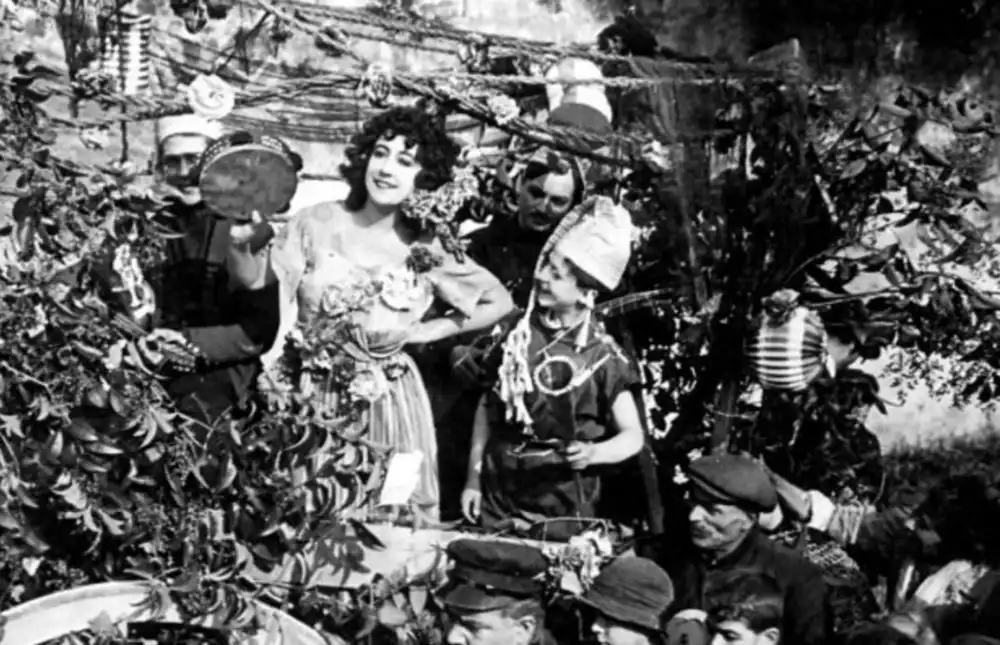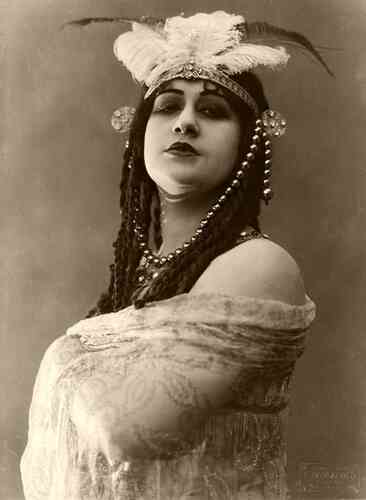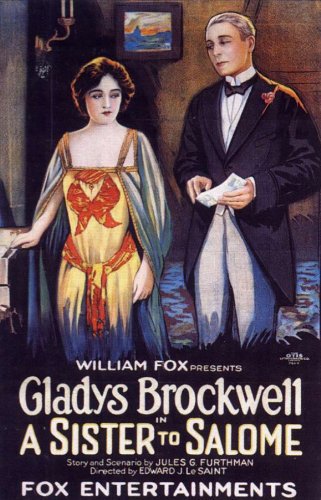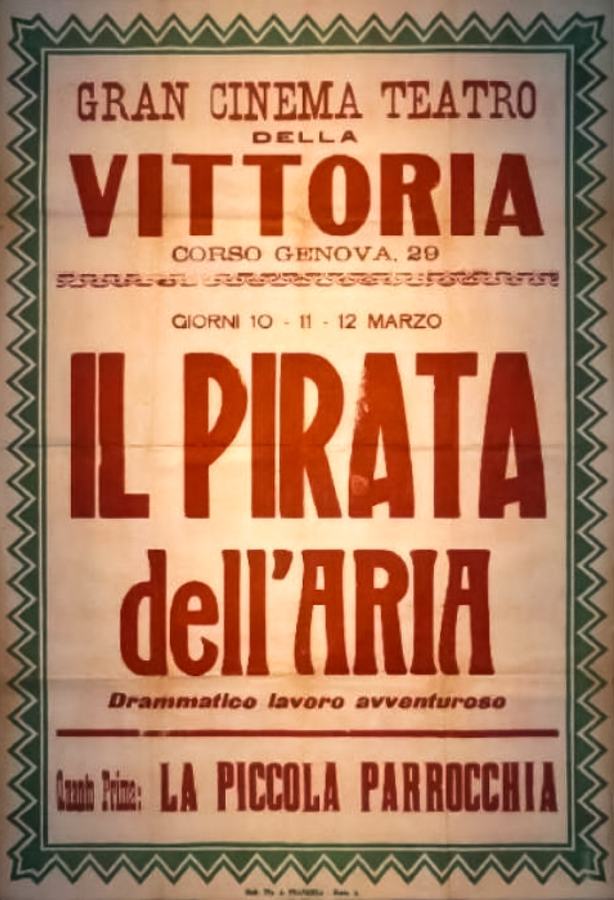
The life of the young orphan Lidia is ruined by Mrs Fénigan, mother of her husband Riccardo, who forces her into a quasi-monastic existence. When Lidia meets Charlexis, son of the princely Dauvergues family, she is invited to their castle.
.header { color: #C2410C; font-size: 24px; font-weight: bold; margin-top: 30px; } .subheader { color: #EAB308; font-size: 20px; margin-top: 25px; } .body { color: #FFFFFF; margin-top: 15px; } .quote { color: #0E7490; font-style: italic; margin-top: 20px; } .highlight { color: #C2410C; font-weigh...
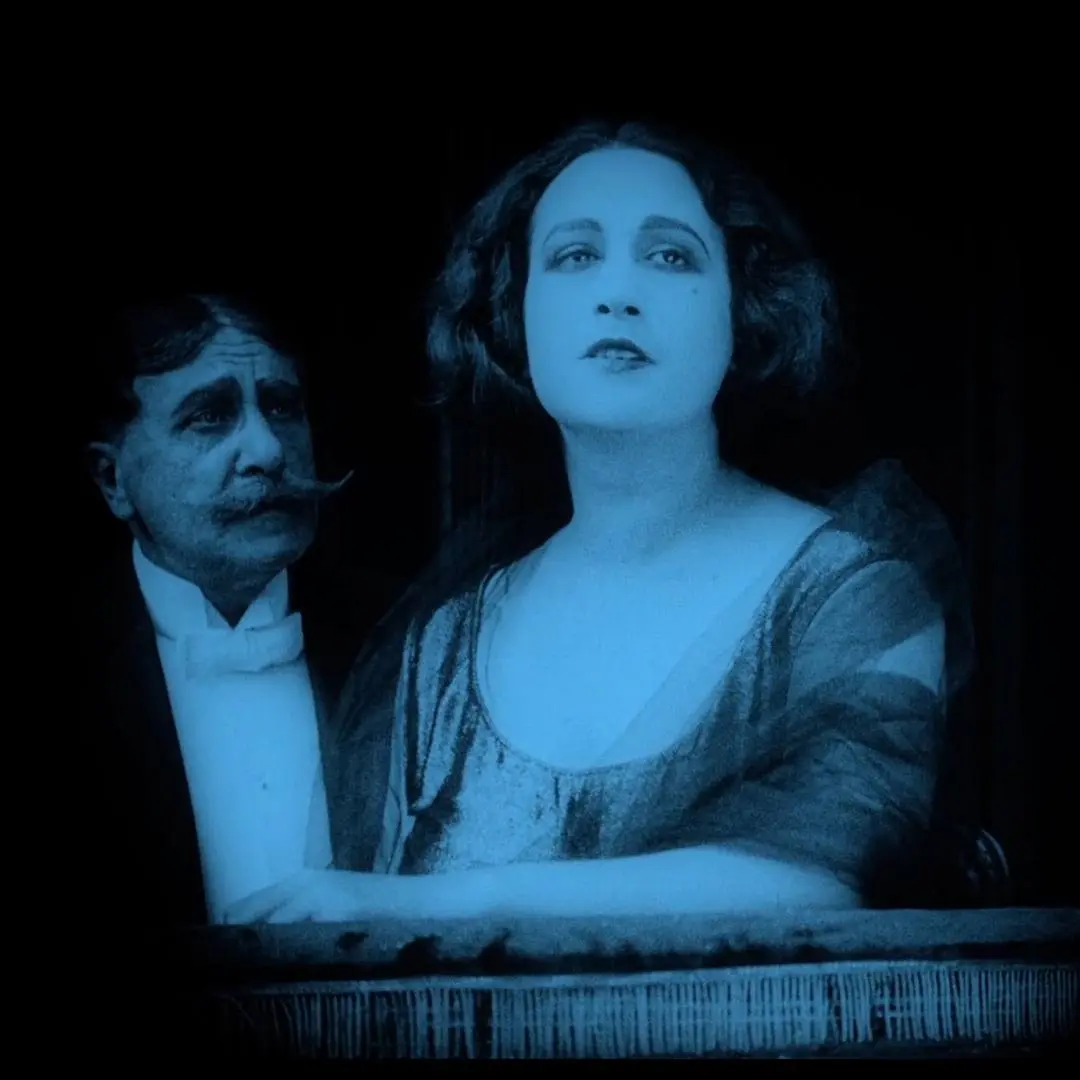
still_frame
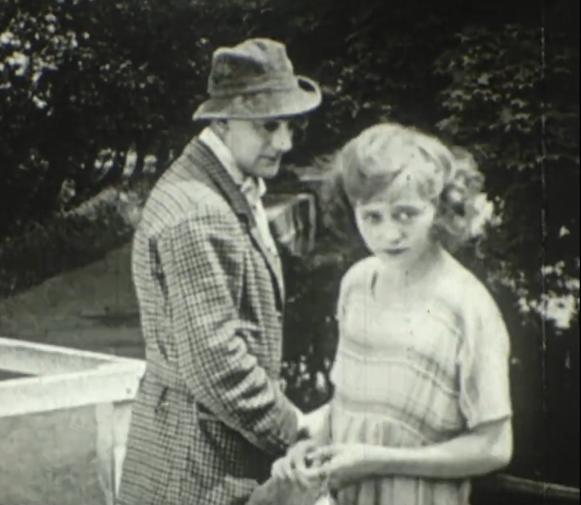

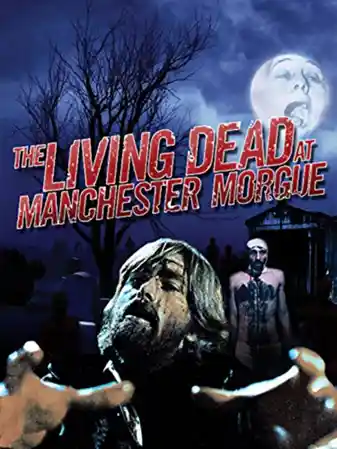
Comparing the cinematic DNA and archive impact of two defining moments in cult history.
Mario Almirante

Dallas M. Fitzgerald
Community
Log in to comment.
" .header { color: #C2410C; font-size: 24px; font-weight: bold; margin-top: 30px; } .subheader { color: #EAB308; font-size: 20px; margin-top: 25px; } .body { color: #FFFFFF; margin-top: 15px; } .quote { color: #0E7490; font-style: italic; margin-top: 20px; } .highlight { color: #C2410C; font-weight: bold; } A Portrait of Confinement and Defiance Mario Almirante’s *La Piccola Parrocchia* is not merely a film—it is an incantation. From its first frame, the camera..."
Mario Almirante, Mario Gheduzzi, Alphonse Daudet
Italy