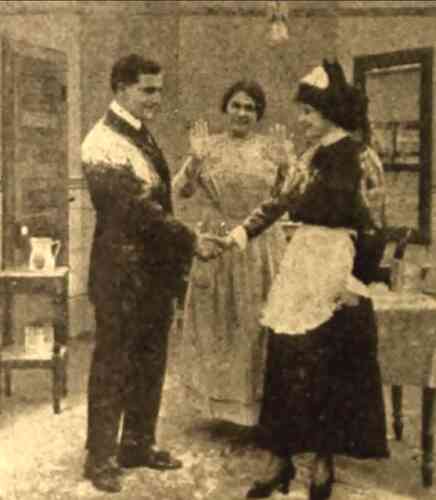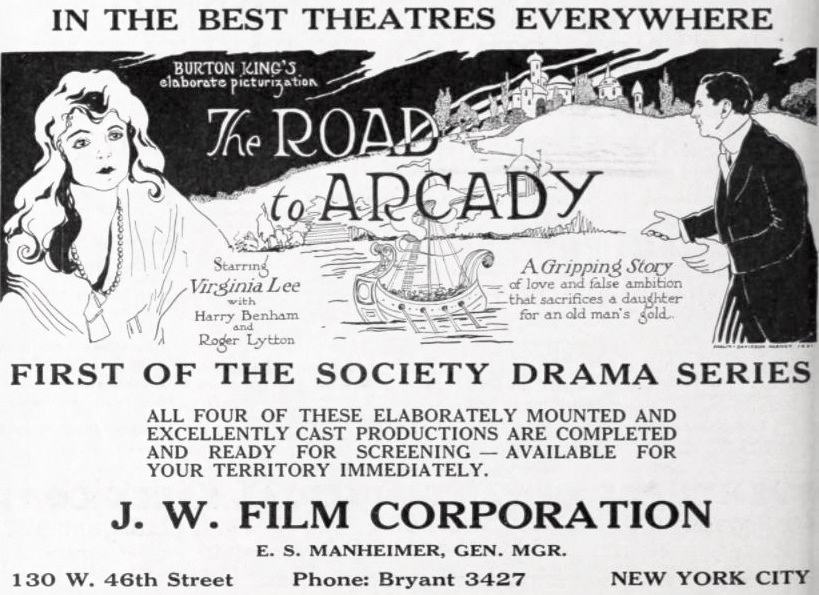
In order to promote a marriage between her daughter Antoinette and multimillionaire Benson Churchill, Helen Gerard tells Antoinette that her father has stolen funds and that the marriage will save the family. Though in love with John Hamilton, Antoinette agrees to marry Churchill.
Imagine, if you can, a world where every whispered lie carries the weight of a stock-ticker crash and every stolen kiss ricochets through ancestral portraits like a bullet through stained glass. For Love or Money—released in November 1913 when the nickelodeon reeked of coal dust and ambition—doesn’t merely depict tha...
Comparing the cinematic DNA and archive impact of two defining moments in cult history.
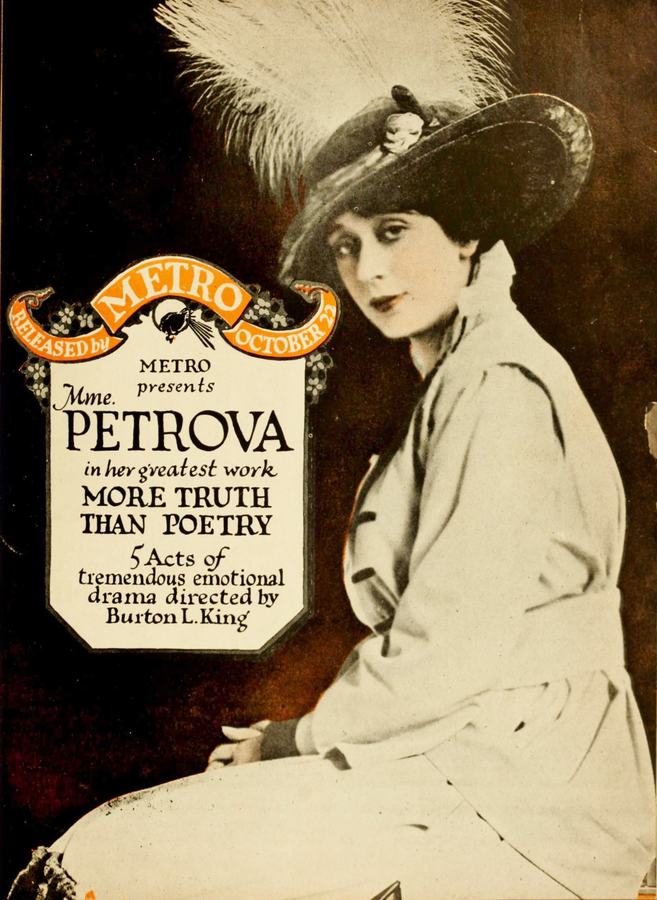
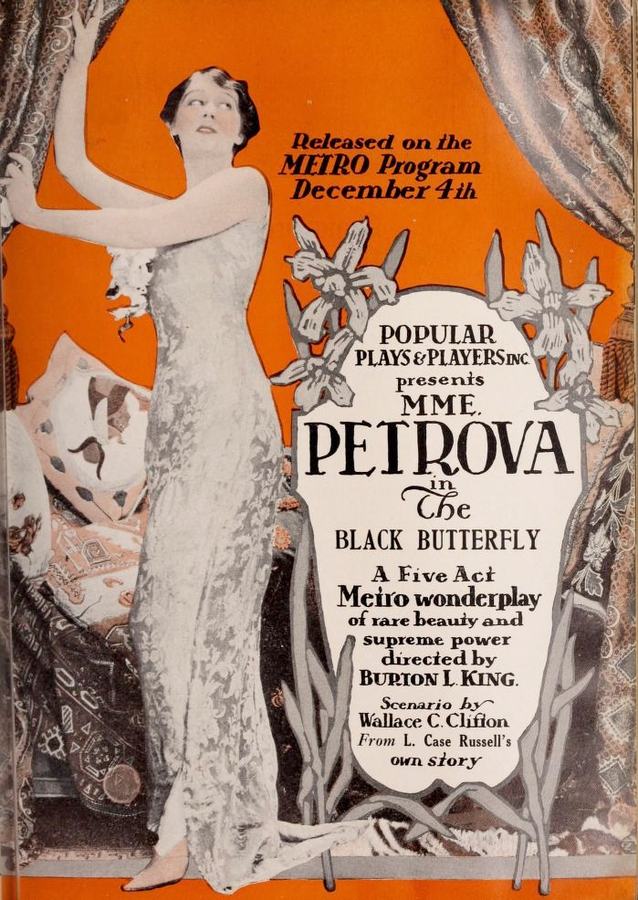
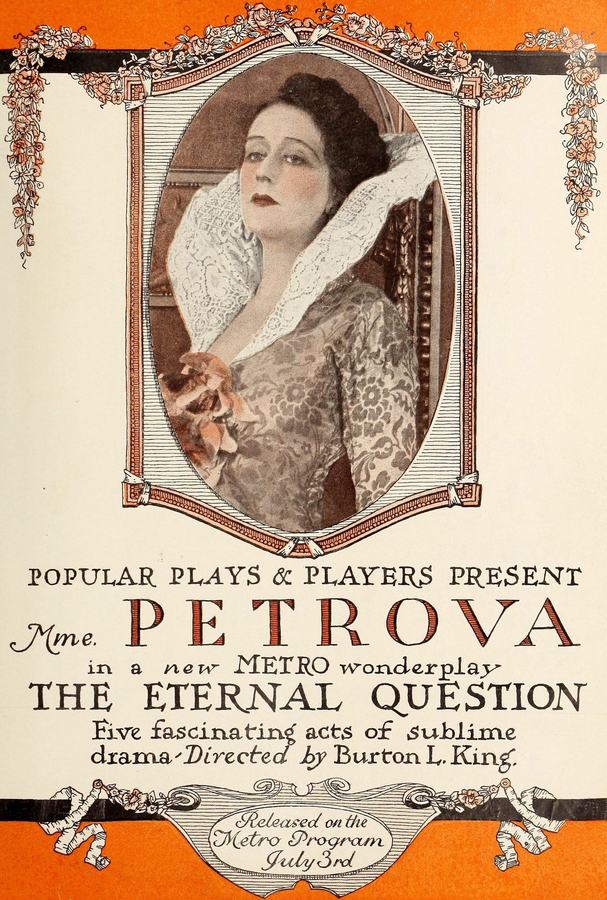
Burton L. King
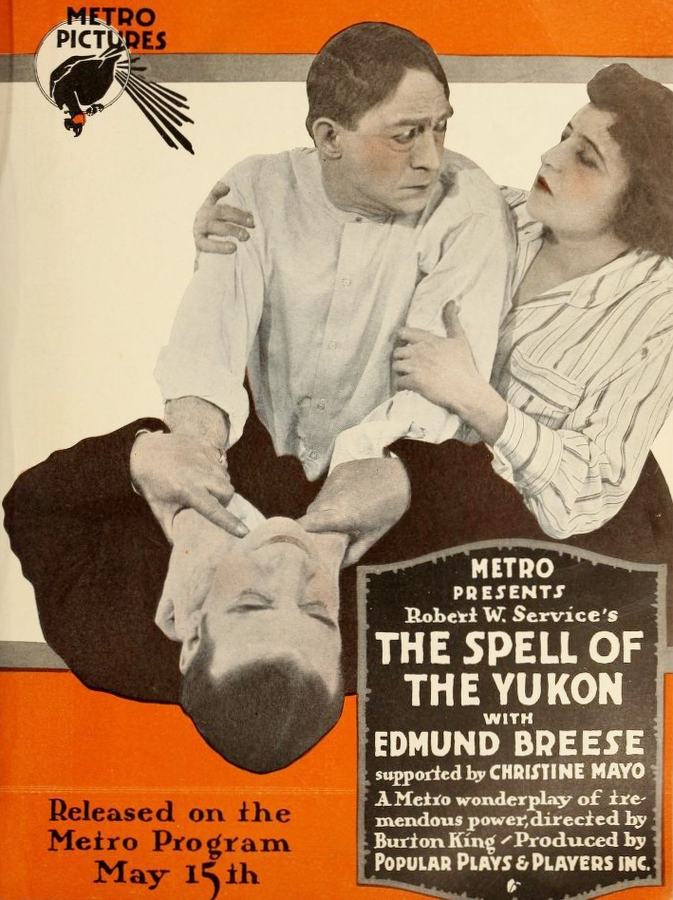
Burton L. King
Community
Log in to comment.
" Imagine, if you can, a world where every whispered lie carries the weight of a stock-ticker crash and every stolen kiss ricochets through ancestral portraits like a bullet through stained glass. For Love or Money—released in November 1913 when the nickelodeon reeked of coal dust and ambition—doesn’t merely depict that world; it distills it into a brittle, glittering tableau of coercion and mercy. Two reels, roughly twenty-three minutes of nitrate eternity, yet the film vibrates with the stubbo..."
Edith Sessions Tupper
United States
Deep dive into the cult classic
Discover similar cinematic experiences
A Directorial Spotlight on Burton L. King