A Princess and a Paradox: The Dual Soul of La Principessa di BagdadIn an age where silent cinema often prioritized spectacle over substance, La principessa di Bagdad emerges as a rare alchemy of both. This 1913 Italian production, helmed by the visionary Luciano Doria and infused with the cerebral lyricism of Alexandre...
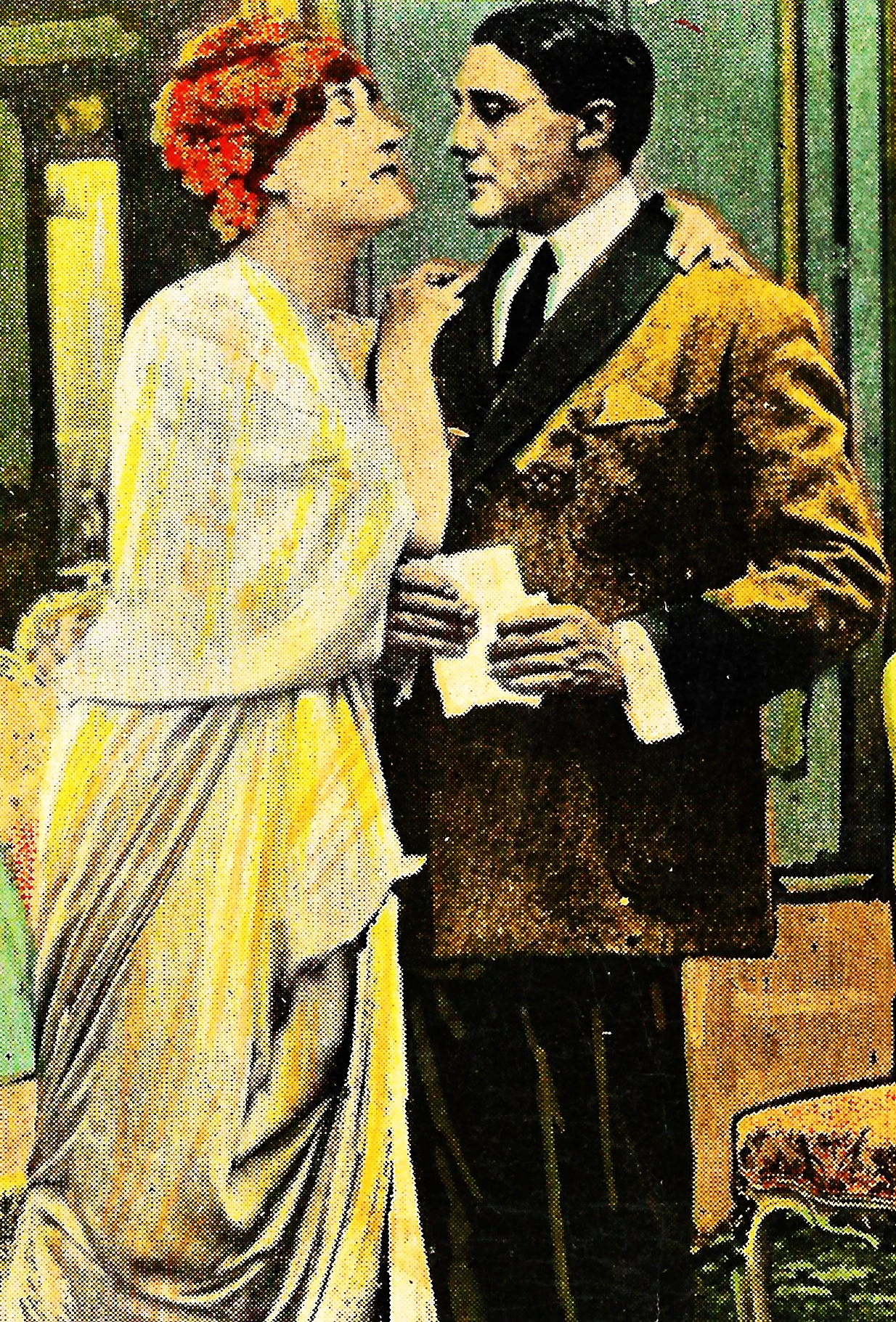
still_frame
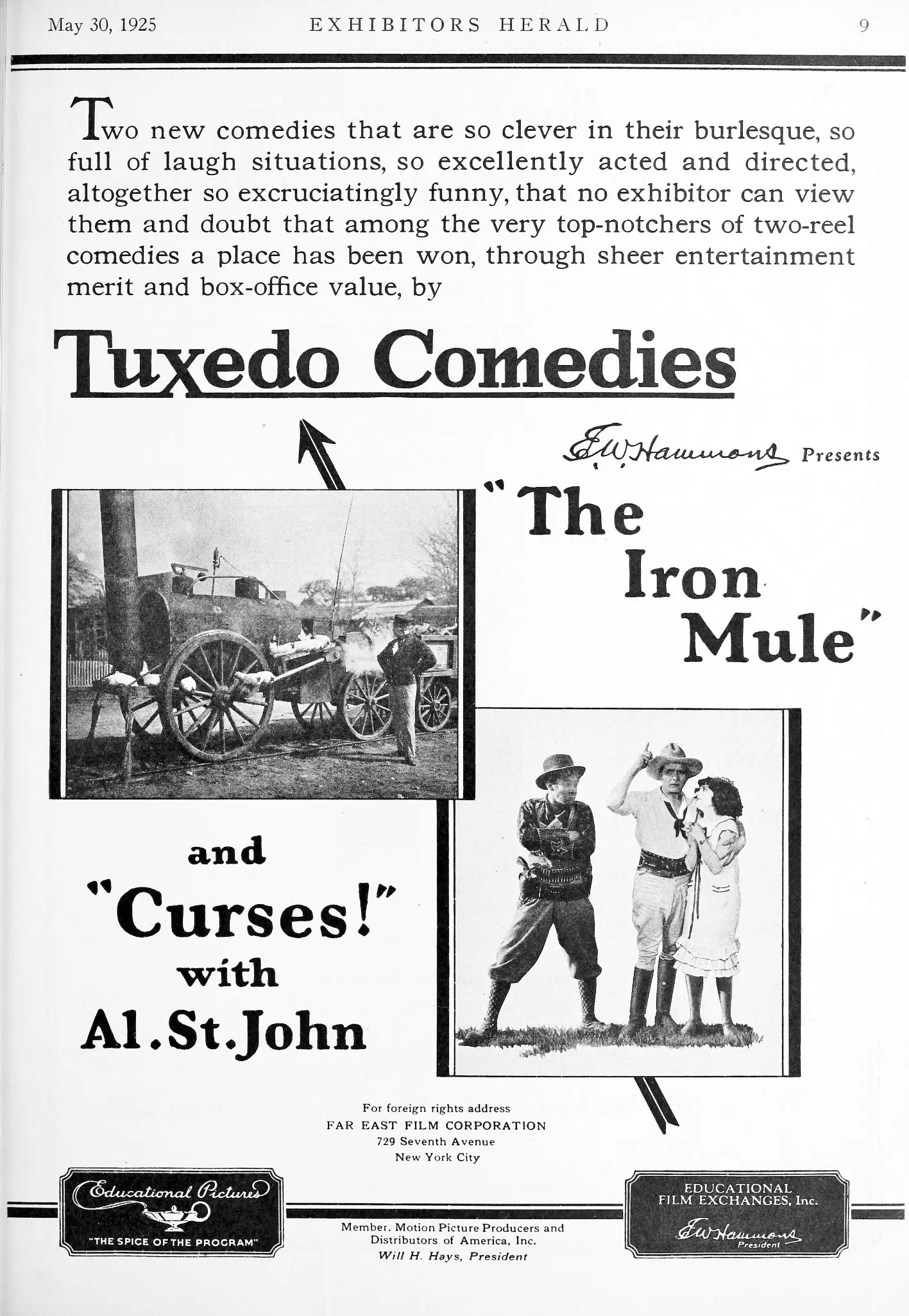
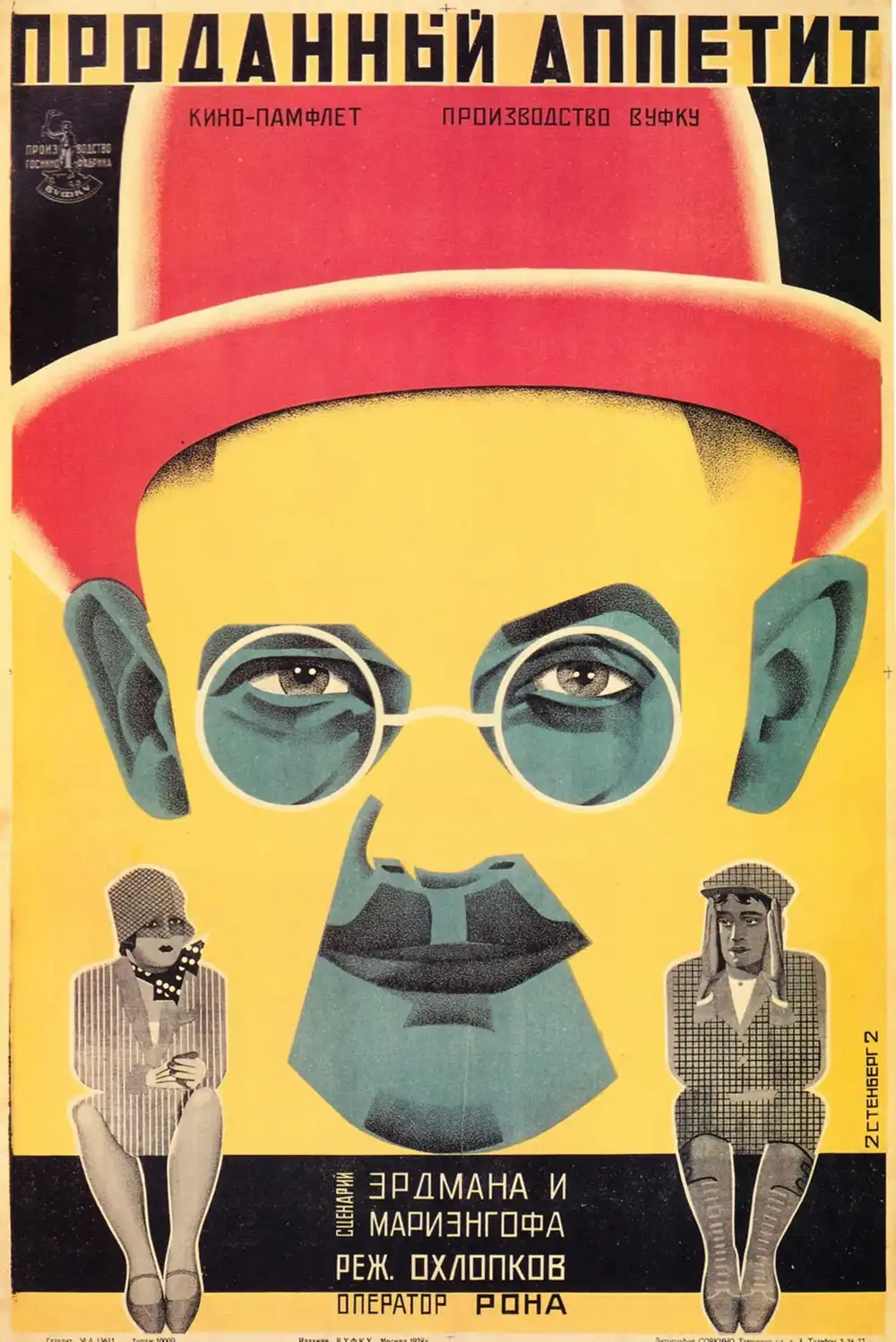
Comparing the cinematic DNA and archive impact of two defining moments in cult history.
Baldassarre Negroni
Baldassarre Negroni
Community
Log in to comment.
"A Princess and a Paradox: The Dual Soul of La Principessa di BagdadIn an age where silent cinema often prioritized spectacle over substance, La principessa di Bagdad emerges as a rare alchemy of both. This 1913 Italian production, helmed by the visionary Luciano Doria and infused with the cerebral lyricism of Alexandre Dumas fils’s adapted script, transcends its era’s limitations to deliver a haunting meditation on power, identity, and the cost of defiance. The film’s eponymous heroine, portraye..."

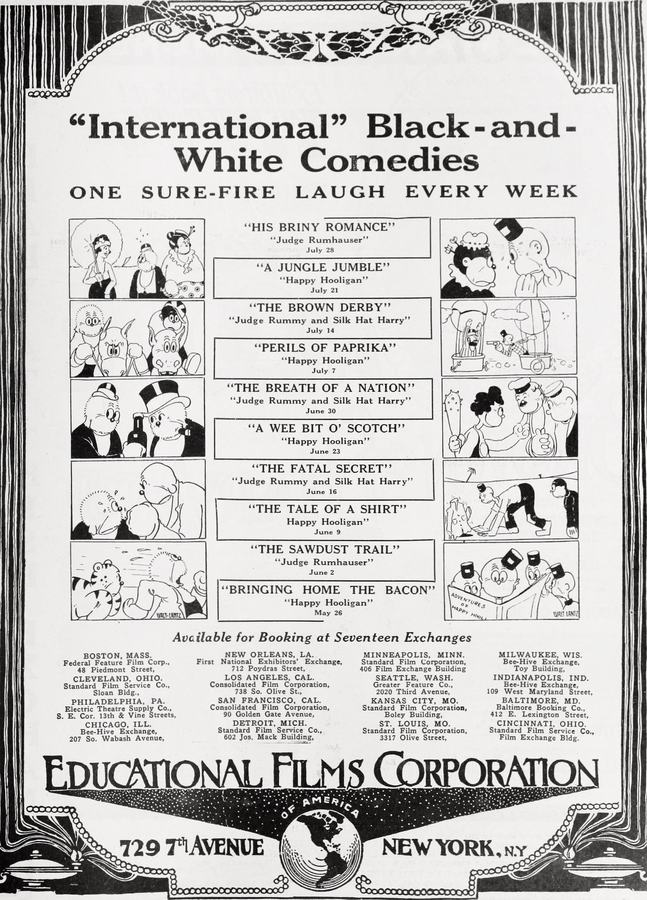
Deep dive into the cult classic
Discover similar cinematic experiences
A Directorial Spotlight on Baldassarre Negroni