The life of Henri-Désiré Landru, French serial killer of around 300 women..
Austria
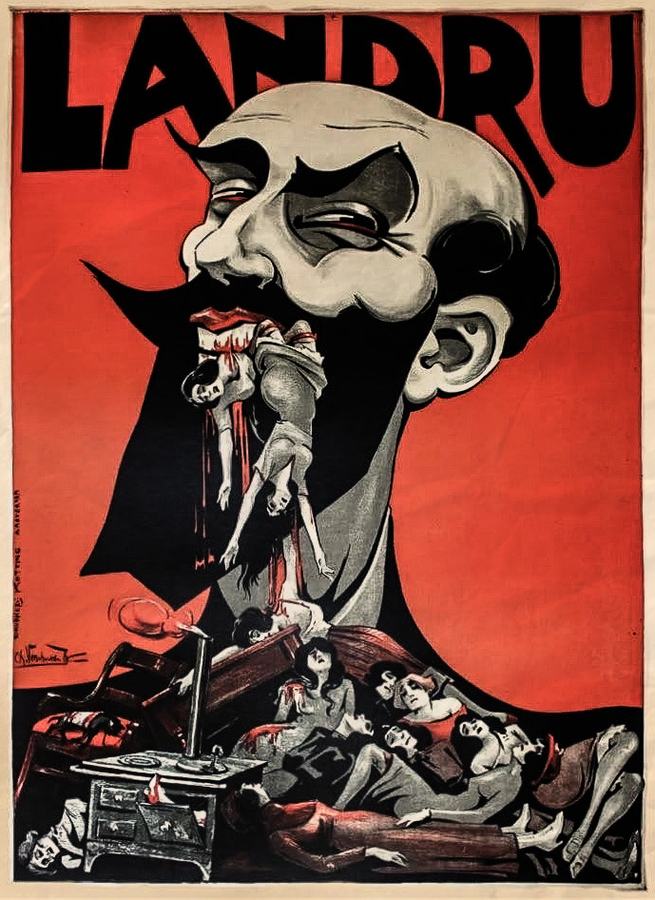
The Banality of the Parisian Bluebeard Cinema has rarely peered into the abyss of human depravity with such unflinching, albeit silent, resolve as it does in Landru, der Blaubart von Paris. This 1922 artifact of the Weimar era captures the essence of Henri-Désiré Landru, a man whose crimes were so heinous they seeme...
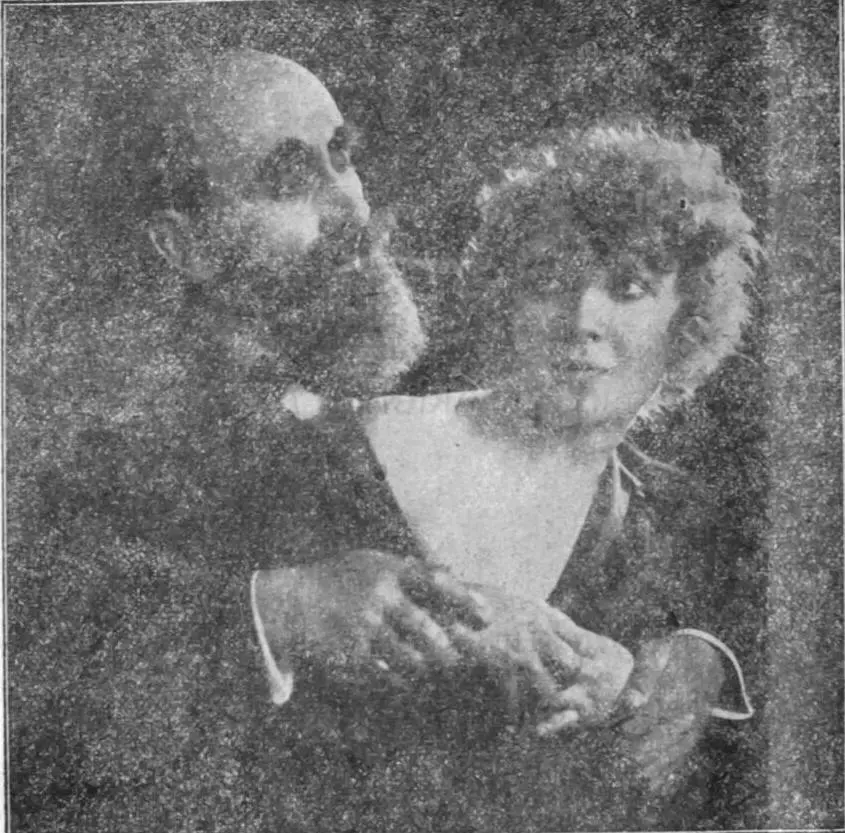
publicity


Comparing the cinematic DNA and archive impact of two defining moments in cult history.
Hans Otto
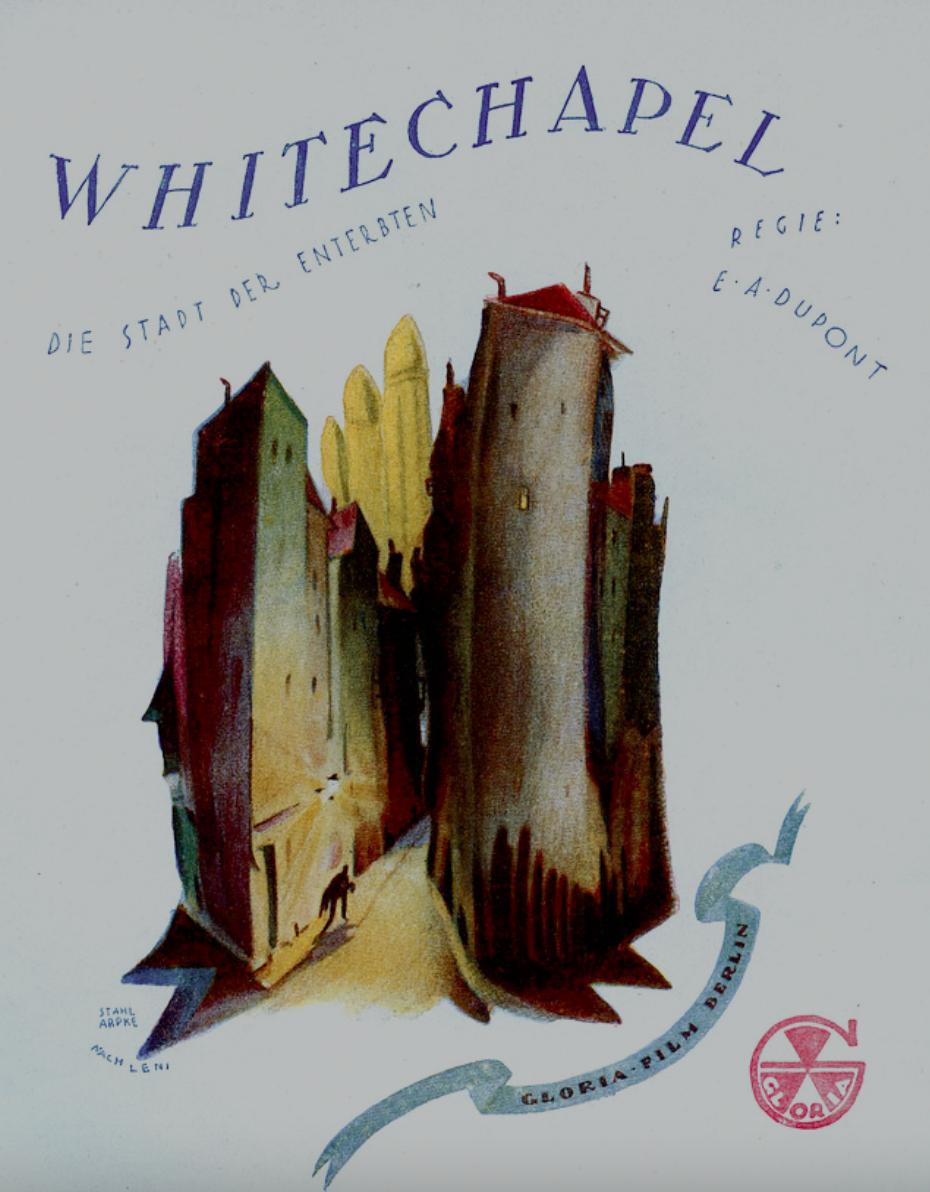
Ewald André Dupont
Community
Log in to comment.
" The Banality of the Parisian Bluebeard Cinema has rarely peered into the abyss of human depravity with such unflinching, albeit silent, resolve as it does in Landru, der Blaubart von Paris. This 1922 artifact of the Weimar era captures the essence of Henri-Désiré Landru, a man whose crimes were so heinous they seemed to emerge from the darkest folklore rather than the streets of modern France. Unlike the romanticized villains of later decades, Landru is presented here as a creature of habit—a..."

Deep dive into the cult classic
Discover similar cinematic experiences
A Directorial Spotlight on Hans Otto