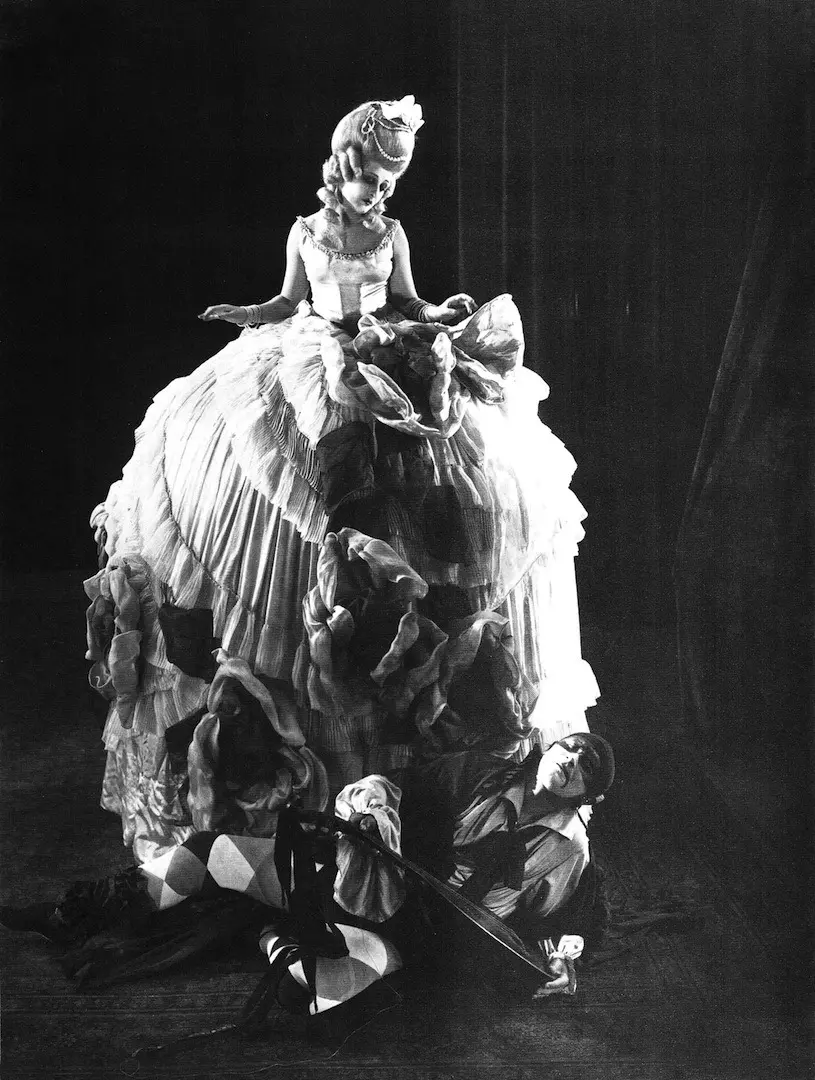
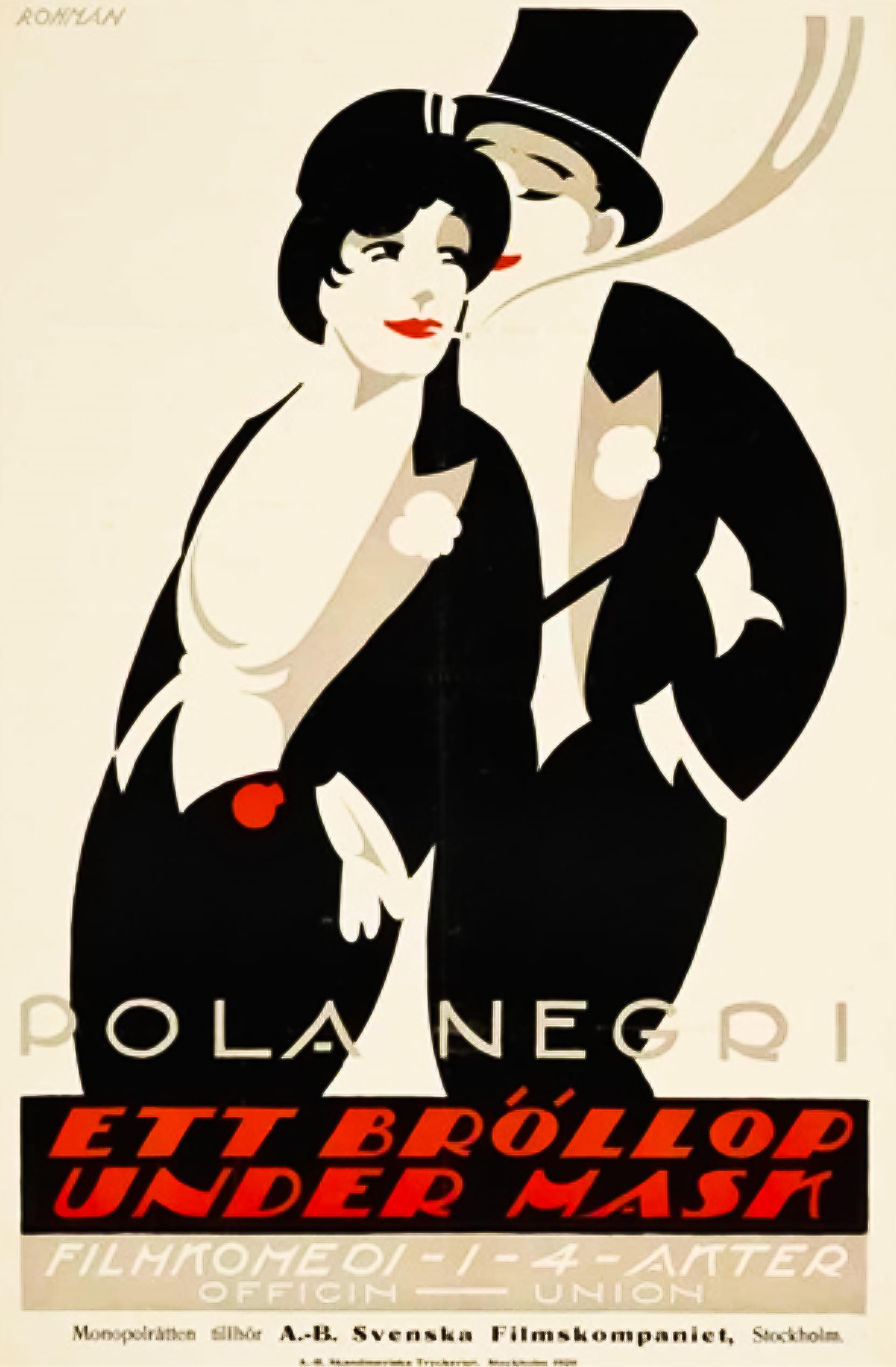
The youngest brother of Napoleon, Jerome, who, after the unfortunate peace of Tilsit, on August 18, 1807, took control of the newly created kingdom of Westphalia, holds his splendid court at Schloss Wilhelmshoehe near Kassel. In the magnificent surroundings of the castle, its beautiful parks and the charming water features, he spends his time in happy garden parties.
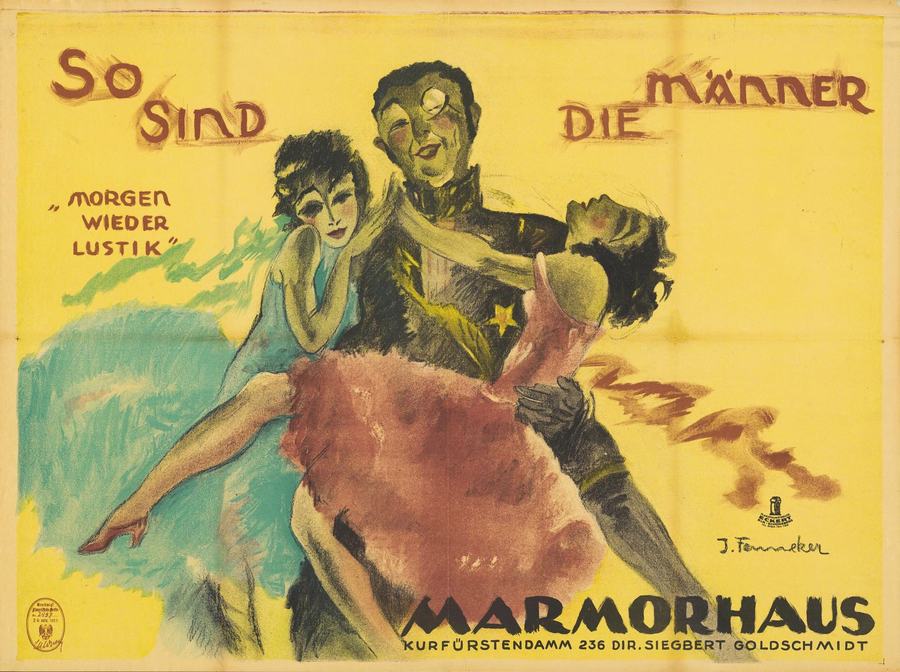
The year 1923 stands as a pivotal juncture in the evolution of German cinema, a period where the stark, jagged shadows of Expressionism began to harmonize with the burgeoning desire for historical grandeur and social satire. Georg Jacoby’s So sind die Männer (alternatively known as Der kleine Napoleon) emerges from ...
Comparing the cinematic DNA and archive impact of two defining moments in cult history.
Georg Jacoby
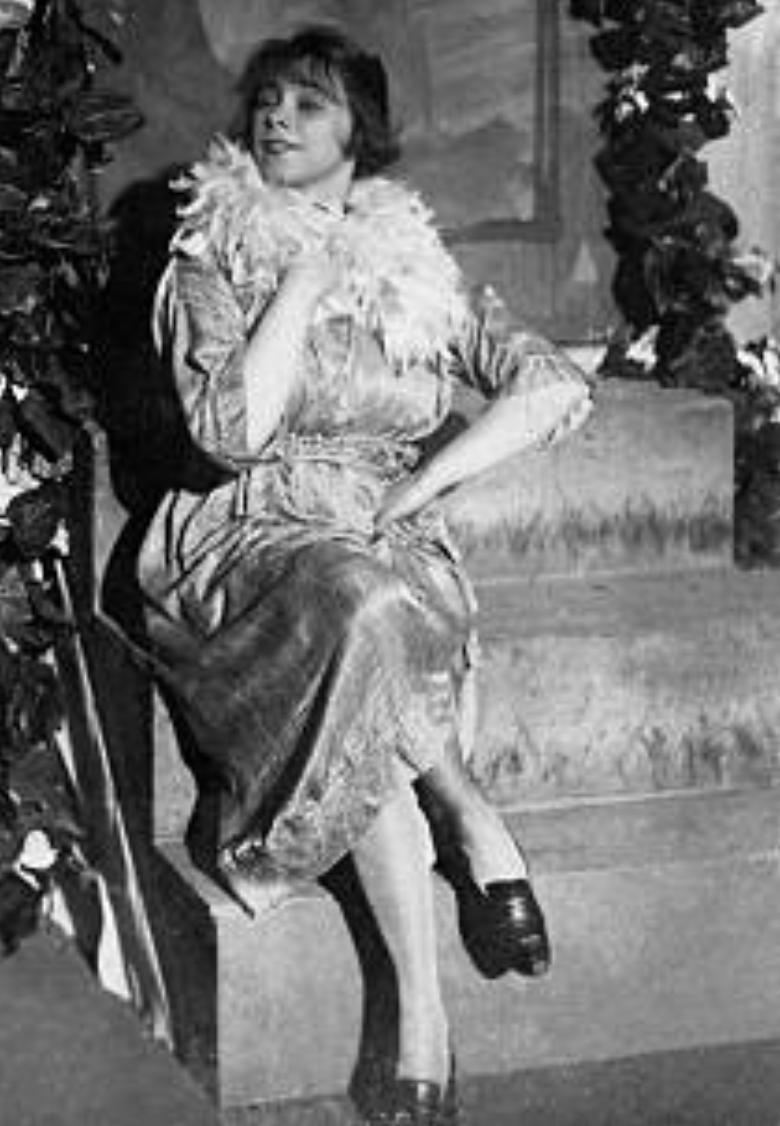
Bruno Ziener
Community
Log in to comment.
" The year 1923 stands as a pivotal juncture in the evolution of German cinema, a period where the stark, jagged shadows of Expressionism began to harmonize with the burgeoning desire for historical grandeur and social satire. Georg Jacoby’s So sind die Männer (alternatively known as Der kleine Napoleon) emerges from this fertile ground, not merely as a chronicle of a minor Napoleonic figure, but as a vibrant testament to the Weimar Republic's fascination with the decadence of the past. It is a..."
Robert Liebmann, Georg Jacoby
Germany
Deep dive into the cult classic
Discover similar cinematic experiences
A Directorial Spotlight on Georg Jacoby