DbcultAccessing Vault...
Cult Review
Senior Film Conservator
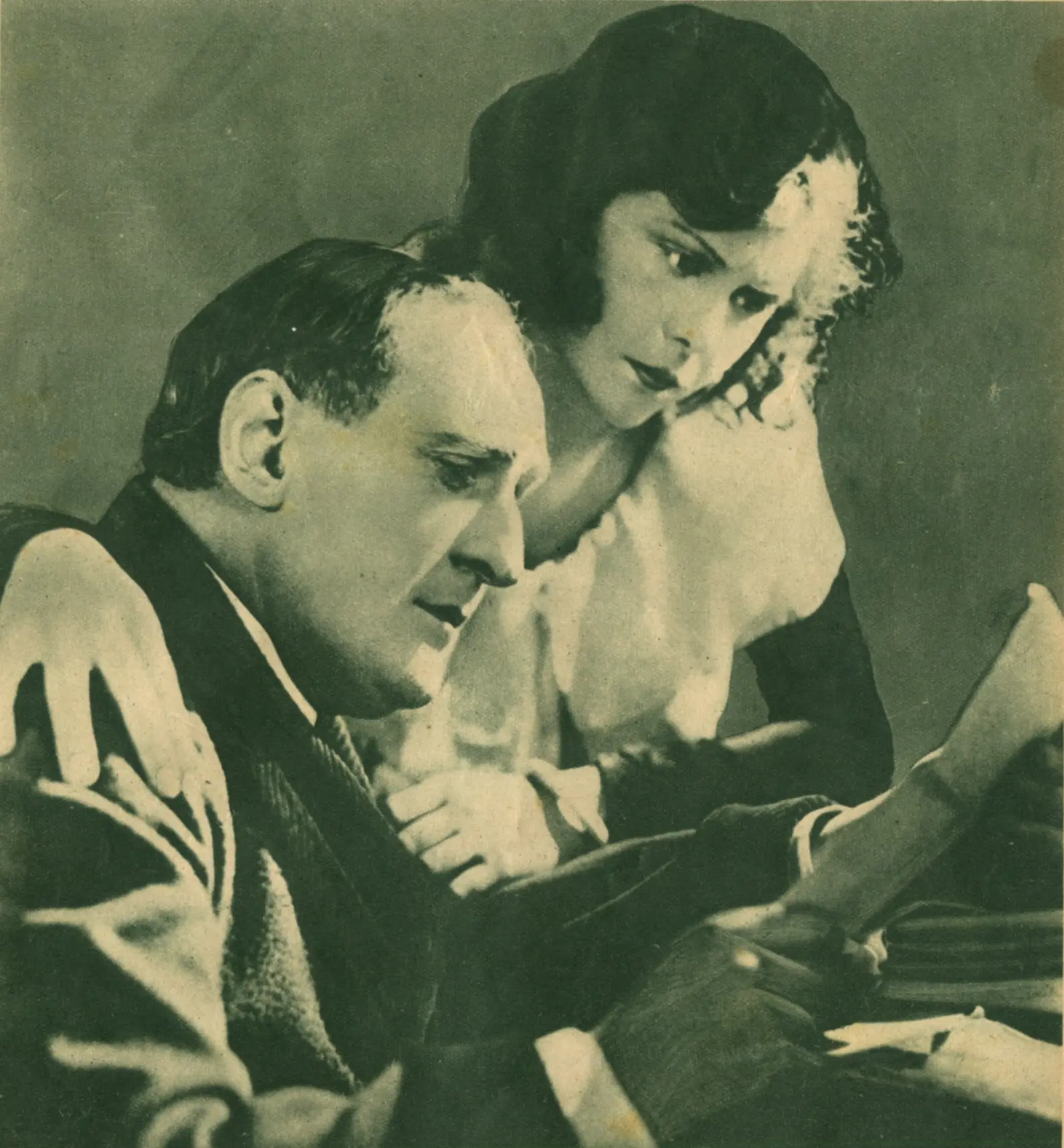
There’s a particular allure to the silent era, an almost mystical quality that transcends mere nostalgia, inviting us to peer into a past where narratives unfolded with an exquisite visual poetry. André Hugon’s 1921 masterwork, 'L'arriviste', stands as a testament to this power, a film that, despite its century-old vintage, pulsates with a startling contemporary relevance. It’s a study in ambition, a searing examination of the human impulse to ascend, to conquer social strata, and to redefine one's destiny, often at a profound personal cost. The film doesn't merely tell a story; it dissects a universal drive, laying bare the mechanics of social engineering long before the term entered our lexicon.
From its opening frames, 'L'arriviste' immerses us in the vibrant, yet rigidly structured, world of post-Great War Paris. This isn't the Paris of romanticized boulevards and artistic bohemia, but a city of sharp class distinctions, where old money and new aspirations clash in subtle, often brutal, ways. Our protagonist, Max Charlier, portrayed with a compelling blend of intensity and vulnerability by the actor of the same name, emerges from this backdrop not as a victim of circumstance, but as a deliberate architect of his own fate. He is the quintessential 'arriviste' – a man who arrives, not by birthright, but by sheer force of will and calculated stratagem. Charlier’s journey is less about physical adventure, like the globe-trotting escapades in a film such as Soldiers of Fortune, and more about an internal, psychological battle for acceptance and power.
What truly distinguishes 'L'arriviste' is its nuanced depiction of Charlier's methodology. He doesn't storm the bastions of high society; he infiltrates them with surgical precision. Max Charlier, the actor, brings a magnetic quality to the role, imbuing his character with an almost predatory charm that is simultaneously alluring and unsettling. We witness his meticulous observations of social customs, his careful mimicry of speech patterns, his subtle adoption of sartorial elegance – each a deliberate step in shedding his humble origins and donning the mantle of the elite. This transformation isn't superficial; it's a deep-seated psychological metamorphosis, and the film allows us to bear witness to every uncomfortable, exhilarating moment of it.
The supporting cast forms the intricate web through which Charlier must navigate. Camille Bert, whose character undoubtedly embodies either a conduit to the upper echelons or a formidable obstacle, delivers a performance that speaks volumes without a single uttered word. Her expressions, her posture, her very presence, convey a complex tapestry of emotions – perhaps initial skepticism, growing fascination, and ultimately, a tragic understanding of Charlier’s true nature. Similarly, Louis Monfils, likely cast as a pillar of the established order or a direct rival, provides the necessary friction for Charlier’s ambition to spark. The interactions between these characters are a masterclass in silent film acting, relying on exaggerated yet heartfelt gestures, intense gazes, and body language that communicates entire unspoken dialogues. It's a dance of power, desire, and deception, reminiscent of the intricate social machinations seen in films like Other People's Money, albeit with a uniquely French sensibility.
At its heart, 'L'arriviste' is a profound meditation on ambition. It asks uncomfortable questions: What is the true cost of success when it's built on artifice? Can one truly belong to a world they were not born into, or are they forever a performer, a fraud in their own eyes? The film suggests that the very act of 'arriving' often necessitates leaving parts of oneself behind, sacrificing authenticity for acceptance. This theme resonates deeply, echoing through countless narratives across cultures and generations, from the striving heroes of Dickens to the modern-day titans of industry. It’s a stark contrast to the straightforward heroism often portrayed in films like Smashing Barriers, where obstacles are met with direct, physical force. Charlier’s barriers are far more insidious, residing in the unwritten rules and prejudices of society.
Hugon, as a director, orchestrates this thematic exploration with remarkable subtlety. He doesn't preach; he shows. The camera often lingers on Charlier's face, capturing the fleeting moments of doubt, the masks of confidence, and the underlying weariness that comes with perpetual performance. There's a poignant loneliness that permeates Charlier's success, a sense that even at the pinnacle, he remains an outsider, forever looking in. This emotional depth elevates 'L'arriviste' beyond a mere rags-to-riches story, transforming it into a poignant human drama. One might even draw parallels to the tragic figure of Lon Chaney in He Who Gets Slapped, where the protagonist also adopts a persona to navigate a cruel world, though Charlier’s ambition is driven by gain rather than pure vengeance or self-abasement.
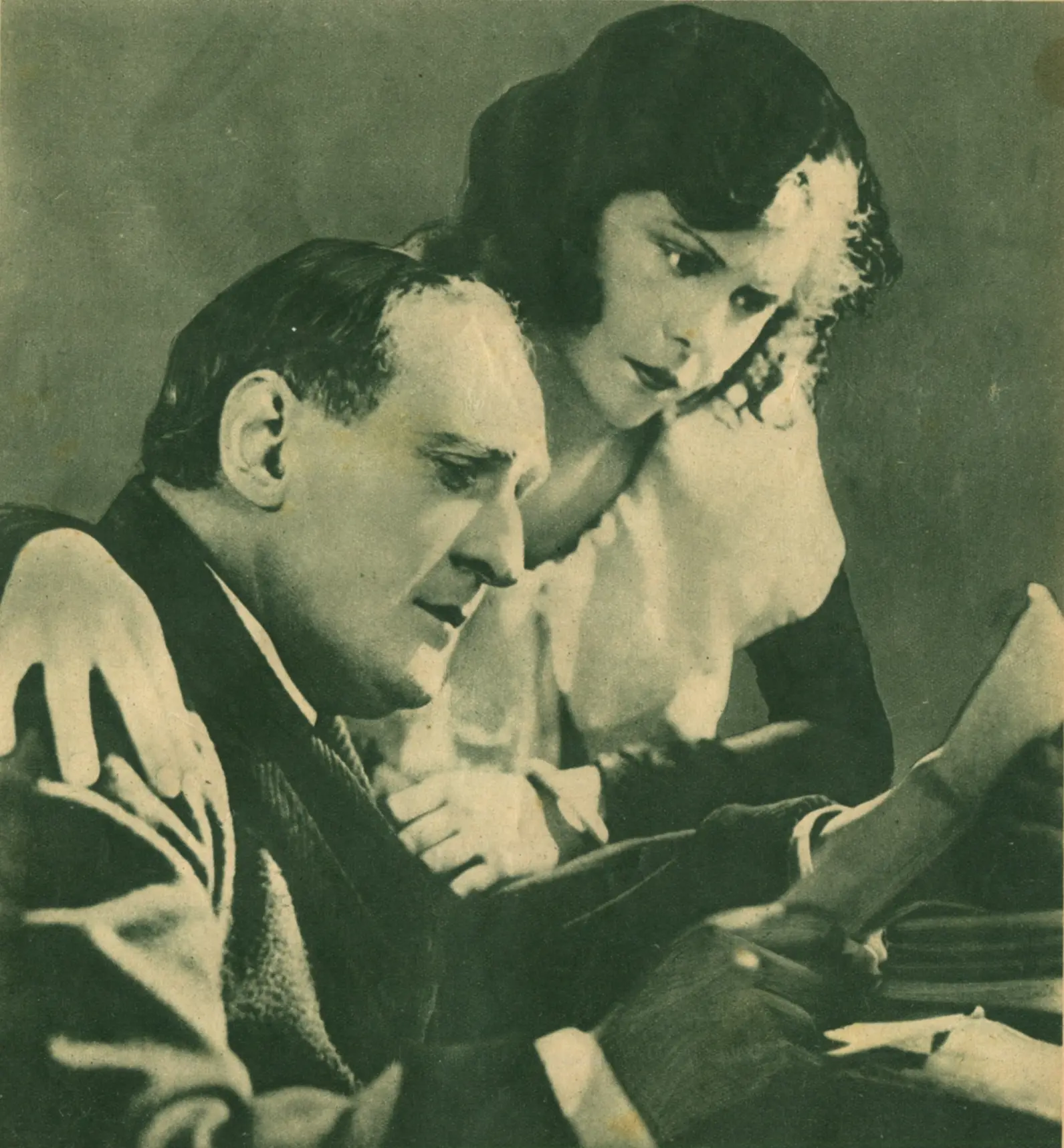
André Hugon’s directorial hand is both precise and expansive. He leverages the full expressive potential of silent cinema, utilizing striking compositions, evocative lighting, and intelligent editing to convey complex emotions and narrative developments. The Parisian backdrops are not just scenery; they are characters in themselves, reflecting the grandeur and indifference of the world Charlier strives to conquer. From opulent ballrooms to dimly lit Parisian streets, each setting is imbued with a sense of place and atmosphere that grounds the story in a tangible reality. The pacing is deliberate, allowing scenes to breathe and emotions to fully register, rather than rushing through plot points. This careful construction ensures that every gesture, every glance, every subtle shift in expression carries significant weight, a hallmark of truly exceptional silent filmmaking.
Consider the use of mise-en-scène: the crowded social events where Charlier observes from the periphery before making his move, or the intimate, tension-filled encounters where his fate hangs in the balance. Hugon uses these visual cues to underscore the power dynamics at play. The contrast between Charlier’s initial humble attire and his later impeccable suits is not just a cosmetic change; it's a visual metaphor for his internal transformation and his adopted identity. The film's visual style, while rooted in the aesthetic of its time, possesses a timeless elegance, ensuring that its message remains clear and impactful even without spoken dialogue. This meticulous attention to visual detail and character transformation can be seen in other silent films focusing on personal journeys, such as The Chauffeur, where a character's role and perception are inextricably linked to their outward presentation.
While Max Charlier's performance as the titular arriviste is undeniably the film's beating heart, the strength of the ensemble cannot be overstated. Each actor, from Camille Bert's nuanced portrayal to Louis Monfils's commanding presence, contributes significantly to the film's rich tapestry. Gilbert Dalleu, Jean d'Yd, Georges Deneubourg, Henri Baudin, Jeanne Helbling, Pierre Blanchar, Alexis Ghasne, Paul Jorge, Henri Deneyrieu, and Ginette Maddie – the collective talent of these performers creates a believable, complex world for Charlier to navigate. They embody the various facets of Parisian society: the cynical old guard, the naive ingenues, the ambitious rivals, and the silent observers. Their reactions to Charlier, whether of suspicion, admiration, or disdain, are crucial in defining his journey and the audience's perception of his character. It’s this intricate dance of human interaction, rather than grand spectacles or overt action sequences, that truly drives the narrative forward, much like the subtle interpersonal dynamics that might define a film like The Undercurrent.
The writers, Félicien Champsaur and André Hugon, craft a narrative that, while perhaps familiar in its core premise, feels fresh and incisive due to its psychological depth. They delve into the motivations behind Charlier's ambition, exploring not just the desire for wealth, but for validation, for a place at the table, for the recognition that society often reserves for those born into privilege. This humanistic approach elevates the story beyond a simple morality tale, inviting viewers to empathize with Charlier’s struggle even as they might question his methods. The screenplay, translated through Hugon's visual language, articulates the silent anxieties and burning desires that define the human condition, making it a timeless narrative that resonates across generations. The film's exploration of identity and aspiration finds parallels in the struggles of individuals striving to find their place, much like the character's journey in A Sailor-Made Man, though with vastly different social contexts and comedic tones.
One hundred years on, 'L'arriviste' remains a profoundly relevant film. In an age saturated with curated online personas and the constant pressure to present an idealized version of oneself, Charlier's journey feels uncannily contemporary. The film serves as a potent reminder that the quest for status and acceptance, the desire to 'arrive,' is a cyclical human endeavor, often fraught with deception and disillusionment. Its themes of social mobility, identity, and the price of ambition are as pertinent today as they were in 1921. It stands as a testament to the enduring power of silent cinema to explore complex human emotions and societal structures with grace, nuance, and an indelible visual flair.
Hugon's film doesn't just entertain; it provokes thought. It challenges us to look inward, to examine our own aspirations and the lengths we might go to achieve them. It forces us to question the authenticity of the facades we present to the world and the true nature of belonging. For silent film aficionados, it's a captivating glimpse into the artistry and narrative sophistication of early French cinema. For newcomers, it's an accessible and deeply rewarding experience that proves the universality of human stories, regardless of the era or the medium. Its intricate portrayal of social maneuvering is a masterclass in subtlety that even modern dramas could learn from, demonstrating that true tension often lies in unspoken desires and carefully concealed intentions. The intricate social tapestry and personal struggles depicted here resonate with the quiet intensity found in films like Vicenta, though the societal pressures and ambitions manifest in uniquely distinct ways.
In a cinematic landscape often dominated by spectacle, 'L'arriviste' reminds us of the profound impact of character-driven drama, where the internal struggles of an individual navigating a complex world can be far more compelling than any external conflict. It's a film that lingers long after the final frame, prompting reflection on the nature of identity, the relentless pursuit of dreams, and the often-elusive promise of true fulfillment. A truly essential viewing for anyone interested in the enduring power of storytelling, and a shining example of why silent cinema remains an invaluable chapter in the history of film. Its nuanced character study and exploration of societal pressures offer a depth that transcends its era, making it a compelling piece of art that continues to speak volumes about the human condition, much like the quieter, more introspective journey of a character in The Blue Jay, though with a distinctly different focus on social climbing versus personal introspection.
IMDb —
1928
Community
Log in to comment.