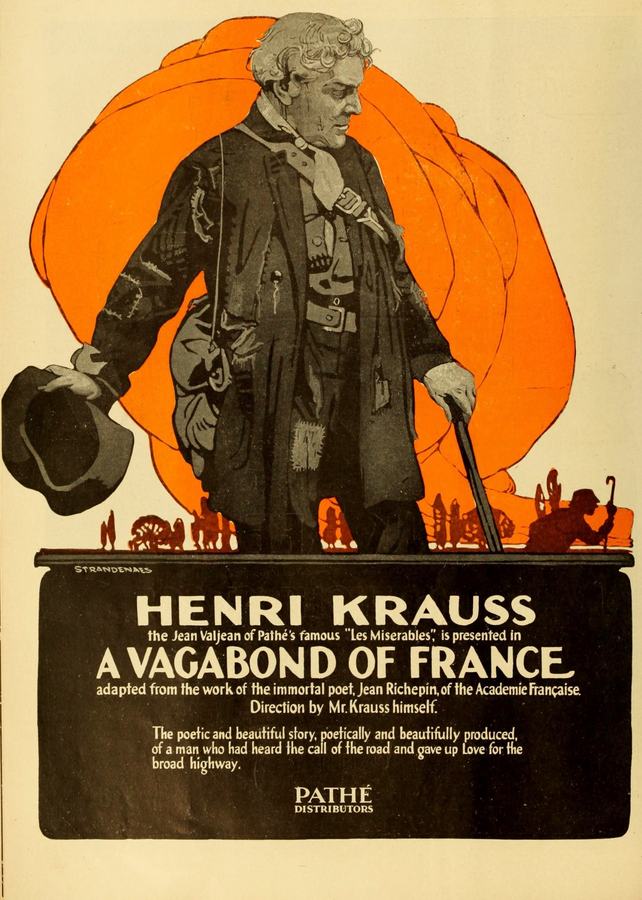
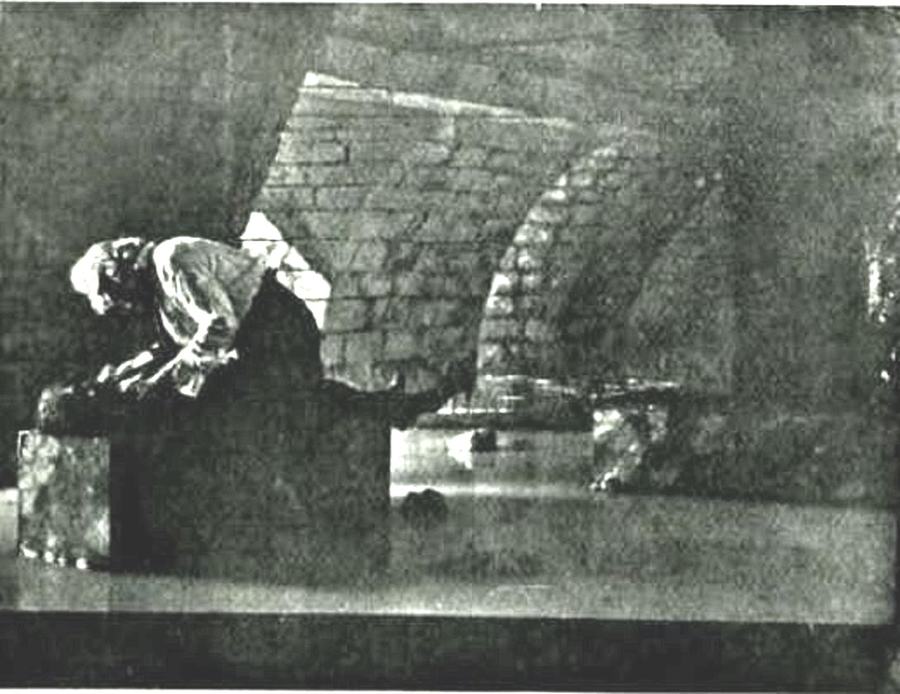
The vagabond comes to the little village and to the farm of Pierre, where toil Toinon and Francois. There is a plague upon the sheep, and the vagabond pauses in his wanderings to cure the sheep - and win the love of Toinon.
Jean Richepin
France
body{color:#fff;background:#000;font-family:'Segoe UI',sans-serif;margin:0;padding:2rem;}a{color:#0E7490;text-decoration:none;}a:hover{color:#EAB308;}strong{color:#C2410C;}em{color:#EAB308;} The first time I saw Le Chemineau I was drunk on winter light, the sort that slants through attic windows and makes dust motes l...
Comparing the cinematic DNA and archive impact of two defining moments in cult history.
Henry Krauss
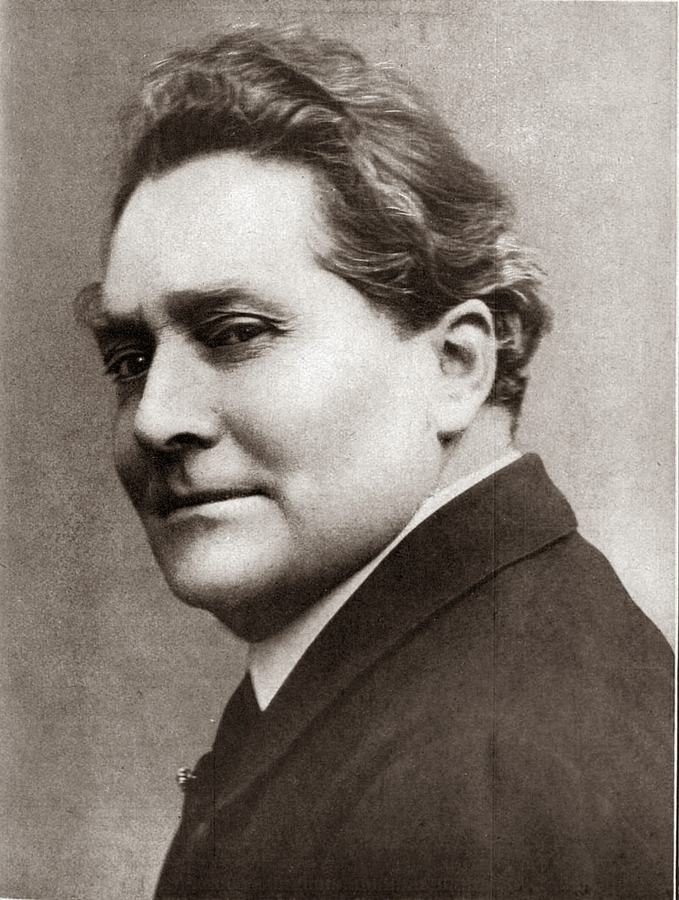
Henry Krauss
Community
Log in to comment.
"body{color:#fff;background:#000;font-family:'Segoe UI',sans-serif;margin:0;padding:2rem;}a{color:#0E7490;text-decoration:none;}a:hover{color:#EAB308;}strong{color:#C2410C;}em{color:#EAB308;} The first time I saw Le Chemineau I was drunk on winter light, the sort that slants through attic windows and makes dust motes look like cosmic ash. The print was bruised, flickering, its nitrate bruises bleeding into the emulsion until the vagabond’s silhouette became a rip in reality. Silent cinema at its..."
Deep dive into the cult classic
Discover similar cinematic experiences
A Directorial Spotlight on Henry Krauss