DbcultAccessing Vault...
Cult Review
Senior Film Conservator
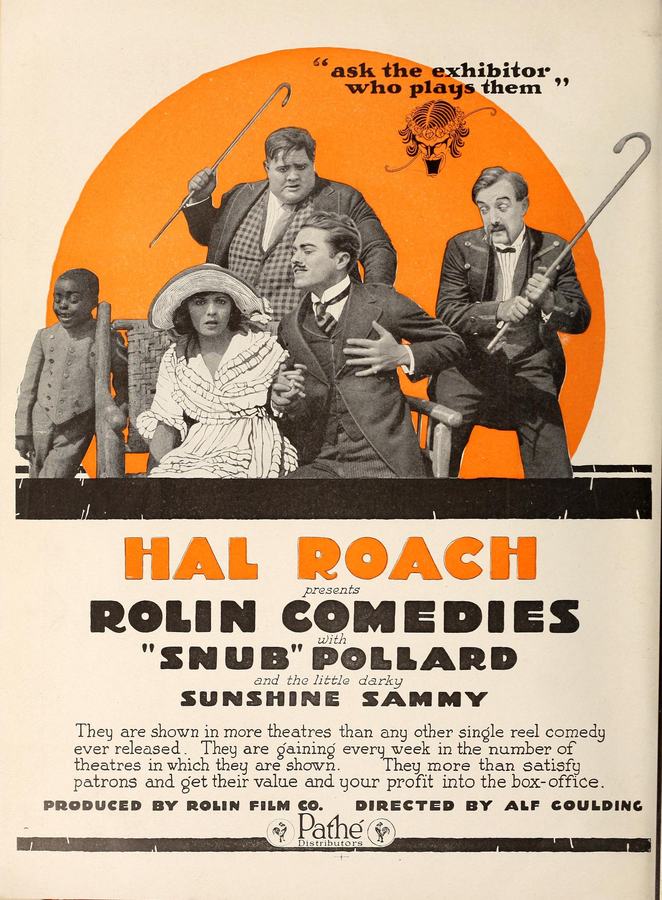
The film Fellow Citizens presents a nuanced and multifaceted exploration of the human experience, delving into the intricacies of relationships, personal growth, and the quest for autonomy. Through the protagonist's journey, we are invited to reflect on the societal norms and expectations that shape our lives and the ways in which we can challenge and subvert them. The film's use of dark orange hues and muted tones creates a sense of melancholy and introspection, perfectly capturing the protagonist's emotional state as he navigates his stifling marriage and newfound sense of freedom.
The cast, comprising yellow-tinged characters like Ernest Morrison and Marie Mosquini, brings a sense of authenticity and depth to the narrative. Their performances are infused with a sense of vulnerability and relatability, making it easy for the audience to become invested in their stories. The chemistry between the actors is palpable, and their interactions are fraught with tension, humor, and a deep sense of humanity. In contrast to films like Il mulino, which often rely on melodrama and sensationalism, Fellow Citizens adopts a more subtle and restrained approach, allowing the characters' emotions and relationships to take center stage.
One of the most striking aspects of the film is its use of sea blue tones to convey a sense of longing and wistfulness. These hues are juxtaposed with the dark orange and yellow tones, creating a visually stunning and emotionally resonant palette. The cinematography is equally impressive, with a keen attention to detail and a deep understanding of the ways in which lighting and composition can be used to evoke mood and atmosphere. In this regard, Fellow Citizens bears some resemblance to The Bridge of Sighs, which also explores the interplay between light, color, and emotion.
The film's narrative is structured around a series of vignettes and episodes, each of which offers a unique perspective on the protagonist's journey. These vignettes are often humorous and lighthearted, but they also contain a deep sense of pathos and emotional resonance. The film's writers, including Hal Roach, demonstrate a keen understanding of the human condition, and their script is infused with a sense of wisdom, compassion, and insight. In comparison to films like The Fibbers and Juan soldado, which often rely on broad comedy and slapstick humor, Fellow Citizens adopts a more nuanced and subtle approach, using humor to illuminate the complexities and contradictions of human relationships.
As the protagonist navigates his new relationships and experiences, he is forced to confront the constraints and limitations of his old life. This is a painful and difficult process, but it is also a deeply liberating one. Through his journey, we are reminded of the importance of autonomy, self-expression, and personal growth, and the ways in which these values can be used to challenge and subvert societal norms. In this regard, Fellow Citizens bears some resemblance to films like Miarka, the Child of the Bear and Master Shakespeare, Strolling Player, which also explore the tensions between individuality and conformity.
The film's exploration of relationships and personal growth is both poignant and humorous, offering a nuanced and multifaceted portrayal of the human experience. The cast delivers strong performances, and the cinematography is visually stunning. The use of dark orange, yellow, and sea blue tones creates a unique and captivating visual palette, and the script is infused with a sense of wisdom, compassion, and insight. Overall, Fellow Citizens is a deeply moving and thought-provoking film that lingers in the mind long after the credits have rolled. In comparison to films like Married in Name Only and Our Little Wife, which often rely on melodrama and sentimentalism, Fellow Citizens offers a more subtle and restrained approach, one that is both deeply human and profoundly cinematic.
In addition to its thoughtful exploration of relationships and personal growth, Fellow Citizens also offers a nuanced portrayal of the social and cultural context in which the story takes place. The film's use of sea blue tones and muted colors creates a sense of melancholy and introspection, perfectly capturing the mood and atmosphere of the era. The cinematography is equally impressive, with a keen attention to detail and a deep understanding of the ways in which lighting and composition can be used to evoke mood and atmosphere. In this regard, Fellow Citizens bears some resemblance to films like Little Sunset and El protegido de Satán, which also explore the interplay between light, color, and emotion.
The film's themes of autonomy, self-expression, and personal growth are both poignant and humorous, offering a nuanced and multifaceted portrayal of the human experience. The cast delivers strong performances, and the cinematography is visually stunning. The use of dark orange, yellow, and sea blue tones creates a unique and captivating visual palette, and the script is infused with a sense of wisdom, compassion, and insight. Overall, Fellow Citizens is a deeply moving and thought-provoking film that lingers in the mind long after the credits have rolled. In comparison to films like My Little Sister and The Mortgaged Wife, which often rely on melodrama and sensationalism, Fellow Citizens offers a more subtle and restrained approach, one that is both deeply human and profoundly cinematic.
The film's exploration of the human condition is both poignant and humorous, offering a nuanced and multifaceted portrayal of the complexities and contradictions of human relationships. The cast delivers strong performances, and the cinematography is visually stunning. The use of dark orange, yellow, and sea blue tones creates a unique and captivating visual palette, and the script is infused with a sense of wisdom, compassion, and insight. Overall, Fellow Citizens is a deeply moving and thought-provoking film that lingers in the mind long after the credits have rolled. In comparison to films like Sealed Lips and Camping Out, which often rely on melodrama and sentimentalism, Fellow Citizens offers a more subtle and restrained approach, one that is both deeply human and profoundly cinematic.
In conclusion, Fellow Citizens is a film that will resonate with audiences on a deep and profound level. Its thoughtful exploration of relationships, personal growth, and the human condition is both poignant and humorous, offering a nuanced and multifaceted portrayal of the complexities and contradictions of human experience. The cast delivers strong performances, and the cinematography is visually stunning. The use of dark orange, yellow, and sea blue tones creates a unique and captivating visual palette, and the script is infused with a sense of wisdom, compassion, and insight. Overall, Fellow Citizens is a deeply moving and thought-provoking film that lingers in the mind long after the credits have rolled, and it is a testament to the power of cinema to capture the human experience in all its complexity and beauty, much like films such as Le lys du Mont Saint-Michel.

IMDb 7.2
1930
Community
Log in to comment.