DbcultAccessing Vault...
Cult Review
Senior Film Conservator
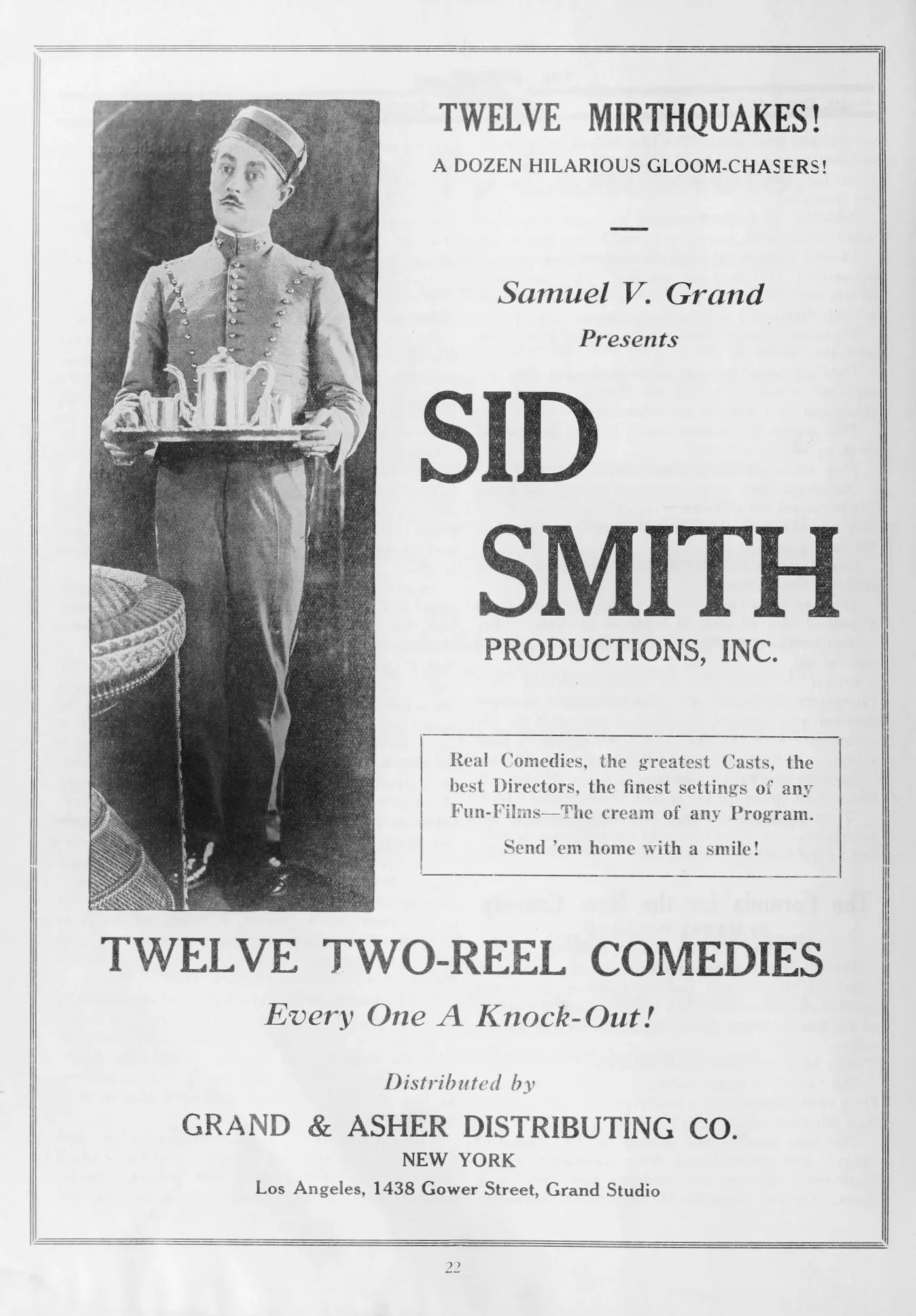
The Lucky Rube presents a fascinating narrative that delves into the intricacies of the human experience, where the protagonist, played by Duane Thompson, finds himself at the crossroads of tradition and progress. The film's use of a dream sequence as a catalyst for the protagonist's transformation is a clever device, allowing the audience to witness his growth and newfound understanding of the world beyond the confines of his small town. As he navigates the city, he is exposed to a plethora of new ideas and innovations, which he later applies to his own community, thereby instigating a wave of modernization that transforms the very fabric of Hickville.
One of the most striking aspects of The Lucky Rube is its thoughtful exploration of the human condition, where the protagonist's journey serves as a metaphor for the universal quest for self-improvement and the pursuit of knowledge. The film's cinematography is equally impressive, with a keen attention to detail that captures the stark contrasts between the rural landscape of Hickville and the urban jungle of the city, evoking a sense of dark orange hues that permeate the protagonist's subconscious mind.
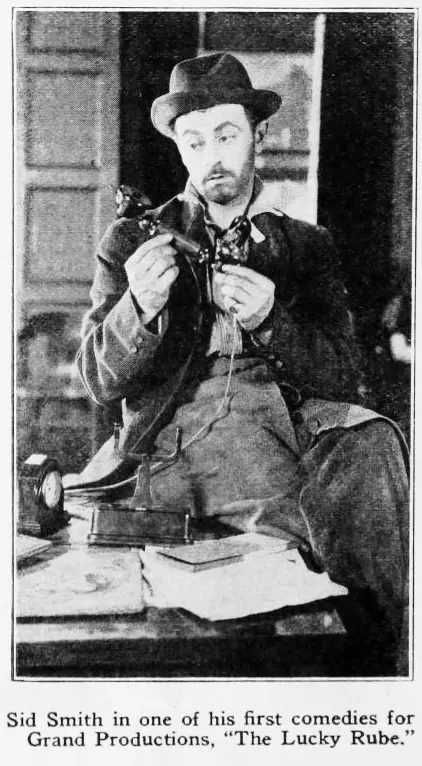
In comparison to other films of the era, such as Woman Against Woman; or, Rescued in the Clouds, The Lucky Rube stands out for its nuanced characterization and thoughtful pacing, which allows the audience to become fully invested in the protagonist's journey. The film's themes of personal growth and community development are also reminiscent of Pleasure Seekers, although The Lucky Rube presents a more subdued and introspective tone, punctuated by moments of yellow optimism that peek through the protagonist's struggles.
The Lucky Rube also explores the idea of identity and how it is shaped by one's experiences and environment, a theme that is also present in films like Dark Secrets and Blutschande. However, The Lucky Rube presents a more hopeful and uplifting narrative, one that suggests that individuals have the power to shape their own destiny and create positive change in their communities, much like the sea blue hues that symbolize the protagonist's emotional depth and capacity for growth.
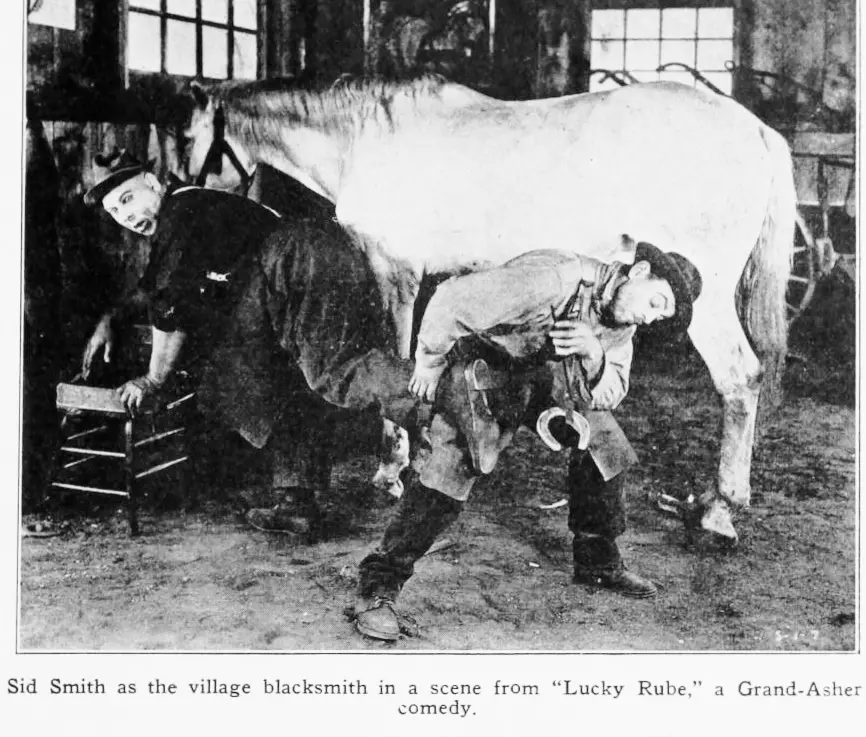
The film's supporting cast, including Sidney Smith, adds depth and complexity to the narrative, and their characters serve as foils to the protagonist's journey, highlighting the challenges and obstacles that he faces as he attempts to modernize his community. The Lucky Rube is a film that will resonate with audiences who appreciate thoughtful, character-driven storytelling, and its exploration of the human condition makes it a compelling watch for anyone interested in cinema that challenges and inspires.
In terms of its place within the broader cinematic landscape, The Lucky Rube can be seen as a precursor to films like Burglar Proof and Be My Wife, which also explore themes of identity, community, and personal growth. However, The Lucky Rube presents a unique blend of drama and social commentary, one that is both poignant and thought-provoking, and its use of a dream sequence as a narrative device adds a layer of complexity and depth to the story that sets it apart from other films of the era.
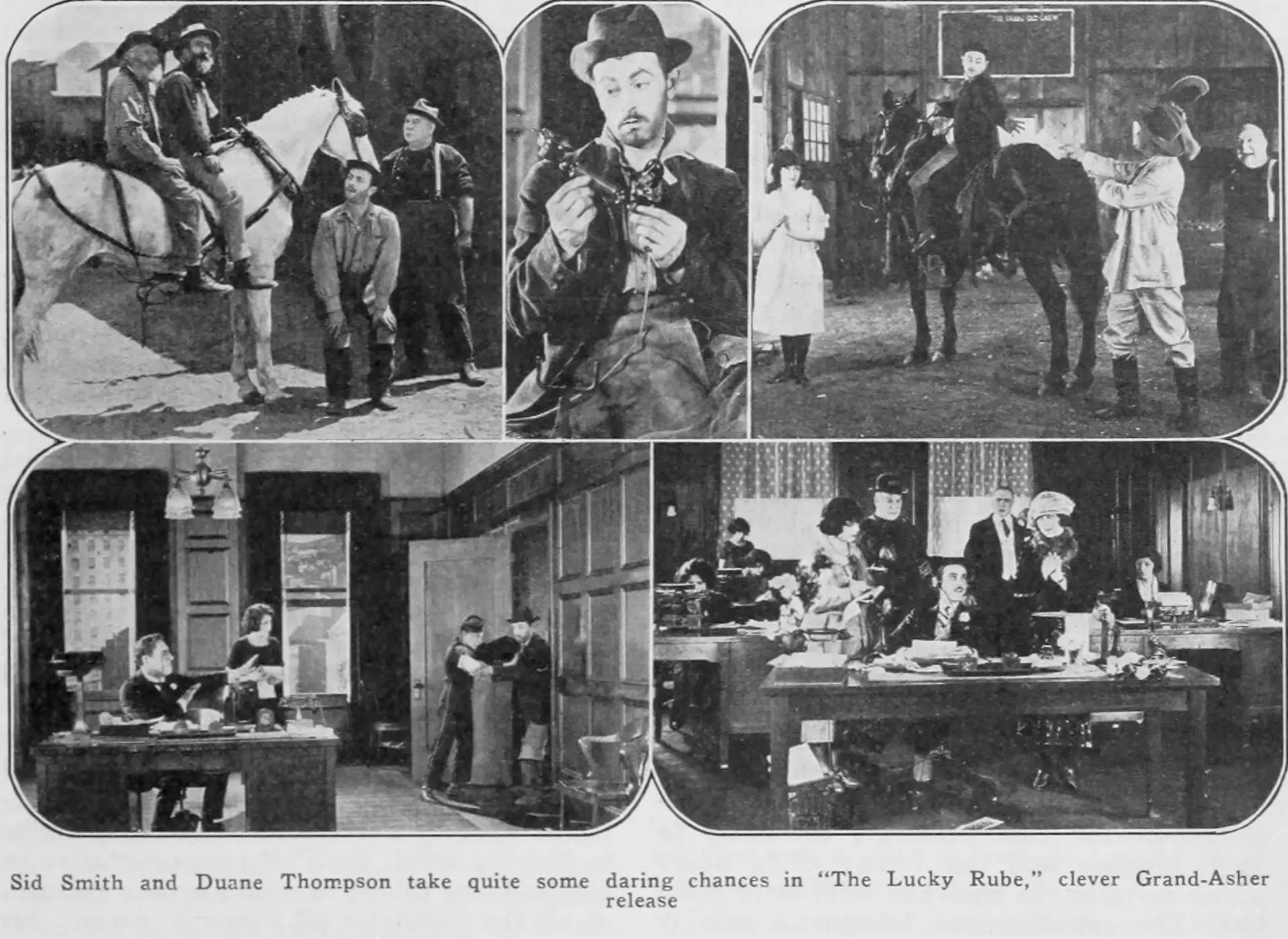
The Lucky Rube is a film that will appeal to fans of classic cinema, particularly those who enjoy films like Crashin' Thru and The Heart of Nora Flynn, which also feature strong characters and engaging storylines. The film's pacing is well-balanced, with a narrative that flows smoothly and is punctuated by moments of tension and drama, making it a compelling watch for audiences who appreciate a good story well-told.
In conclusion, The Lucky Rube is a film that is both a product of its time and a timeless classic, one that explores universal themes and ideas that continue to resonate with audiences today. Its thoughtful exploration of the human condition, combined with its engaging storyline and well-developed characters, make it a must-see for anyone interested in classic cinema, and its influence can be seen in films like In a Pinch and I tre moschettieri, which also feature strong characters and compelling storylines.
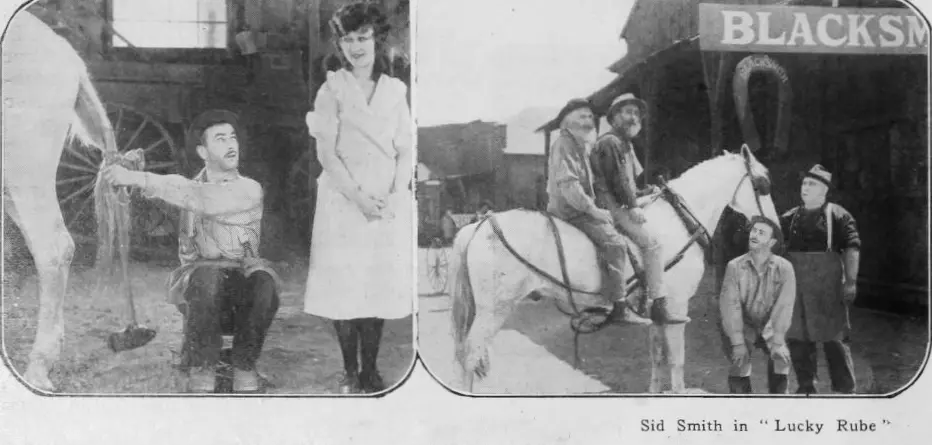
The Lucky Rube is a film that will continue to inspire and challenge audiences, and its exploration of the human condition makes it a compelling watch for anyone interested in cinema that explores the complexities and nuances of human experience. With its richly detailed characters, engaging storyline, and thought-provoking themes, The Lucky Rube is a film that will remain a classic for generations to come, and its influence can be seen in films like Heavy Seas and Food for Scandal, which also feature strong characters and compelling storylines.
The film's use of symbolism and metaphor adds a layer of depth and complexity to the narrative, with the dark orange hues that permeate the protagonist's subconscious mind serving as a symbol of his emotional depth and capacity for growth. The yellow optimism that peek through his struggles serves as a beacon of hope, highlighting the possibility of positive change and transformation, while the sea blue hues that symbolize his emotional depth and capacity for growth serve as a reminder of the complexities and nuances of human experience.
The Lucky Rube is a film that will appeal to fans of classic cinema, particularly those who enjoy films like L'autre aile and Yehuda Hameshukhreret, which also feature strong characters and engaging storylines. The film's pacing is well-balanced, with a narrative that flows smoothly and is punctuated by moments of tension and drama, making it a compelling watch for audiences who appreciate a good story well-told.
In terms of its place within the broader cinematic landscape, The Lucky Rube can be seen as a precursor to films like The Salvation Army on the Job, which also explores themes of identity, community, and personal growth. However, The Lucky Rube presents a unique blend of drama and social commentary, one that is both poignant and thought-provoking, and its use of a dream sequence as a narrative device adds a layer of complexity and depth to the story that sets it apart from other films of the era.

IMDb —
1927
Community
Log in to comment.