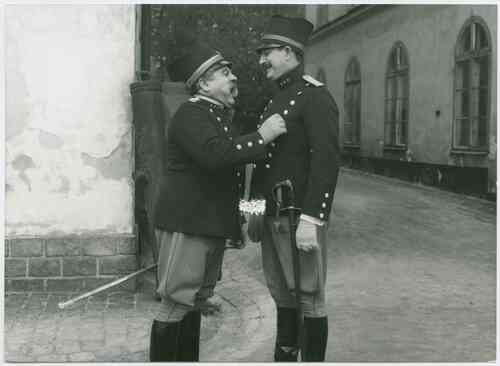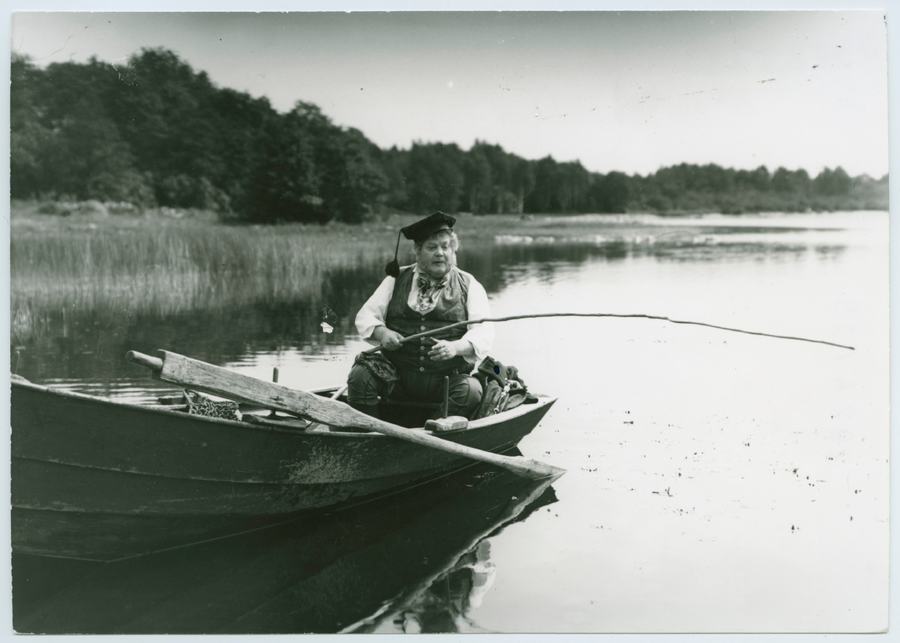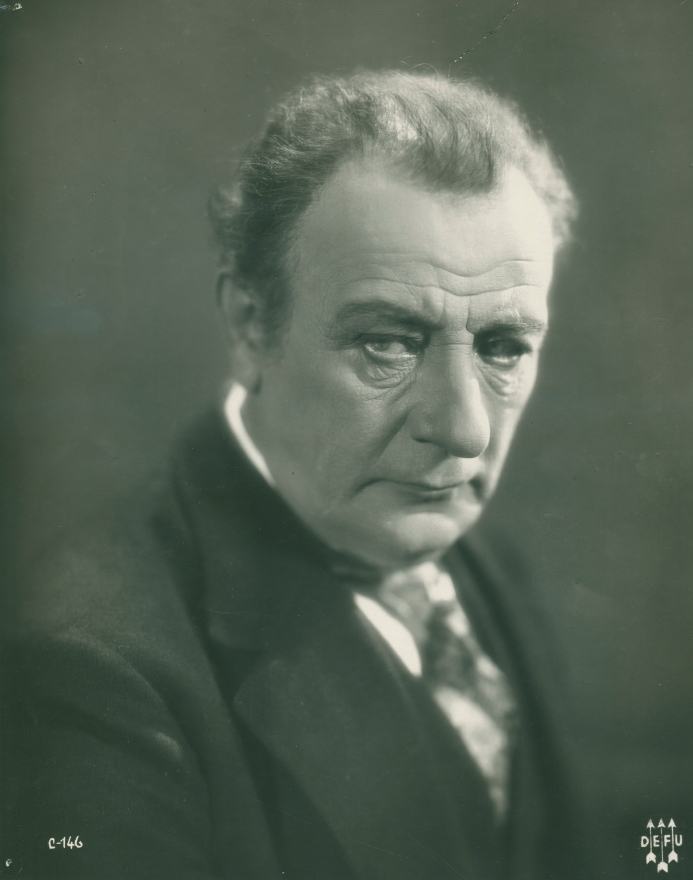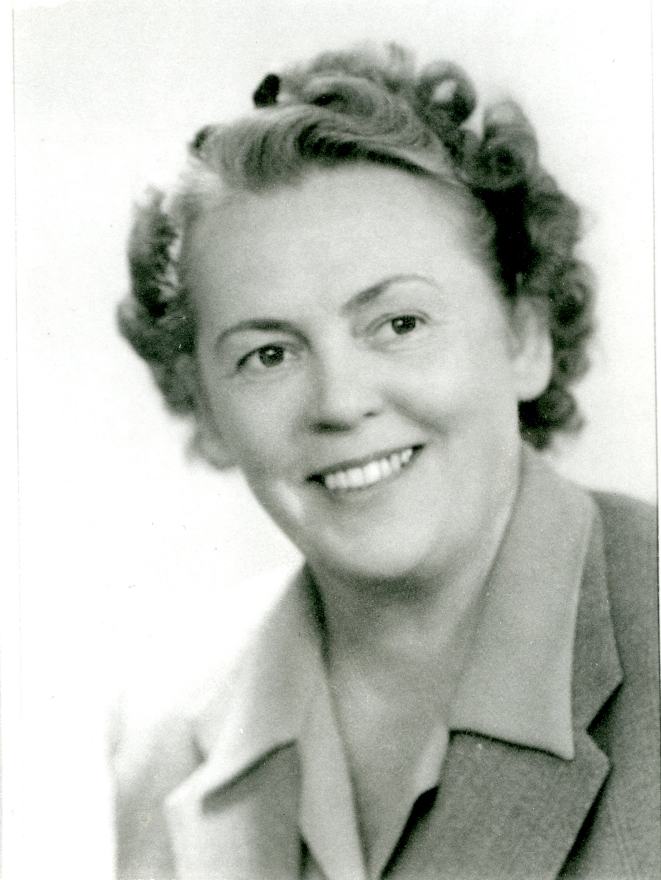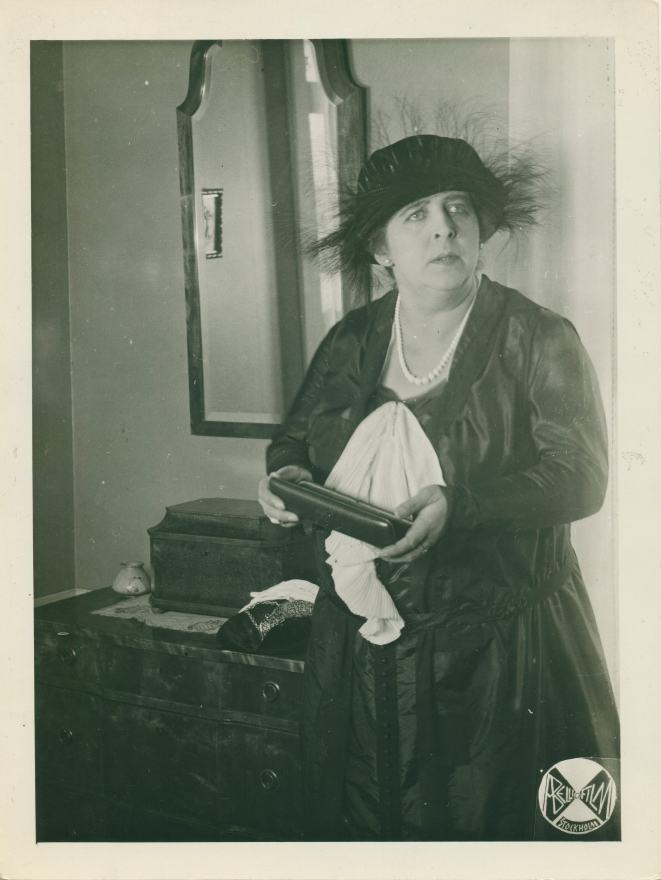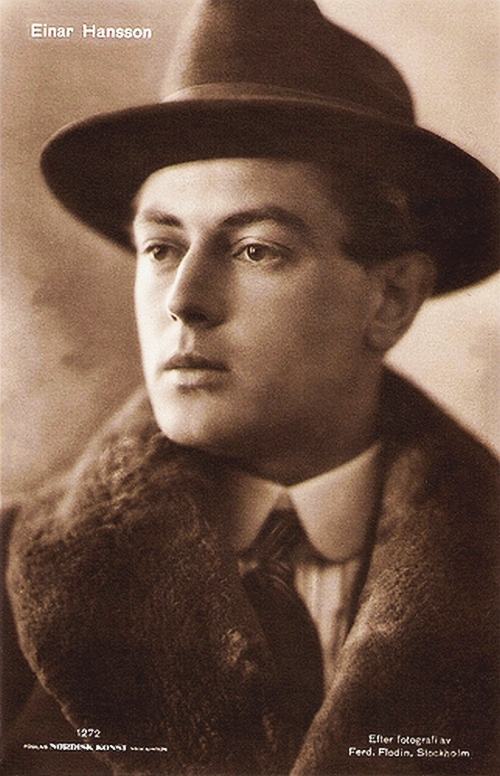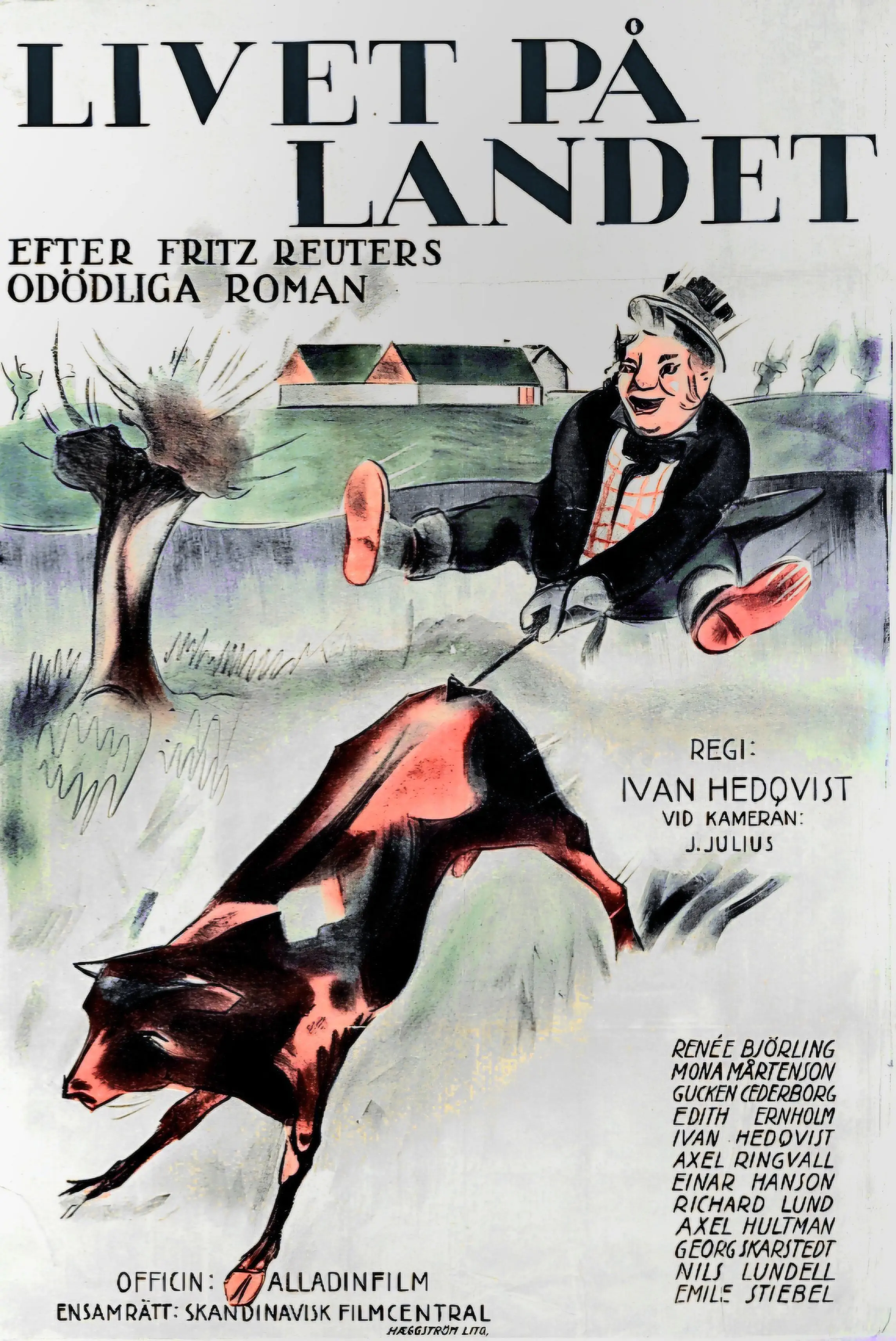
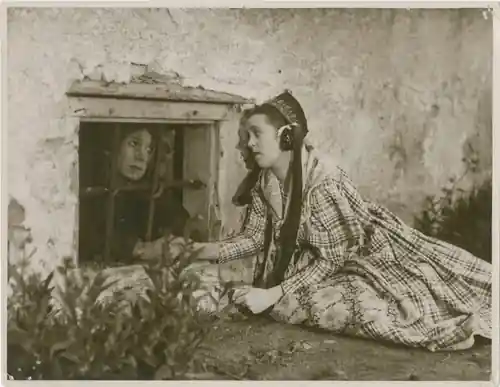
The widower Karl Hawermann and his daughter Louise are forced to leave their home by the ruthless Pomuchelskopp..
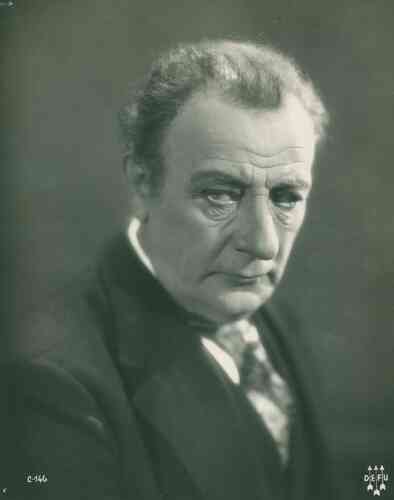
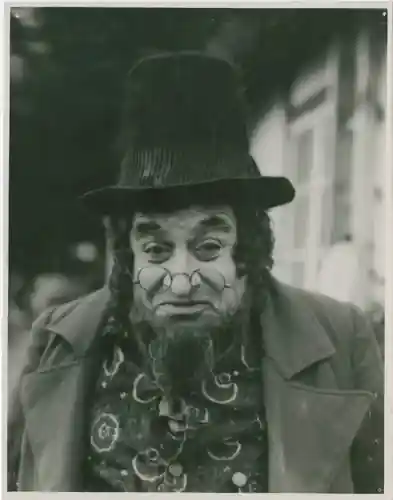
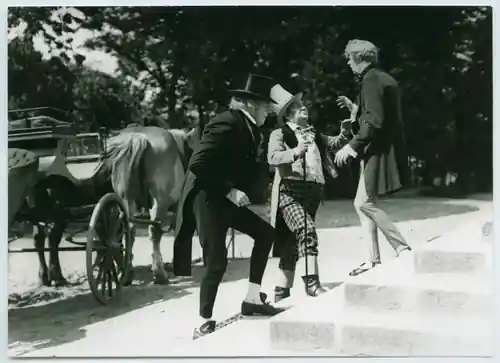
In the pantheon of Swedish silent cinema, few works capture the agonizing intersection of pastoral beauty and economic cruelty with the precision of Livet på landet. Directed with a keen eye for the vernacular of the countryside, this 1924 adaptation of Fritz Reuter’s literature transcends simple melodrama to become ...
still_frame
still_frame
still_frame
still_frame
still_frame
still_frame
still_frame
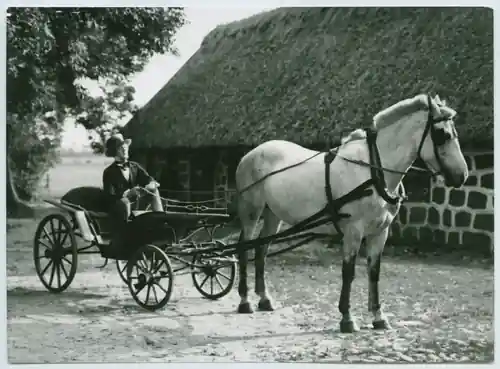
still_frame
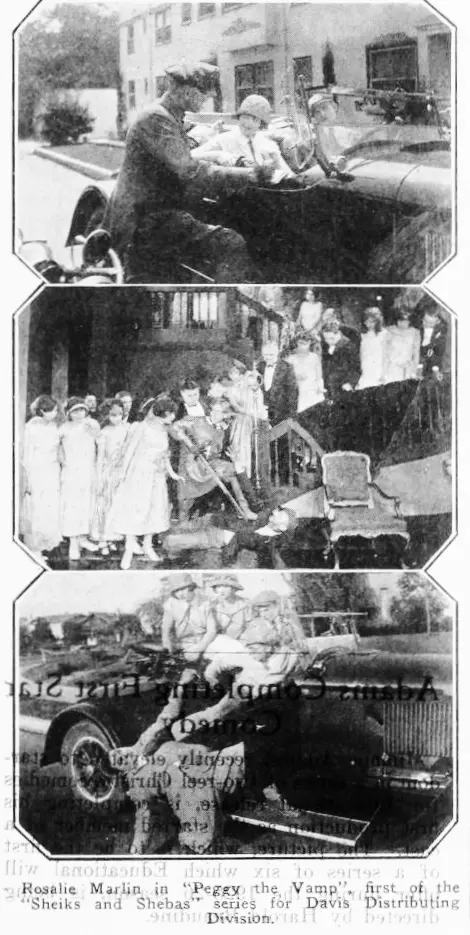

Comparing the cinematic DNA and archive impact of two defining moments in cult history.
Ivan Hedqvist
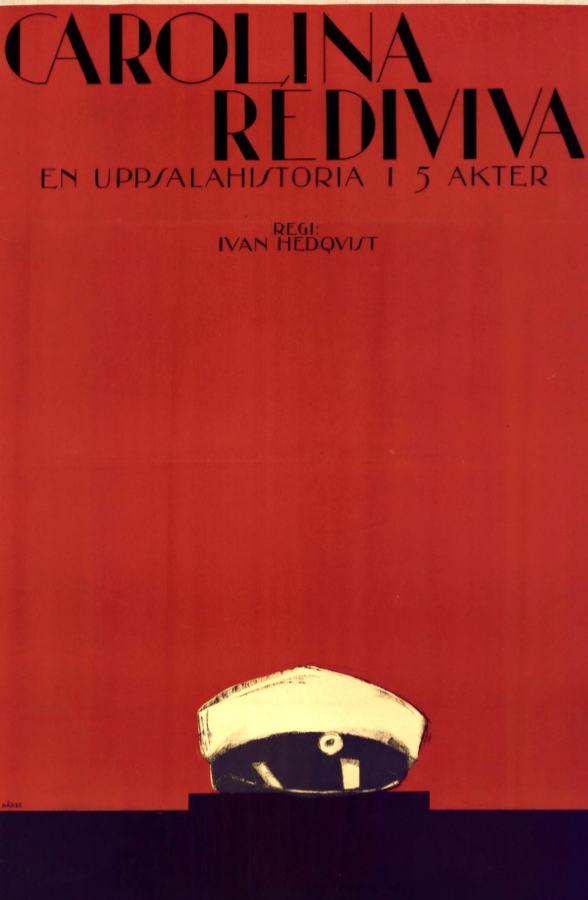
Ivan Hedqvist
Community
Log in to comment.
" In the pantheon of Swedish silent cinema, few works capture the agonizing intersection of pastoral beauty and economic cruelty with the precision of Livet på landet. Directed with a keen eye for the vernacular of the countryside, this 1924 adaptation of Fritz Reuter’s literature transcends simple melodrama to become a sociological study of displacement. While contemporary audiences might gravitate toward the high-stakes intrigue of Trompe-la-Mort, there is a grounded, earthy resonance here tha..."

Renée Björling
Lars Tessing, Fritz Reuter, Oscar Hemberg
Sweden