DbcultAccessing Vault...
7.2/10
Senior Film Conservator
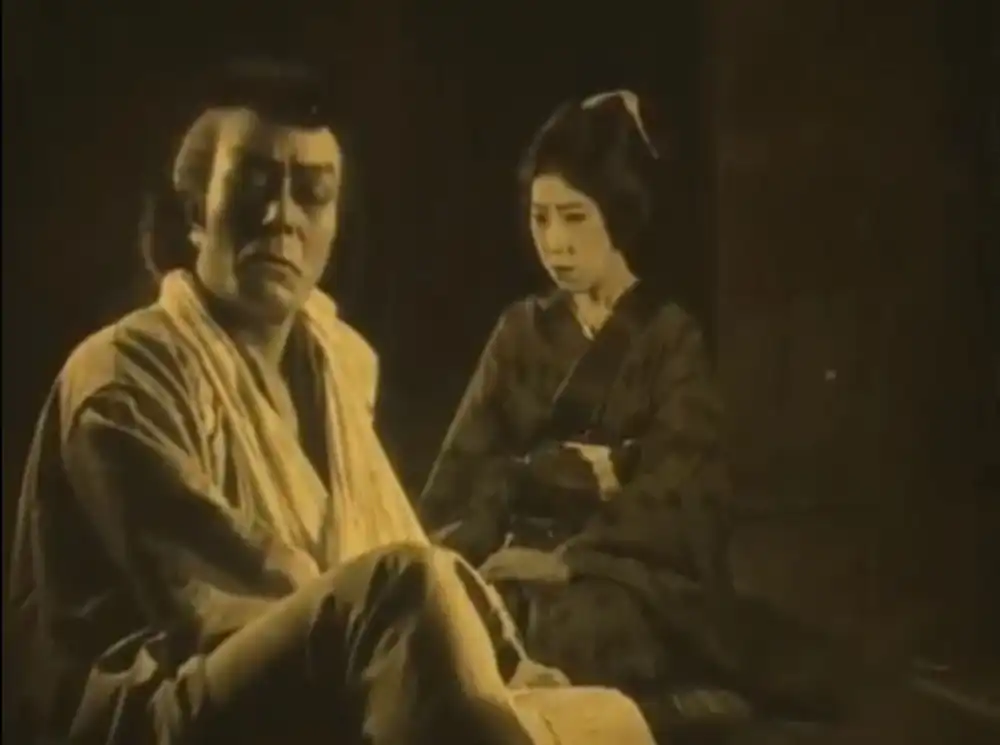
A definitive 7.2/10 rating for a film that redefined the boundaries of cult cinema. Sozenji Baba remains a cornerstone of transgressive art.
If you have any patience for silent films that haven’t been scrubbed clean by a big-budget restoration, Sozenji Baba is worth an hour of your time. It’s not a masterpiece in the 'important' sense, but it’s got a specific, jittery energy that you just don’t see in modern stuff. It’s for people who like the smell of old paper and don’t mind a bit of visual noise. If you need 4K clarity and a Hans Zimmer score to feel something, you’re going to hate this.
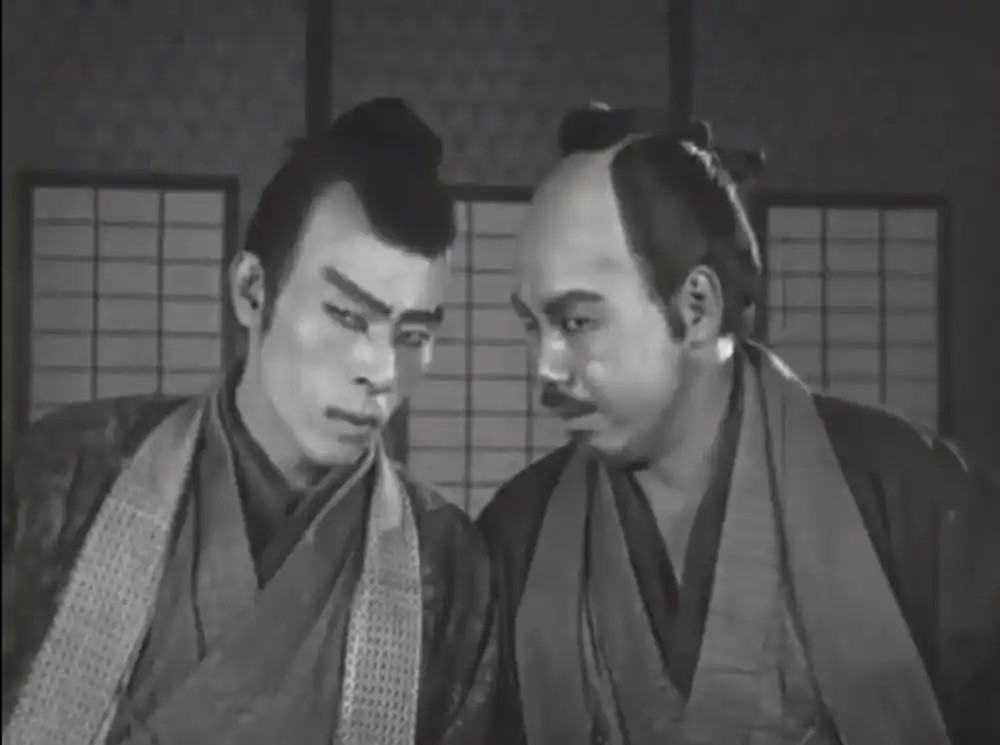
The whole thing is built on a real incident—a revenge hit involving brothers—that eventually got chewed up and spat out by the theater world before landing on film. You can feel that stage heritage in the way the actors stand, but the camera work is surprisingly mobile for 1928. It doesn't just sit there.
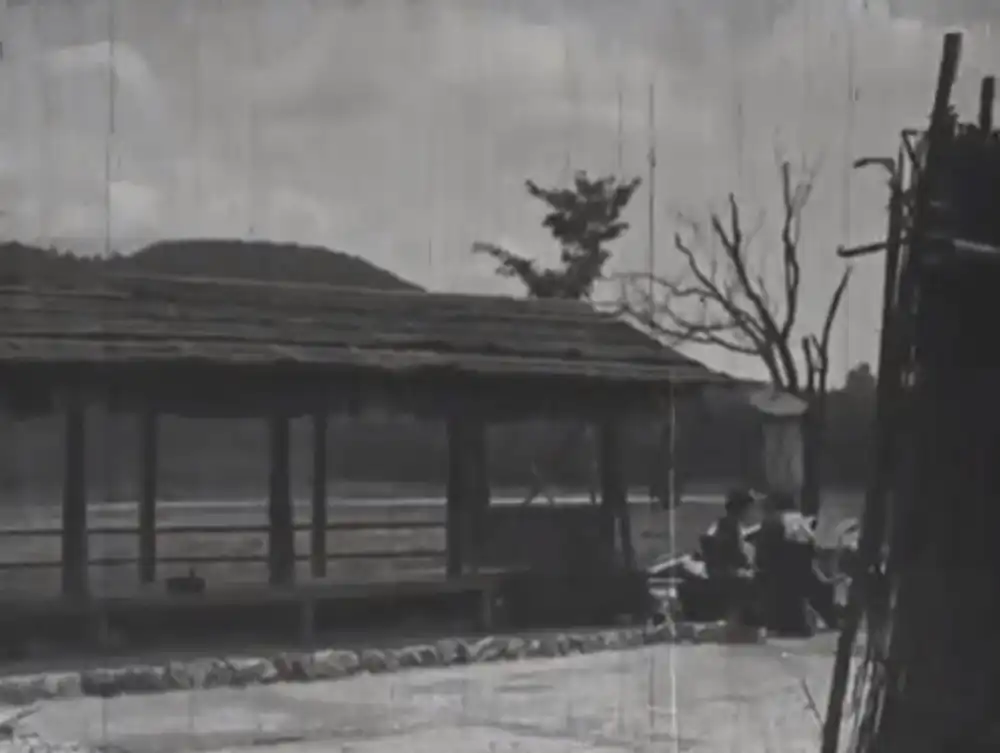
The first thing I noticed was the dust. There’s so much dust in the outdoor scenes. It’s not the fake, cinematic fog we get now; it looks like the actors were actually breathing in half the set. It gives the fights this gritty, claustrophobic feeling. When Shinpei Takagi is on screen, he has this way of holding his shoulders that makes him look twice as wide as he actually is. He’s got these incredibly intense eyes—the kind of silent-film acting that borders on scary rather than just expressive.
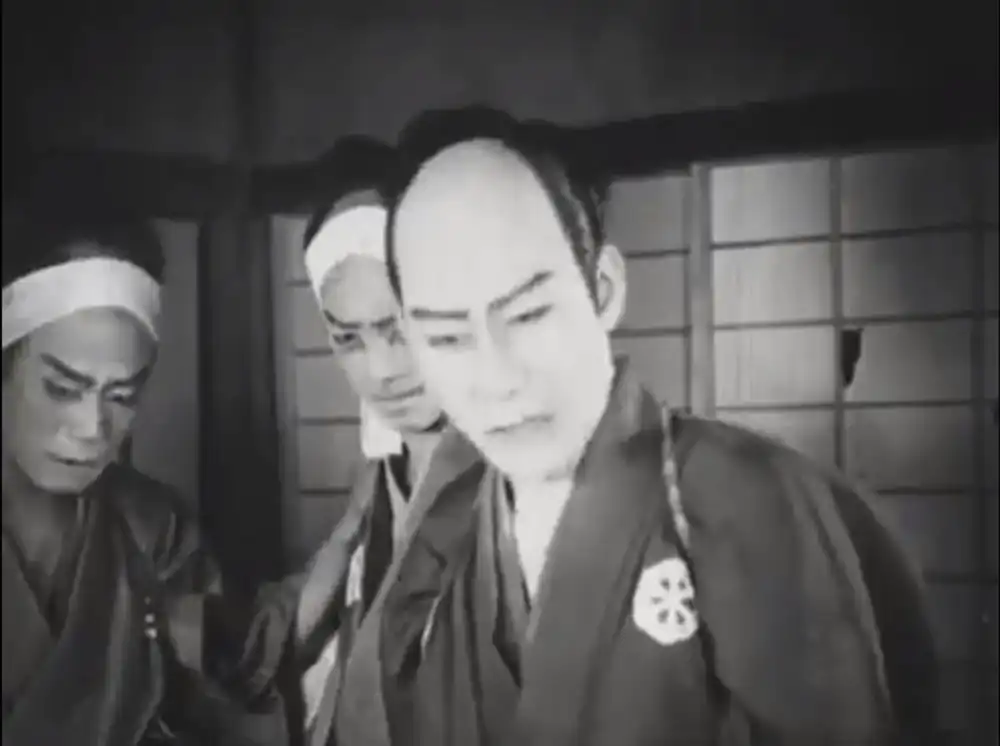
There’s a moment early on where the brothers are just sitting, and the way the light hits the back of their robes is actually quite beautiful, though I doubt it was intentional. It’s just one of those accidents of early film stock. The costumes look lived-in, too. They’re slightly frayed at the edges, which makes the whole 'real incident' angle feel more believable than a glossy period piece.
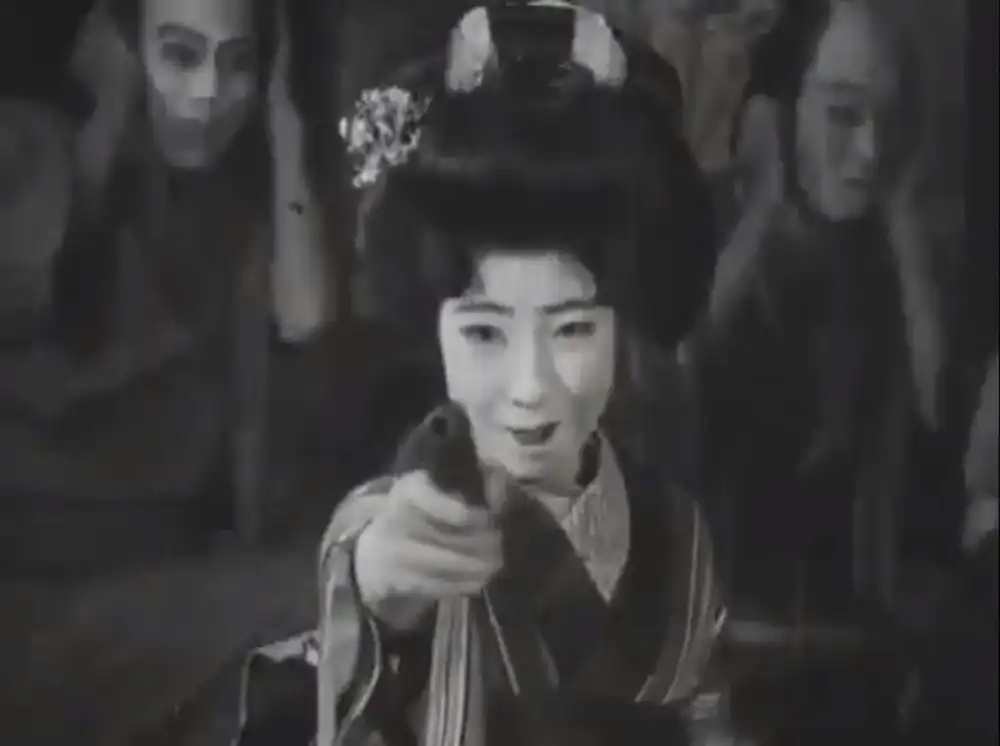
The editing is... a choice. Itarô Yamagami’s writing usually has a bit more flow, but here, the cuts are abrupt. You’ll be in the middle of a tense conversation and then—boom—we’re at the temple. It’s disorienting. It reminds me a bit of the jumpy transitions in Stop at Nothing, where the narrative feels like it’s trying to outrun the camera.
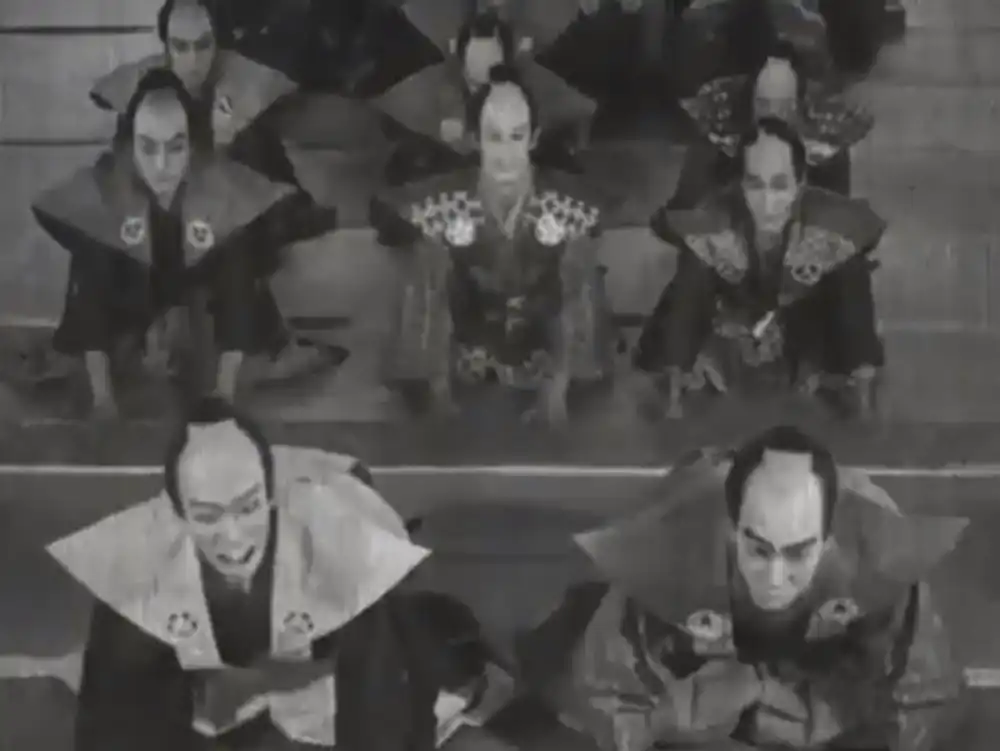
There’s a scene where the younger brother is being discussed, and the reaction shots from the rest of the cast go on just a heartbeat too long. You’re waiting for the next title card to pop up, but the camera just lingers on Matsuko Miho’s face. It’s not exactly emotional; it’s more like the director forgot to yell cut, or they were trying to fill time. It’s awkward, but in a way that makes you realize these were real people on a set a hundred years ago, just trying to figure it out.
The fight scenes aren't the choreographed dances we see in later jidaigeki. They’re messy. People trip. Swords clatter against things they shouldn't. It feels like a brawl. There’s a specific shot near the end where a character falls back into some brush, and for a second, you can see them actually struggling to get their footing. It’s not graceful, and that’s why I liked it. It feels more like a real fight than the polished stuff in Shadows of Paris.
I kept looking at the backgrounds. In the temple scenes, the extras in the back sometimes look like they aren't sure if they're supposed to be moving or not. One guy in the far left of a wide shot just kind of shifts his weight back and forth for three minutes. It’s distracting once you see it, but it adds to the charm. It’s a movie made by people, not a corporation.
The dialogue—via the title cards—is pretty standard revenge fare. 'I will have my day,' that sort of thing. But because it’s based on rakugo, there’s this weird undercurrent of dark humor that doesn't always translate through the silence. You can see it in the way some of the villains sneer. It’s almost a caricature, but Shinpei Takagi keeps it grounded. He looks like he’s actually in pain, not just acting out a story.
Is it a 'meditation' on anything? Probably not. It’s a movie about guys getting even. It drags a bit in the middle when they’re just talking in rooms—silent movies where people talk too much are always a bit of a chore—but once they get to the 'Baba' (the riding ground/field), the energy picks back up. The ending doesn't feel like a big, triumphant 'ta-da' moment. It feels exhausted. By the time the revenge is over, everyone on screen just looks tired.
If you're looking for a tight, perfectly structured narrative, go watch something else. But if you want to see a piece of history that still has a bit of a pulse, Sozenji Baba is a strange, dusty little gem. It’s definitely better than some of the other fluff from that era, like Wine of Youth, which feels like it was made in a vacuum. This one feels like it was made in the dirt.
IMDb 5.6
1920
Community
Log in to comment.