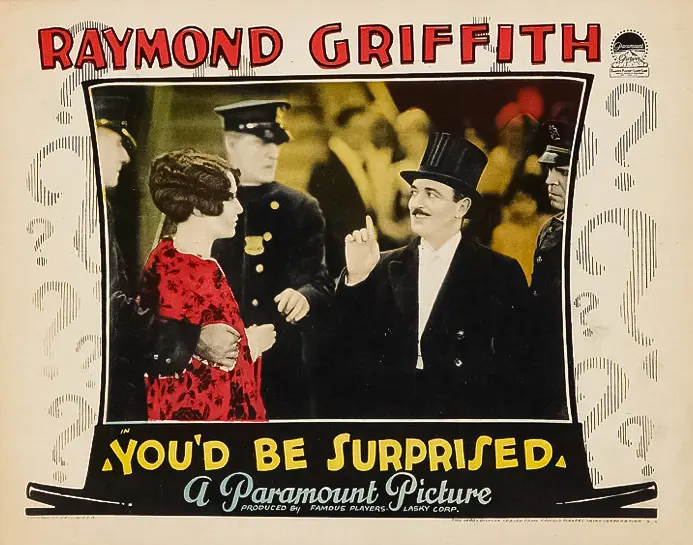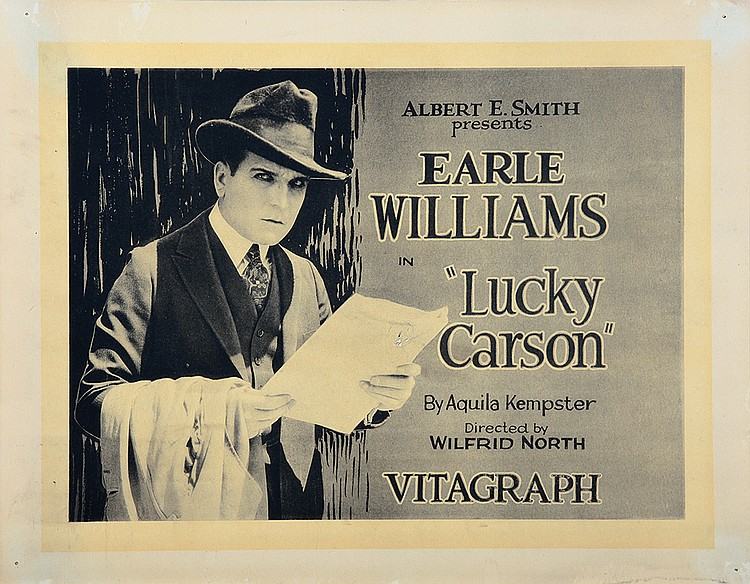
Having lost all his funds betting on the races in London, John Peters contemplates suicide; then, overhearing the conversation of two men, he considers a new course of action. He stuns one of them--Kluck--and after changing clothes with him, he makes his way to the United States, where he wins at the races, speculates successfully on Wall Street, and amasses a fortune under the sobriquet "Lucky" Carson.
There is a moment, early in Lucky Carson, when the camera merely breathes on Collette Forbes’s face as London dawn leaks through the Thames mist. No intertitle intrudes; the silence swells until you hear your own pulse. In that hush the film announces its creed: identity is currency, luck is counterfeit, and redempti...
Comparing the cinematic DNA and archive impact of two defining moments in cult history.
Wilfrid North
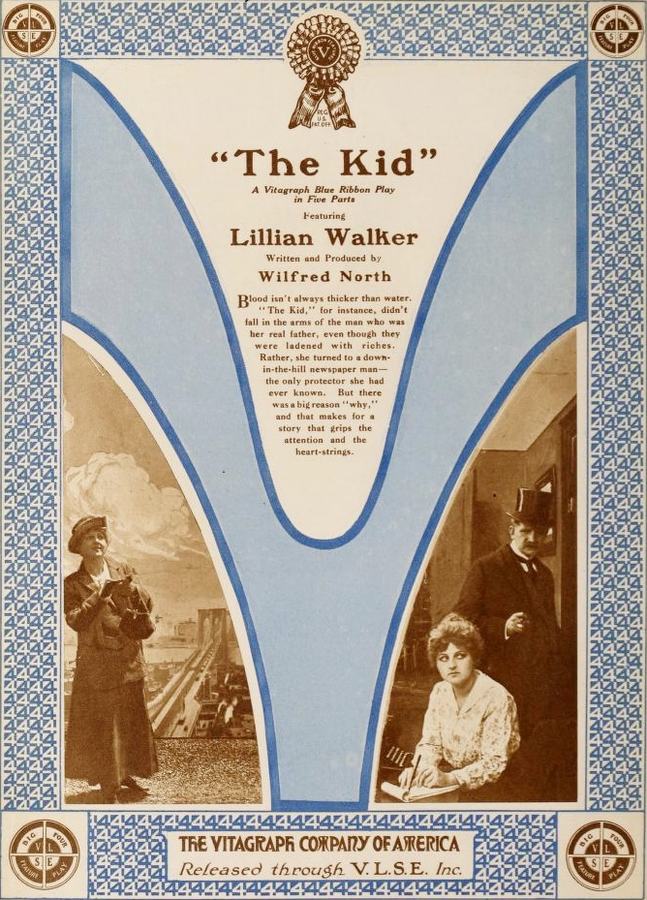
Wilfrid North
Community
Log in to comment.
" There is a moment, early in Lucky Carson, when the camera merely breathes on Collette Forbes’s face as London dawn leaks through the Thames mist. No intertitle intrudes; the silence swells until you hear your own pulse. In that hush the film announces its creed: identity is currency, luck is counterfeit, and redemption is a confidence trick you play on yourself. Most silents about reinvention (His Majesty, the American) chase slapstick momentum; Aquila Kempster’s screenplay chooses a slower m..."
Collette Forbes
Aquila Kempster, Bradley J. Smollen
United States