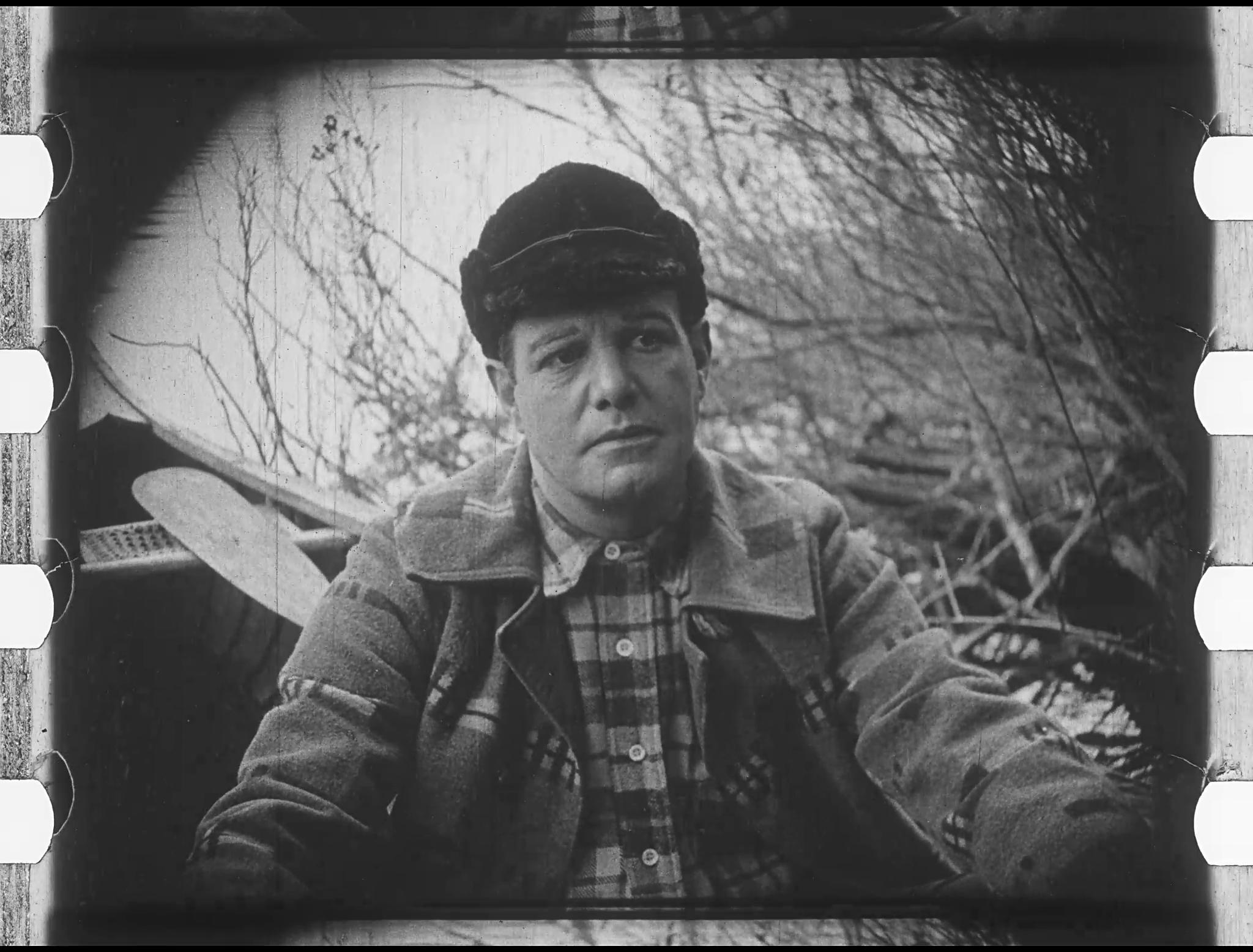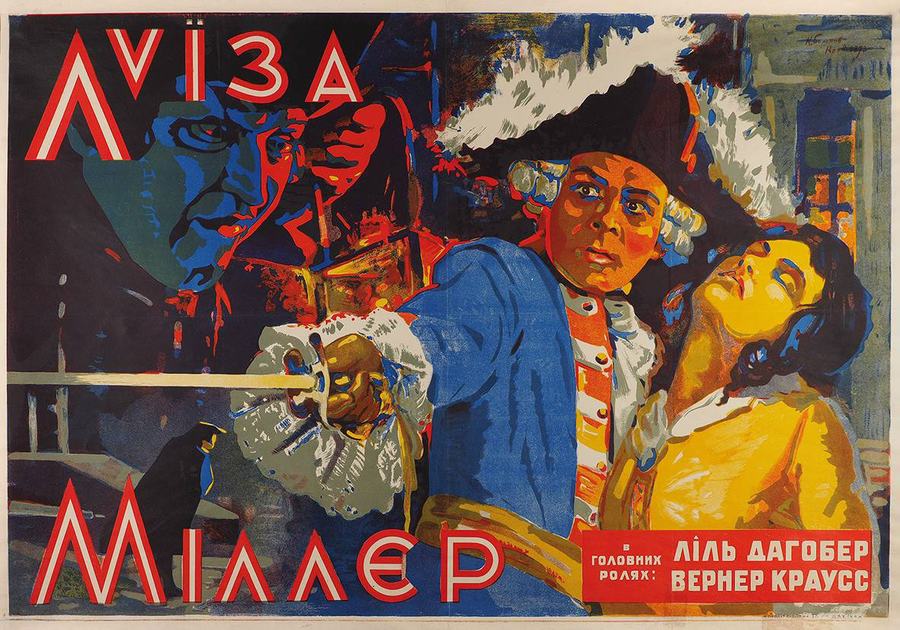
The 1922 iteration of Luise Millerin, directed by Carl Froelich, stands as a monumental bridge between the theatrical grandiosity of the 18th century and the burgeoning psychological interiority of the Weimar Republic’s golden era of cinema. While many contemporary viewers might perceive silent adaptations of stage pla...
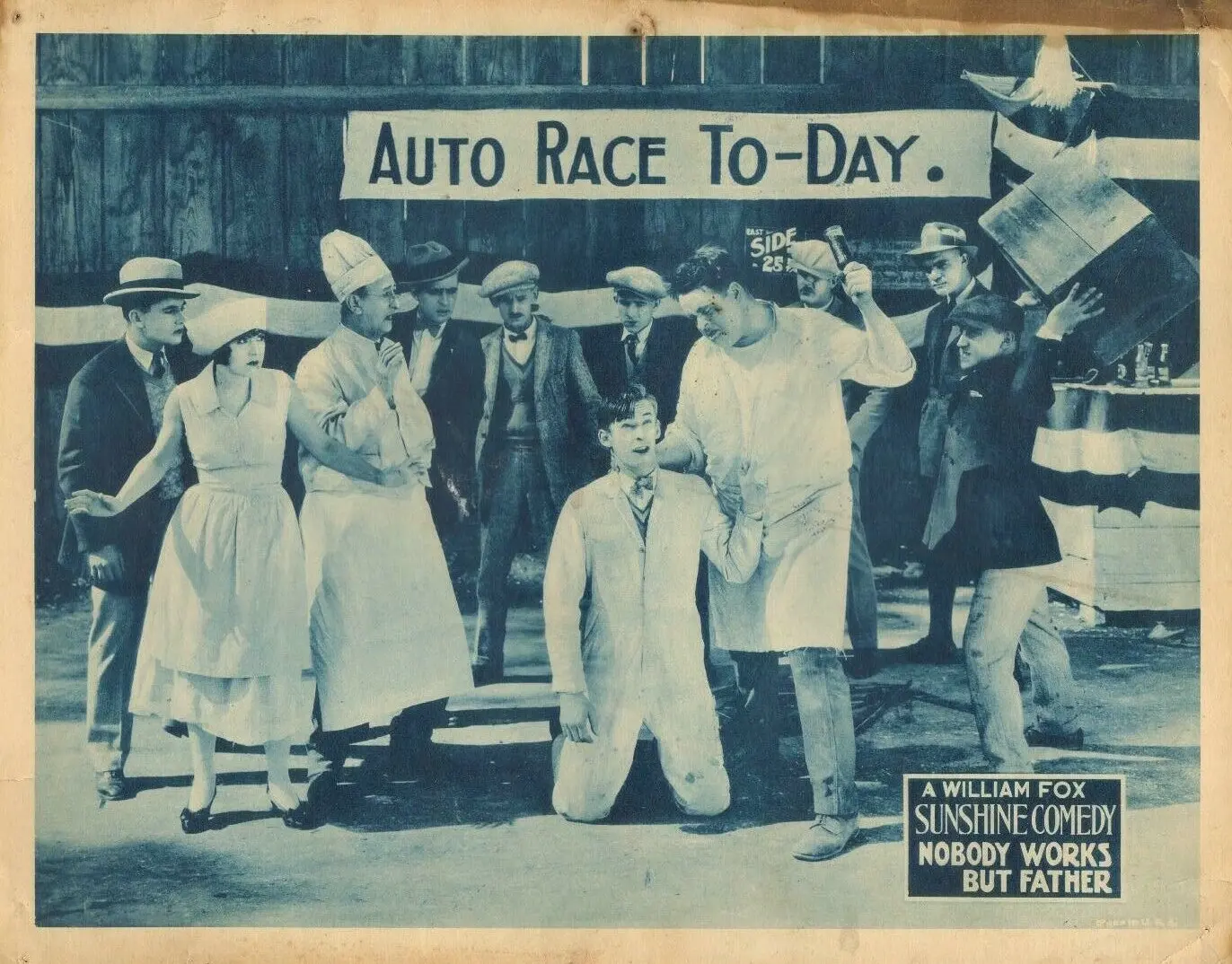
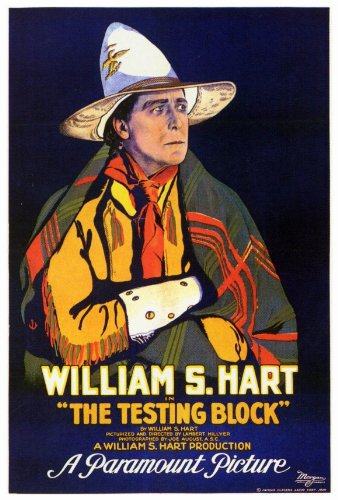
Comparing the cinematic DNA and archive impact of two defining moments in cult history.
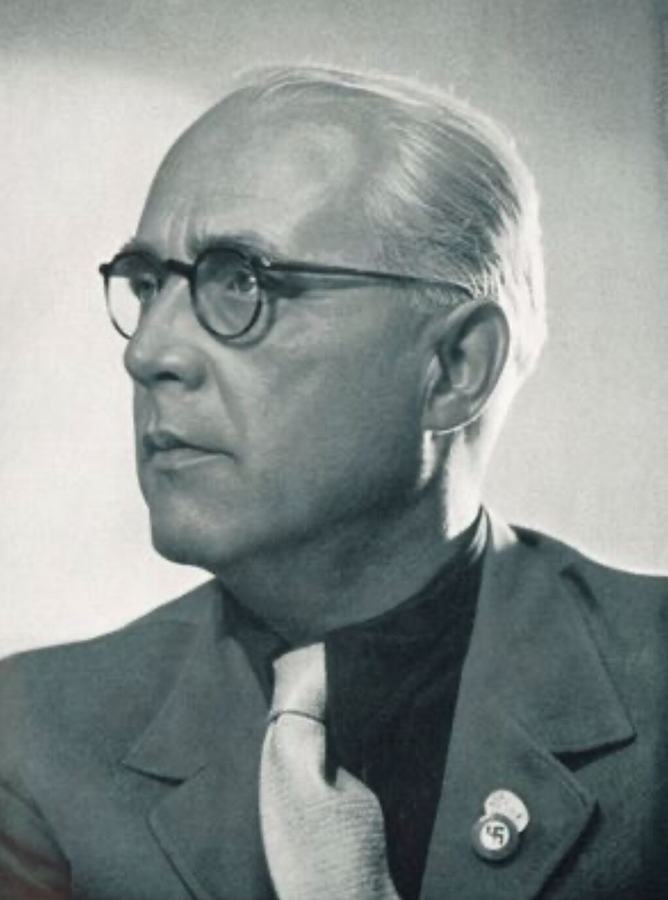
Carl Froelich

Alexander Butler
Community
Log in to comment.
"The 1922 iteration of Luise Millerin, directed by Carl Froelich, stands as a monumental bridge between the theatrical grandiosity of the 18th century and the burgeoning psychological interiority of the Weimar Republic’s golden era of cinema. While many contemporary viewers might perceive silent adaptations of stage plays as stiff or archaic, this specific rendering of Friedrich Schiller’s Kabale und Liebe possesses a kinetic energy and a visual vocabulary that anticipates the darker, more fragme..."