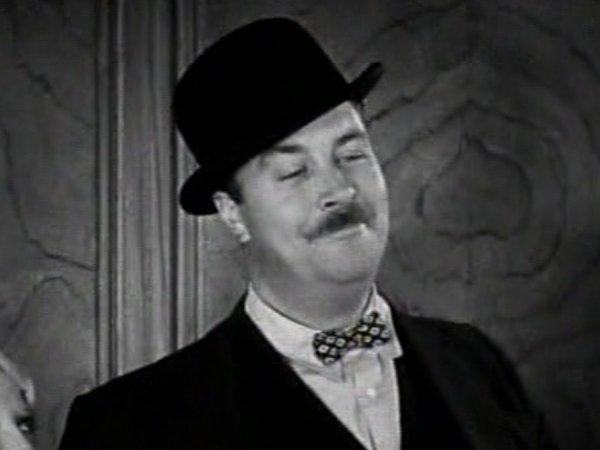
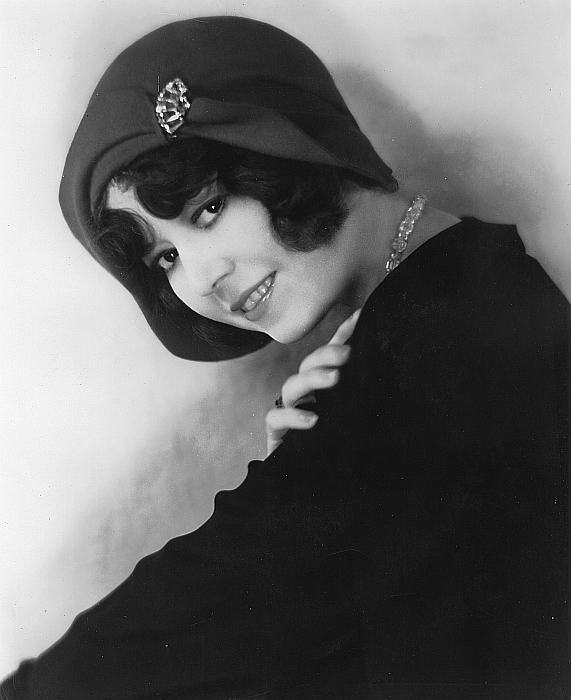
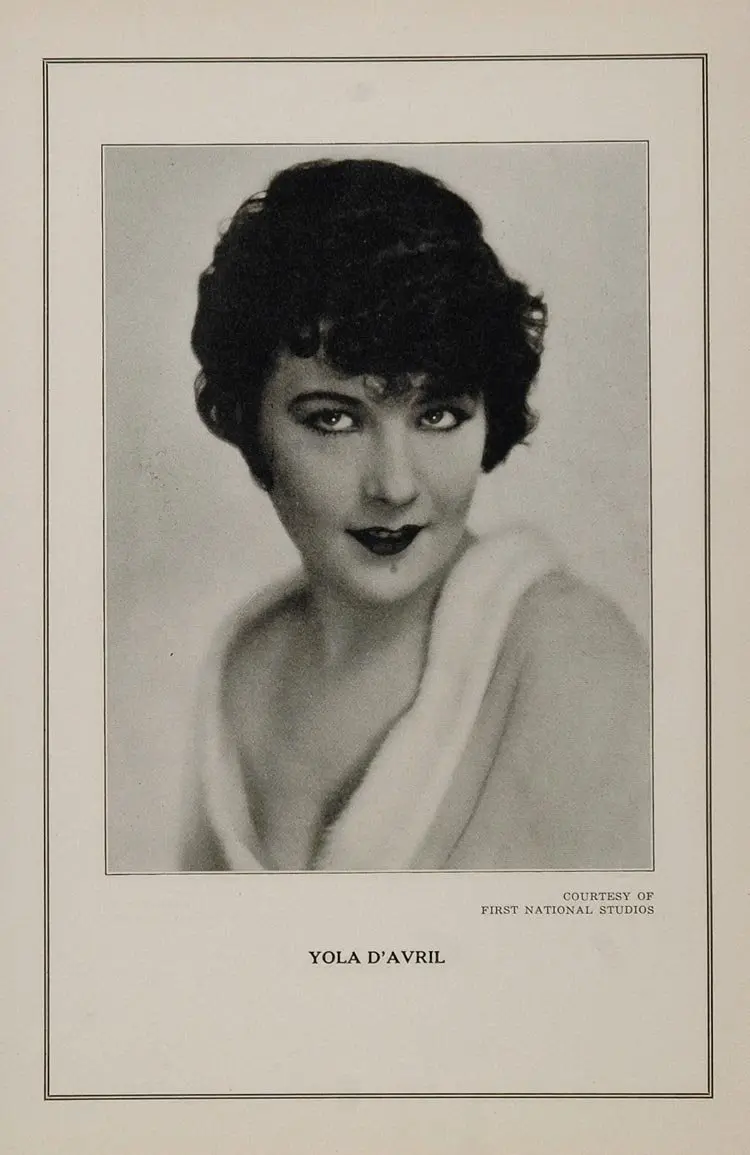
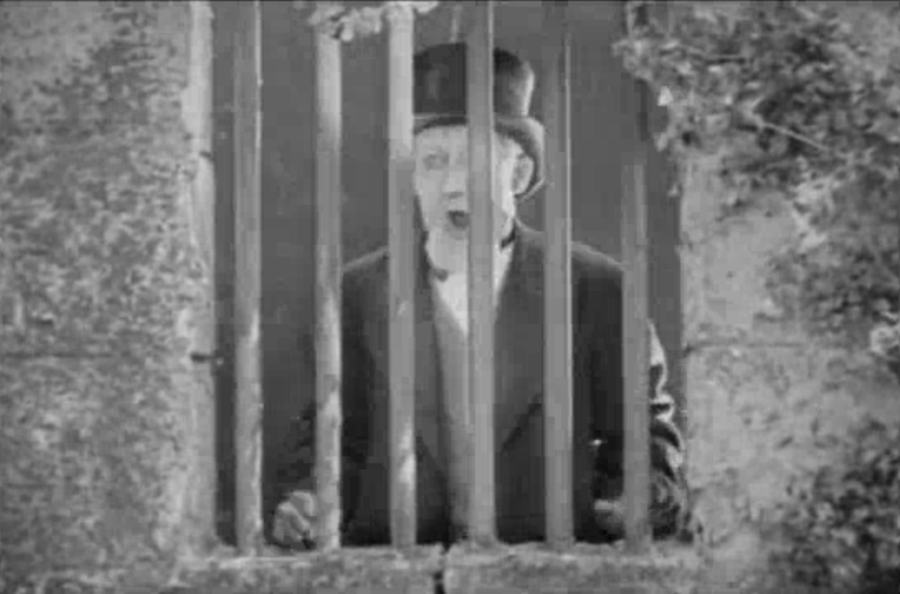
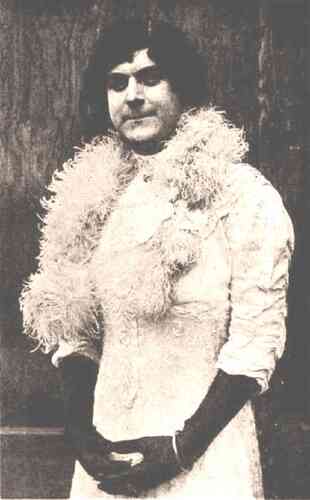
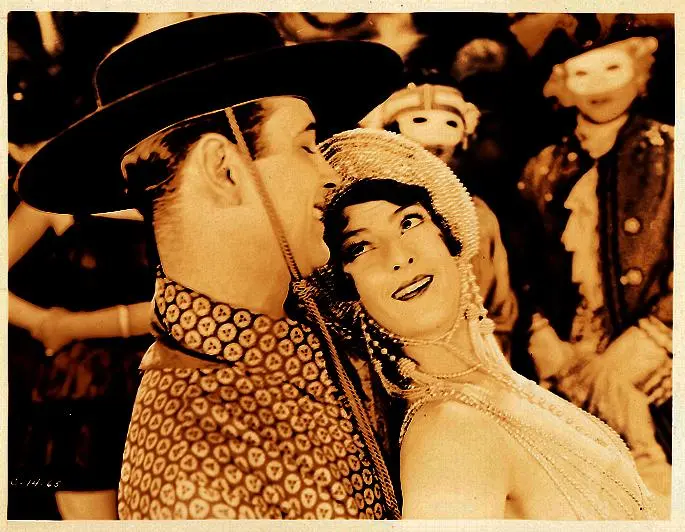
A cross-dressing farce, adapted from "Madame Lucy" by Jean Arlette, in which to help a friend in a lawsuit, Jack Mitchell disguises himself as the mysterious "Madame Brown," a missing witness important to the case of the plaintiff. He attracts the romantic attention of two old roués and one hot Broadway showgirl.
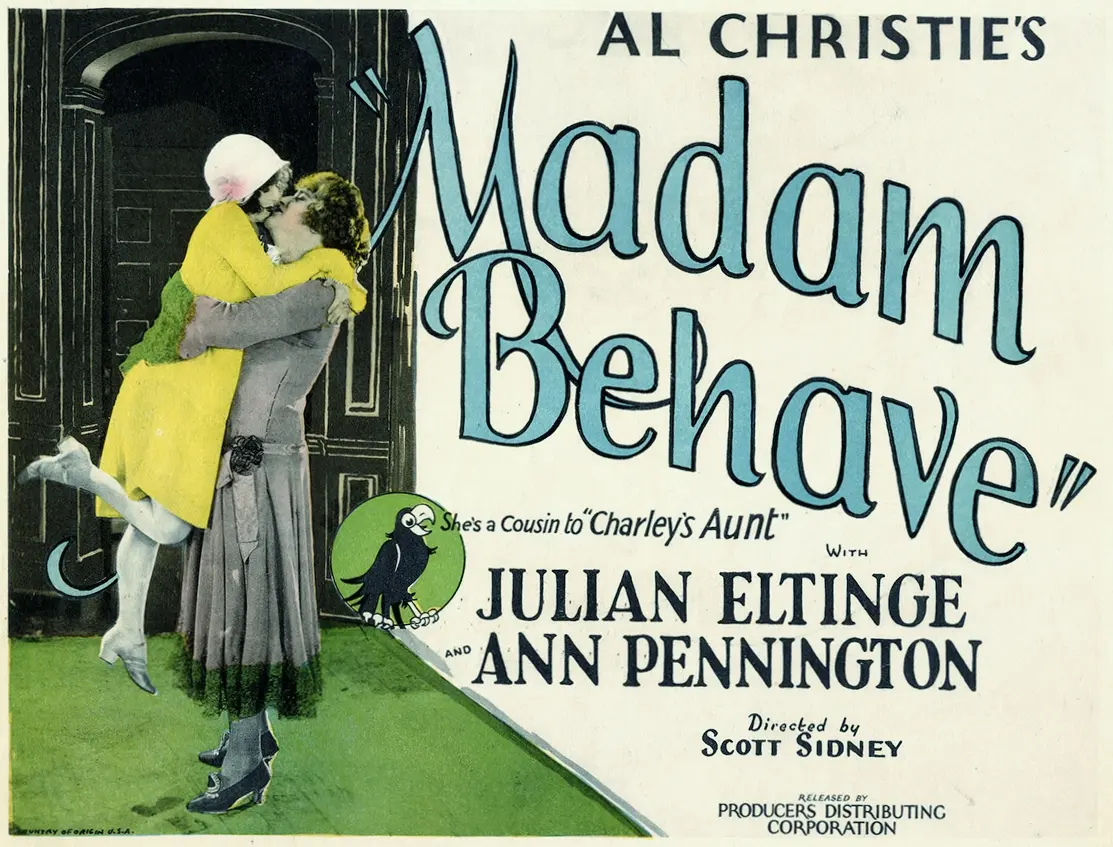
body { background-color: #000; color: #fff; }The silent era of cinema was renowned for its penchant for farce and comedic misadventures, and Madame Behave stands as a testament to this tradition. This 1925 film, directed by F. McGrew Willis and adapted from Jean Arlette's Madame Lucy, presents a riotous tale of mistake...
publicity
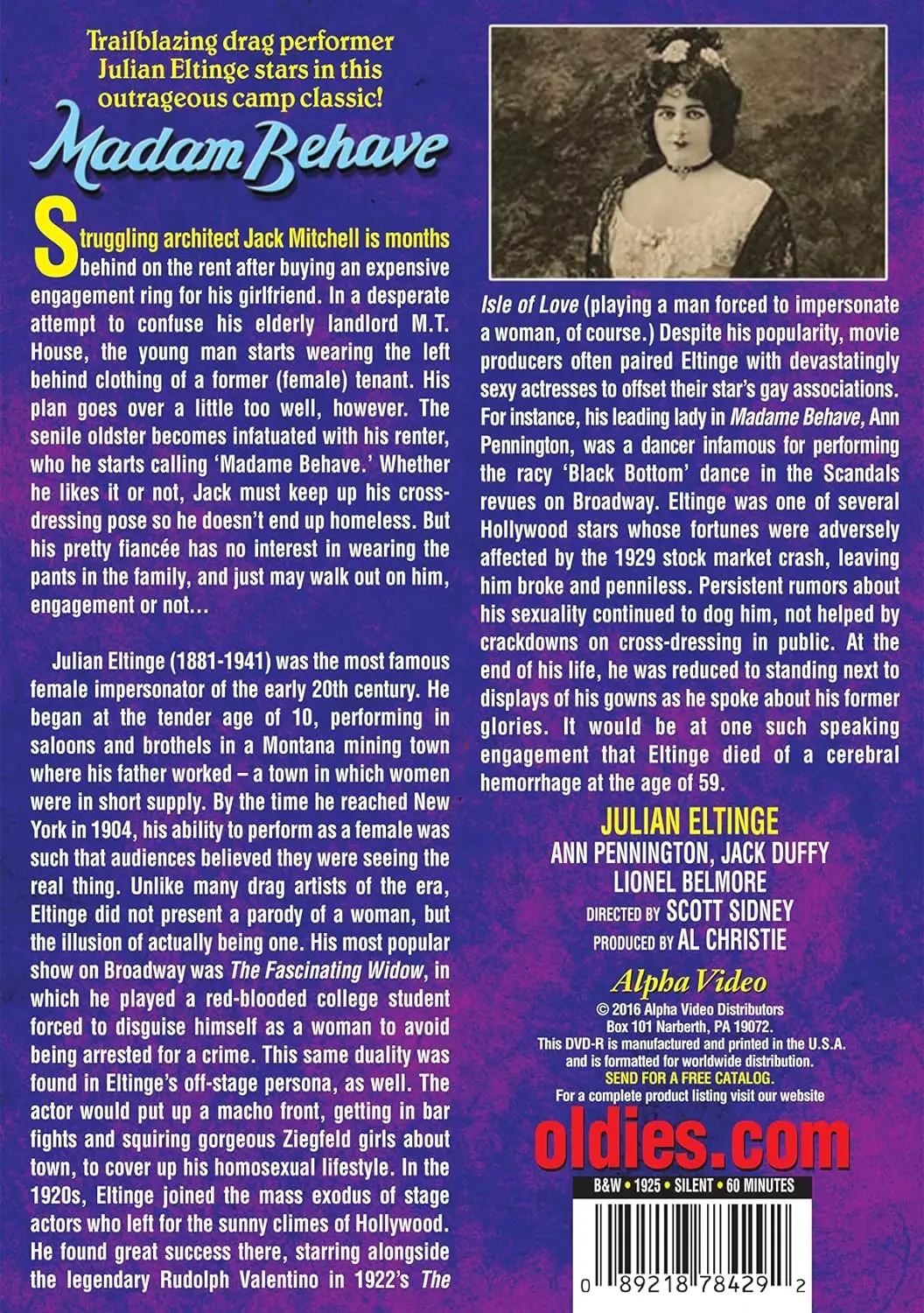
product
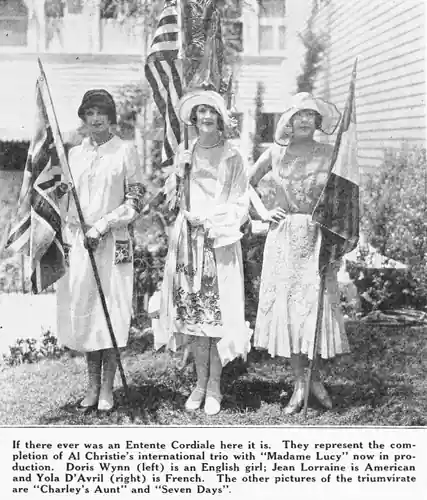
publicity
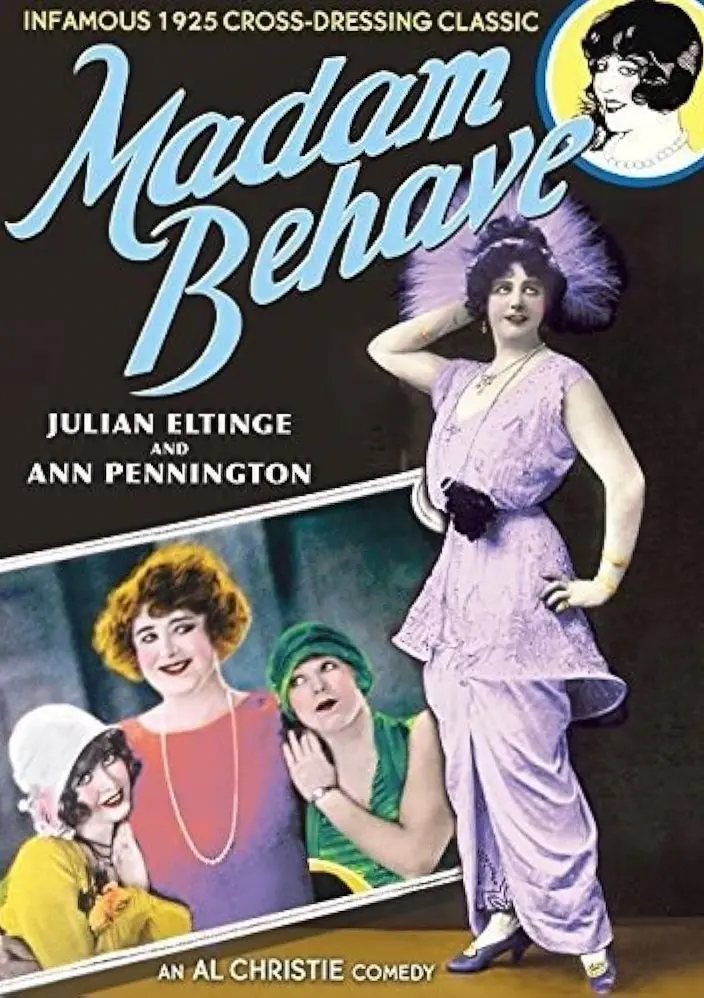
product
Comparing the cinematic DNA and archive impact of two defining moments in cult history.
Scott Sidney
Scott Sidney
Community
Log in to comment.
"body { background-color: #000; color: #fff; }The silent era of cinema was renowned for its penchant for farce and comedic misadventures, and Madame Behave stands as a testament to this tradition. This 1925 film, directed by F. McGrew Willis and adapted from Jean Arlette's Madame Lucy, presents a riotous tale of mistaken identities, cross-dressing, and the societal fluidity of the time.At the heart of this cinematic confection lies Jack Mitchell, a well-meaning but hapless chap played by Jack Duf..."
F. McGrew Willis, Jean Arlette
United States