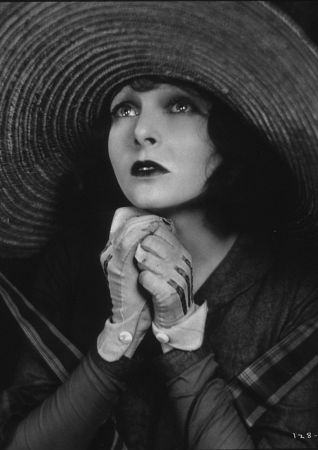
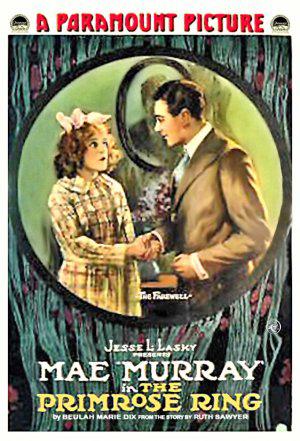
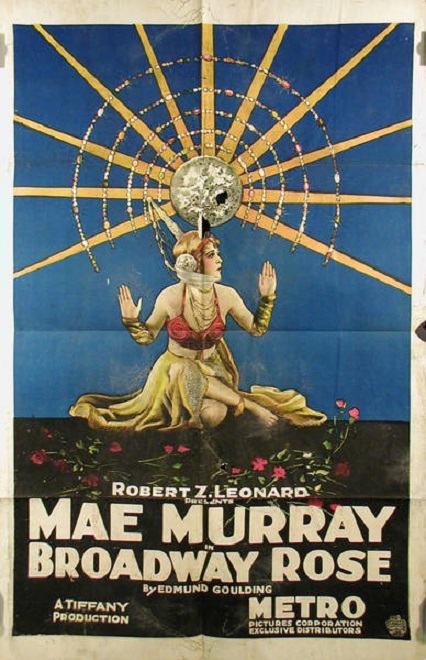
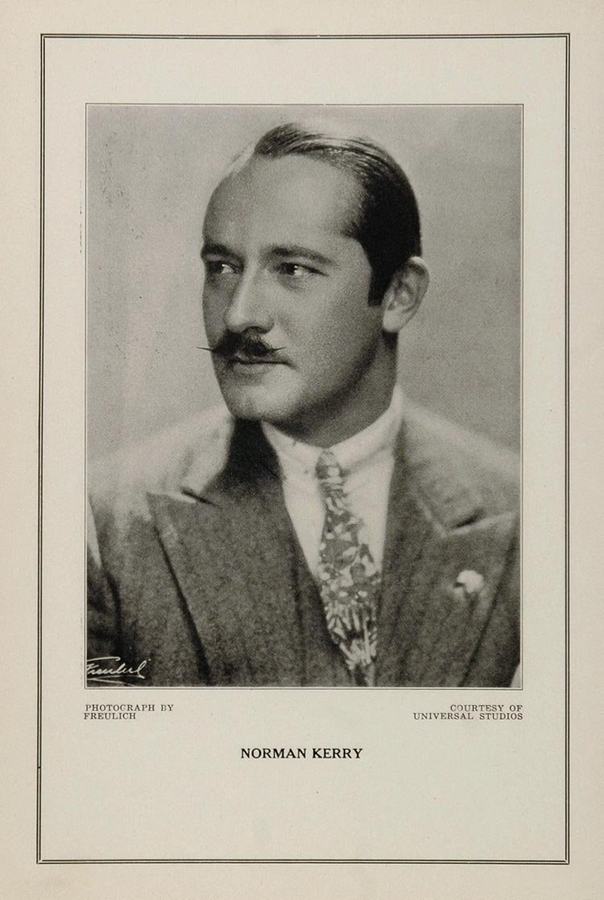
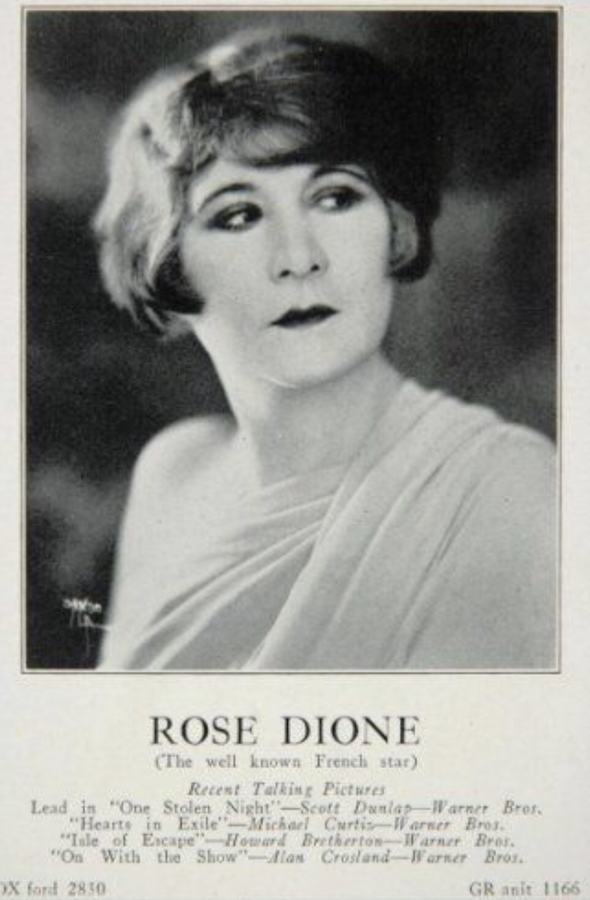
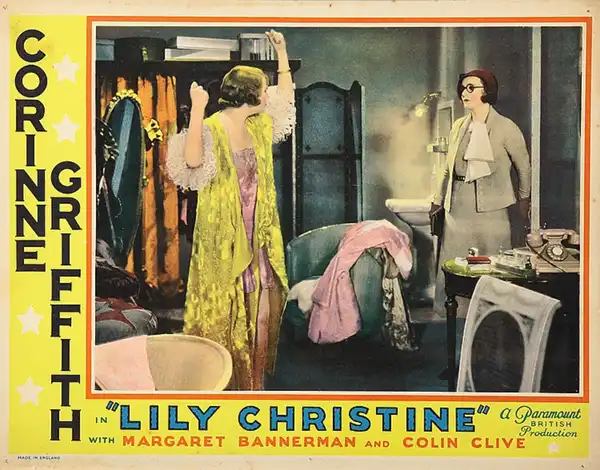
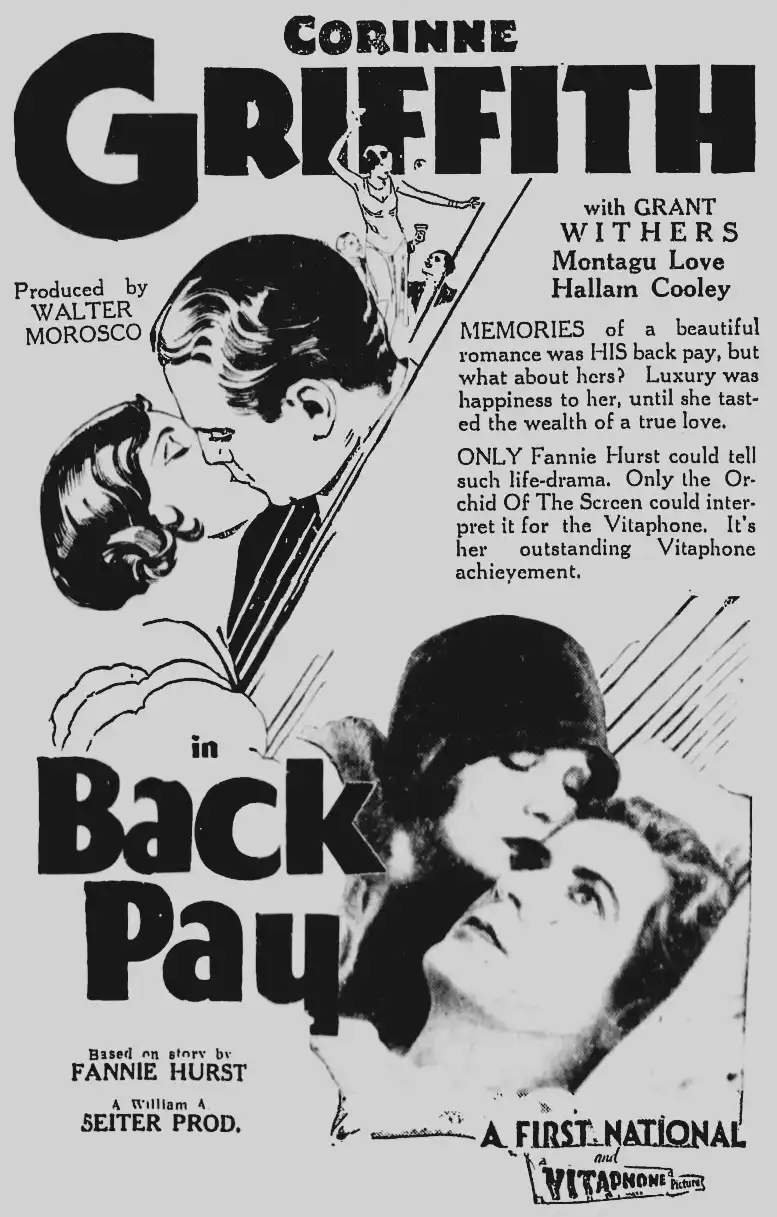
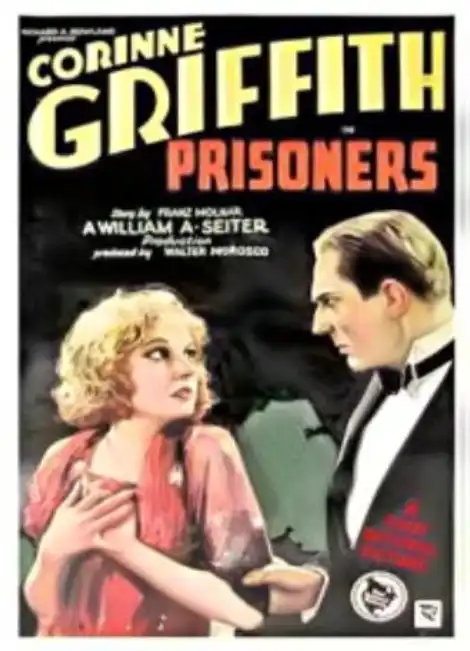
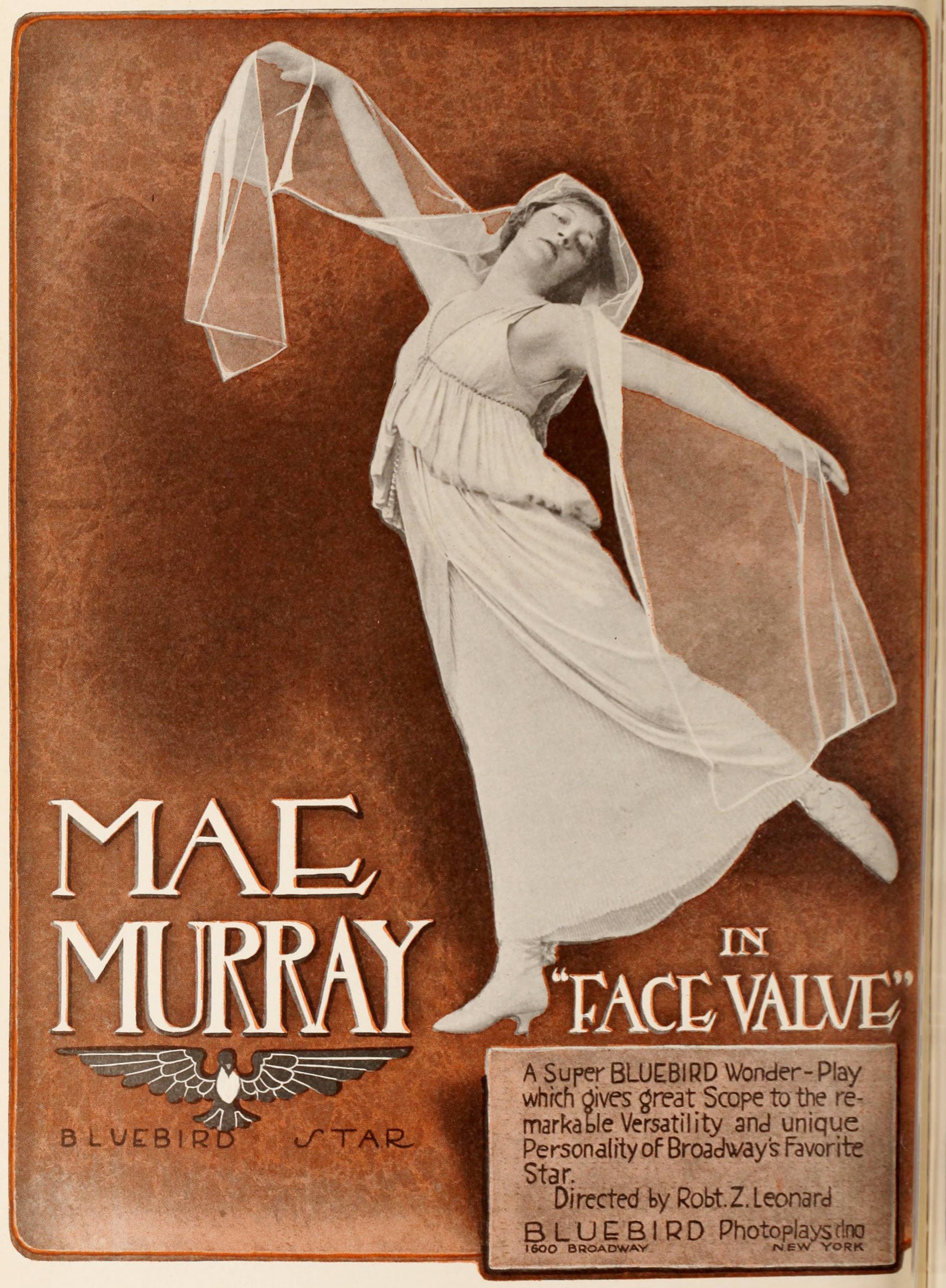
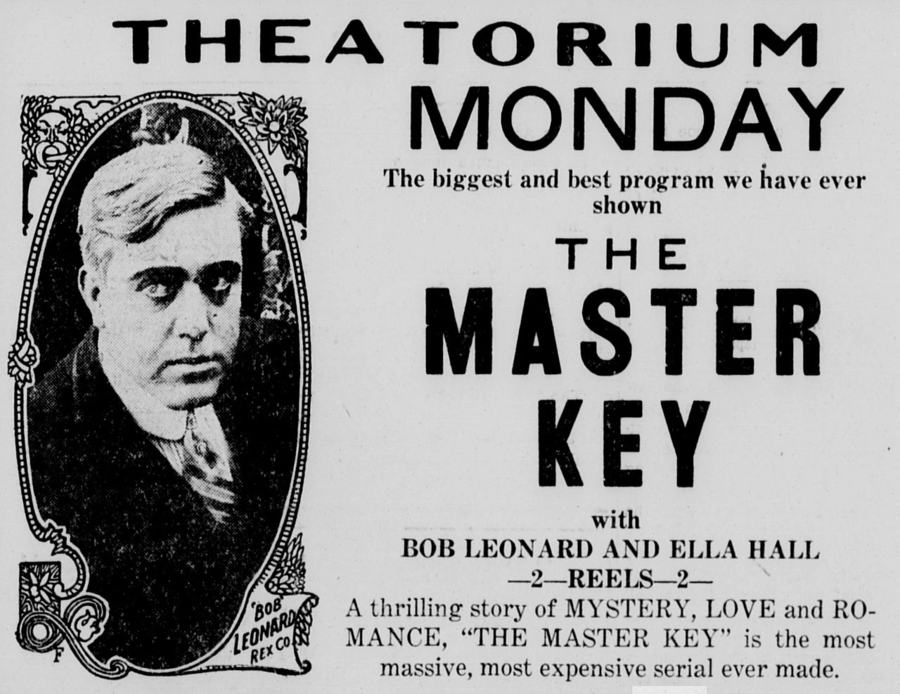
Mademoiselle Modiste is a 1926 silent romance produced by and starring Corinne Griffith and distributed by First National Pictures. Robert Z.
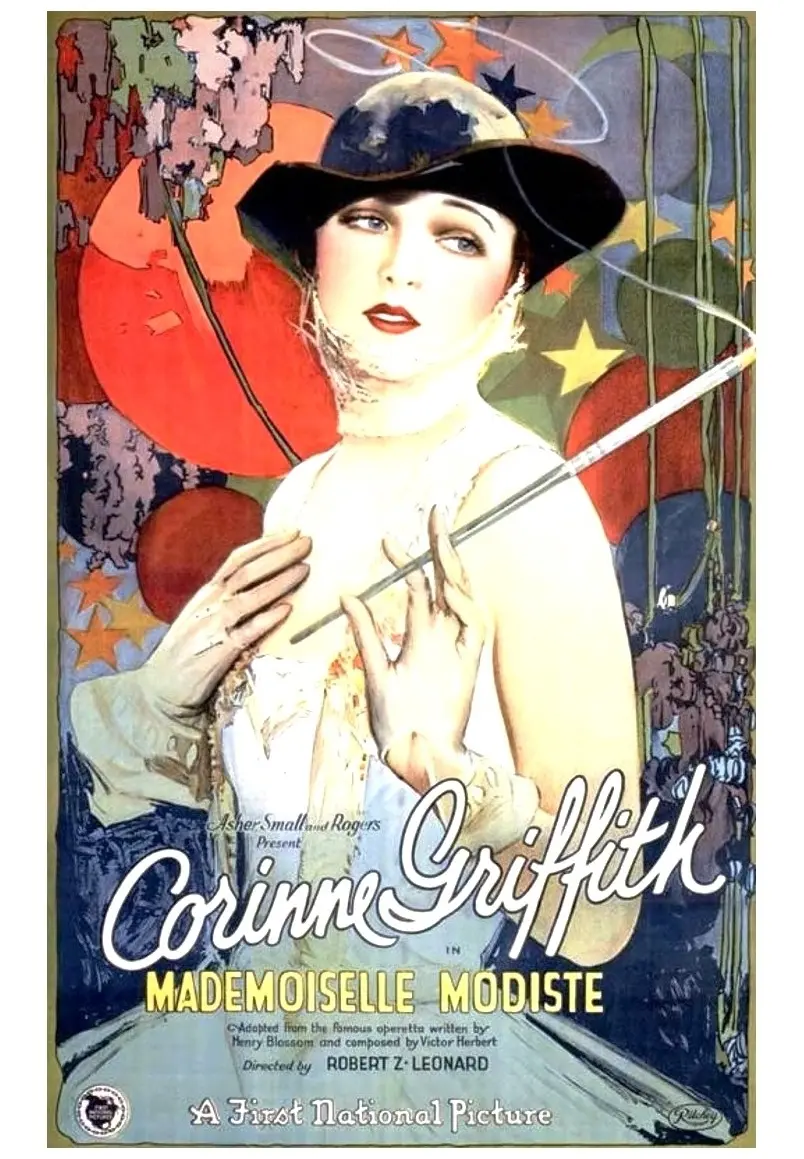
Is it possible to truly judge a film that no longer exists in its physical form? Short answer: Yes, through the lens of historical impact and the creative DNA of its stars, though you cannot actually sit down to view it today.This film is strictly for cinema historians, silent era enthusiasts, and those obsessed with t...
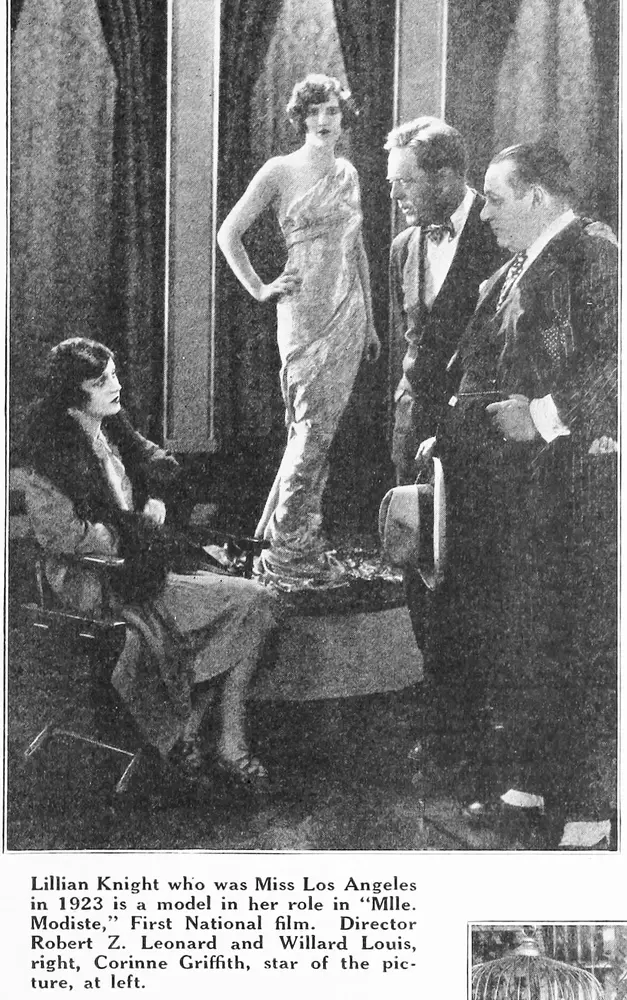
behind_the_scenes
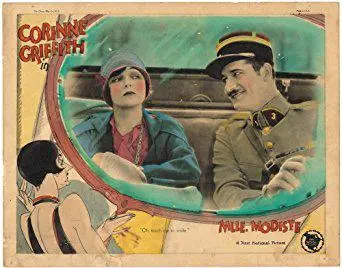
production_art
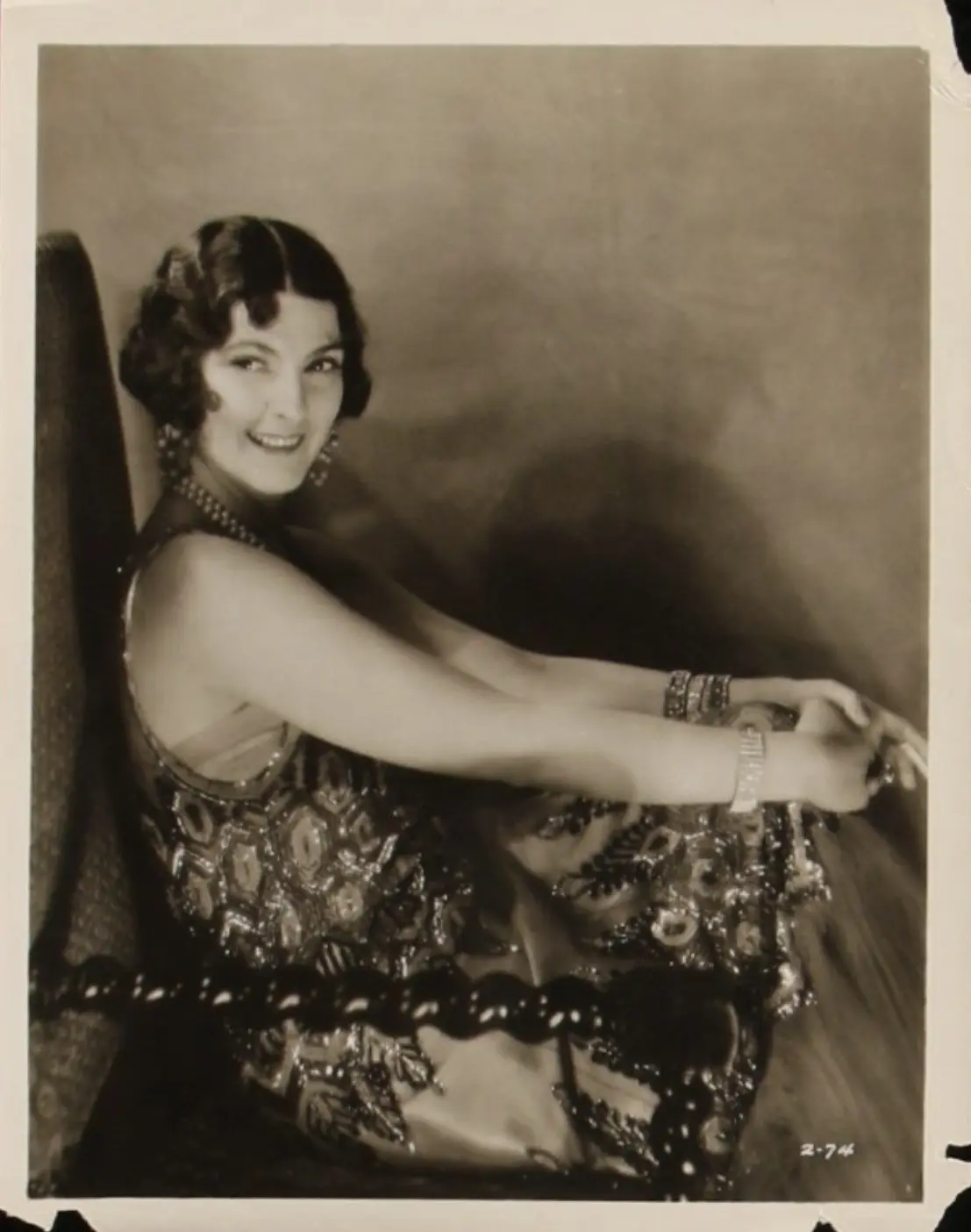
still_frame
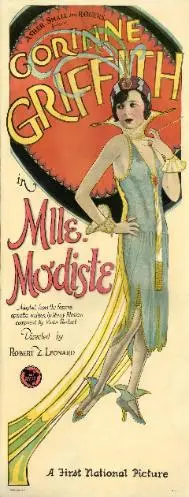
production_art
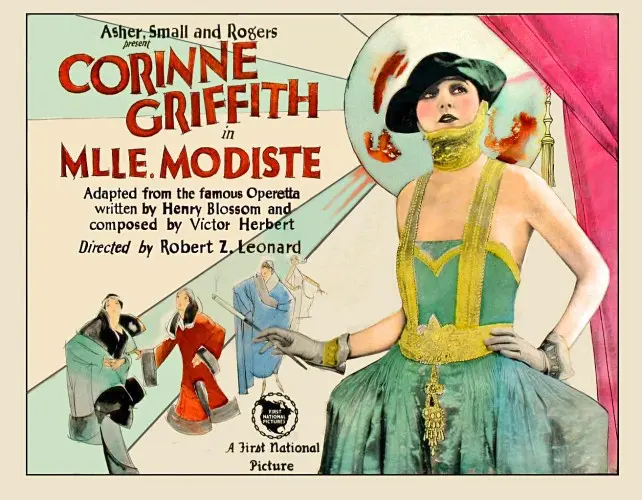
production_art
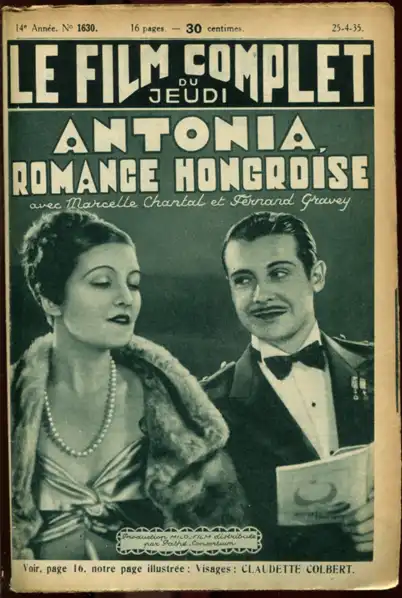
Comparing the cinematic DNA and archive impact of two defining moments in cult history.
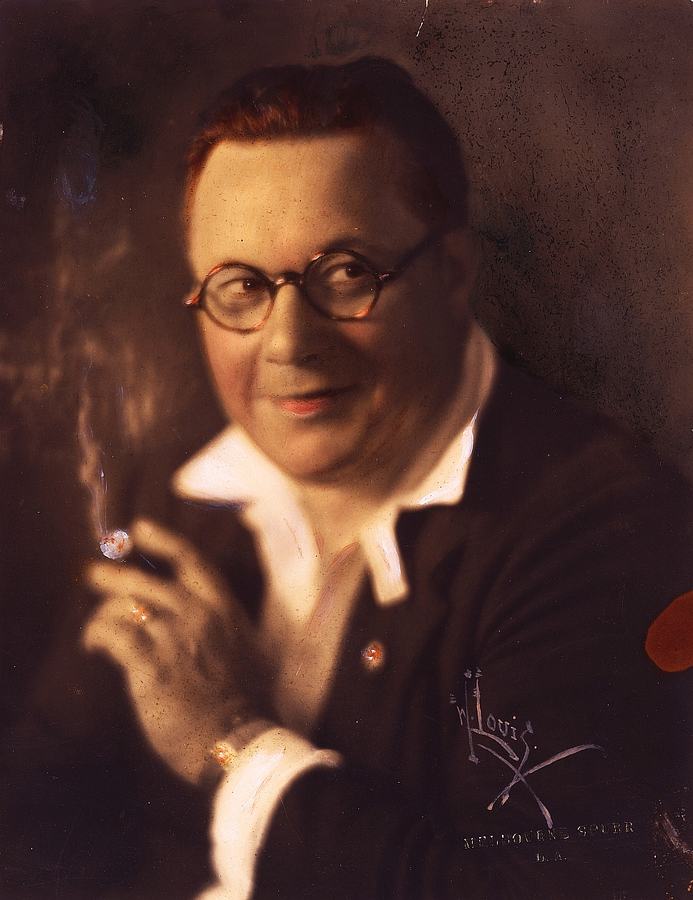
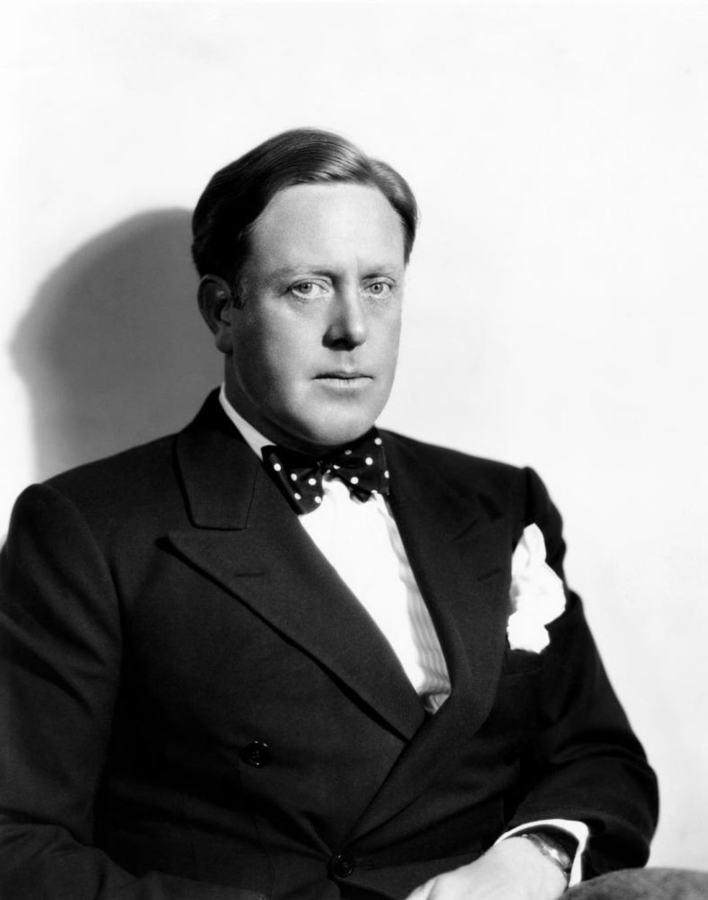
Robert Z. Leonard
Robert Z. Leonard
Community
Log in to comment.
"Is it possible to truly judge a film that no longer exists in its physical form? Short answer: Yes, through the lens of historical impact and the creative DNA of its stars, though you cannot actually sit down to view it today.This film is strictly for cinema historians, silent era enthusiasts, and those obsessed with the 'Orchid of the Screen,' Corinne Griffith. It is definitively not for the casual viewer who requires a high-definition digital file to appreciate narrative art.The Verdict on a V..."
Victor Herbert, Ralph Spence, Adelaide Heilbron, Henry Martyn Blossom
United States
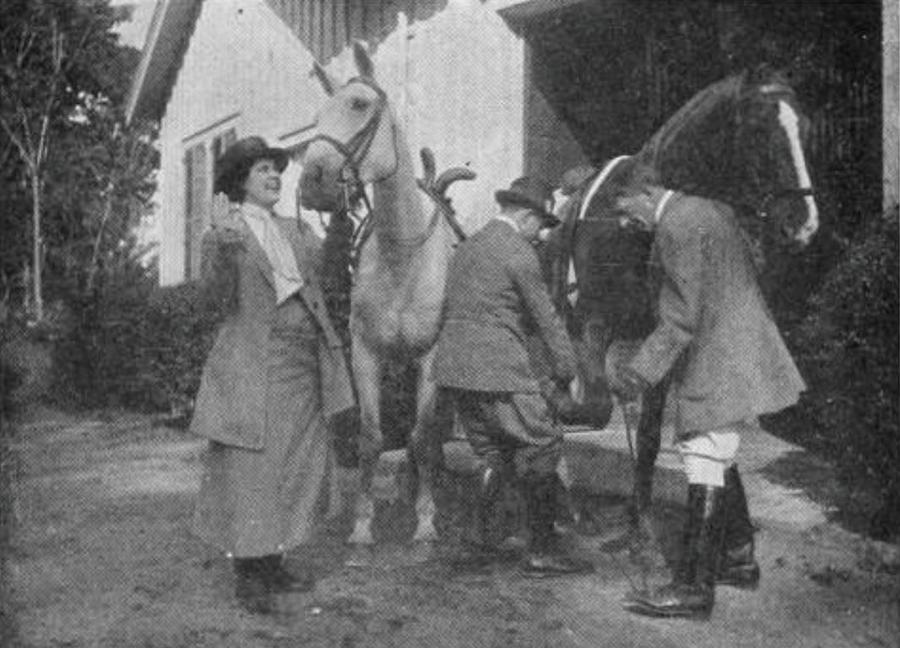
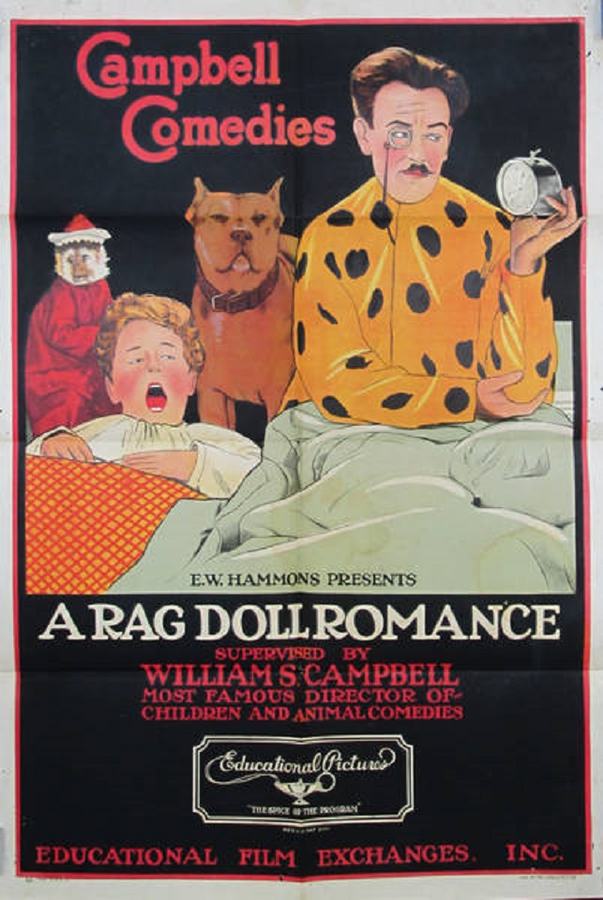
Deep dive into the cult classic
Discover similar cinematic experiences
A Directorial Spotlight on Robert Z. Leonard