DbcultAccessing Vault...
6.1/10
Senior Film Conservator
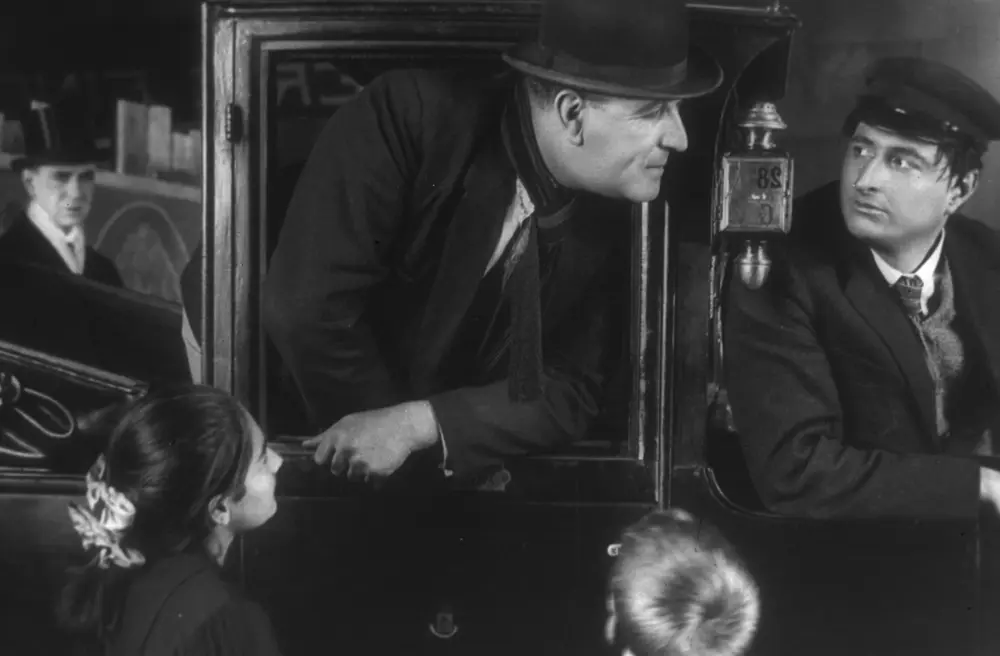
A definitive 6.1/10 rating for a film that redefined the boundaries of cult cinema. Marquitta remains a cornerstone of transgressive art.
Is Marquitta a lost classic or a dusty curiosity for the cinematic obsessed? Short answer: it is a vital, if occasionally clumsy, stepping stone for anyone who wants to understand the evolution of Jean Renoir.
This film is for the historian, the Renoir completionist, and the lover of silent-era melodrama who appreciates seeing a master find his voice. It is definitively NOT for those who demand the narrative polish of Renoir’s later works like The Grand Illusion or those who have no patience for the theatrical exaggerations of 1920s silent acting.
Yes, but with significant caveats. Marquitta represents a specific moment in 1927 when the silent era was reaching its technical zenith while still clinging to Victorian moral structures. Watching it today feels like peering through a keyhole into the laboratory of a genius. You can see Renoir experimenting with depth of field and character psychology, even if the script by Pierre Lestringuez feels a bit like a standard-issue potboiler.
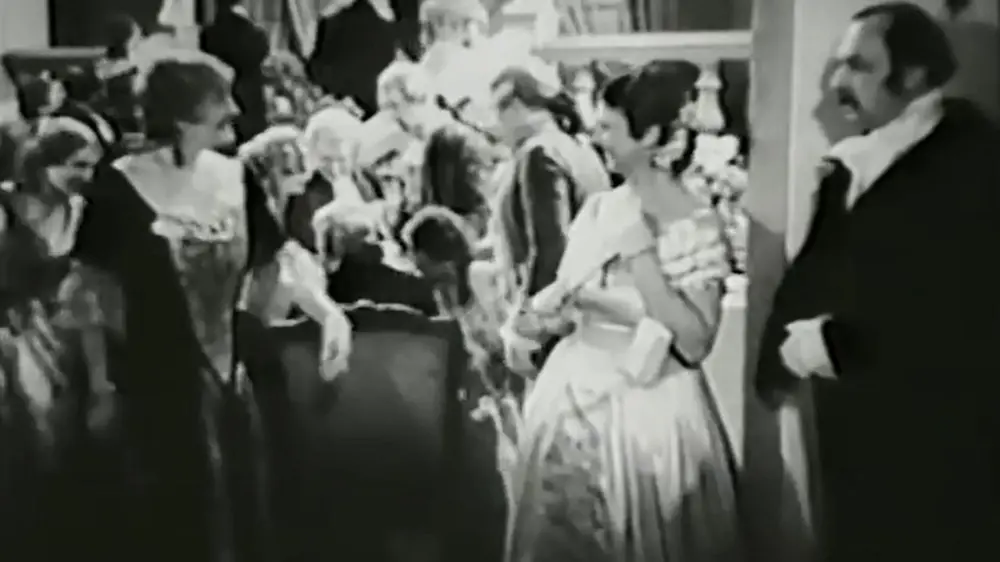
1) This film works because of the raw, visceral chemistry between Andrée Vernon and Jean Angelo, which transcends the limitations of the silent medium.
2) This film fails because its second-act reversal relies on a series of coincidences that even for 1927 feel incredibly strained.
3) You should watch it if you want to see how the themes of class struggle—which Renoir would later perfect—were originally explored in their most primitive, emotional form.
The film opens with a stark contrast between the opulence of Prince Vlasco’s world and the gritty reality of Marquitta’s street-singing life. Renoir, even this early in his career, shows a keen eye for how space defines status. The palace sets are vast and cold, filled with shadows that seem to swallow Marquitta whole. In contrast, the street scenes feel crowded, tactile, and alive. This isn't just a romance; it is a study of how class identity acts as a cage.
When the jewelry goes missing, the Prince’s reaction is not one of a lover betrayed, but of a ruler whose property has been violated. Jean Angelo plays Vlasco with a stiff, almost brittle dignity. When he throws Marquitta out, his movements are sharp and robotic. It’s a fascinating performance of a man who has replaced his heart with a set of protocols. This scene is a stark contrast to the fluid, energetic movements found in films like Cops, which utilized physical space for comedy rather than social tragedy.
The middle section of the film, where Vlasco loses his throne, is where Renoir begins to show his teeth. The transition from a prince to a beggar is handled with a brutal lack of sentimentality. We see Vlasco in the same gutters where he once found Marquitta, but he lacks her resilience. He is a man broken by the loss of his external markers of worth. It’s a punchy, effective sequence that highlights the fragility of the ruling class.
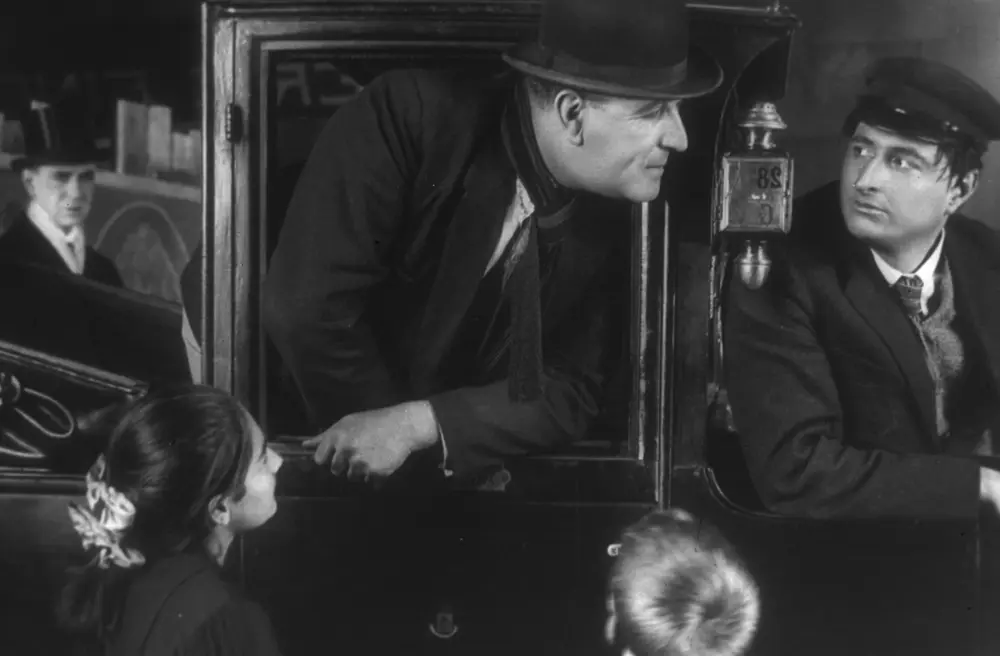
Technically, Marquitta is a fascinating bridge. Jean-Louis Mundviller’s cinematography avoids the flat, stagey lighting common in lesser films of the era like The Knife. Instead, there is a play of light and shadow that suggests the influence of German Expressionism, yet it remains grounded in a French naturalism that would become Renoir's trademark. The way the camera lingers on Marquitta’s face during her street performances allows the audience to see the soul behind the 'mistress' label.
One specific scene stands out: when Marquitta finds the Prince as a beggar. The framing is tight, almost claustrophobic. Renoir doesn't give us a grand, cinematic reunion. Instead, it’s a messy, awkward encounter in a doorway. This choice to emphasize the discomfort of their role-reversal is a brilliant touch. It shows that Renoir was already more interested in human truth than in cinematic tropes. It’s a far cry from the more traditional melodrama found in Three Weeks.
The pacing, however, is where the film stumbles. The first act takes its time establishing the romance, but the third act feels rushed, as if the production were running out of film stock. The revelation that Marquitta’s father was the thief is a classic 'deus ex machina' that feels unearned. It’s a narrative shortcut that undermines the complex social commentary built up in the first hour. It works. But it’s flawed. The ending is a bit too neat for a story that suggests such deep-seated class resentment.
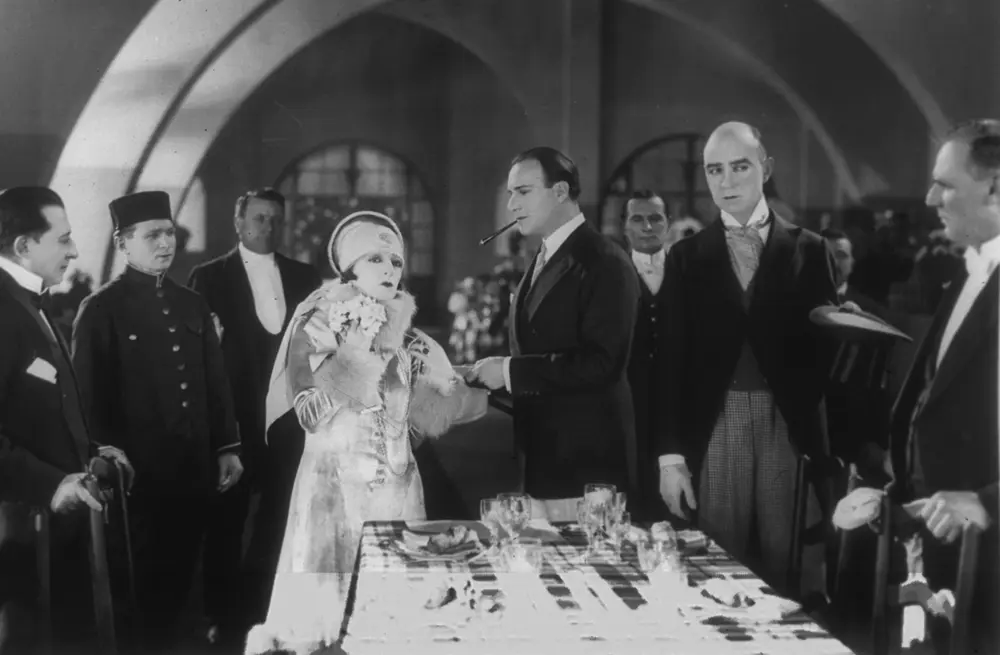
Andrée Vernon is the heart of the film. While many silent actresses relied on wild gesticulation, Vernon uses her eyes to convey a sense of weary endurance. Her Marquitta is not a victim; she is a survivor. When she gives the jewel back to Vlasco, her expression isn't one of triumph, but of pity. It’s a nuanced moment that elevates the film above its pulpy origins. She brings a groundedness that balances out the more theatrical tendencies of the supporting cast.
Jean Angelo, as Vlasco, has the harder job. He has to play a character who is fundamentally unlikable for most of the runtime. His 'fit of anger' upon receiving the jewel back is a highlight of the film’s psychological depth. Rather than being grateful, he is humiliated by her charity. It’s a bold choice to make the protagonist so stubbornly prideful even in the face of death. This level of character complexity is reminiscent of the work seen in Le brasier ardent, a film that also pushed the boundaries of character psychology in the 20s.
The supporting cast, particularly Félix d'Aps as the father, provides the necessary tension, though they often lean into the 'villainous' tropes of the era. The father’s role as the thief is a bit too convenient, but d'Aps plays him with a certain oily charm that makes his scenes watchable. He represents the 'street' that Vlasco so fears, and in that sense, he is a successful foil to the Prince’s rigid morality.
Marquitta is not a masterpiece, but it is an essential piece of the puzzle for anyone tracking the history of film. It possesses a raw energy that many of its contemporaries, like Polar Bonzo, lack. While the script is dated, the direction is forward-thinking. Renoir’s obsession with the humanity of his characters—even the deeply flawed ones—is already on full display here. It is a film about the masks we wear and the price we pay when they are stripped away. If you can look past the creaky plot mechanics, you will find a haunting, visually rich experience that echoes through the decades. It’s a solid 7/10 for history buffs and a 5/10 for casual viewers. Take it for what it is: the first light of a rising sun.
IMDb 5.8
1915
Community
Log in to comment.