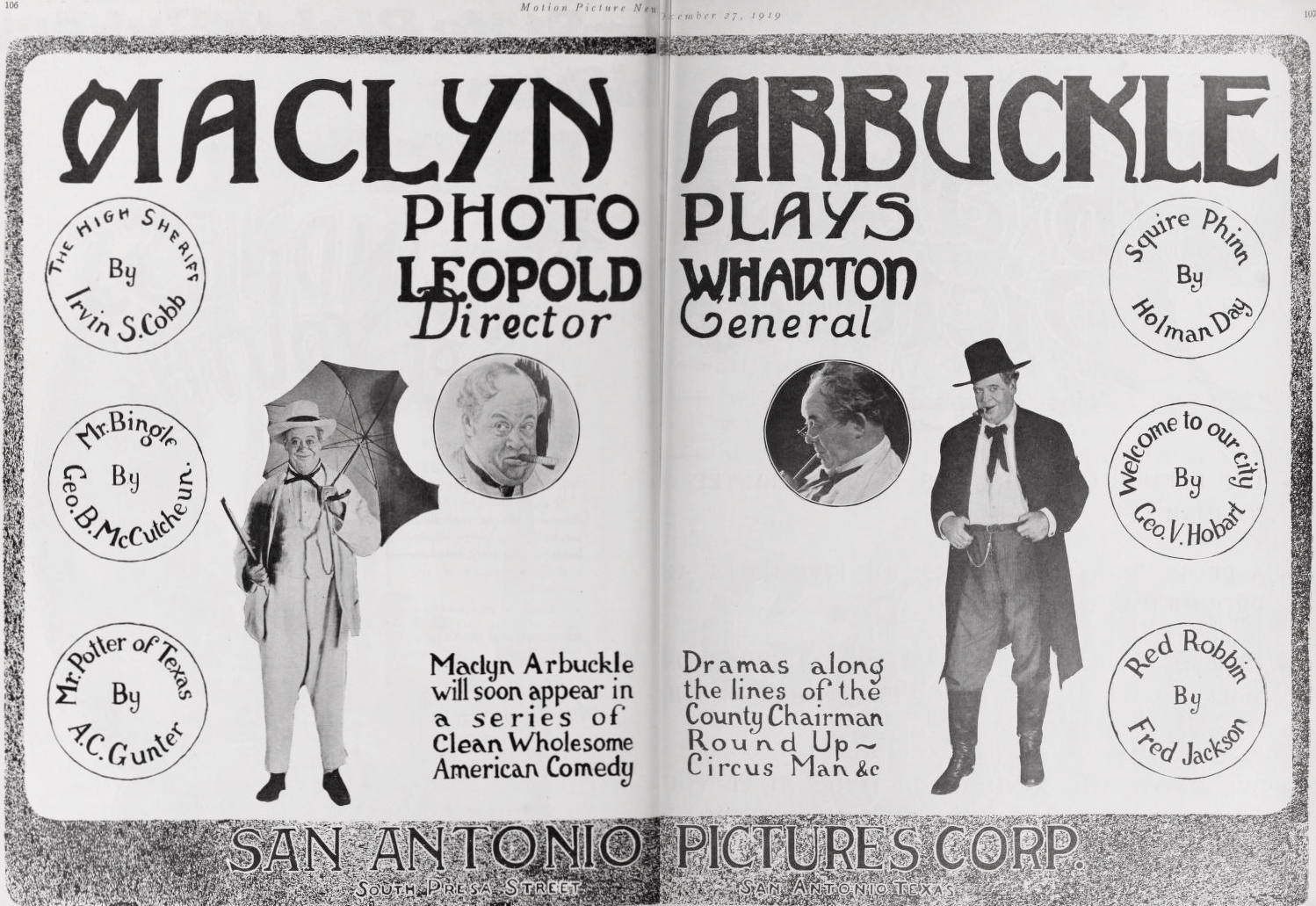
The Architectural Decay of the Nuptial VowTo watch Marriage a la Mode in the modern era is to participate in an archaeological dig of the human psyche. Released in 1914, a year more frequently associated with the birth of industrial warfare than the nuances of domestic drama, this film stands as a startlingly mature me...
product
product
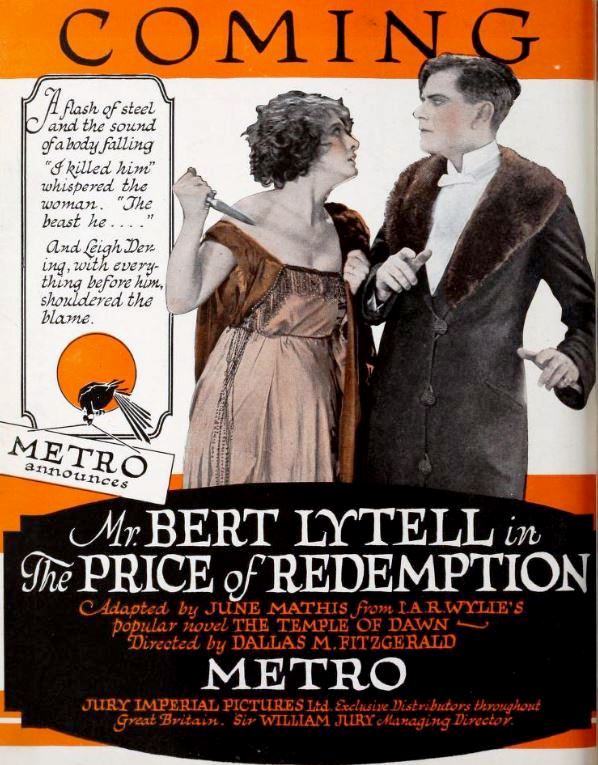
Comparing the cinematic DNA and archive impact of two defining moments in cult history.
Leopold Wharton
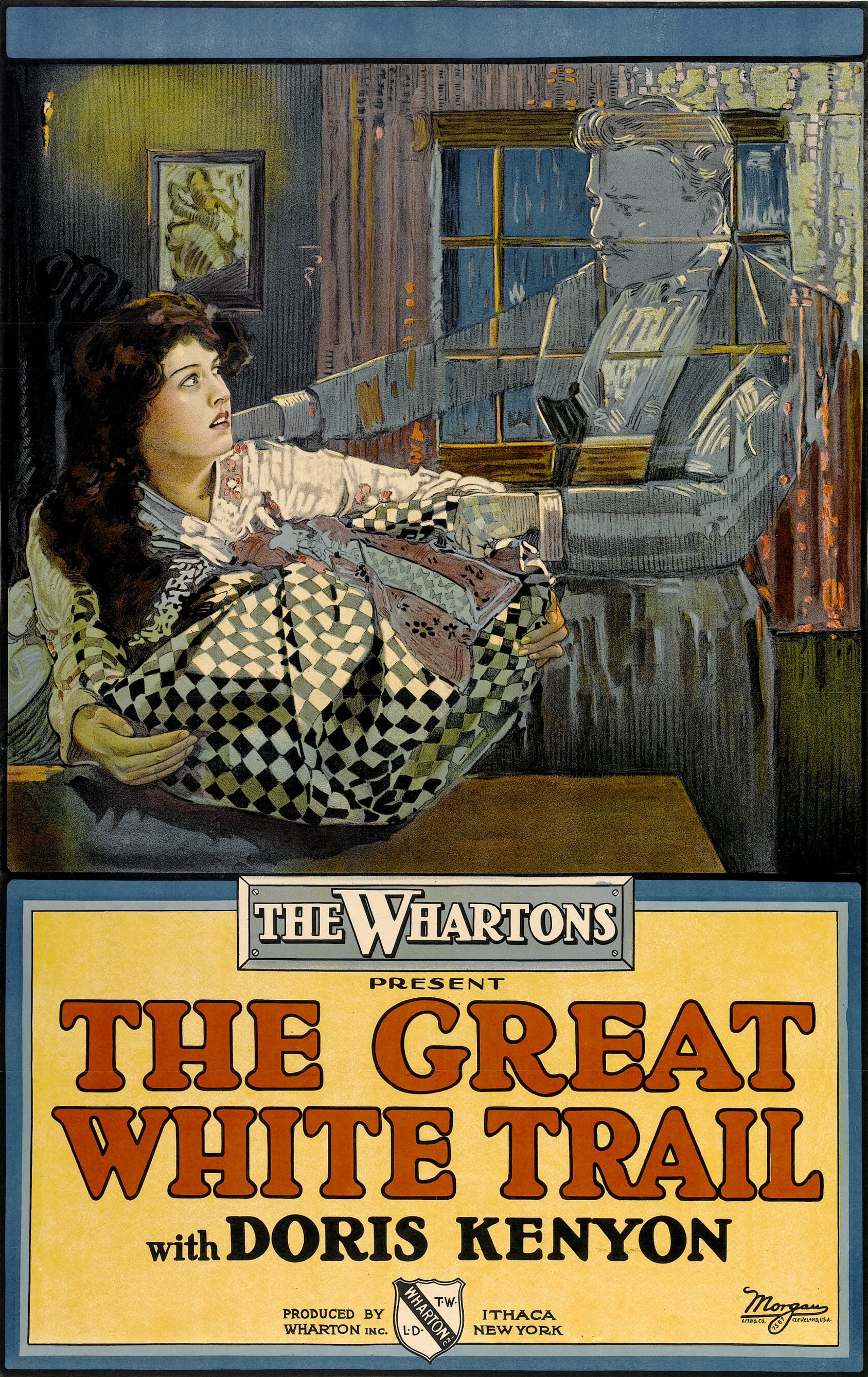
Leopold Wharton
Community
Log in to comment.
"The Architectural Decay of the Nuptial VowTo watch Marriage a la Mode in the modern era is to participate in an archaeological dig of the human psyche. Released in 1914, a year more frequently associated with the birth of industrial warfare than the nuances of domestic drama, this film stands as a startlingly mature meditation on the failure of the romantic contract. Directed by and starring Leopold Wharton, with a script by Robin H. Townley, the work eschews the frantic pacing of the era’s popu..."
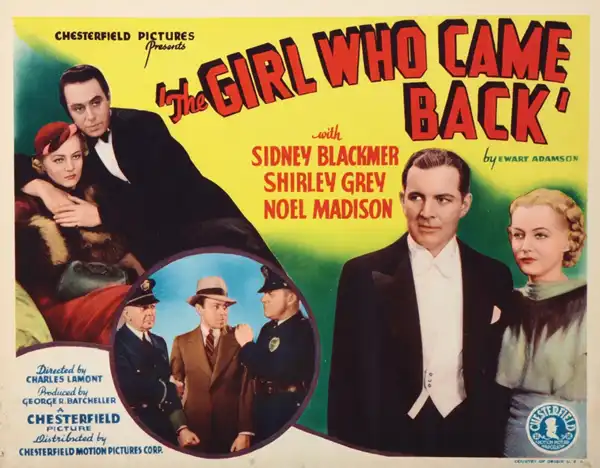
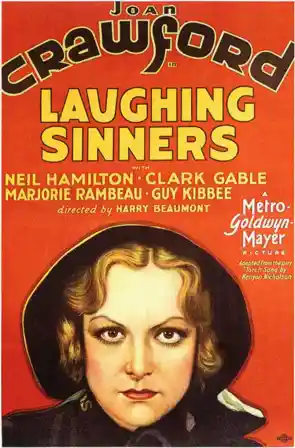
Deep dive into the cult classic
Discover similar cinematic experiences
A Directorial Spotlight on Leopold Wharton