Evicted from his boarding house, a man takes his bed and belongings to the poorer section of a city. It rains but he lets down an awning and has shelter.
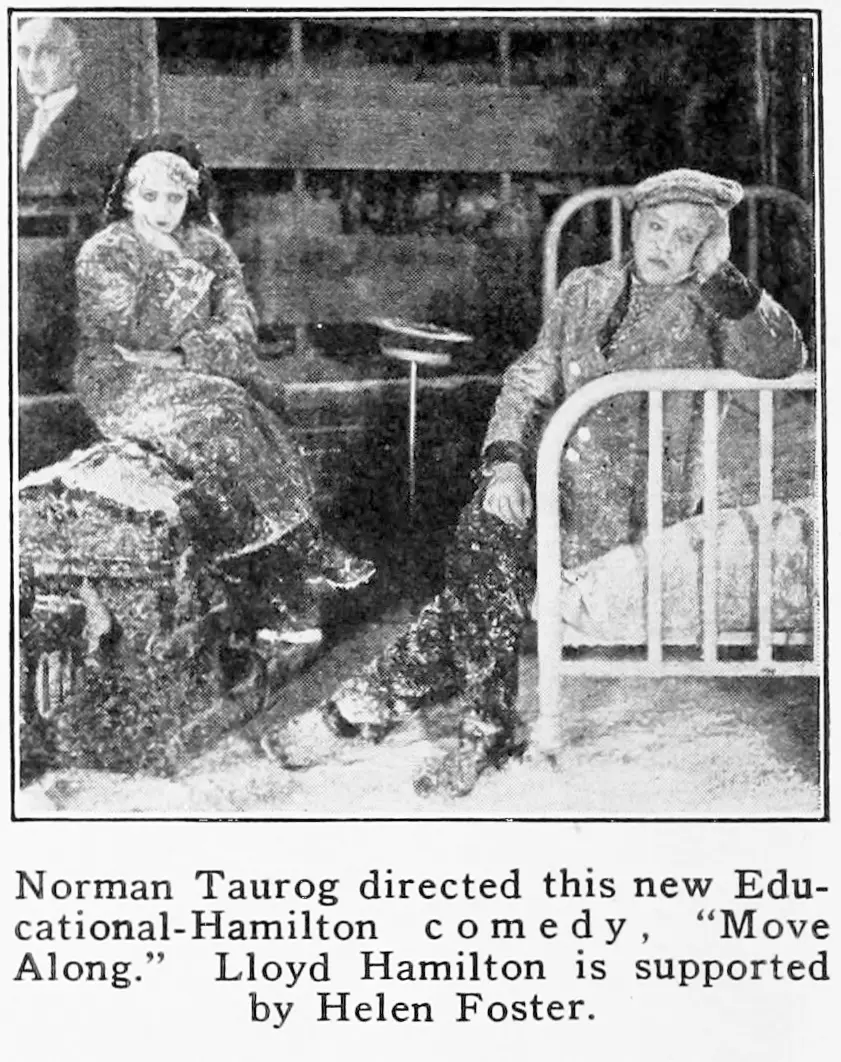
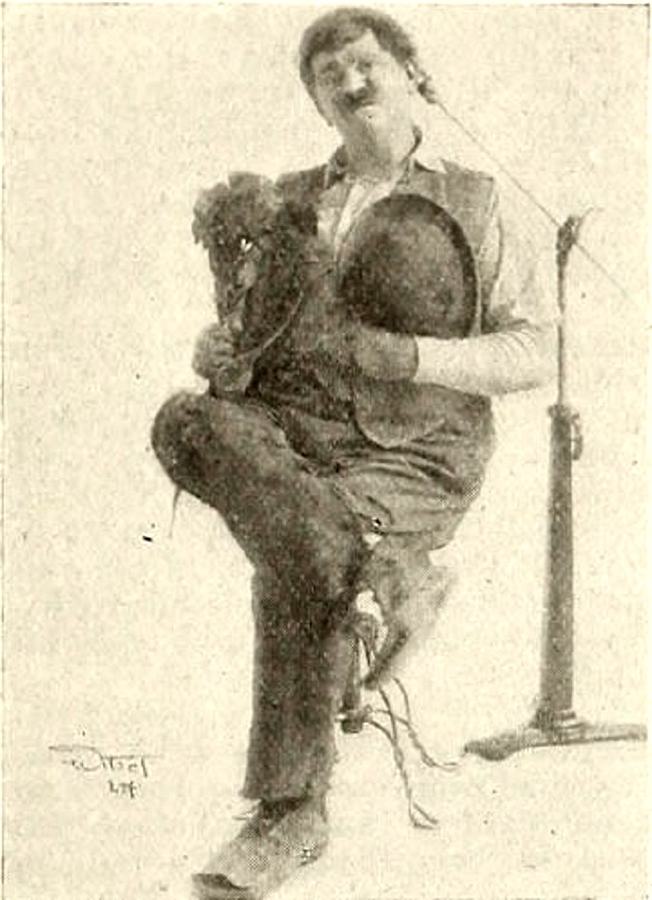
Is Move Along a hidden gem of the silent era that deserves a modern restoration? Short answer: No, but it remains a vital study in the 'pathetic' comedy style that Lloyd Hamilton perfected before his legacy was overshadowed by his peers. This film is specifically for silent cinema completists and those who appreciate ...
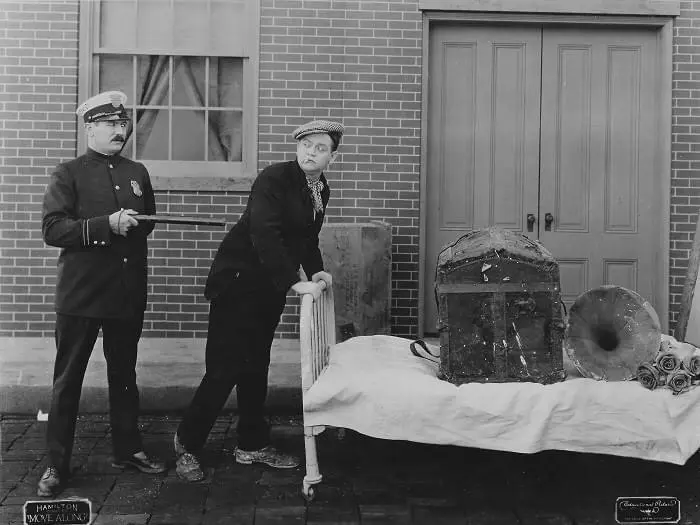
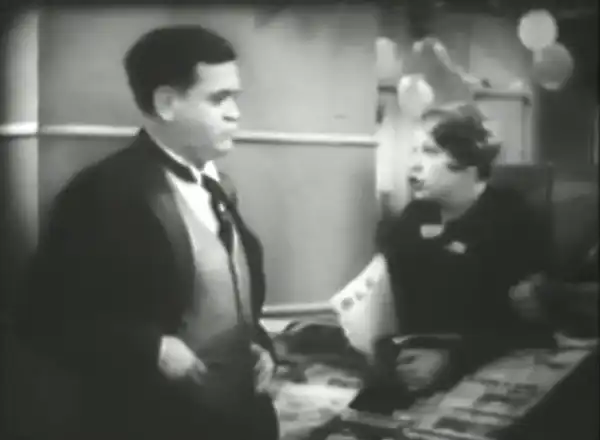
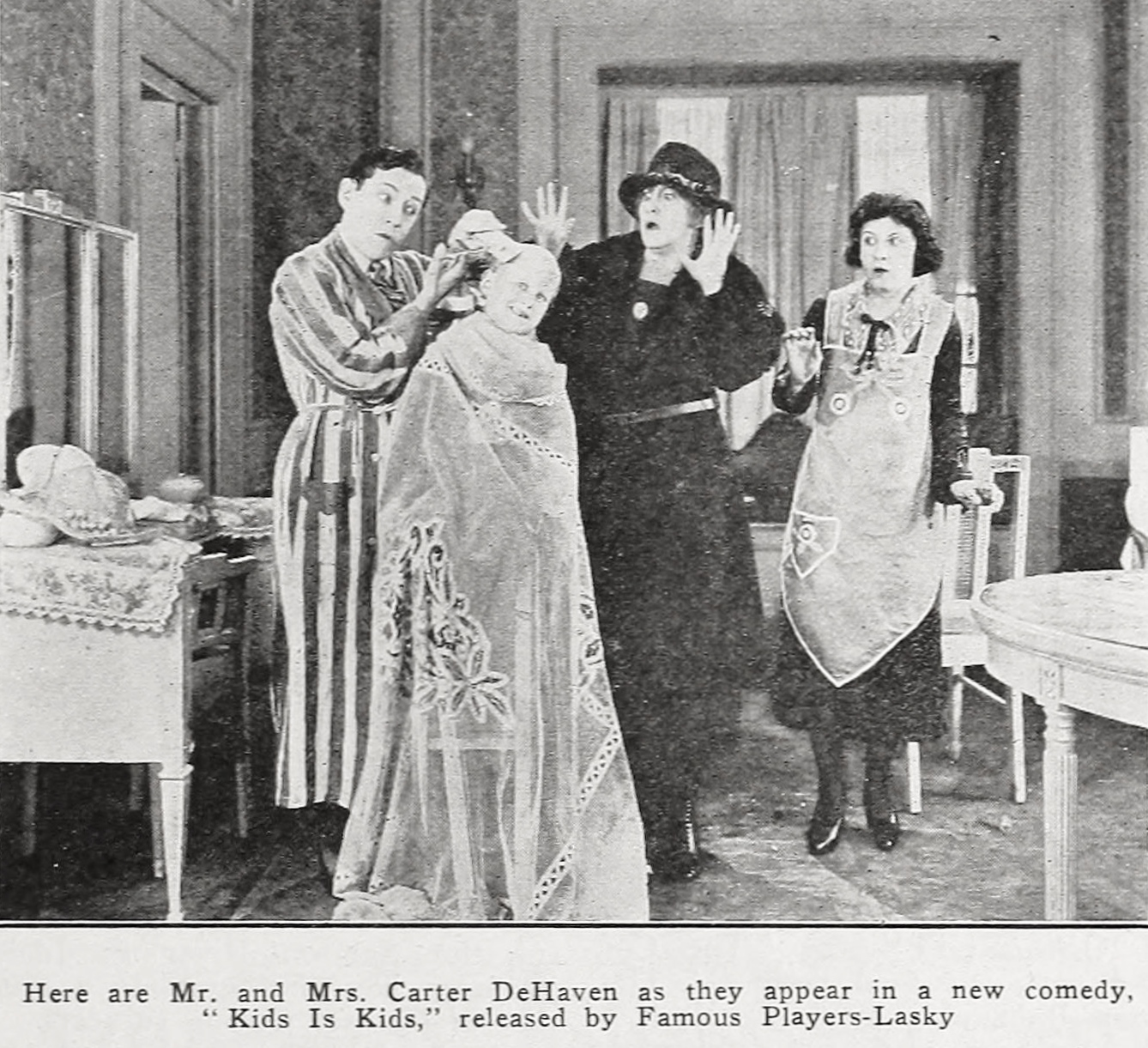
still_frame
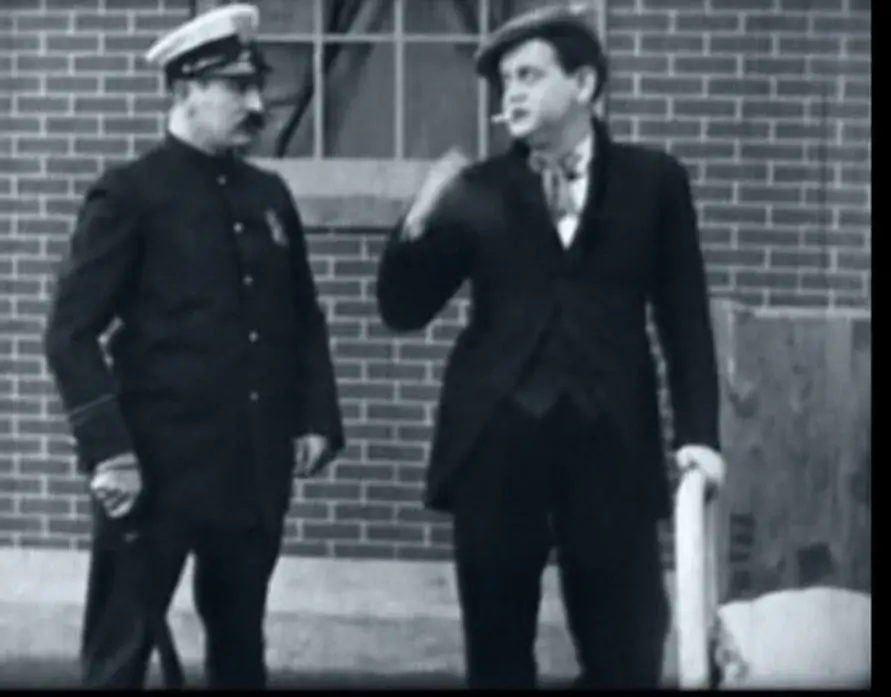
still_frame
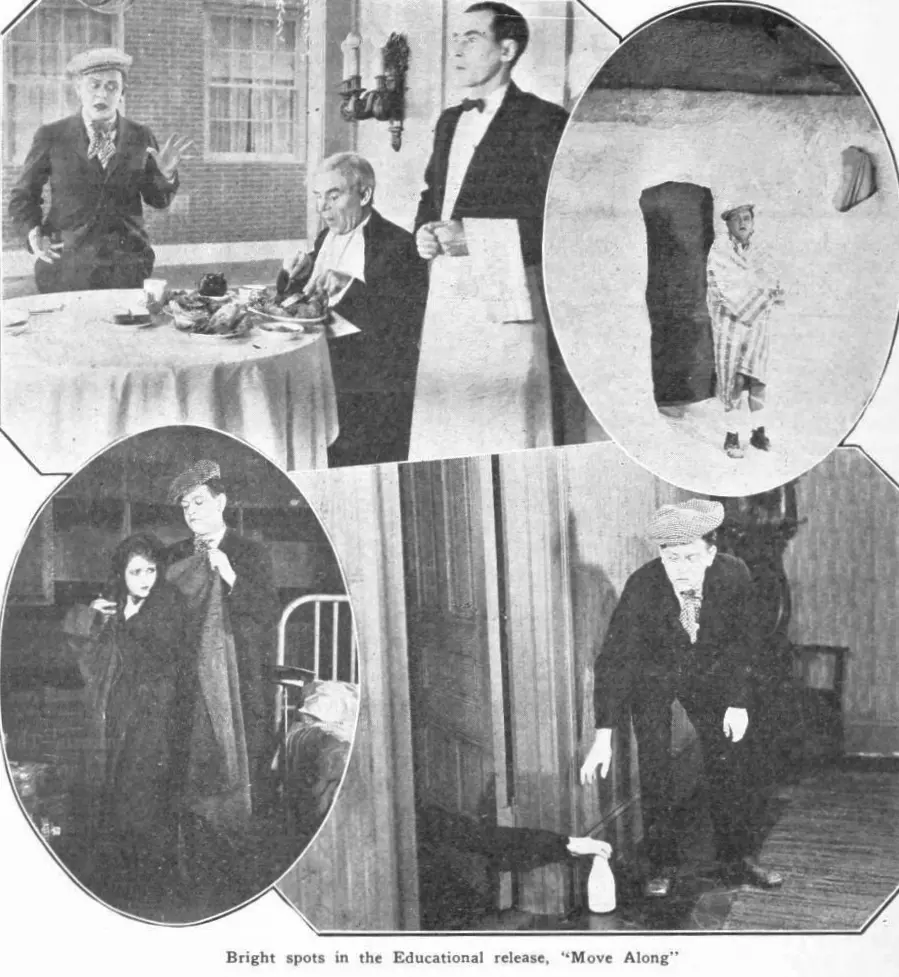
still_frame
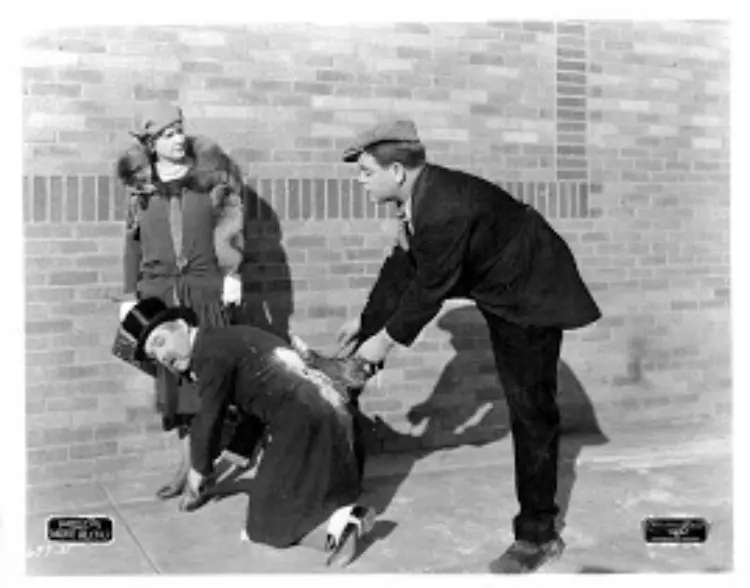
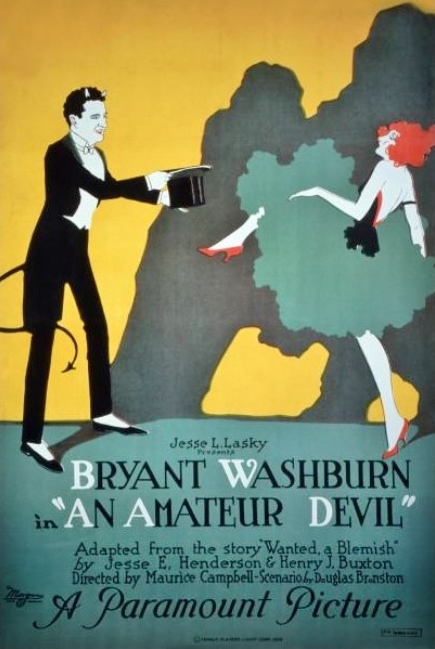
publicity

Comparing the cinematic DNA and archive impact of two defining moments in cult history.
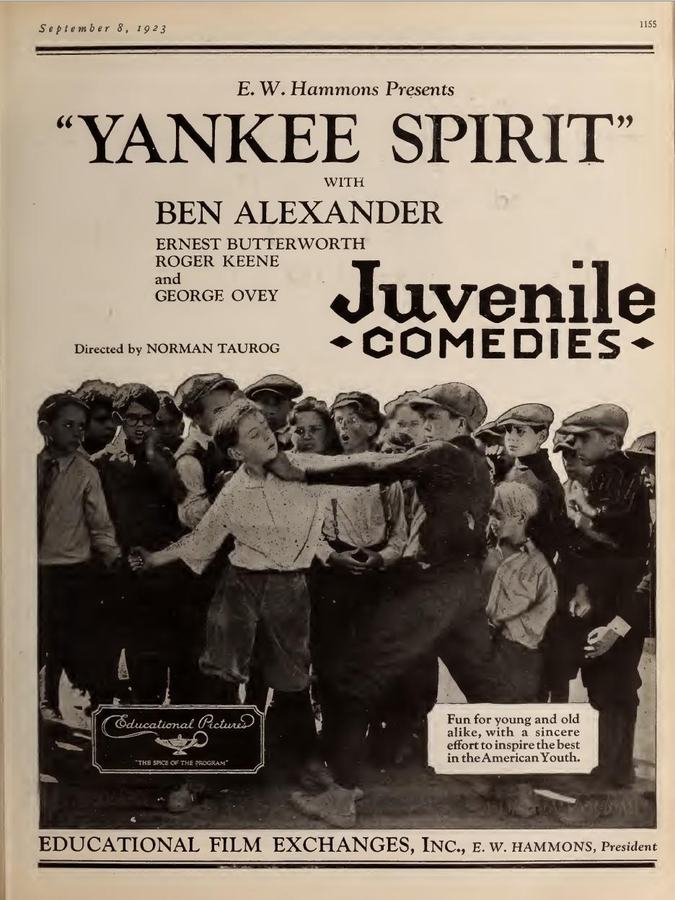
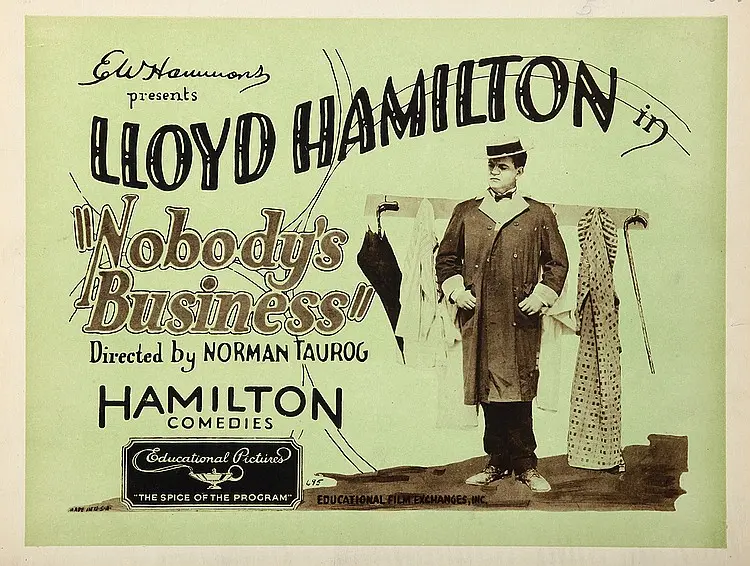
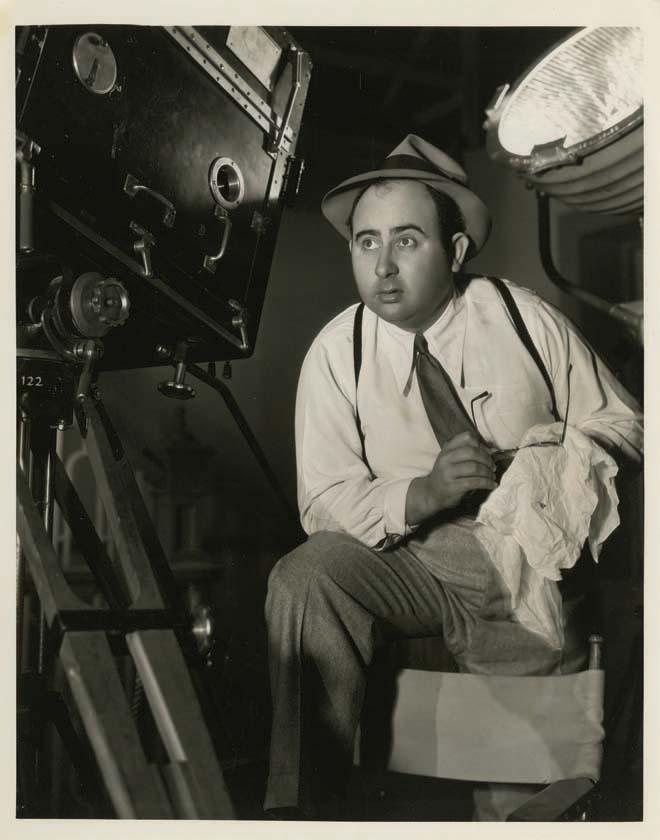
Norman Taurog
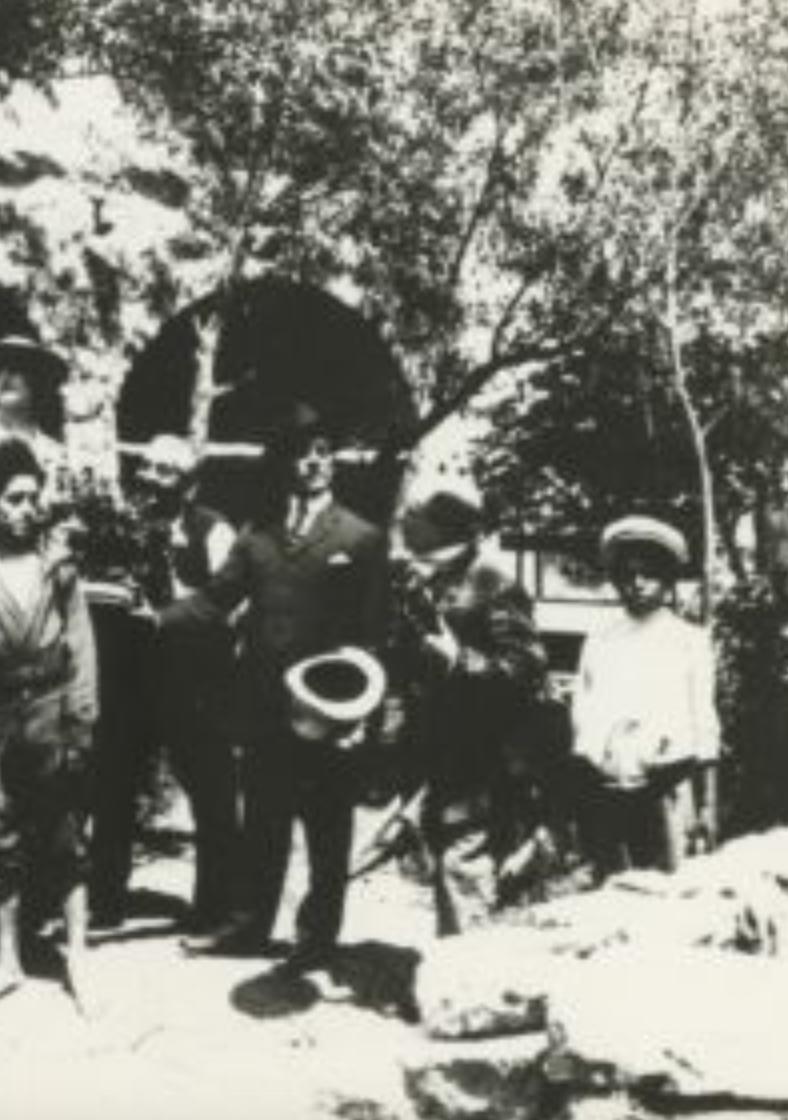
Eduardo Notari
Community
Log in to comment.
"Is Move Along a hidden gem of the silent era that deserves a modern restoration? Short answer: No, but it remains a vital study in the 'pathetic' comedy style that Lloyd Hamilton perfected before his legacy was overshadowed by his peers. This film is specifically for silent cinema completists and those who appreciate the 'lonesome' archetype popularized by comedians who weren't quite as optimistic as Chaplin. It is definitely not for viewers who demand high-definition visual clarity or those wh..."
Norman Taurog
United States