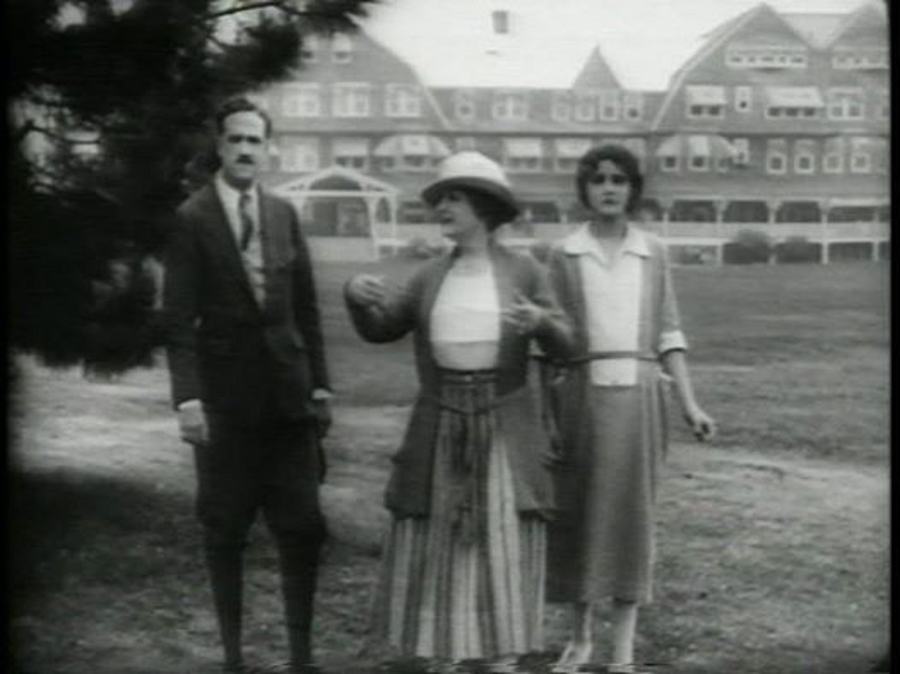
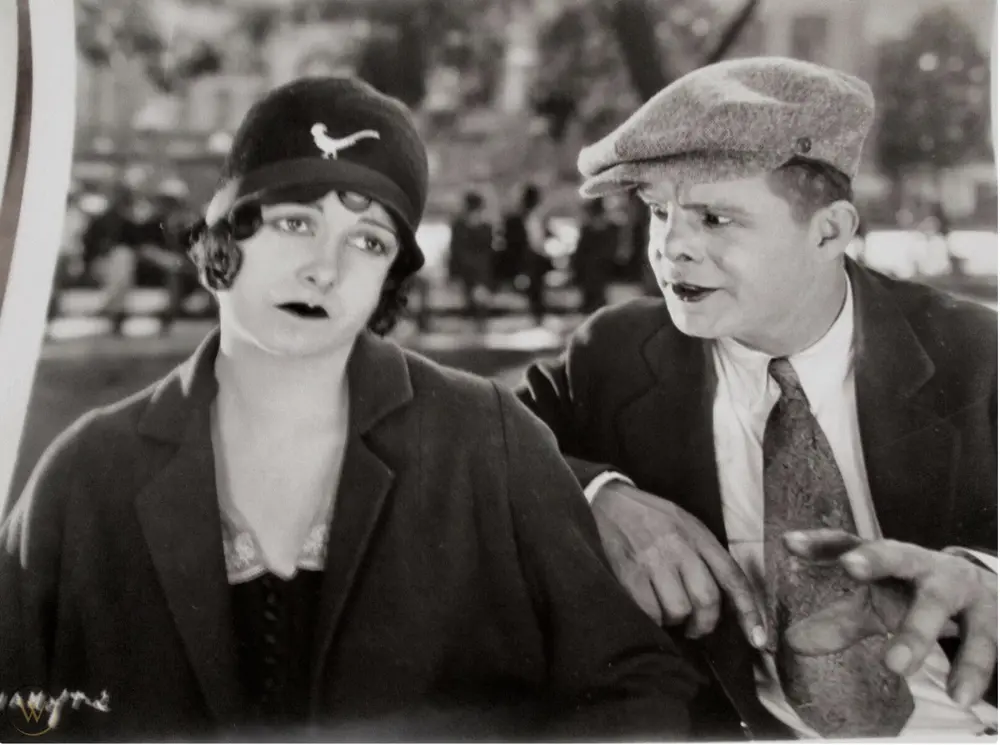
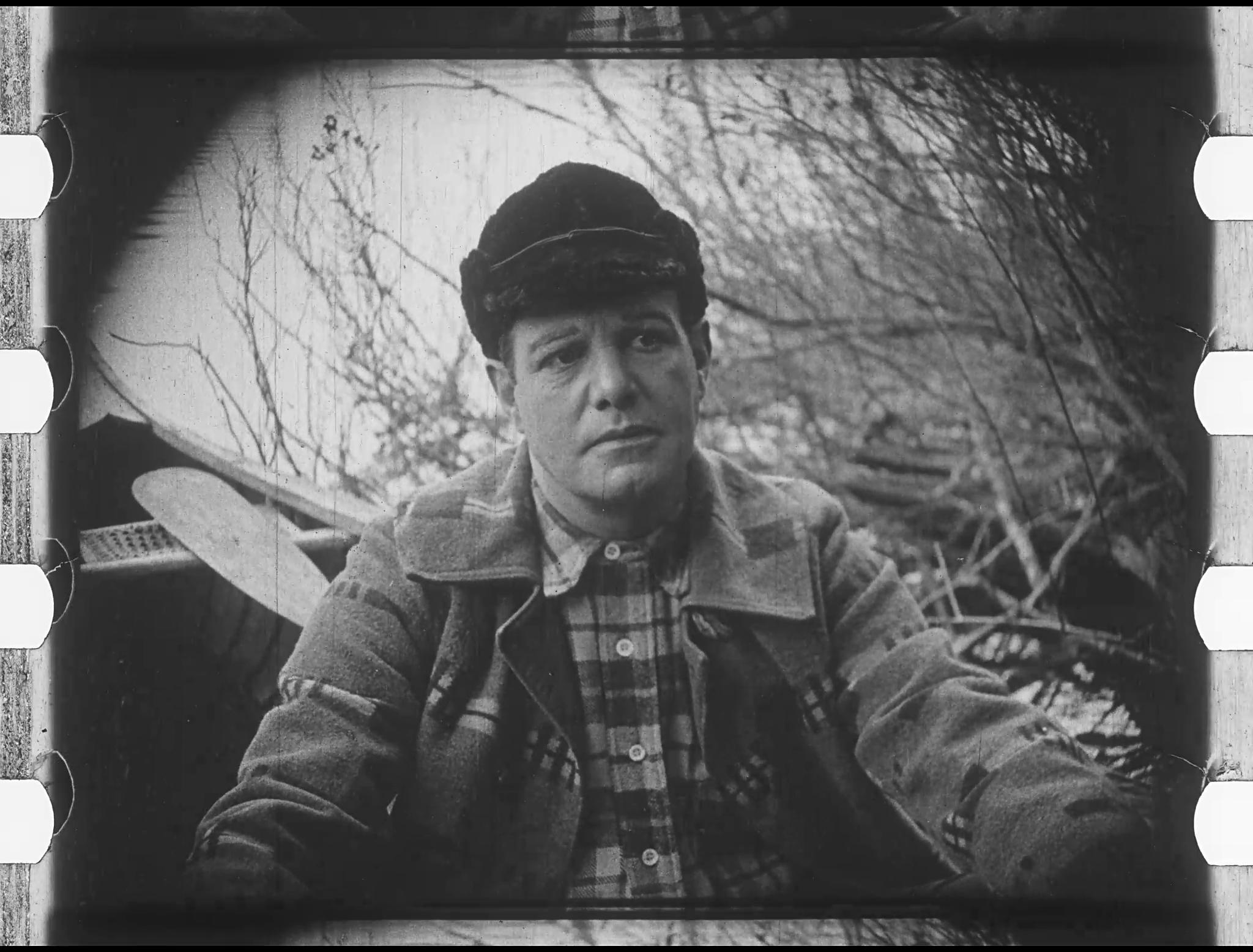
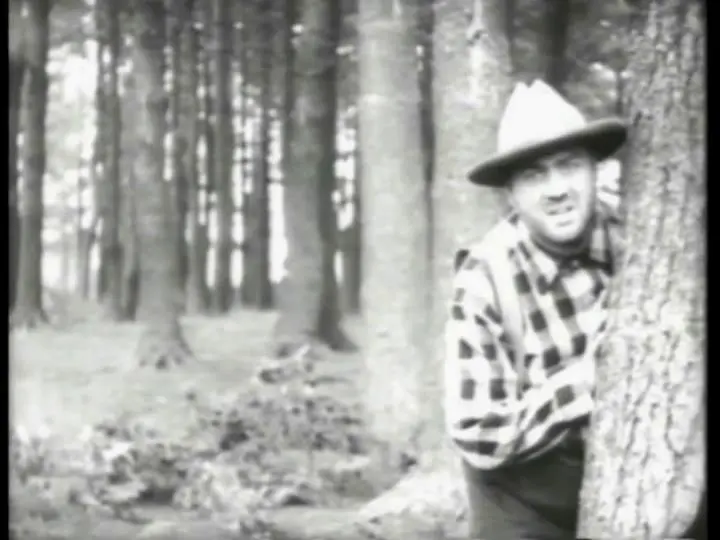
There is a fight over disputed forest land and eventually a battle between two gangs of workmen..
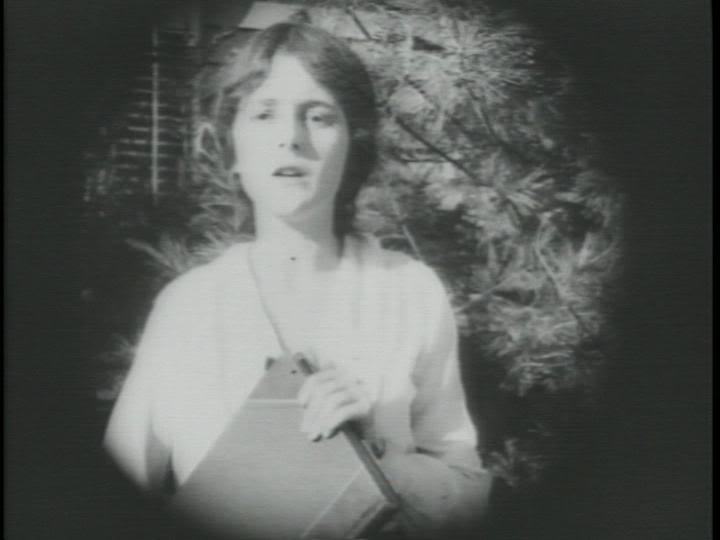
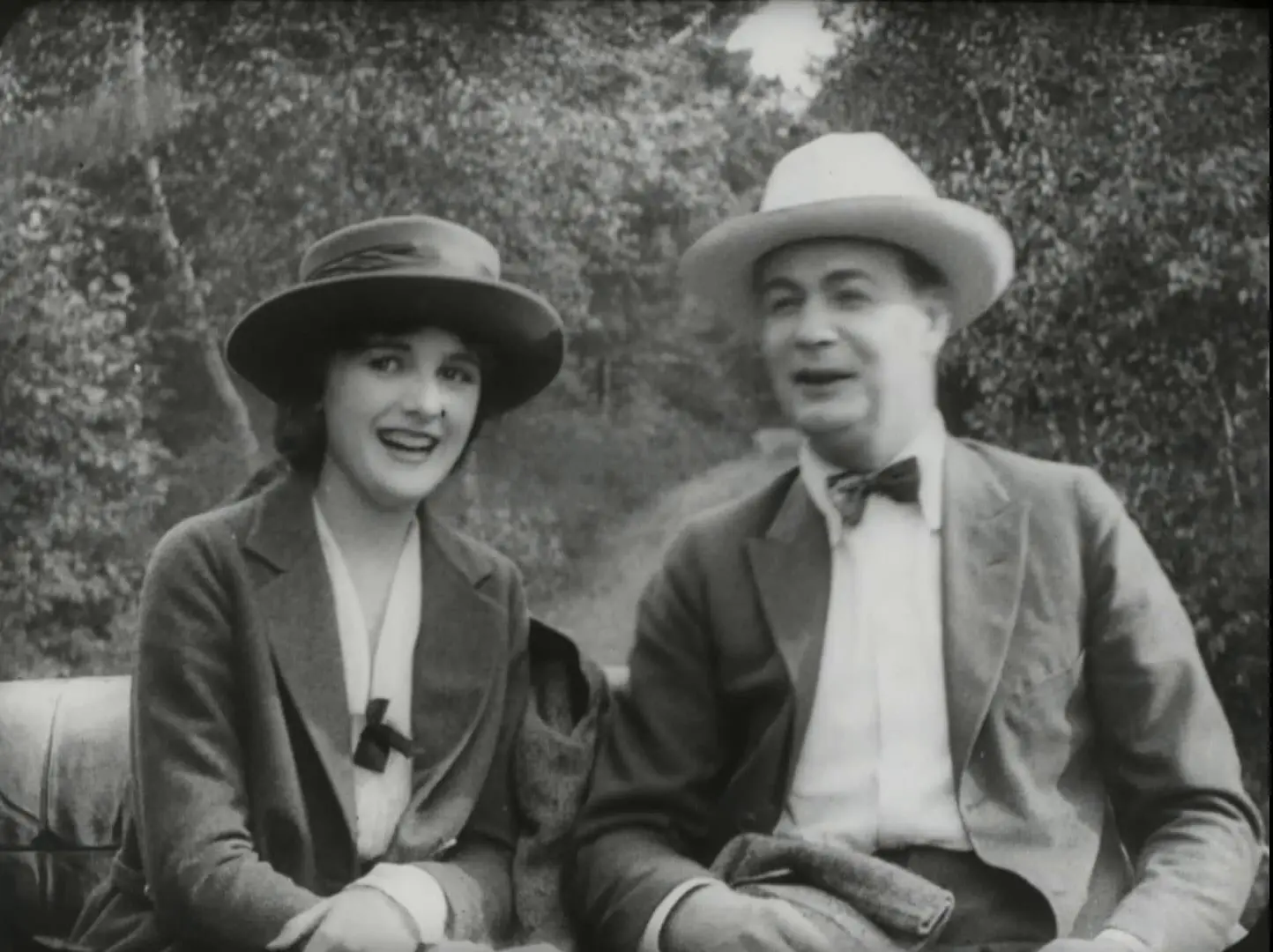
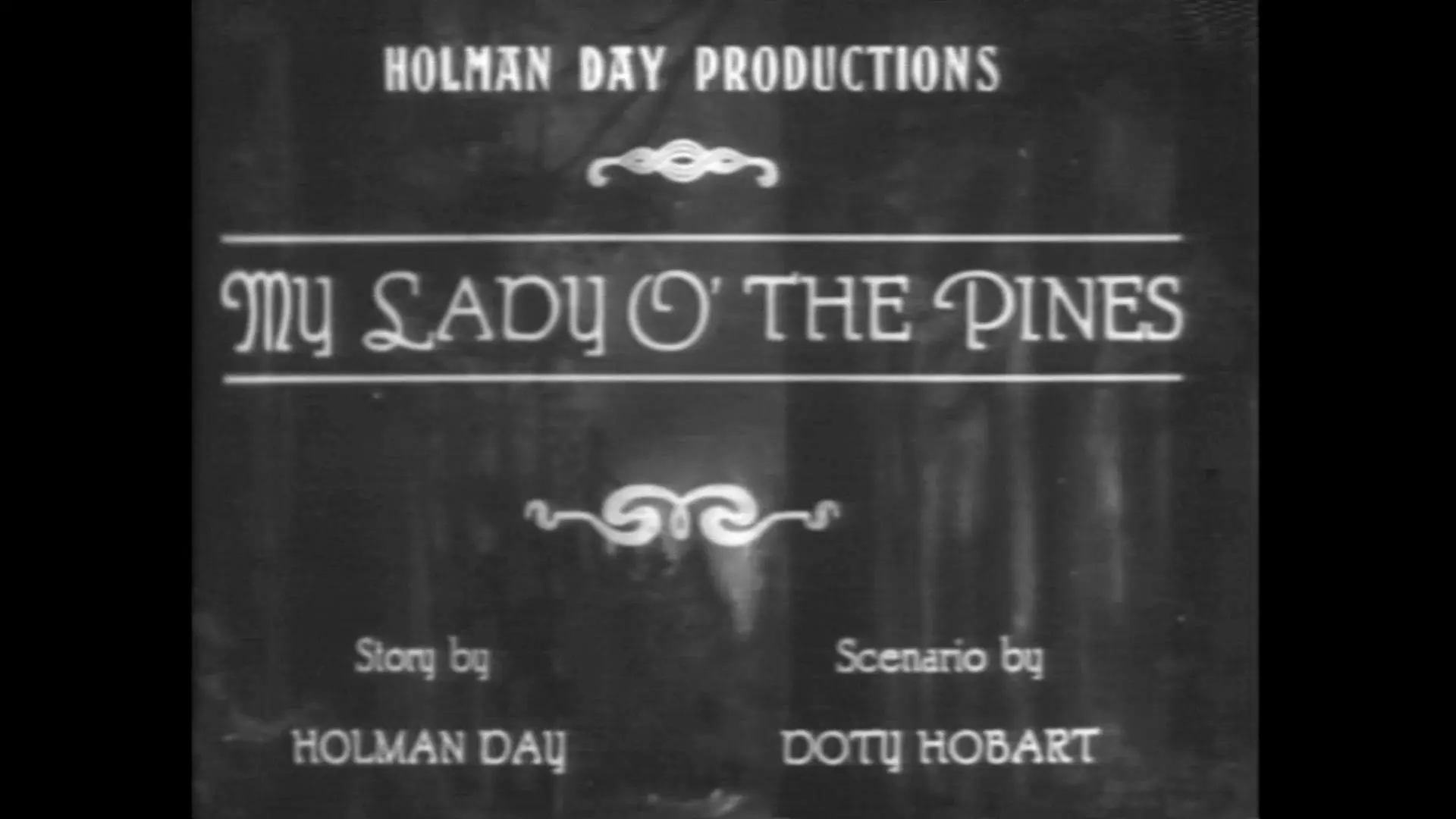
There are silents that merely flicker, and then there are silents that roar—My Lady o' the Pines belongs to the latter tribe, a 1922 lumber-war fever dream recently dredged from a Quebec basement where nitrate almost met oblivion. Holman Francis Day, the Maine yarn-spinner turned scenarist, lards every intertitle wit...
still_frame
product
still_frame
still_frame
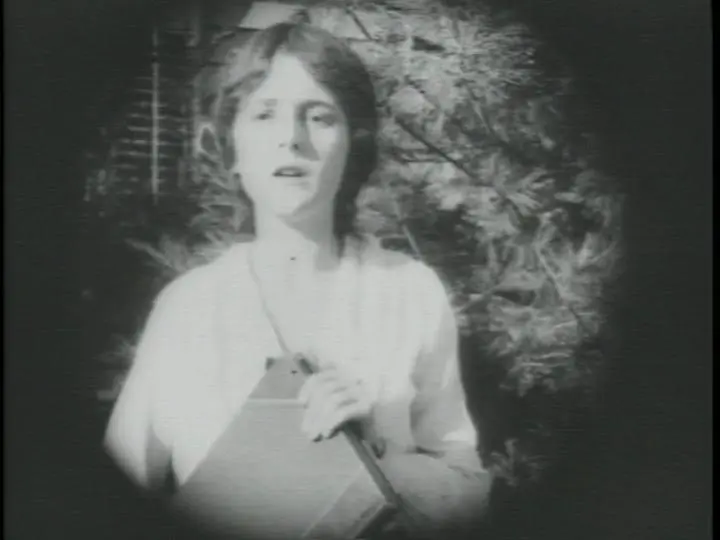
still_frame
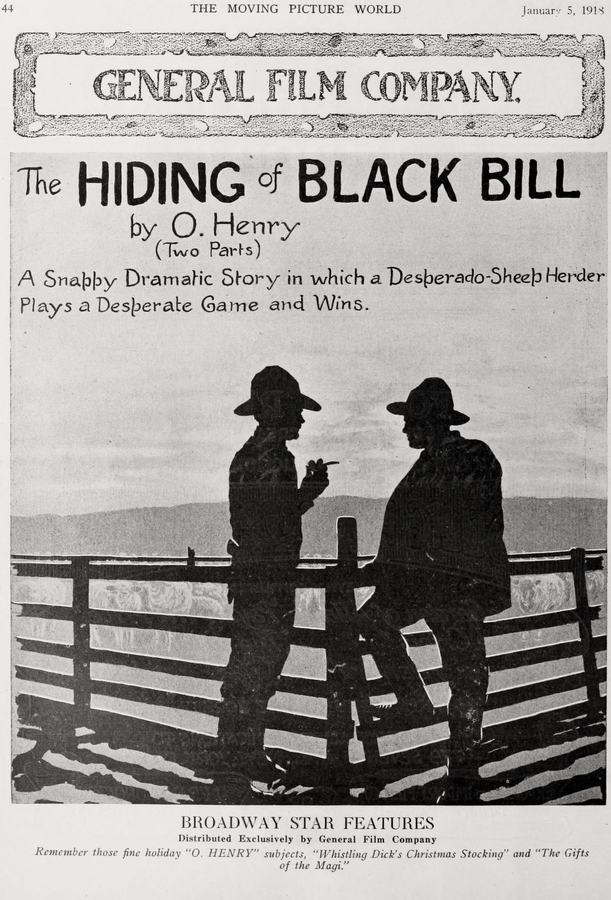
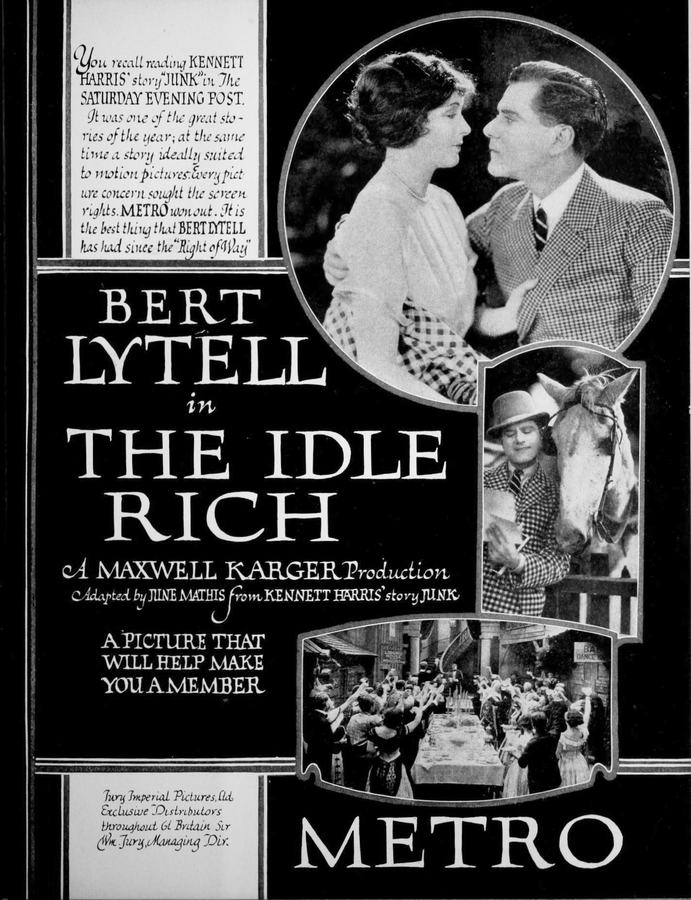
Comparing the cinematic DNA and archive impact of two defining moments in cult history.
Philip Carle
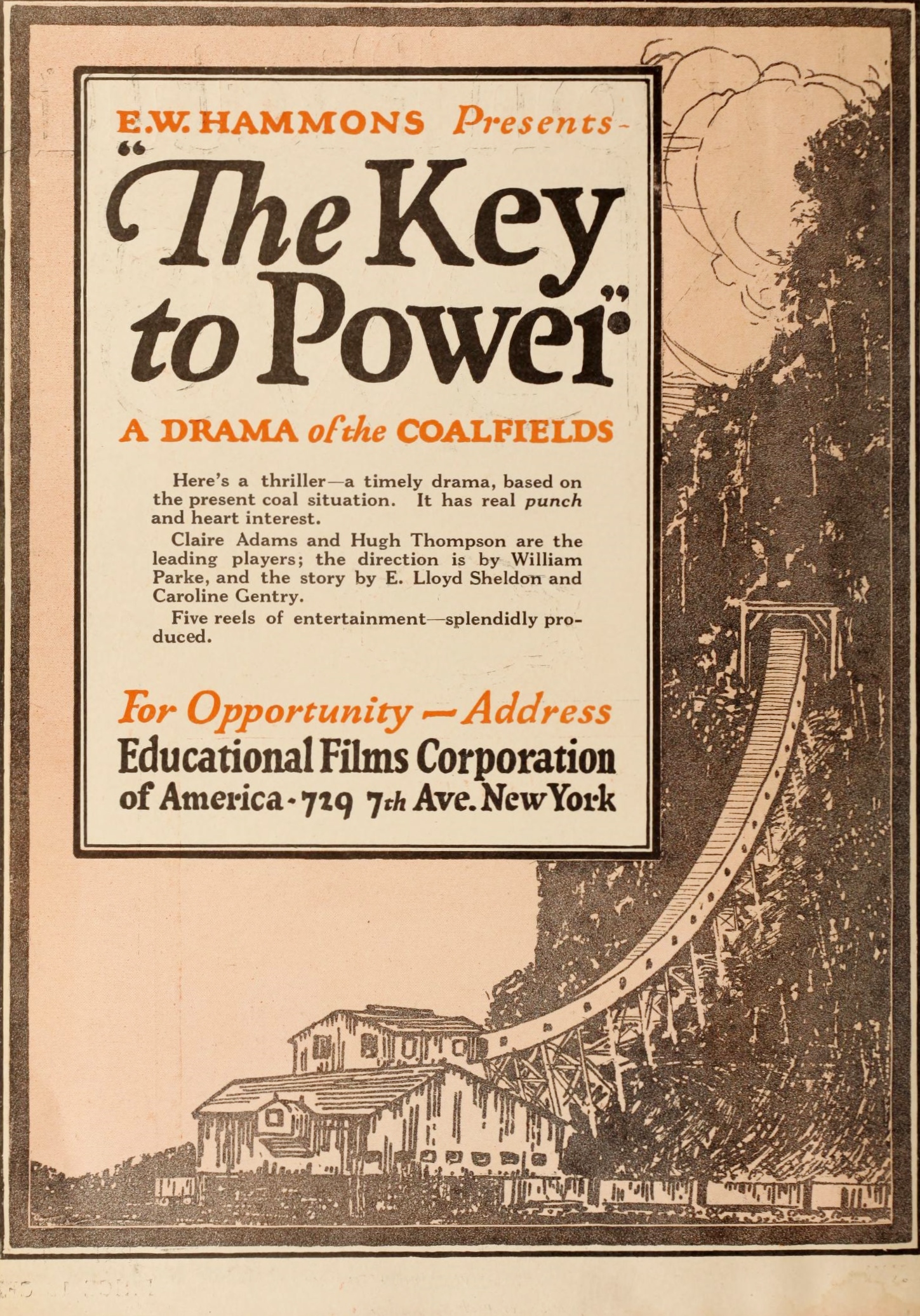
William Parke
Community
Log in to comment.
" There are silents that merely flicker, and then there are silents that roar—My Lady o' the Pines belongs to the latter tribe, a 1922 lumber-war fever dream recently dredged from a Quebec basement where nitrate almost met oblivion. Holman Francis Day, the Maine yarn-spinner turned scenarist, lards every intertitle with pine-scented regionalism; Doty Hobart trims the exposition like a camp cook slicing salt pork—lean, smoky, necessary. Together they craft a narrative that anticipates not only th..."
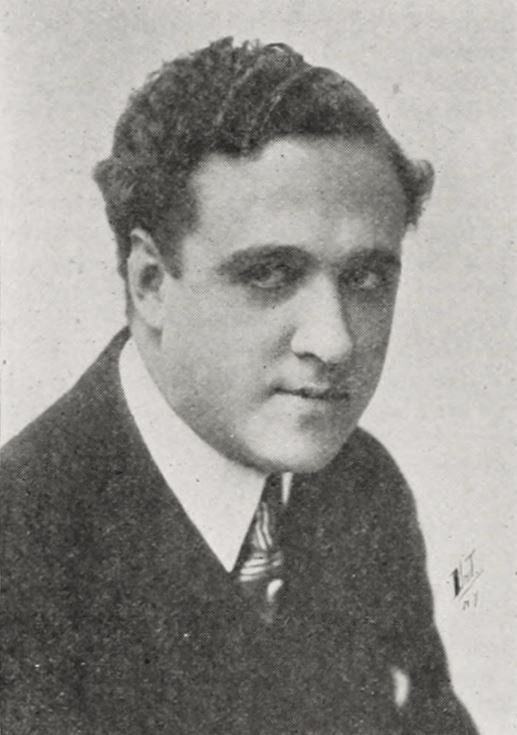
Bradley Barker
Holman Francis Day, Doty Hobart
United States
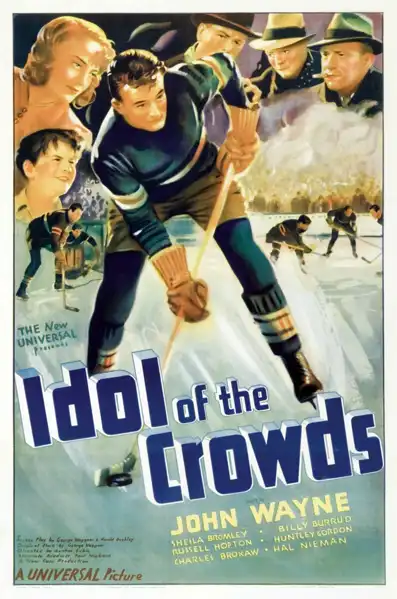
1937 · IMDb 6
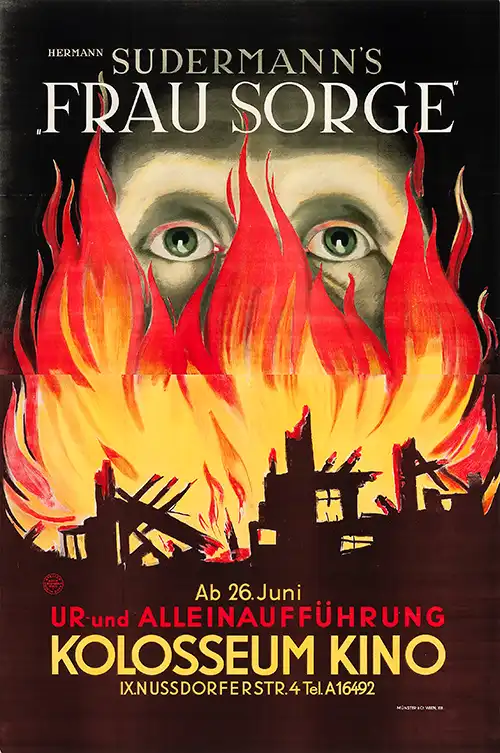
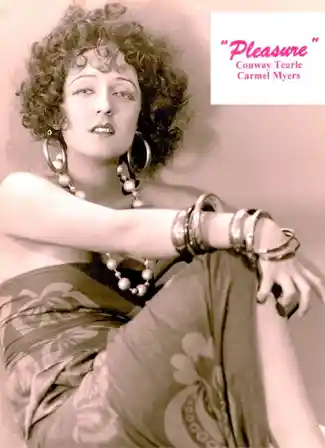
Deep dive into the cult classic
Discover similar cinematic experiences
A Directorial Spotlight on Philip Carle