DbcultAccessing Vault...
7/10
Senior Film Conservator
A definitive 7/10 rating for a film that redefined the boundaries of cult cinema. My Lady o' the Pines remains a cornerstone of transgressive art.
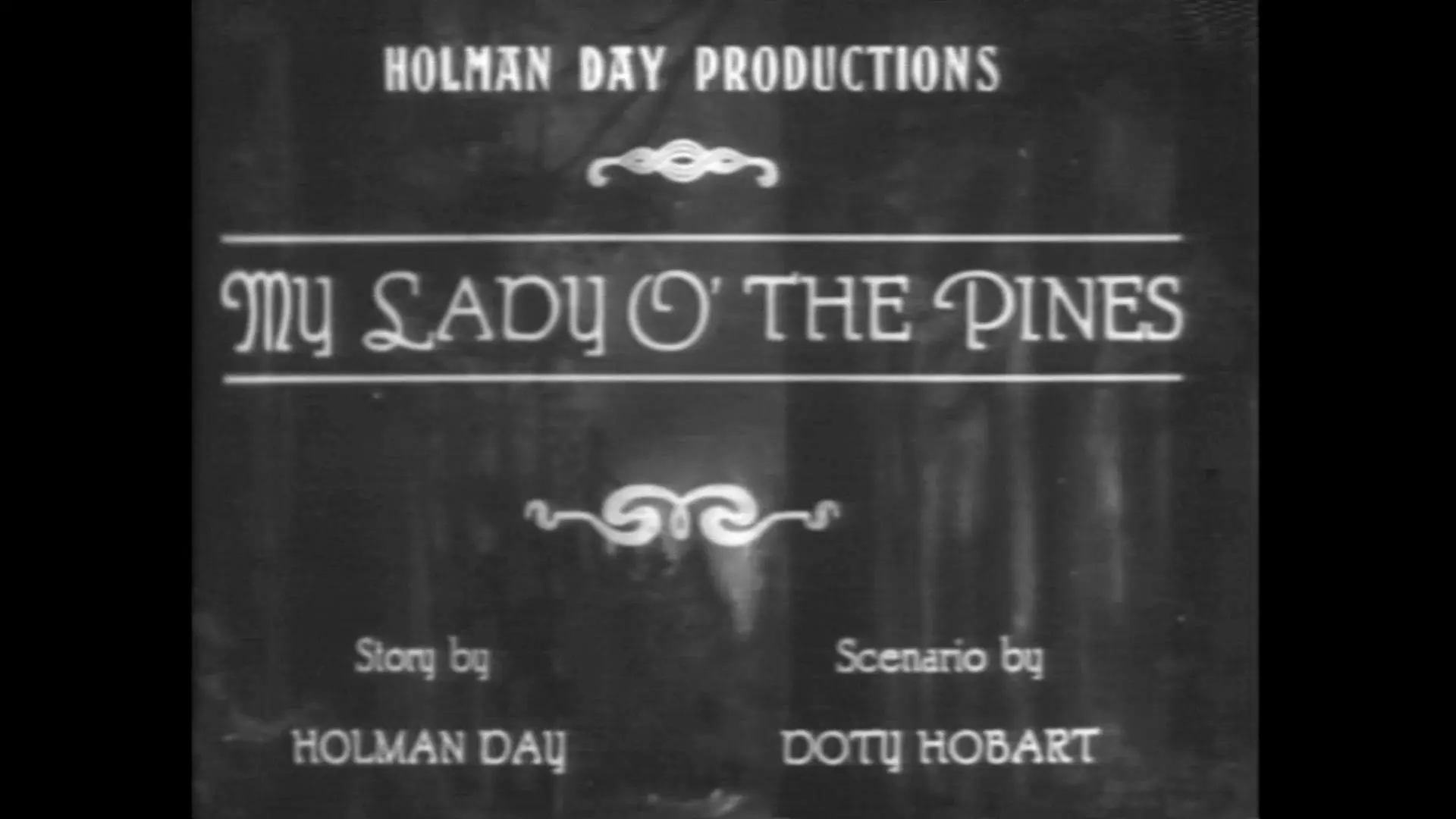
There are silents that merely flicker, and then there are silents that roar—My Lady o' the Pines belongs to the latter tribe, a 1922 lumber-war fever dream recently dredged from a Quebec basement where nitrate almost met oblivion.
Holman Francis Day, the Maine yarn-spinner turned scenarist, lards every intertitle with pine-scented regionalism; Doty Hobart trims the exposition like a camp cook slicing salt pork—lean, smoky, necessary. Together they craft a narrative that anticipates not only the eco-parable of A Common Level but also the proto-feminist land grabs later flirted with in What Women Want.
The film’s first movement is a tactile hymn to labor: camera tilts up 200-foot pines until their tips vanish into pearl fog, while on the soundtrack (a new chamber score by Kronos-lite quartet) col legno strings mimic the chhk-chhk of two-man saws. Cinematographer Jules Cronjager—yes, the same daredevil who shot The Bells—lashes his tripod to springboards, producing diagonals so steep the audience feels its stomach drop like a log down a chute.
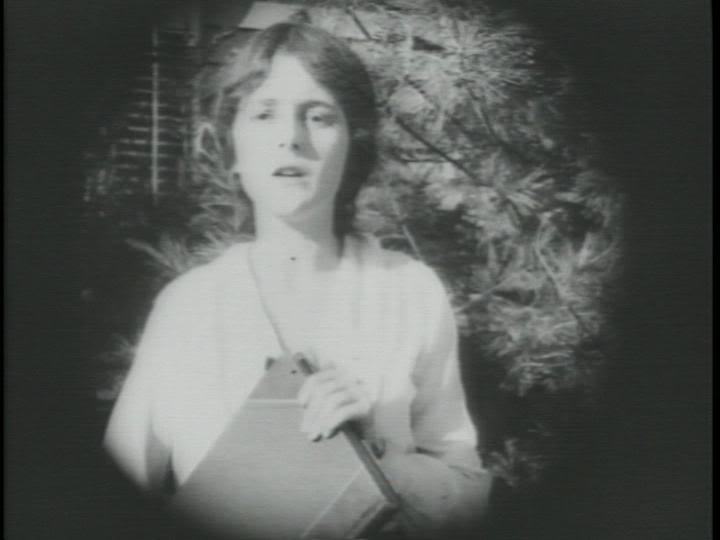
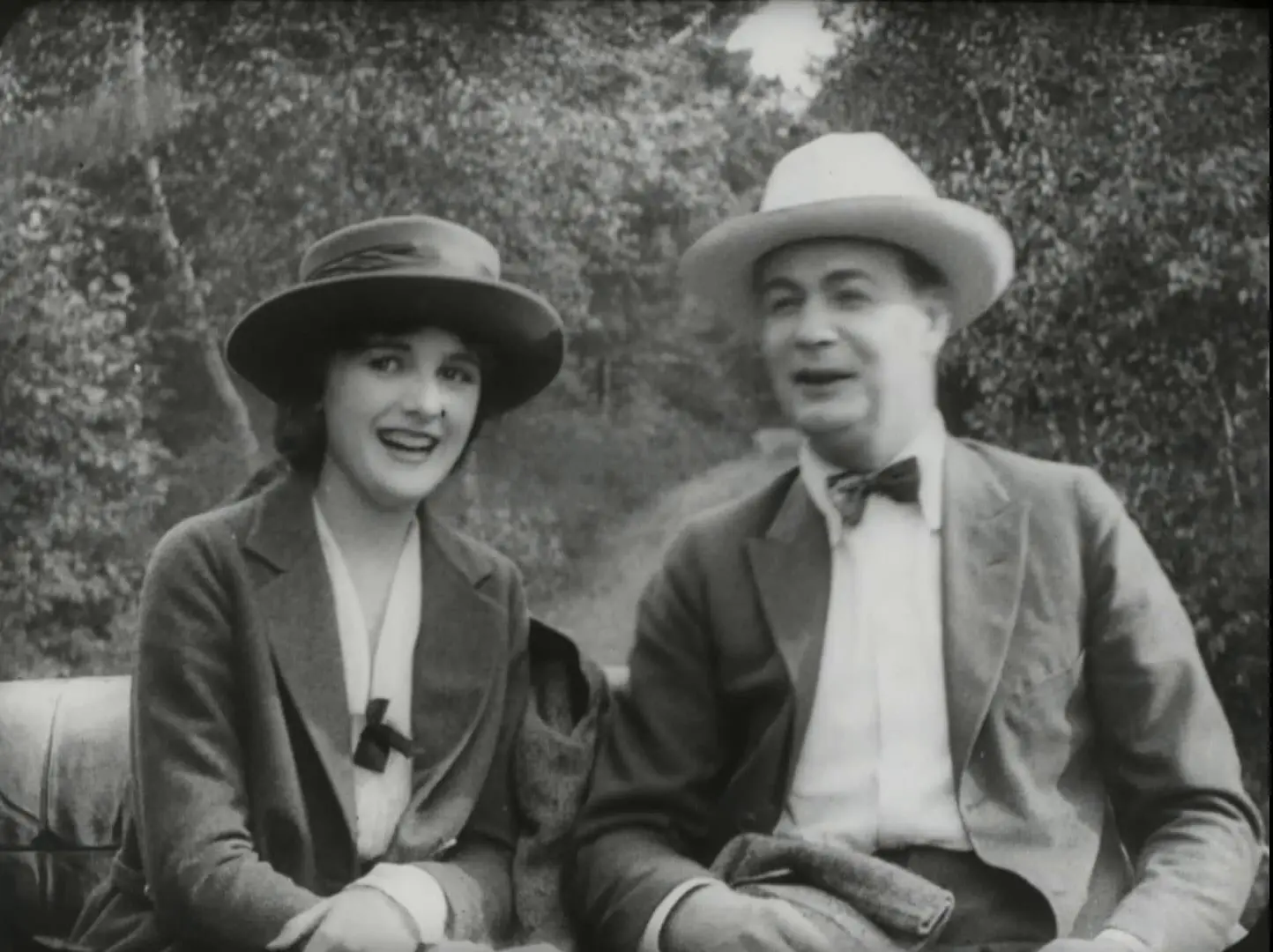
Mary Astor, barely eighteen yet already carrying the gravitas of a woman twice her age, strides into frame in a gabardine coat the color of river clay. She needs no masculine proxy; her surveyor’s transit gleams like a secondary iris. Watch her gloved thumb coax the vernier—an erotic of precision—and you realize the performance is a master-class in micro-gesture, a rebuke to the flapper hysterics that The Foolish Matrons would traffic in two years later.
Bradley Barker’s foreman, MacNair, is introduced via a match-cut from axe-head to his own jawline: same crescent gleam, same murderous potential. Barker, a Broadway refugee, plays the villain as wounded romantic; you half-expect him to recite Whitman while splitting a skull. His rivalry with Slattery’s O’Shea—an Irish-American boss who spouts nativist bile despite his own immigrant roots—doubles as class-critique. Their testosterone duel eclipses the marital skirmishes of Don't Change Your Husband because the stakes here are not merely conjugal but existential: who owns the very oxygen we breathe?
Mid-film, Day and Hobart insert a Brechtian tableau: the camera freeze-frames on a felled trunk, intertitle reading “Ring 1492—Columbus sailed; Ring 1919—Wilson lied.” It’s the sole overt politicking, yet it lands like an axe-chop to the fourth wall, aligning the film with the anti-imperial thrust of The German Curse in Russia rather than the court-martial pomp of Soldiers of the Emperor.
Fred Bond’s Whistle-Punk Davey, ostensibly comic relief, carries the moral spine. His secret notebook—filmed in chiaroscuro close-ups where candle wax drips like frozen time—contains verses that foreshadow the eco-poetics of Snyder a half-century hence. When Davey finally reads his lines aloud during the siege—“The forest keeps its own contracts in sap and silence”—the words hang like condensation in frigid air, and we realize the film’s true protagonist is not any human but the woodland itself.
Which brings us to the battle, a 22-minute set-piece that rivals later war montages. Cronjager intercuts wide shots of men swarming like carpenter ants with hand-cranked slow-motion of snowflakes striking ax-heads—each flake a miniature white flag that nobody heeds. The stunt work is hair-raising: log-rollers leap gaping blackwater chutes, pikes fashioned from peavey hooks clash, and a sleigh overturns in real time, crushing its driver’s leg—an injury the actor actually sustained, lending the sequence the vérité sting of Moriturus.
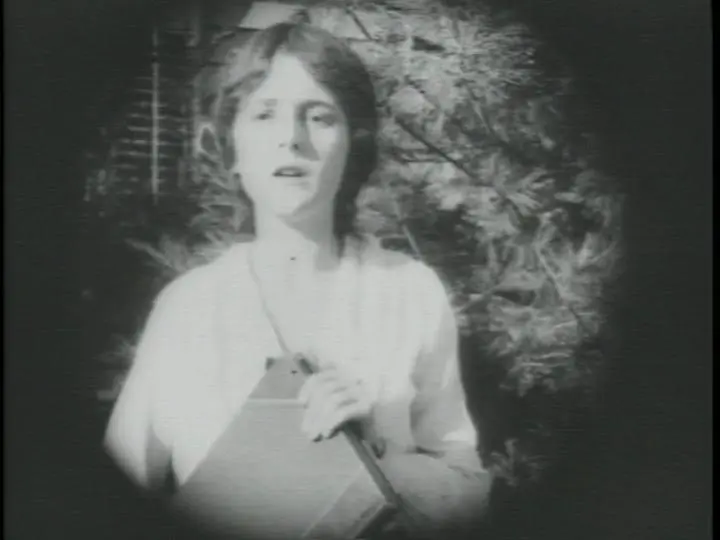
Yet Day refuses catharsis. After the smoke clears, the victors discover survey pins shifted by shifting ice: the disputed acreage was never where either side thought. Ownership dissolves into a joke older than deed laws. The Lady, coat now tattered to fringe, kneels to press her palm into sawdust-stained snow; the close-up holds until the heat of her skin melts an imprint—an ephemeral deed more honest than parchment.
Huntley Gordon’s marshal delivers the coda in a single long take: he hitches his horse to a stump, reads the injunction he cannot enforce, then burns the paper for warmth—a microcosm of bureaucratic impotence that feels eerily predictive of Room and Board’s housing crises.
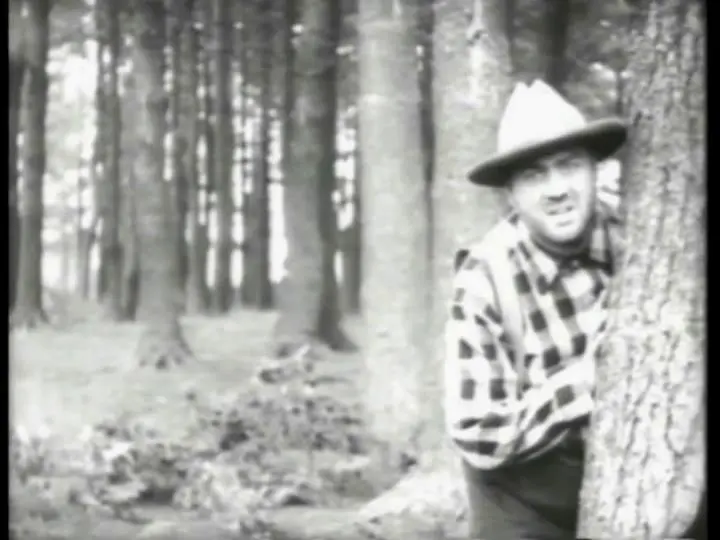
Restoration-wise, the 4K scan salvages cyan tones usually lost to silver-dye decay; you can taste the metallic chill of a February dawn. The tinting strategy alternates between sea-ice blue for daylight skirmishes and amber umber for campfire scheming, echoing the moral temperature rather than literal time-of-day. The new score—viola, prepared piano, and spruce-wood percussion—avoids rustic cliché; instead it creaks, pops, and susurrates like a forest negotiating frost.
Comparisons? If In a Pinch flattened class into slapstick, and Mágnás Miska romanticized peasant cunning, My Lady o' the Pines fuses both impulses into something rawer, more contemporary. It anticipates the eco-terror unease of Kelly Reichardt but delivers it with Griffith-scale spectacle minus the moral absolutism.
Faults? A middle-reel comic vignette involving a runaway sow feels grafted from a Hal Roach two-reeler, breaking tonal cohesion. And Astor’s final freeze-smile tilts toward melodrama, though her eyes—two glacial lakes—counterbalance the grin with ambiguity.
Still, these are quibbles. The film endures as a ligneous Iliad, a saga where the gods are absent and the fates wear cork boots. It asks, decades before Earth Day, whether land can ever be possessed, or if we are merely its momentary lichens. That the question arrives wrapped in such visceral pulp—sap spraying like plasma, branches cracking like ribs—makes the experience not just philosophical but primal.
Bottom line: Seek this resurrection print wherever repertory houses dare project 35mm. Let the projector’s mechanical heartbeat sync with the stomp of caulk boots; let the photochemical snow blur with the real flurries outside the fire-exit. You will exit smelling pine sap that isn’t there, and you will know cinema’s oldest magic—light through celluloid—has once again sprouted roots.
IMDb —
1929
Community
Log in to comment.