Summary
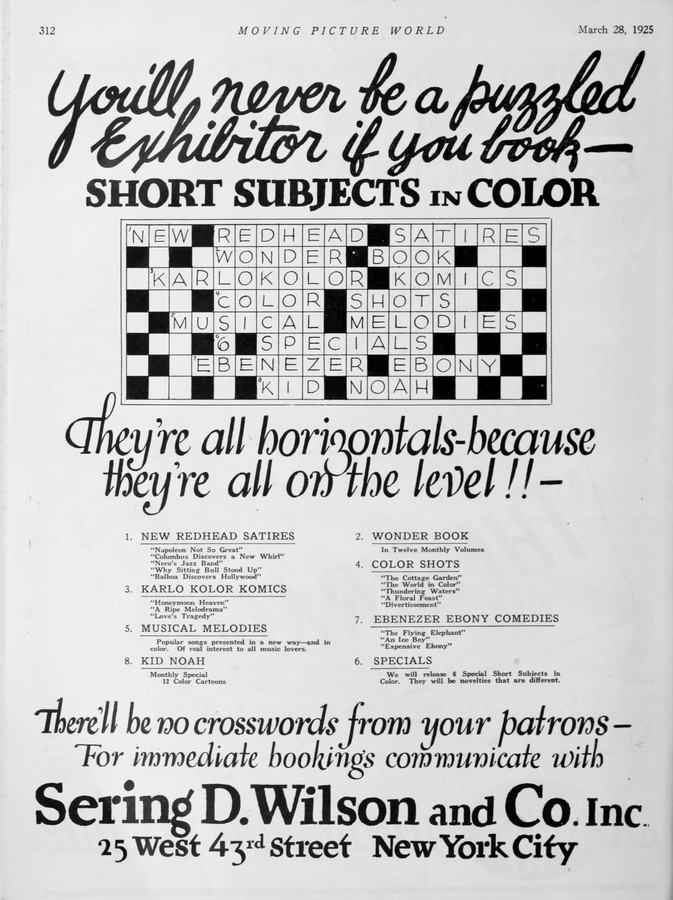
Eleanor Vance's audacious cinematic deconstruction, 'Napoleon Not So Great,' meticulously excises the romanticized façade of the Corsican emperor, delving instead into the psychological erosion of a man whose monumental ambition ultimately rendered him a prisoner of his own myth. The film eschews conventional biographical linearity, opting for a mosaic of fragmented memories, fevered hallucinations, and stark, unvarnished moments of strategic blunders and personal cruelty. We witness a Bonaparte not as a military genius perpetually on the cusp of glory, but as a figure increasingly isolated, his tactical brilliance curdling into a desperate, almost pathetic obstinacy. The narrative is framed by his desolate exile on Saint Helena, where the vast, echoing silence of his confinement forces a relentless internal reckoning. Through a series of visceral flashbacks, Vance unearths the seeds of his downfall: the chilling pragmatism that sacrificed countless lives, the emotional vacuity that alienated his closest allies, and the profound insecurity that fueled his insatiable need for conquest. Josephine emerges not merely as a tragic romantic interest, but as a spectral conscience, her presence haunting his tormented psyche, embodying the domestic peace and human connection he so ruthlessly discarded. The film culminates not in a grand, climactic battle, but in the quiet, suffocating dissolution of a colossal ego, exposing the hollow core beneath the gilded legend, leaving us to ponder the true cost of 'greatness' when measured against the wreckage of human lives and a soul consumed by its own reflection.
Review Excerpt
"
The Audacious Deconstruction of a Myth: 'Napoleon Not So Great'
In a cinematic landscape often saturated with hagiographic historical dramas or action-packed, albeit shallow, portrayals of monumental figures, Eleanor Vance's 'Napoleon Not So Great' arrives as a bracing, necessary cinematic intervention. It is a film that refuses to merely recount history; instead, it dissects it with the precision of a surgeon and the unflinching gaze of a philosopher. Vance, with screenwriter ..."