Summary
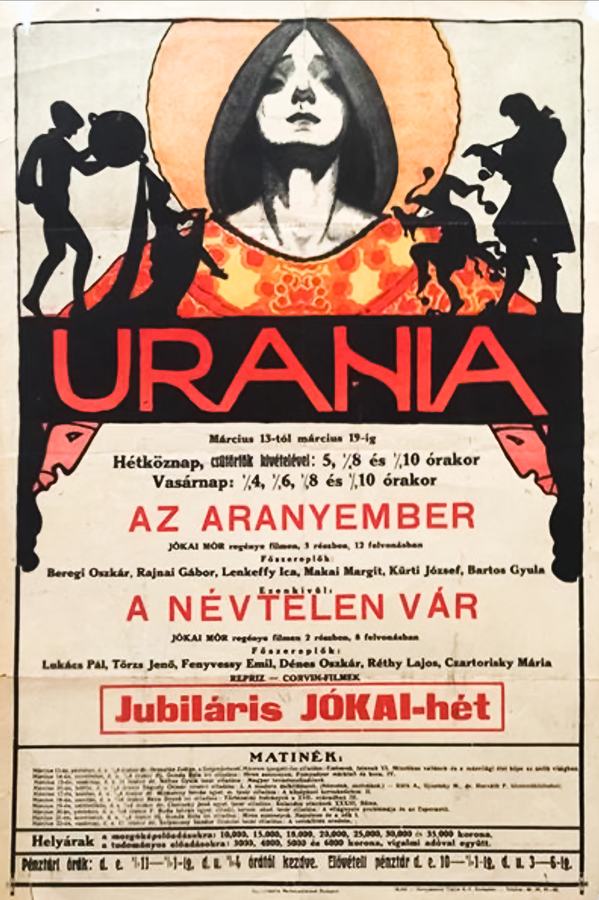
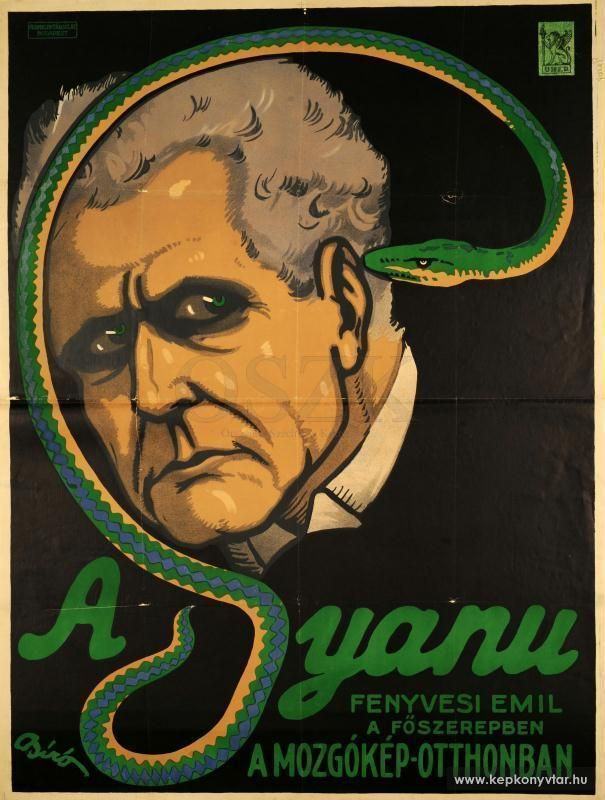
A nameless fortress erupts from the Carpathian mist like a molar torn from the jaw of history; within, aristocrats gamble away bloodlines while serfs barter their shadows for bread. Counts and shepherds, princesses and con men orbit the same candle-lit corridors, each clutching a secret deed that could topple the Habsburg silhouette looming beyond the walls. Ferenc Szécsi’s mercurial lieutenant arrives first, coat heavy with revolution, pockets stuffed with IOUs signed by ghosts. Lajos Réthey’s grizzled castellan patrols parapets where ravens scribble conspiracies across a bruised sky, clutching a rusted key that no lock has ever tolerated. Kati Molnár’s orphaned heiress glides through vaulted ballrooms in a gown stitched from ancestral guilt, her locket ticking like a pocket-sized apocalypse. Zoltán Horváth’s smuggler-poet recites verses to wolves, trading gunpowder for couplets until both ignite. Jenö Törzs’s notary inks tomorrow’s treason onto parchment still warm from yesterday’s confession. Paul Lukas’s fugitive doctor carries plague in one valise and absolution in the other, never sure which is heavier. Paula Kende’s Romani seer thumbs tarot cards soaked in Tokaji, foretelling that every stone of the bastion will betray its mason. Oszkár Dénes’s bishop blesses cannonballs; Sári Almási’s chambermaid steals the sound of their blast to cradle her nightmares. Emil Fenyvessy’s bankrupt banker weighs hearts on apothecary scales; Mária Lázár’s widowed duchess haggles for them. Márton Rátkai’s jester juggles severed signatures; Gyula Székely’s blacksmith forges them into shackles disguised as jewelry. When the imperial army finally rattles the drawbridge, the castle’s mirror-lined dining hall fractures into a kaleidoscope of selves, each reflection demanding a different ransom. The siege becomes a waltz; betrayal becomes lullaby; the fortress, once mute, now confesses through cannon echo that identity itself is the final currency. By the time dawn bleaches the flagstones, only the nameless remain—and the nameless, by definition, can never be conquered.
Review Excerpt
"
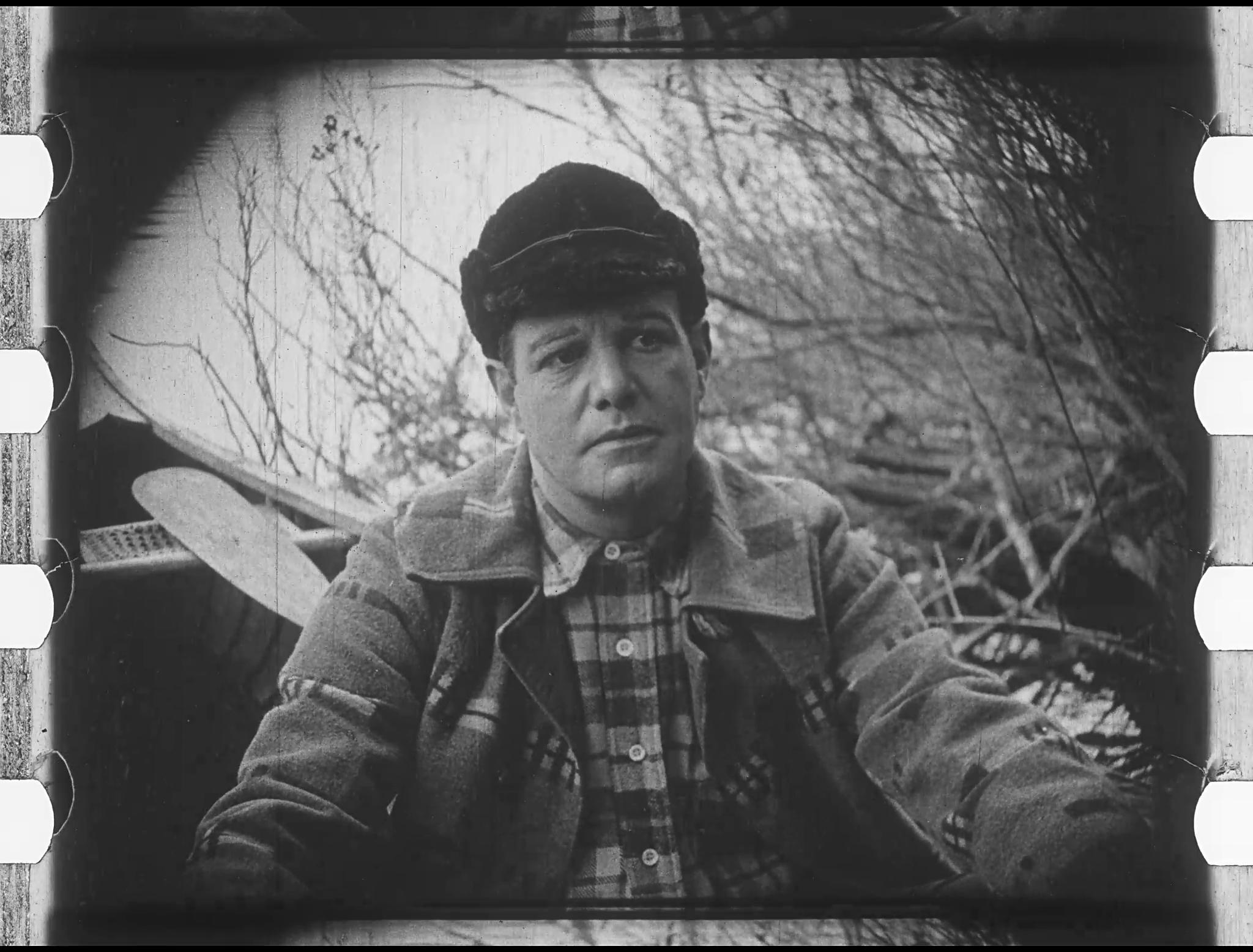
Black-and-white nitrate remembers more than we ever will; it hoards candle soot, velvet nap, gun-oil gleam, the hush before empire cracks. Névtelen vár—shot in the winter of 1919 while Budapest still tasted white-terror cordite—feels like stumbling on a reliquary someone buried alive. Each frame quivers with the conviction that cinema is a crime scene and we are accessories after the fact.
Director Mór Jókai’s source novel was already a baroque maze of masked balls and forged genealogies, but ..."