DbcultAccessing Vault...
Cult Review
Senior Film Conservator
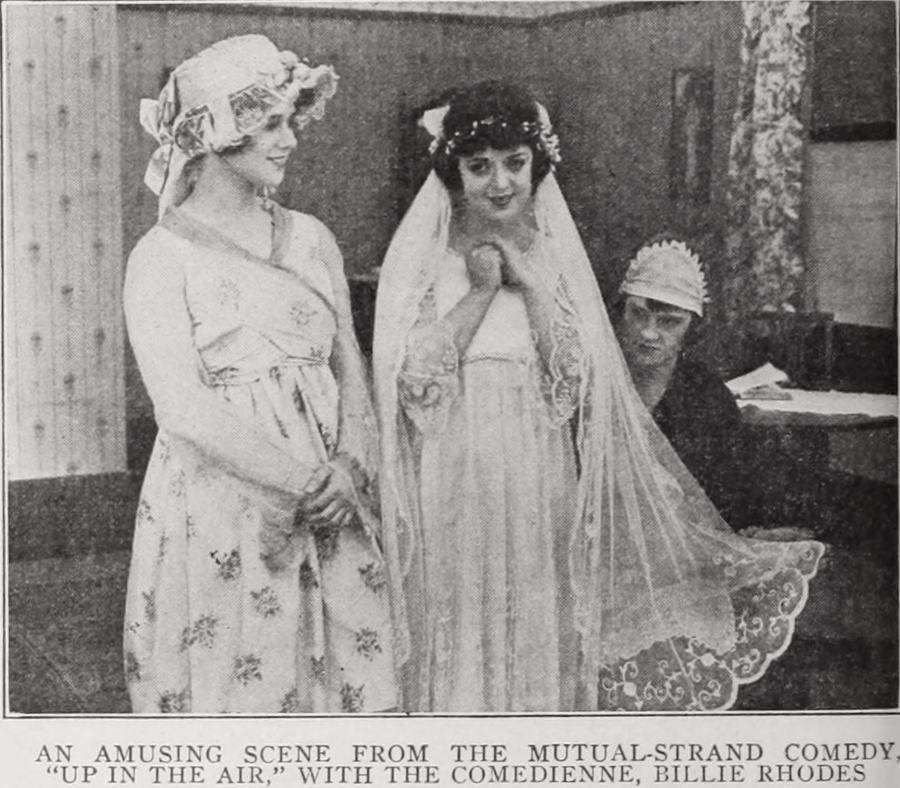
Stepping back into the nascent days of cinematic storytelling, 'Up in the Air,' a 1917 production, emerges not merely as a relic of a bygone era but as a vibrant testament to the enduring power of human ingenuity, particularly when fueled by the formidable forces of love and social defiance. This silent film, starring the effervescent Billie Rhodes, plunges us headfirst into a narrative that, while ostensibly lighthearted, subtly critiques the societal strictures of its time, particularly the transactional nature of marriage and the limited agency afforded to young women. It’s a delightful romp, yes, but one underpinned by a sharp, observational wit that allows its characters to navigate a labyrinth of paternalistic expectations with remarkable cunning and charm.
The central conflict is immediately identifiable, a classic trope yet handled with a refreshing verve: Mary, our protagonist, finds her heart irrevocably tethered to Jack, a daring young aviator. His profession itself speaks volumes about his character – modern, adventurous, unbound by traditional constraints. This stands in stark contrast to the wishes of her father, a figure of patriarchal authority, who, with predictable pragmatism, champions the cause of an elderly suitor. This gentleman, while perhaps lacking the youthful vigor and romantic allure of Jack, possesses an undeniable wealth, making him, in the father's eyes, the unequivocally 'sensible' choice. Here, the film sets its stage, not just for a romantic triangle, but for a clash of values: the emerging spirit of individual desire against the entrenched conventions of familial and financial security. It's a theme explored with varying degrees of gravity in films of the era, from the dramatic societal pressures seen in The Price of Pride to the more intricate personal struggles evident in Panthea, but 'Up in the Air' chooses the path of effervescent comedy to deliver its message.
What truly elevates 'Up in the Air' beyond a simple romantic comedy is the audacious plot conceived by Mary and her astute girl chum. This isn't a story of passive longing; it's a testament to female solidarity and strategic thinking. The plan is brilliant in its simplicity and daring in its execution: the chum is tasked with becoming a 'vamp,' a femme fatale of sorts, designed to ensnare the affections of the elderly suitor. This role, often associated with a darker, more predatory aspect of female power in cinema, is here deployed for purely altruistic, albeit mischievous, ends. The chum's performance, surely a highlight of the film, must have been a masterclass in silent comedic seduction, a delicate balance of allure and calculated artifice. One can imagine the exaggerated winks, the fluttering eyelashes, the coy glances, all designed to chip away at the suitor's resolve and redirect his gaze. The success of this gambit is swift and decisive; the elderly man, a figure of predictable susceptibility, is utterly captivated. His affections, once firmly fixed on Mary, pivot entirely, and with a swiftness that is both comical and telling, he proposes marriage to the chum.
The father's reaction to this turn of events is a moment of delicious irony. Faced with the undeniable reality of his preferred suitor's redirected affections, his hand is forced. The pragmatic calculations that once dictated his choice now compel him to concede. With a palpable reluctance, he grants his blessing to Mary's union with Jack, the aviator. This scene, devoid of dialogue, would have relied heavily on the actor's facial expressions and body language to convey the shift from stubborn disapproval to grudging acceptance, a silent battle of wills won by youthful cunning. The stage is then set for a double wedding, a seemingly idyllic resolution to the romantic entanglements. It’s a moment designed to evoke a sigh of relief, a sense that all threads are neatly tied. But 'Up in the Air' is not content with such a straightforward denouement. The writers, in their wisdom, understand that true comedic brilliance often lies in the unexpected, the sudden rupture of established order.
The climax arrives with impeccable comedic timing. Mary's wedding to Jack proceeds without a hitch, a sweet, conventional ceremony. However, the second ceremony, that of the chum and the elderly suitor, is destined for a more tumultuous fate. Just as the vows are about to be exchanged, the proceedings are dramatically interrupted by the arrival of an indignant man, accompanied by two bewildered children. His demand is simple, yet devastating: he wants to know why his 'wife'—Mary's chum—isn't home preparing his supper. This revelation, delivered with the force of a comedic cannonball, shatters the meticulously constructed illusion. The elderly prospective bridegroom, his dignity in tatters, is left utterly disgusted, his romantic aspirations crumbling around him. The chum, far from being flustered, maintains an astonishing composure, a testament to her theatrical prowess throughout the entire charade. She simply departs with the alleged husband, who is, of course, revealed to be an accomplice in this elaborate, well-orchestrated plot, presumably for a celebratory lunch.
Meanwhile, Mary and Jack, having successfully navigated the treacherous waters of familial disapproval and social expectation through clever deception, are free to embark on their honeymoon. Their triumph is not just a personal victory but a symbolic one, representing the triumph of genuine affection over material considerations, and the power of individual agency in a world often dictated by rigid norms. The film's conclusion, while farcical, offers a surprisingly modern take on female empowerment, showcasing women who actively shape their destinies rather than passively accepting them. It’s a narrative thread that, even in its comedic guise, resonates with the burgeoning feminist sentiments of the early 20th century, where women, through various means, were beginning to assert their wills in personal and public spheres.
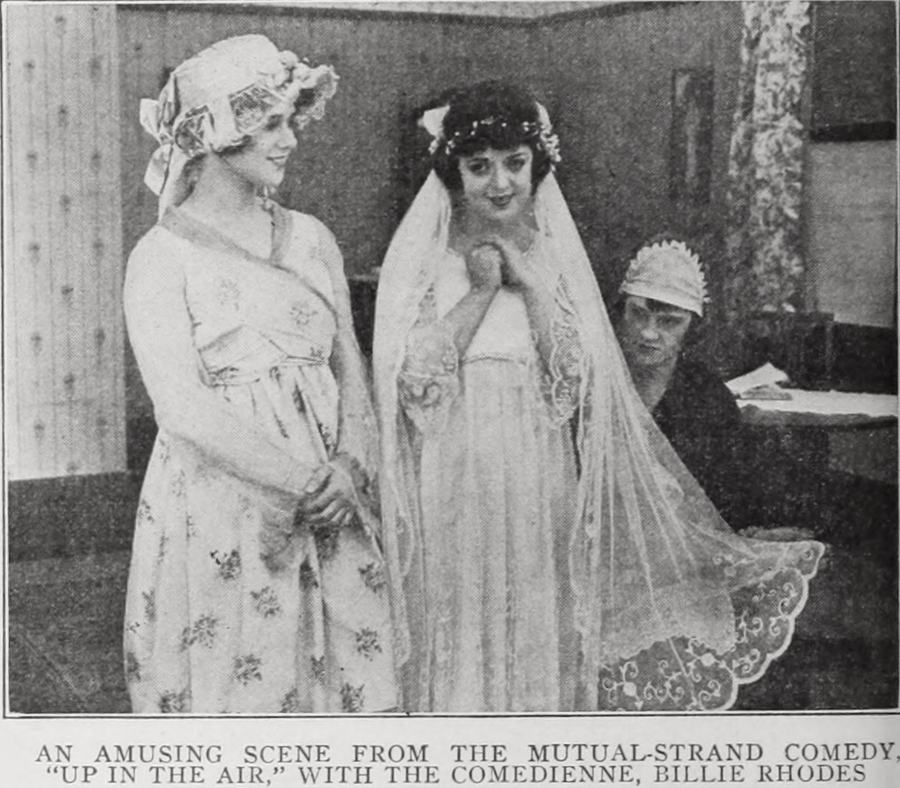
Billie Rhodes, as Mary, likely brought a captivating blend of earnestness and subtle defiance to her role. In silent cinema, the actor's ability to convey complex emotions and intentions through gesture, expression, and physicality was paramount. Rhodes, a prolific actress of the era, would have had to imbue Mary with enough charm and conviction to make her audacious plan believable and her romantic plight sympathetic. Her performance would have been crucial in anchoring the film's emotional core amidst the comedic machinations. The success of the film's humor also heavily relies on the portrayal of the chum – a role that demands exceptional comedic timing and a knack for physical comedy. The transition from demure friend to seductive 'vamp' and then to unflappable co-conspirator would have been a delightful challenge for any silent film actress, requiring a nuanced understanding of character and comedic rhythm. The dynamic between Rhodes and her uncredited co-star in the role of the chum would have been central to the film's infectious energy, a testament to the power of female friendship and collaboration, even in the realm of romantic subterfuge.
'Up in the Air,' like many films of its time, would have relied heavily on visual storytelling, intertitles providing the necessary dialogue and exposition. The comedic beats would have been meticulously choreographed, from the father's exaggerated expressions of disapproval to the chum's theatrical seduction and the elderly suitor's gullibility. The pacing, a critical element in silent comedies, would have built steadily towards the chaotic climax, ensuring that each plot twist landed with maximum impact. The visual language of the film—the grandiosity of the father's home contrasting with the intimacy of Mary and Jack's stolen moments, the theatricality of the wedding scene—would have been carefully constructed to enhance the narrative. The presence of Jack, the aviator, also suggests a visual flair, perhaps incorporating shots of planes or at least hinting at the excitement of early aviation, a symbol of modernity and adventure that would have resonated strongly with audiences of the period. This element of modern technology, even if only implied, sets it apart from more traditional romantic dramas like The Light of Western Stars, grounding its romance in a contemporary, forward-looking context.
Beyond the immediate humor, 'Up in the Air' offers fertile ground for thematic exploration. The film is a clear commentary on female agency in a patriarchal society. Mary and her chum are not passive victims of circumstance; they are active architects of their own destinies, using their wits to circumvent societal barriers. Their deception, while morally ambiguous in a strict sense, is presented as a justifiable means to an end, a rebellion against an unjust system that prioritizes wealth over genuine affection. This resonates with a broader trend in early cinema where female characters, even within conventional romantic plots, began to exhibit more independence and cleverness. It's a precursor to the more overt challenges to social norms seen in later films, yet in its comedic setting, it manages to deliver its message with a disarming lightness. The film also subtly explores the folly of prioritizing wealth above all else. The elderly suitor, blinded by the allure of a younger bride (and perhaps a certain vanity), falls prey to a transparent ruse, highlighting the superficiality of his own desires. His ultimate humiliation serves as a moral lesson, albeit one delivered with a hearty laugh, that true happiness cannot be bought or manipulated through purely material means. The very 'air' in the title might even be a playful nod to the lightness, the fleeting nature of such superficial attachments, contrasted with the grounded reality of true love.
The intricate plotting, involving an accomplice and a staged interruption, showcases a sophistication in comedic writing that belies the film's age. This isn't just slapstick; it's situational comedy driven by character and clever machinations. It demonstrates an understanding of how to build suspense and then release it with a burst of laughter. One could draw parallels to the carefully constructed farces of the stage, where mistaken identities and well-timed entrances are key to the comedic effect. The film's ability to orchestrate such a complex series of events, culminating in a satisfyingly chaotic resolution, speaks to the talent of its uncredited writers. It’s a narrative craft that, while visually simpler than today's blockbusters, demanded an equally keen eye for human behavior and dramatic timing. This kind of intricate, character-driven deception differentiates it from simpler, more physical comedies like Gift o' Gab, emphasizing plot over pure spectacle.
'Up in the Air' also serves as a fascinating cultural artifact, offering a window into the social mores and aspirations of the early 20th century. The figure of the aviator, Jack, represents a burgeoning fascination with technology and adventure, a symbol of progress and the breaking of old boundaries. The strictures around marriage, the father's financial motivations, and the elaborate lengths to which Mary and her friend must go, all paint a vivid picture of a society in transition. It’s a world where tradition still holds sway, but new ideas and individual desires are beginning to challenge its foundations. The film, in its own charming way, reflects this societal shift, championing the youthful, adventurous spirit over staid convention. It’s a narrative that, while specific to its time, taps into universal desires for love, freedom, and the right to choose one's own path.
The enduring appeal of 'Up in the Air' lies in its timeless themes, presented through the unique lens of silent cinema. It reminds us that even without spoken dialogue, stories of love, deception, and triumph can resonate deeply. The film's ability to elicit genuine laughter while subtly commenting on social norms is a testament to its intelligent craftsmanship. It's a joyous celebration of wit and resourcefulness, proving that sometimes, a little bit of clever mischief is all it takes to achieve a happy ending. For those interested in the evolution of romantic comedy, or simply seeking a delightful escape into the past, 'Up in the Air' is a charming discovery, a cinematic gem that continues to fly high decades after its initial release. It’s a film that, despite its age, feels remarkably fresh in its spirit of rebellion and its embrace of genuine affection. The ingenuity displayed by Mary and her chum feels as contemporary as any modern romantic comedy where protagonists scheme to overcome obstacles, proving that the human heart, and its desire for connection, remains eternally 'up in the air' with possibilities.
The charm of films like 'Up in the Air' also lies in their historical context. They are snapshots of a world undergoing rapid change, both technologically and socially. The very idea of an 'aviator' as a romantic lead was a novelty, reflecting the public's fascination with flight and the new frontiers it represented. This modern element, juxtaposed against the archaic traditions of arranged marriages, creates a compelling tension that the film expertly exploits for comedic effect. It's a narrative that implicitly champions the new over the old, the adventurous over the static. In an era where much of cinema was still finding its footing, 'Up in the Air' demonstrates a sophisticated understanding of how to use the medium for both entertainment and subtle social commentary. It's a testament to the fact that even in its infancy, cinema was capable of telling complex, engaging stories that continue to captivate and amuse audiences today. The film doesn't just present a story; it presents a piece of cultural history, wrapped in a delightful comedic package, making it a valuable watch for anyone interested in the silent film era and its enduring legacy of charm and wit.
IMDb —
1920
Community
Log in to comment.