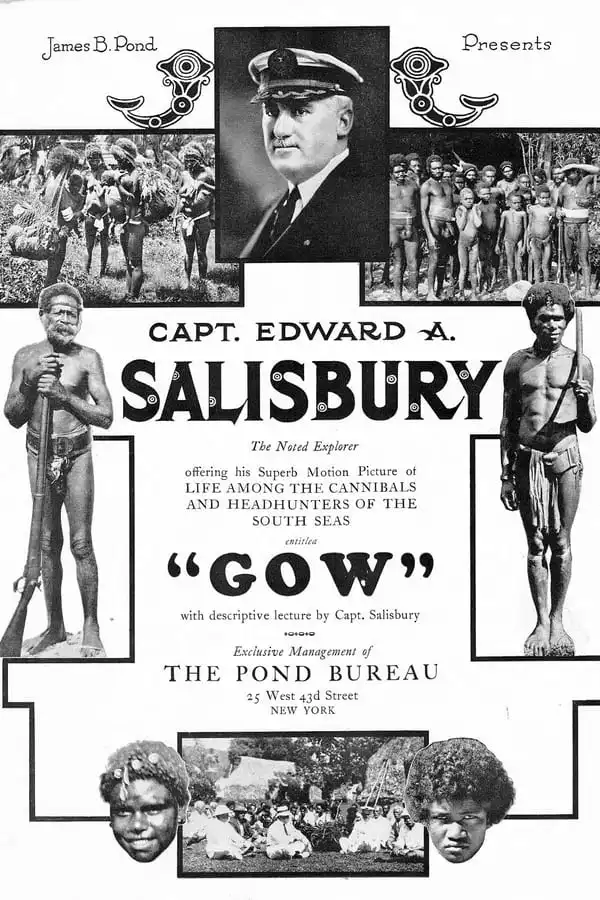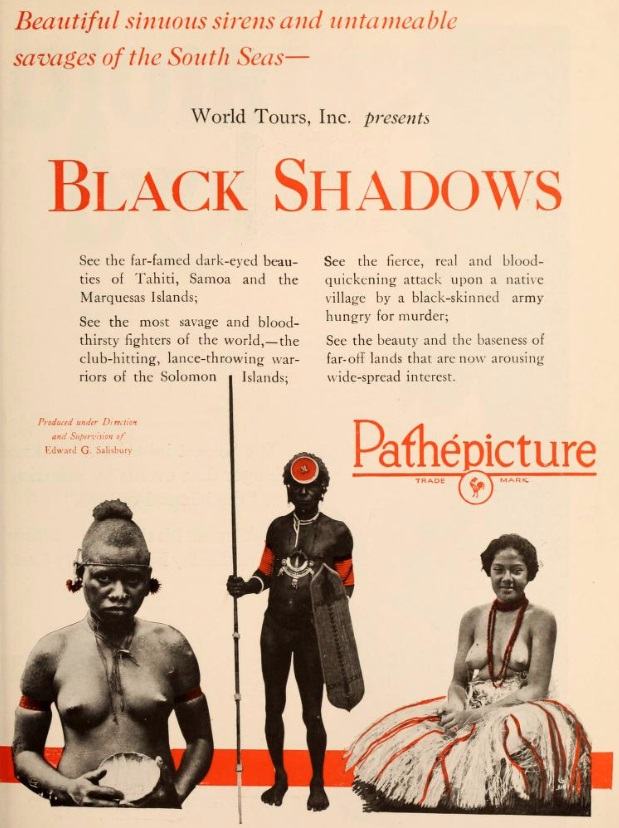
Edward G. Salisbury leads an expedition to the South Sea Islands, including the Marquesas and Samoa.
United States
The Celluloid Ghost of the Pacific: A Re-evaluation of Black Shadows To watch Black Shadows in the twenty-first century is to engage in a profound act of temporal and cultural excavation. Released in 1923, this silent travelogue, helmed by the intrepid Edward A. Salisbury, stands as a monumental artifact of the ethn...
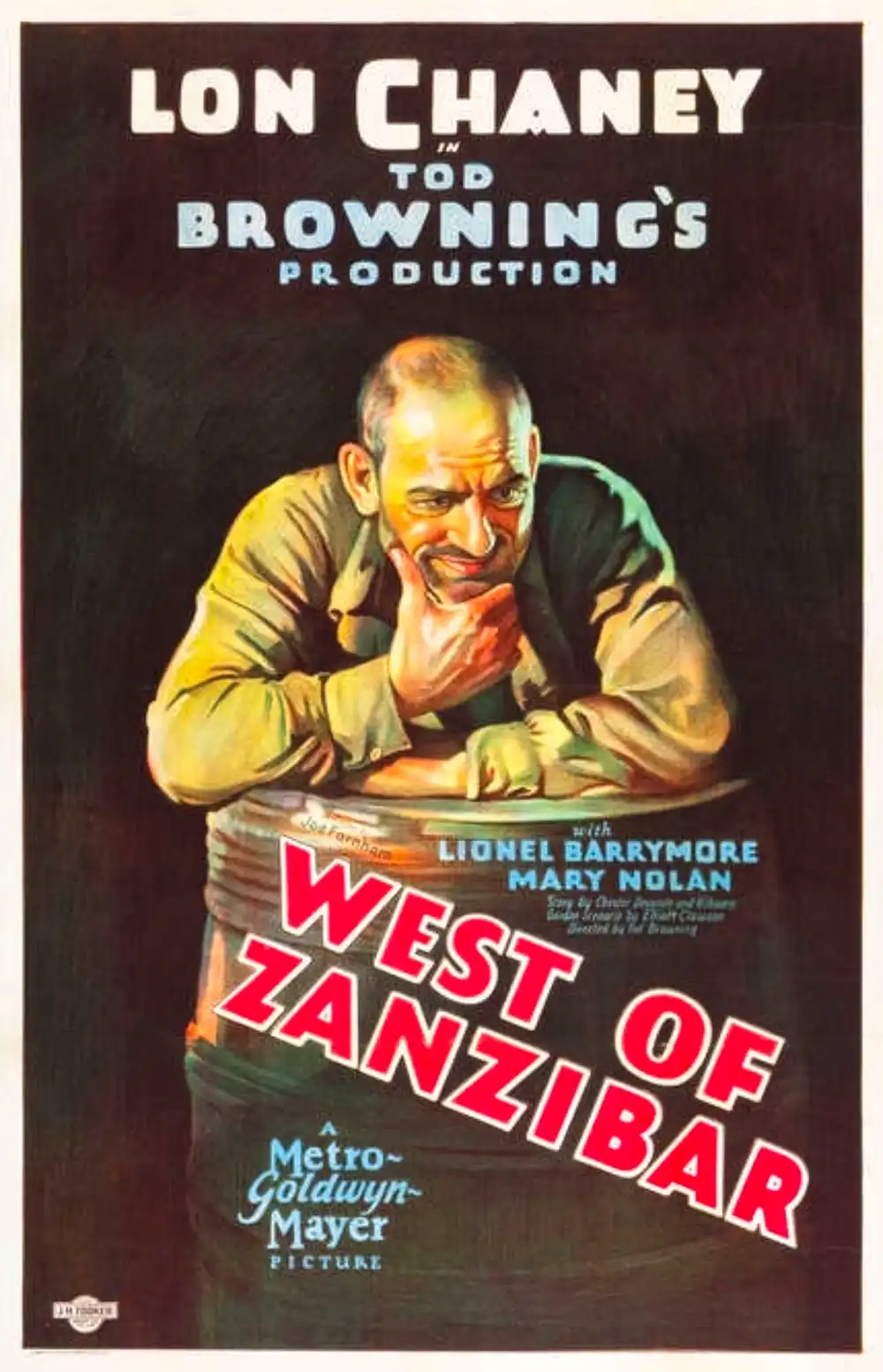
Comparing the cinematic DNA and archive impact of two defining moments in cult history.
Edward A. Salisbury

Unknown Director
Community
Log in to comment.
" The Celluloid Ghost of the Pacific: A Re-evaluation of Black Shadows To watch Black Shadows in the twenty-first century is to engage in a profound act of temporal and cultural excavation. Released in 1923, this silent travelogue, helmed by the intrepid Edward A. Salisbury, stands as a monumental artifact of the ethnographic gaze. While modern audiences might initially recoil at the colonial undertones inherent in its title, the film itself offers a complexity that transcends mere exploitation..."