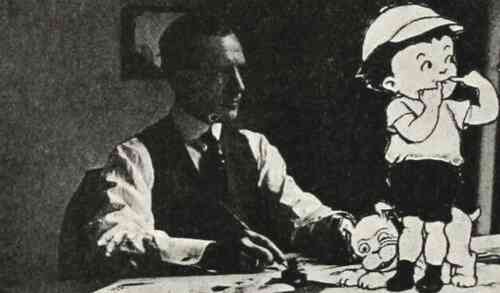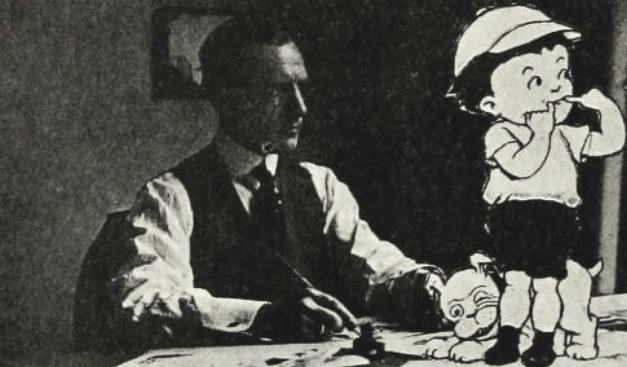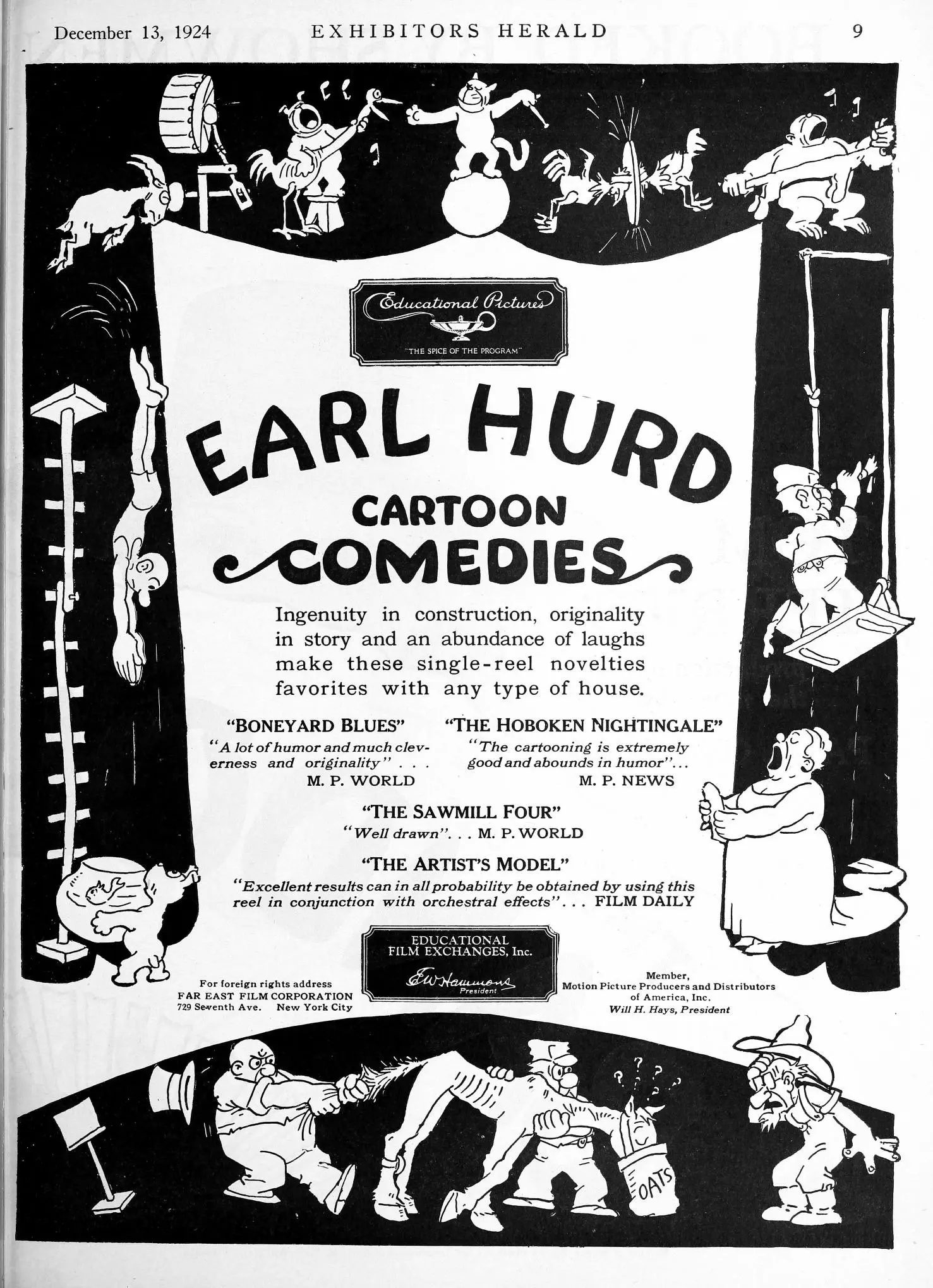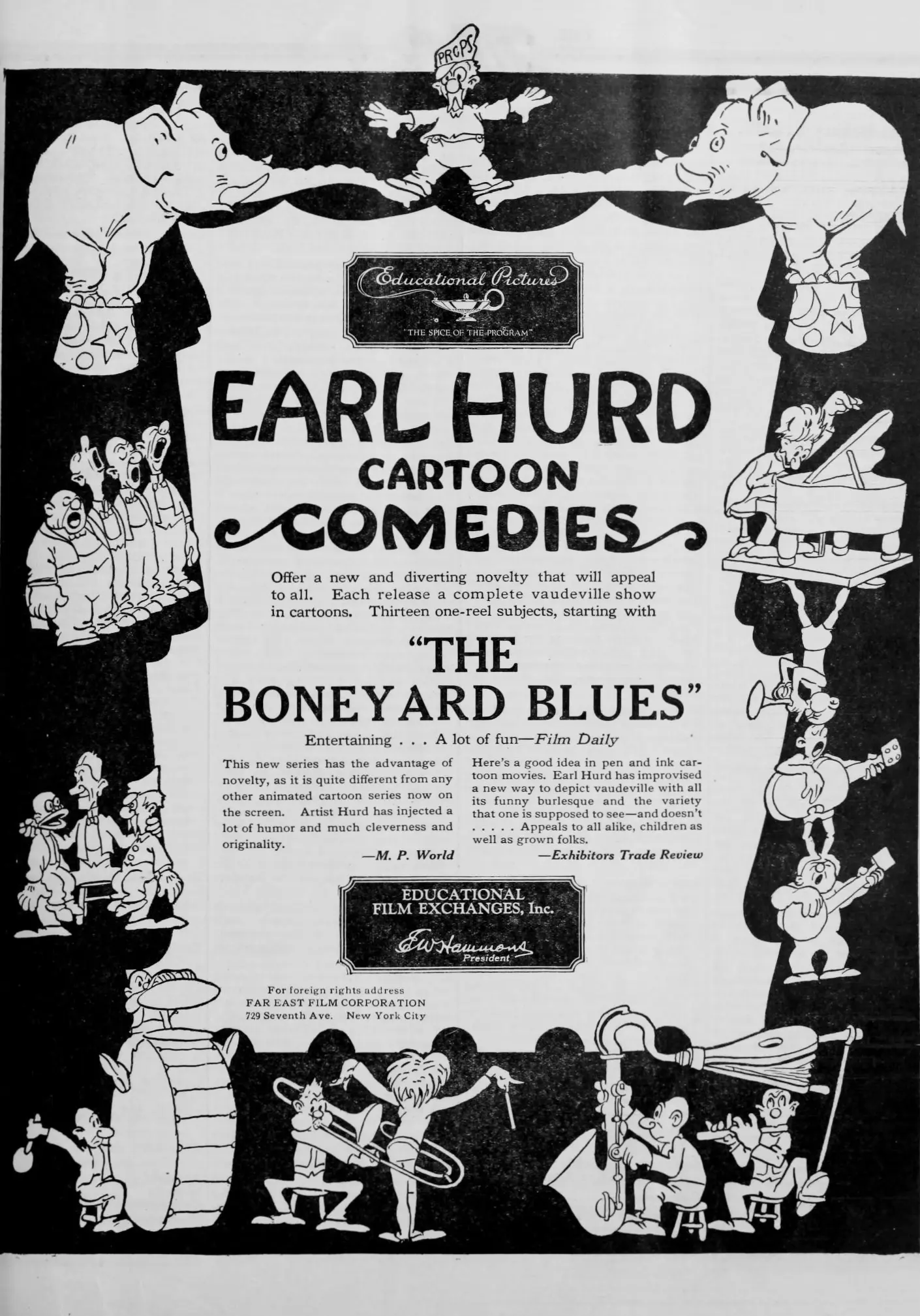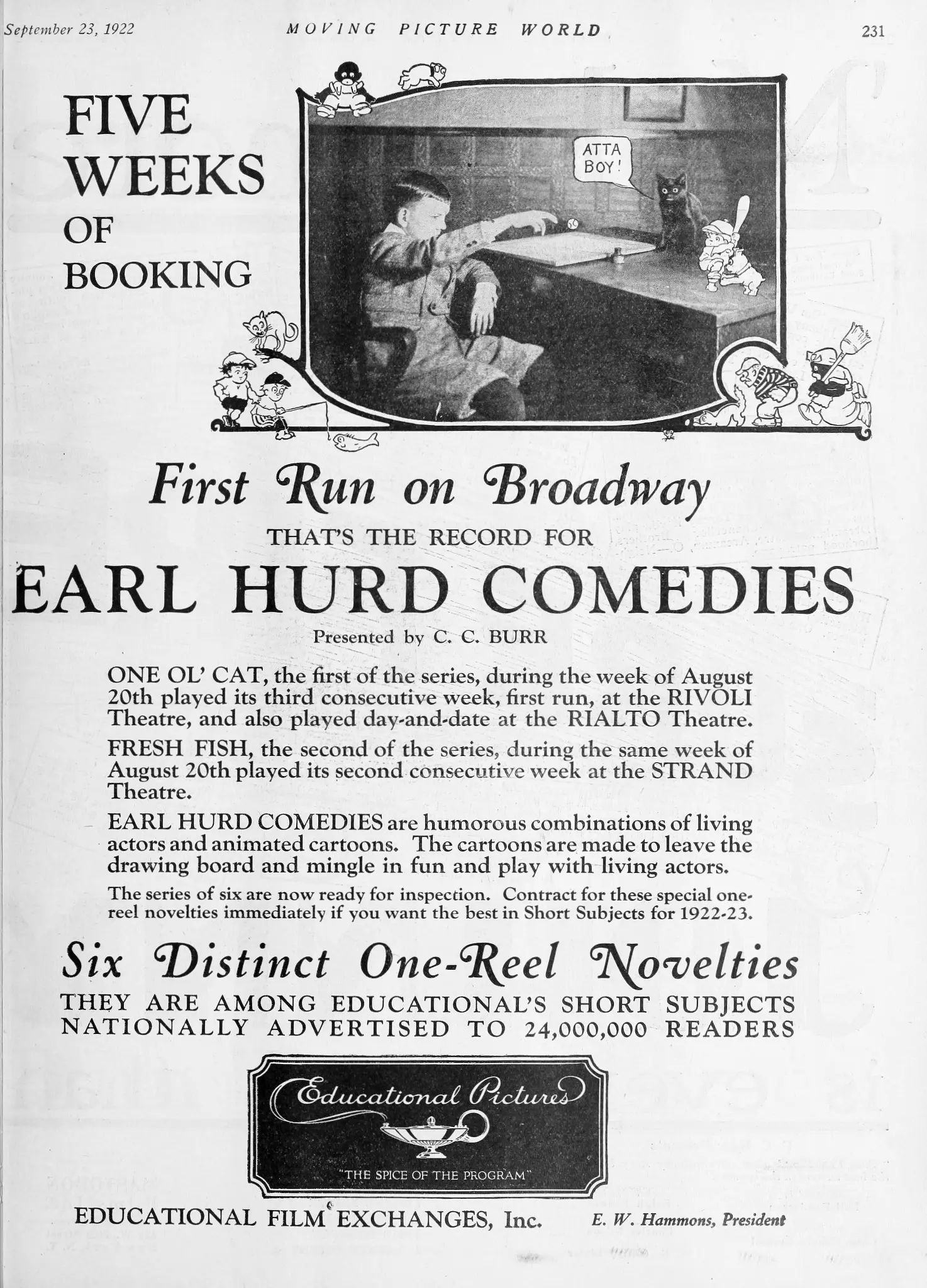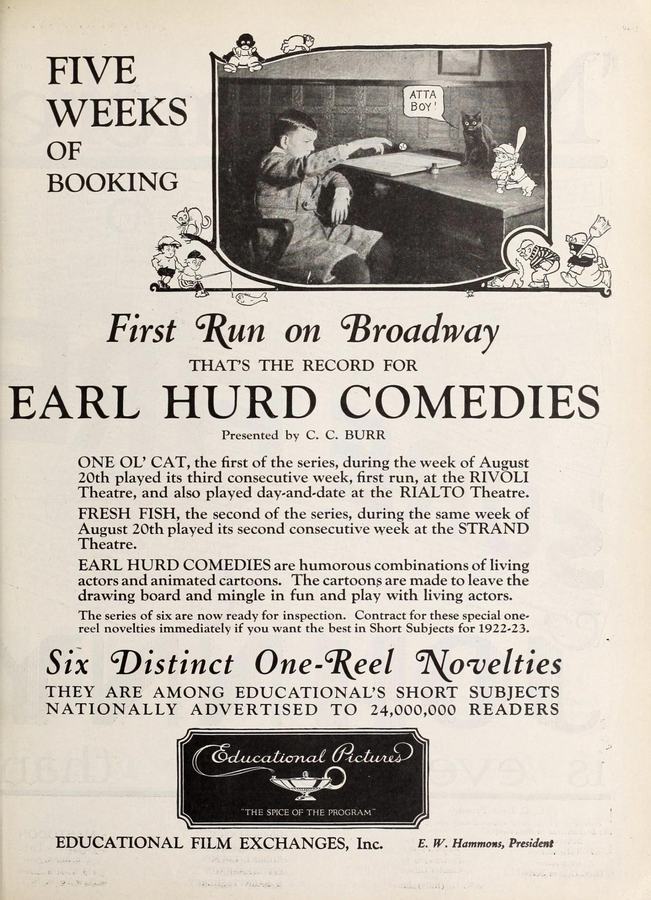
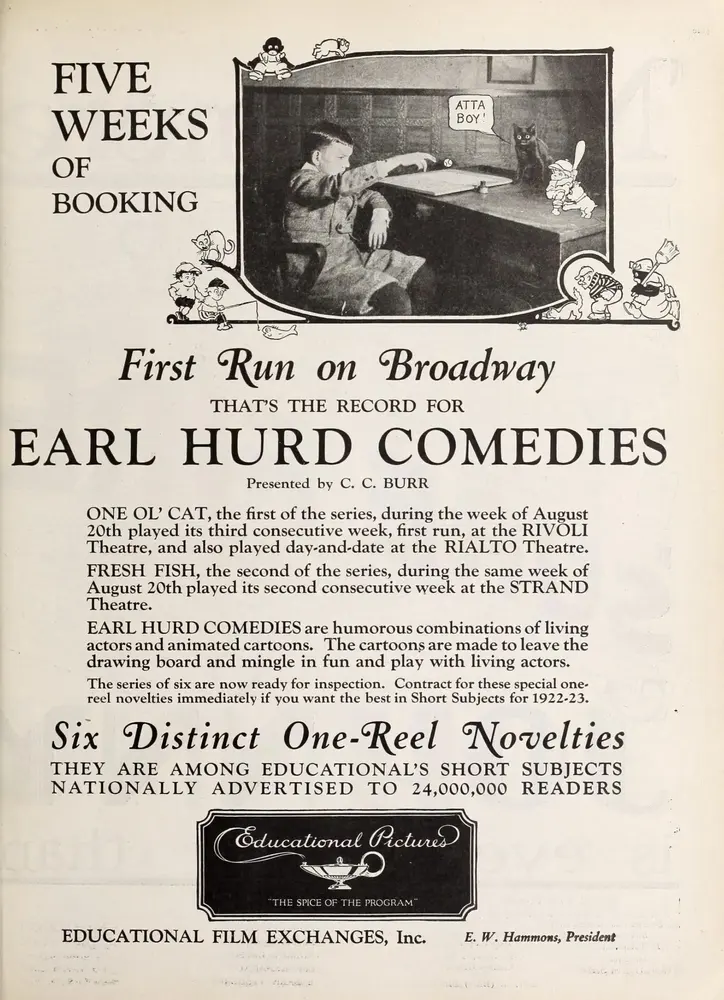
The Primordial Ink: Earl Hurd's Revolutionary Vision To witness One Ol' Cat is to observe the very birth of the animated syntax. Earl Hurd, a titan whose name is often whispered in the same hallowed halls as Winsor McCay, brought a different kind of rigor to the table. While McCay was obsessed with the illustrative ...
production_art
Comparing the cinematic DNA and archive impact of two defining moments in cult history.
Earl Hurd
Richard Smith
Community
Log in to comment.
" The Primordial Ink: Earl Hurd's Revolutionary Vision To witness One Ol' Cat is to observe the very birth of the animated syntax. Earl Hurd, a titan whose name is often whispered in the same hallowed halls as Winsor McCay, brought a different kind of rigor to the table. While McCay was obsessed with the illustrative grandeur of the draftsmanship, Hurd was the pragmatist who understood that for animation to survive, it needed a repeatable, scalable process. In this short, we see the early fruit..."