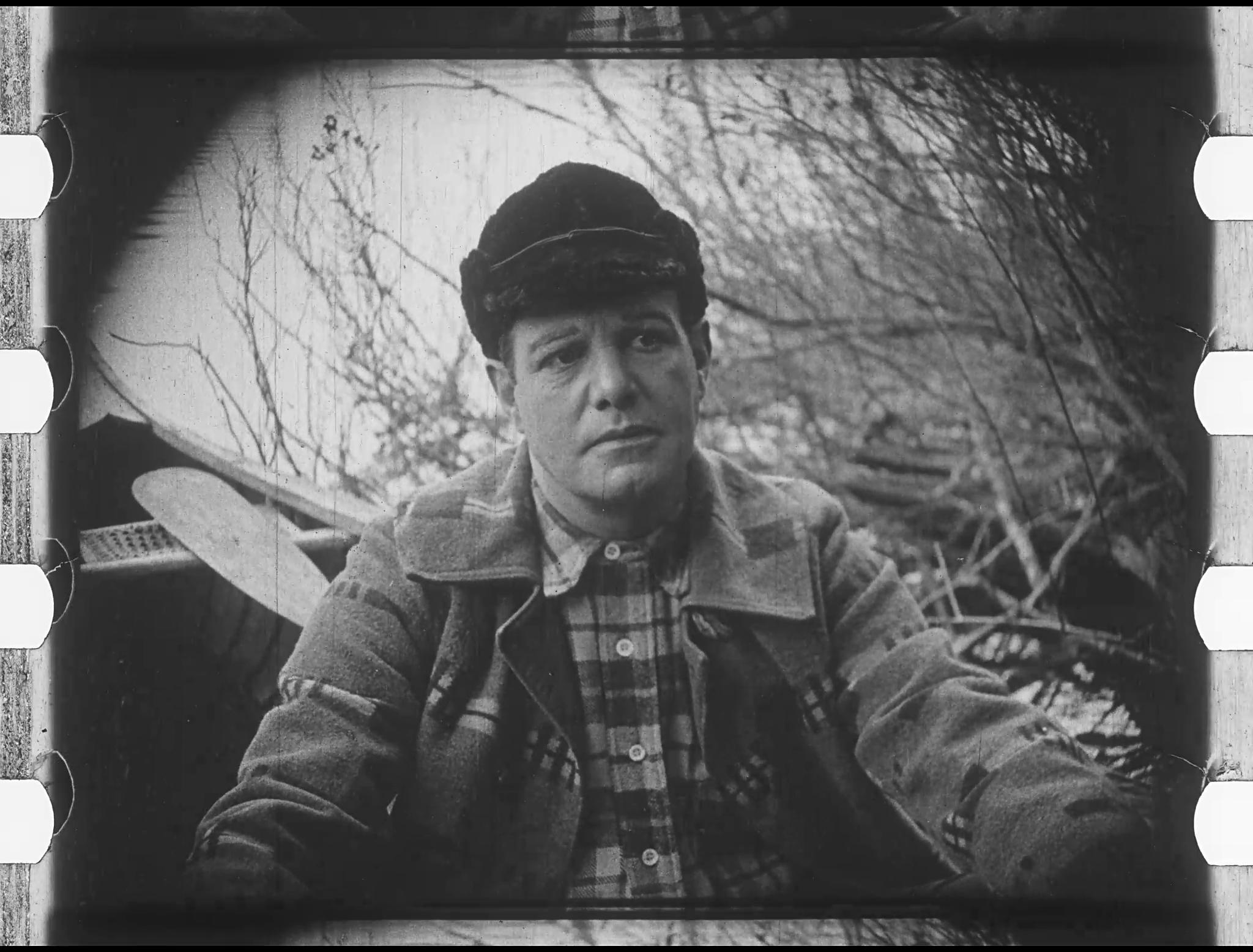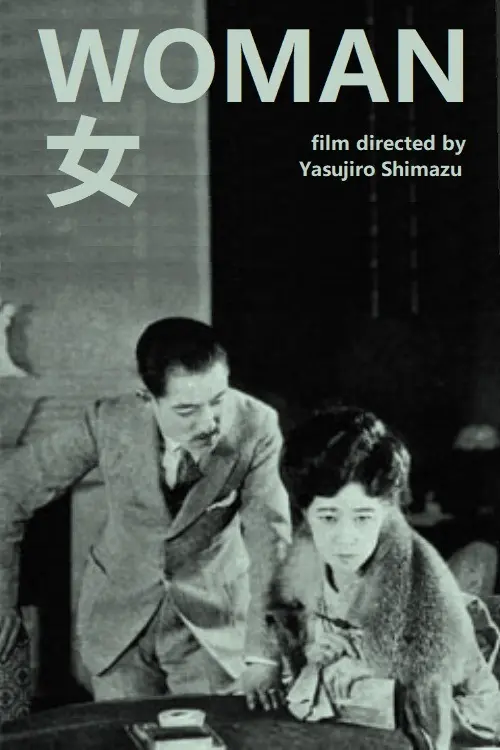
Should you invest your time in a century-old silent film like Onna? Short answer: Yes, but only if you are willing to look past the technical limitations of 1923 to find a soul-crushing social critique that feels uncomfortably modern.This film is for the cinephile who values composition over dialogue and the historian ...
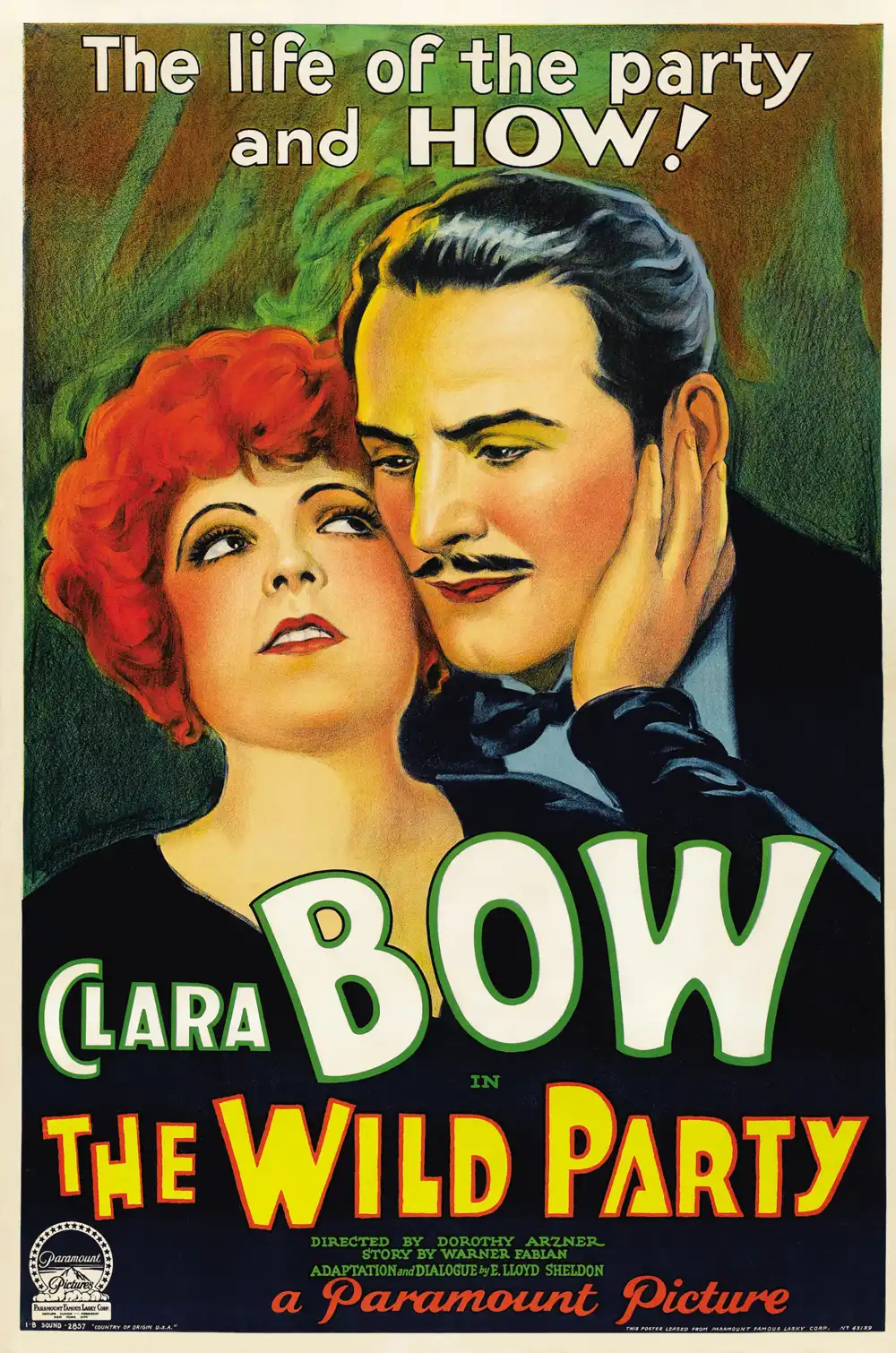
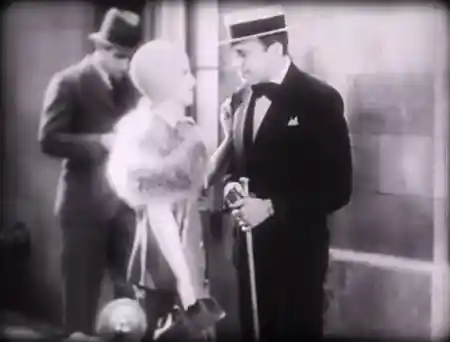
Comparing the cinematic DNA and archive impact of two defining moments in cult history.
Yasujirō Shimazu
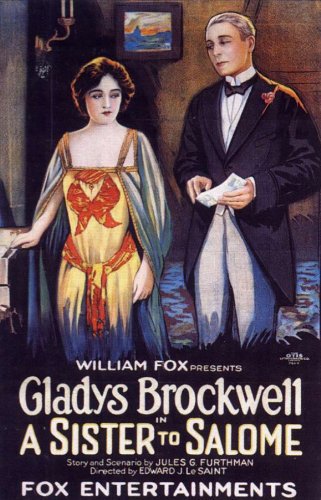
Edward LeSaint
Community
Log in to comment.
"Should you invest your time in a century-old silent film like Onna? Short answer: Yes, but only if you are willing to look past the technical limitations of 1923 to find a soul-crushing social critique that feels uncomfortably modern.This film is for the cinephile who values composition over dialogue and the historian looking for the roots of Japanese feminist cinema. It is absolutely not for someone seeking high-octane thrills or the polished artifice of contemporary blockbusters. It requires p..."