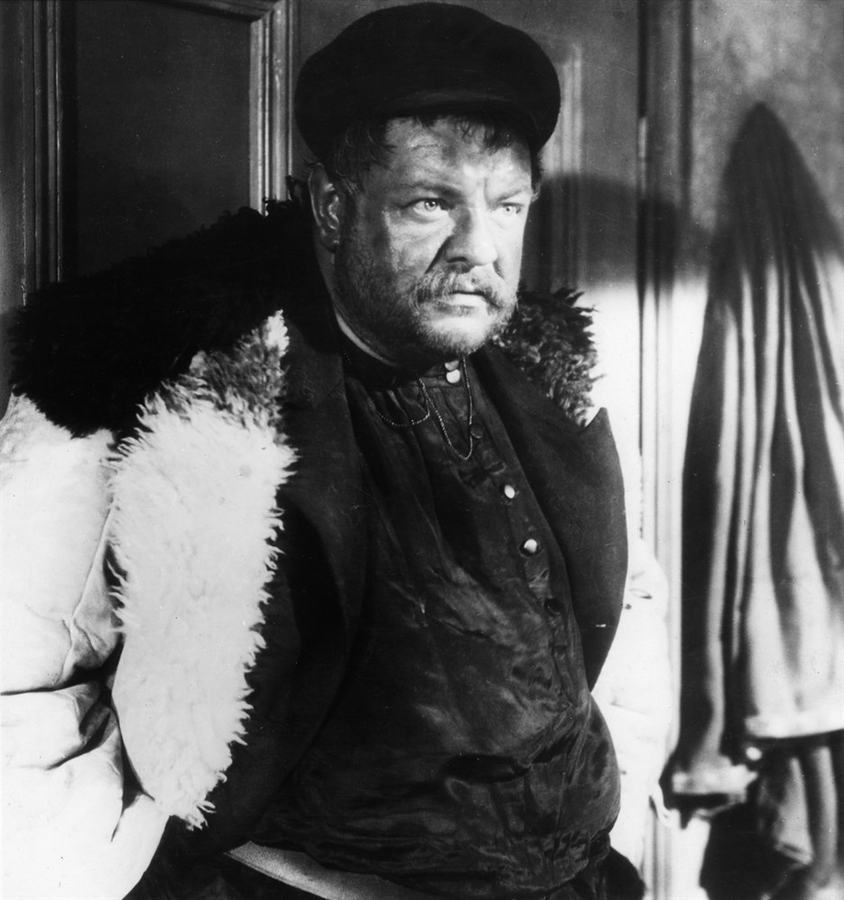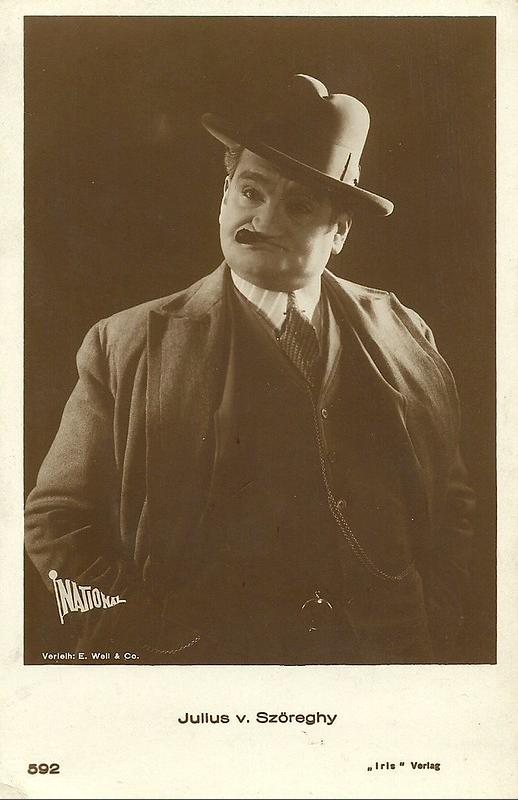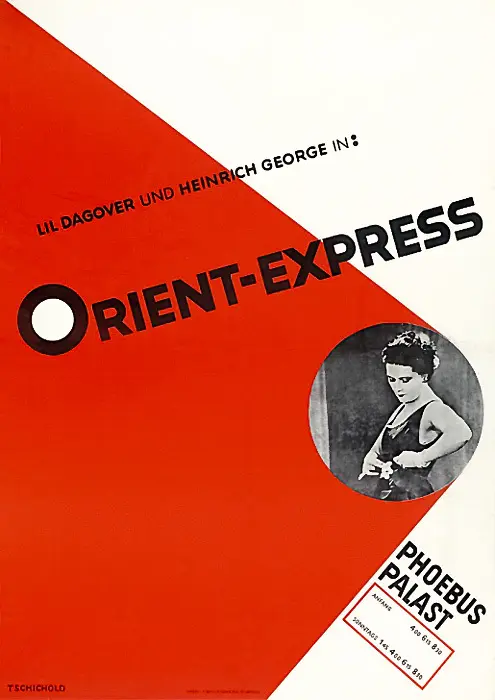
Is Orientexpress (1927) still a journey worth taking for the modern cinephile? Short answer: Yes, but only if you are willing to trade narrative speed for an intoxicating atmosphere of late-Weimar dread.This film is specifically for those who find beauty in the mechanical rhythm of silent-era storytelling and the expre...

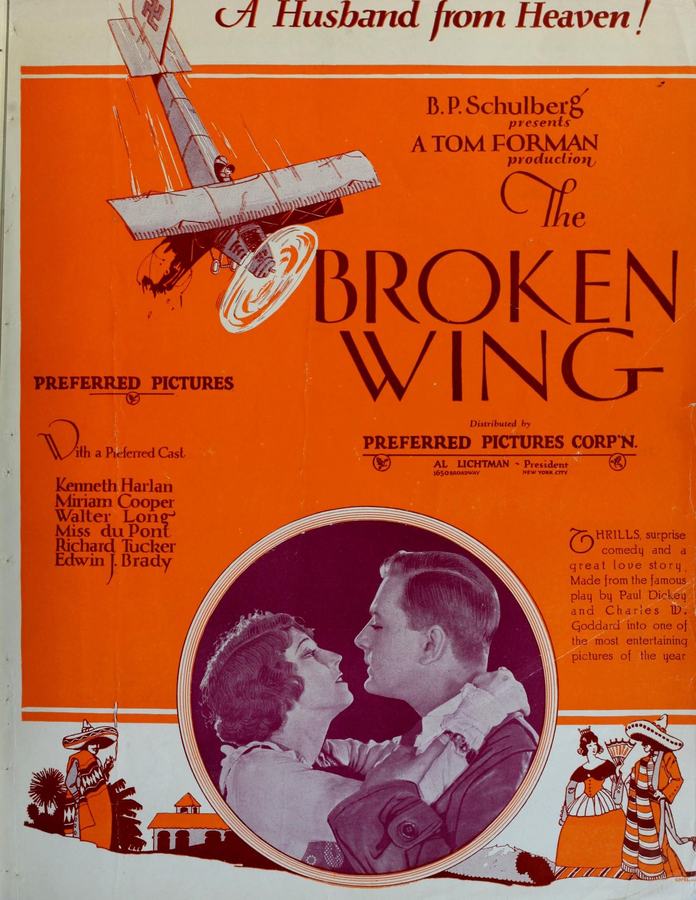
Comparing the cinematic DNA and archive impact of two defining moments in cult history.
Wilhelm Thiele
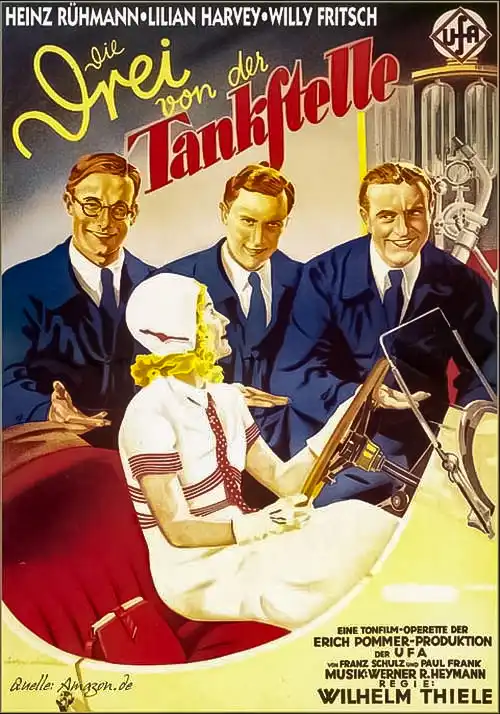
Wilhelm Thiele
Community
Log in to comment.
"Is Orientexpress (1927) still a journey worth taking for the modern cinephile? Short answer: Yes, but only if you are willing to trade narrative speed for an intoxicating atmosphere of late-Weimar dread.This film is specifically for those who find beauty in the mechanical rhythm of silent-era storytelling and the expressive faces of German expressionist veterans. It is certainly not for viewers who require the fast-paced, logic-driven plotting of a modern Agatha Christie adaptation.Direct Answer..."
Wilhelm Thiele
Germany