Summary
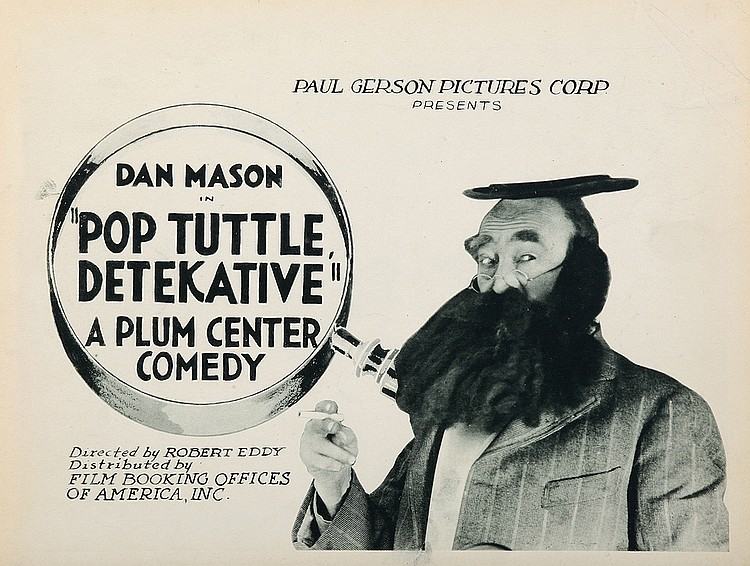
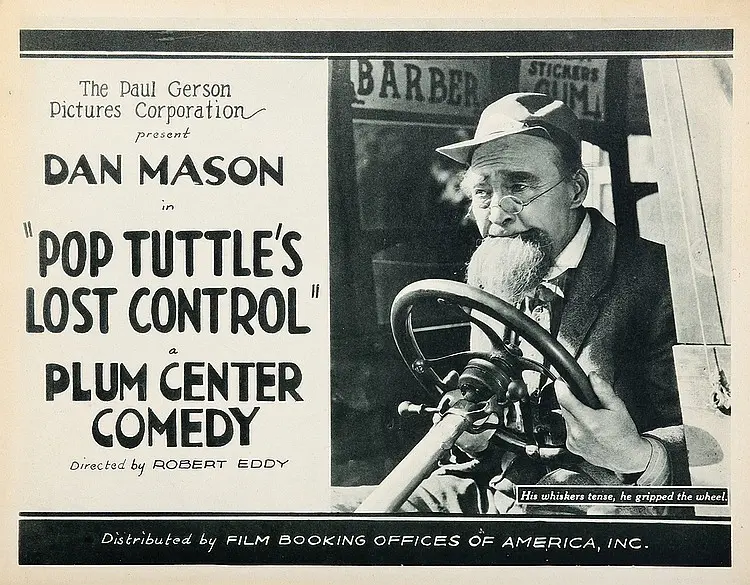
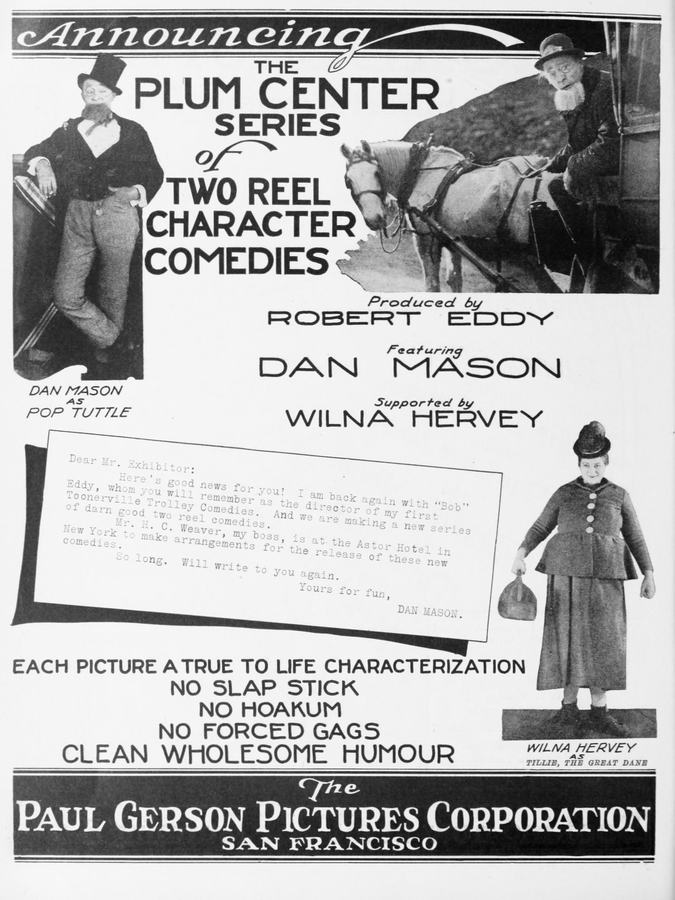
In the whimsical cinematic landscape of early 20th-century American comedy, "Pop Tuttle, Deteckative" unfolds as a charmingly farcical exploration of aspiration and self-delusion. The narrative centers on Pop Tuttle, a man of seemingly mundane existence, whose latent yearning for intellectual stimulation and adventure finds an unlikely outlet in a correspondence school course on the art of sleuthing. Having diligently absorbed the theoretical tenets of detection from printed manuals, Pop emerges from his scholastic endeavor imbued with a newfound, if entirely untested, confidence. His domestic sphere, heretofore a realm of predictable tranquility, swiftly transforms into a proving ground for his nascent investigative prowess. Imagining grand conspiracies in trivial household mishaps or interpreting innocuous neighborly quirks as clandestine criminal activity, Pop embarks on a series of comically misguided inquiries. His initial 'cases' are often self-generated, born from an overactive imagination fueled by textbook rhetoric, leading him to meticulously examine misplaced spectacles or the mysterious disappearance of a cookie from a jar with the gravity typically reserved for high-stakes espionage. The film cleverly dissects the chasm between academic instruction and practical application, portraying Pop's earnest but utterly inept attempts to employ deductive reasoning, disguise, and surveillance techniques within the confines of his suburban milieu, invariably resulting in escalating slapstick chaos and bewildered reactions from his long-suffering spouse and bemused acquaintances.
Pop takes a correspondence school course in the art of sleuthing.
Review Excerpt
"
Stepping back into the nascent days of cinema, we encounter "Pop Tuttle, Deteckative", a film that, despite its seemingly simple premise, offers a rich tapestry of comedic potential and a fascinating glimpse into the cultural zeitgeist of its era. On the surface, the plot — Pop takes a correspondence school course in the art of sleuthing — might appear almost laughably concise. Yet, within this brevity lies an entire universe of character study, social commentary, and, most importa..."