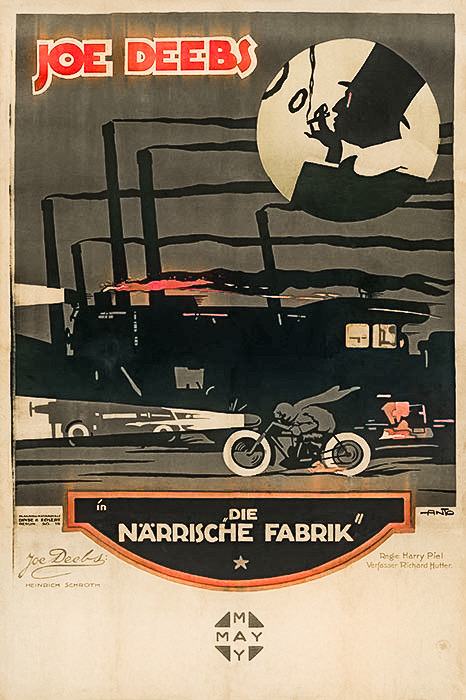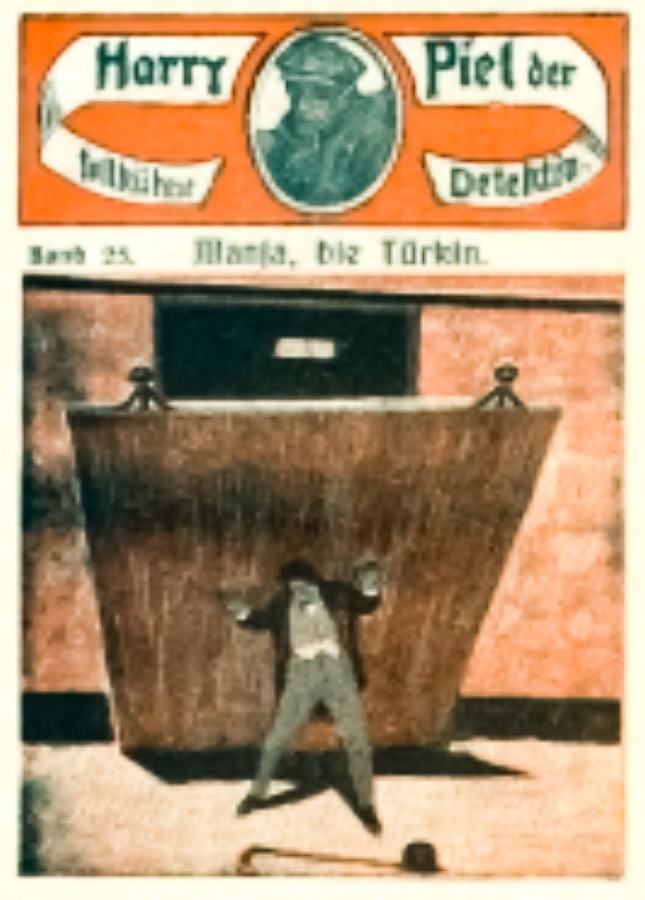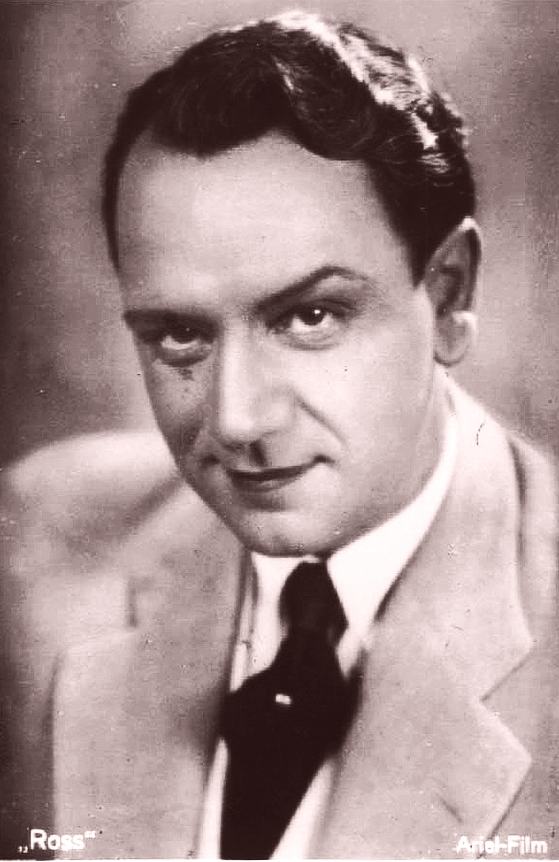
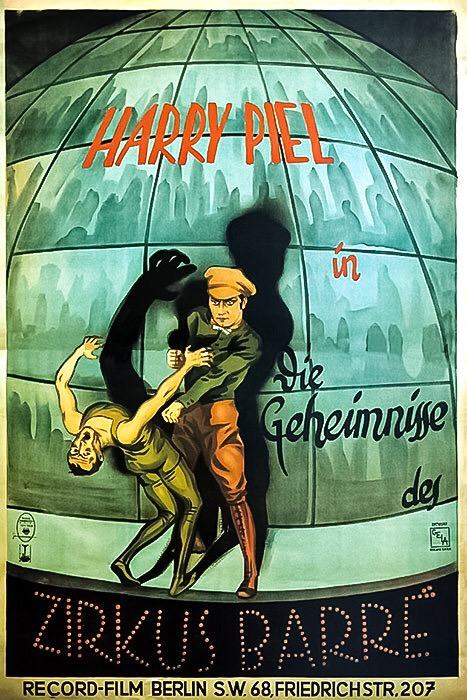
The first time I encountered Die Geheimnisse des Zirkus Barré it was a 9.5 mm fragment auctioned inside a cigar box—four minutes of nitrate moth-chewed to lace. Even in that stuttering silence, the film hissed danger: a clown’s tear rolling backward into his lacquered eye, a whip crack syncopated with the projector’s ...
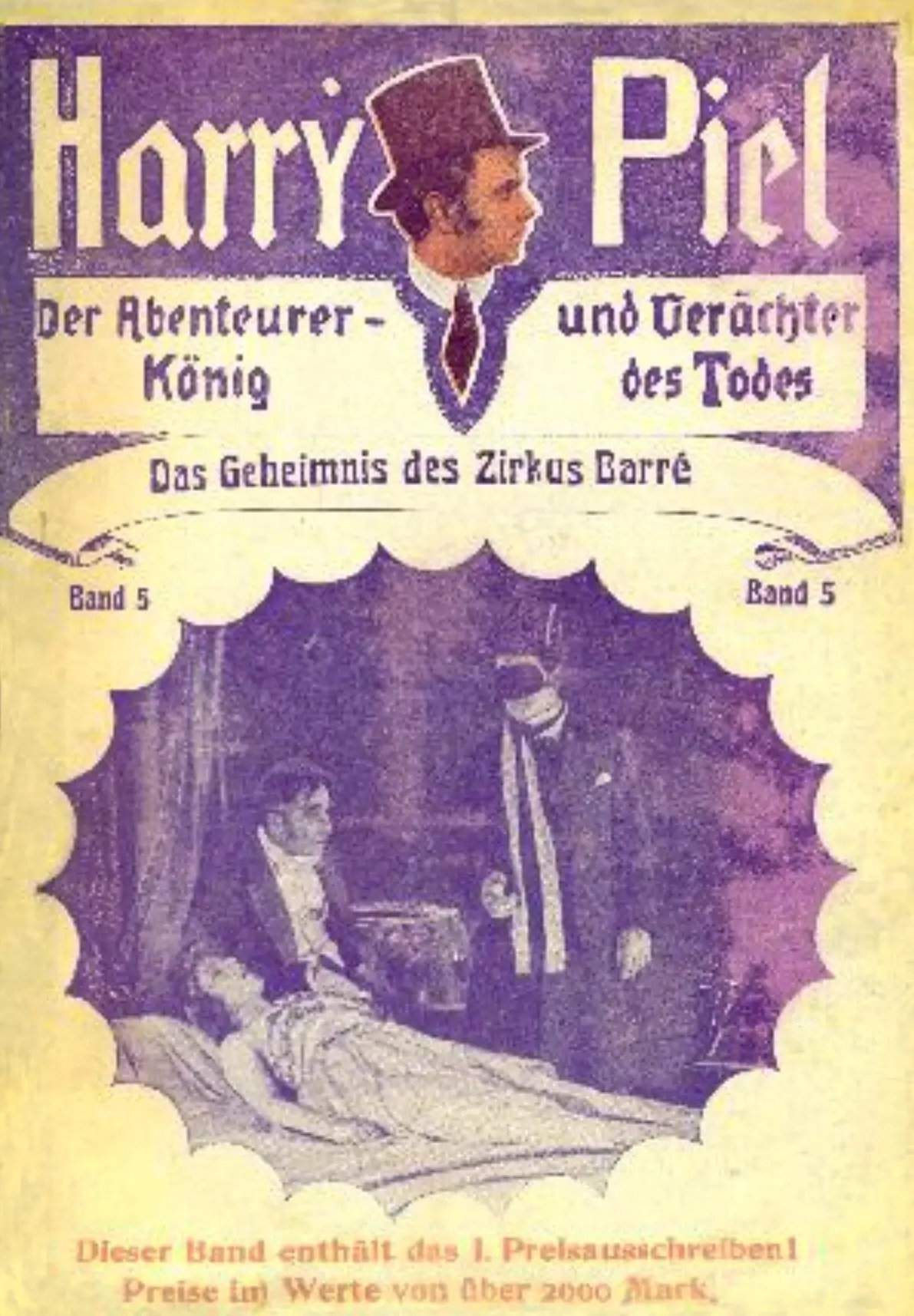
production_art
Comparing the cinematic DNA and archive impact of two defining moments in cult history.
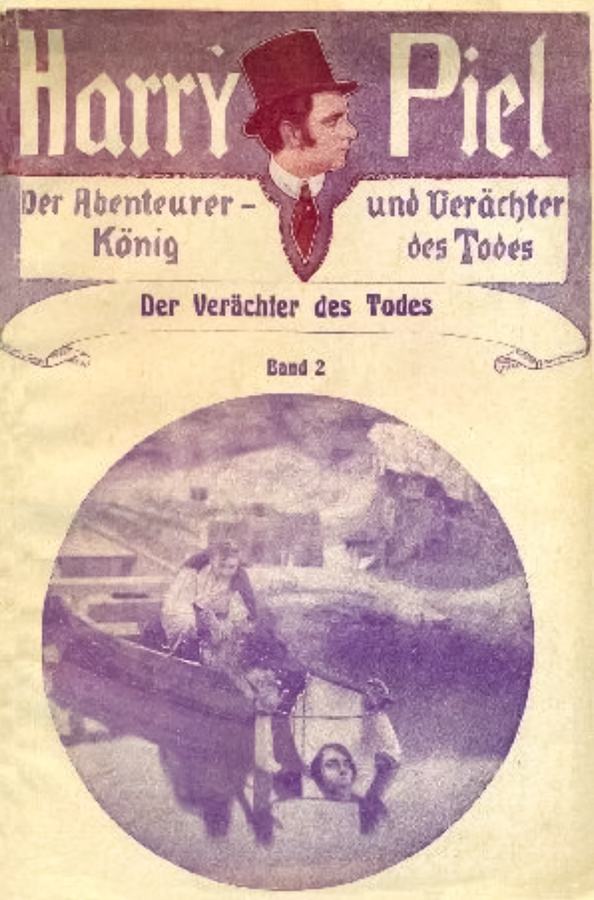
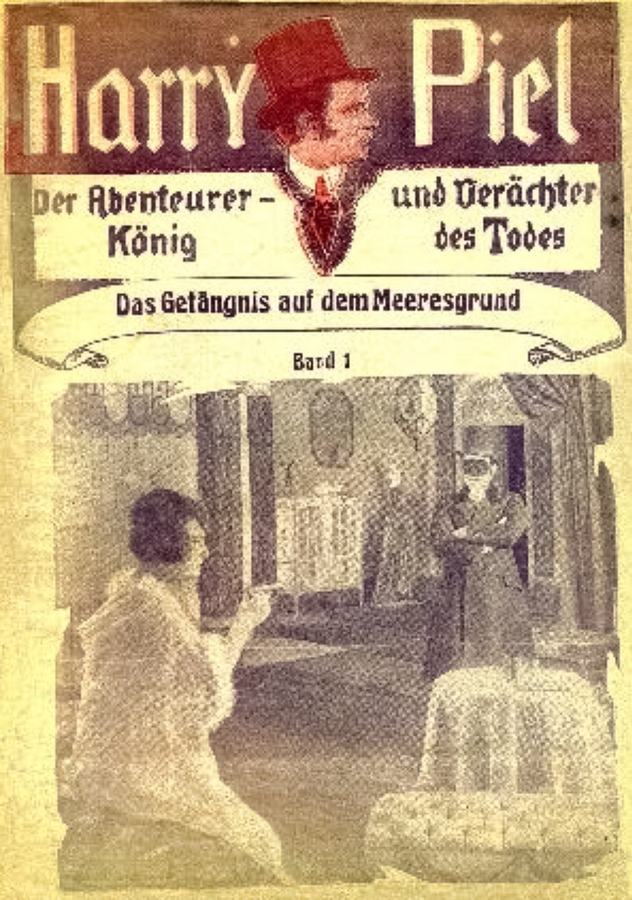
Harry Piel
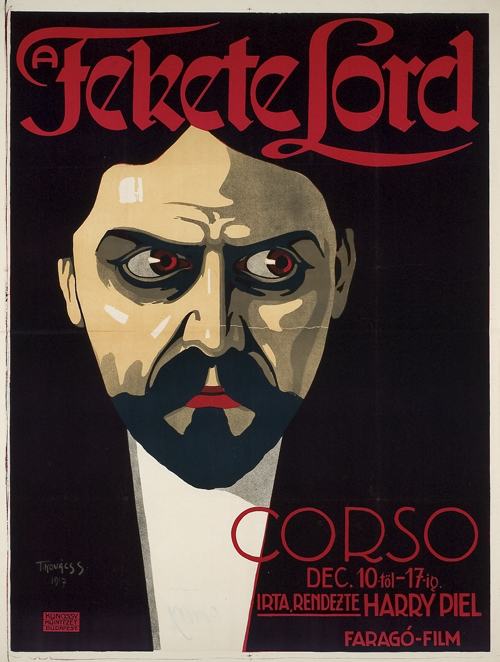
Harry Piel
Community
Log in to comment.
" The first time I encountered Die Geheimnisse des Zirkus Barré it was a 9.5 mm fragment auctioned inside a cigar box—four minutes of nitrate moth-chewed to lace. Even in that stuttering silence, the film hissed danger: a clown’s tear rolling backward into his lacquered eye, a whip crack syncopated with the projector’s clatter, a woman’s teeth glinting like piano keys in a tiger’s maw. Ninety minutes later, when the restored DCP ended, I realized I had not exhaled once. This is not a movie; it is..."
Siegmund Aschenbach
Max Bauer, Harry Piel
Germany
Deep dive into the cult classic
Discover similar cinematic experiences
A Directorial Spotlight on Harry Piel