United States
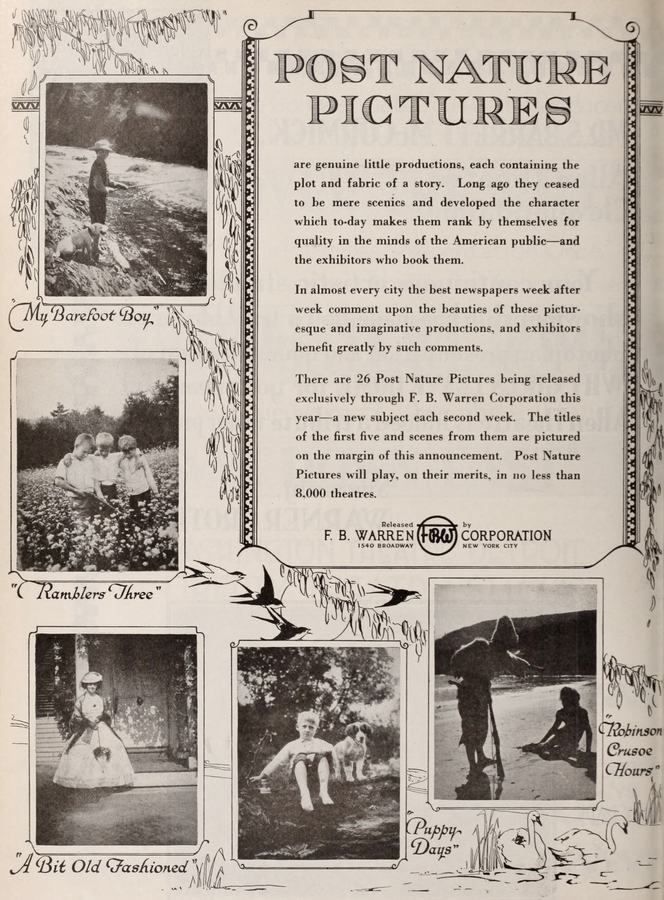
The first time we see Nico’s sneakers slap against the cracked esplanade, the camera hovers so low that the asphalt’s shimmer feels geothermal. Heat ghosts rise; distant gulls yawp; a single speck of tarmac clings to the lens like a black comet. In that sliver of a moment, Puppy Days announces its intent: to kneel at...
Comparing the cinematic DNA and archive impact of two defining moments in cult history.
Unknown Director

Unknown Director
Community
Log in to comment.
" The first time we see Nico’s sneakers slap against the cracked esplanade, the camera hovers so low that the asphalt’s shimmer feels geothermal. Heat ghosts rise; distant gulls yawp; a single speck of tarmac clings to the lens like a black comet. In that sliver of a moment, Puppy Days announces its intent: to kneel at child height, to sniff the world the way a mutt does—nose first, questions later. Director Alba Rey-Casanova, previously known for her gallery-installation shorts, here graduates..."
Unknown Director